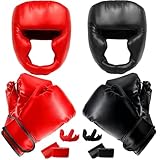
Choosing the right boxing gloves can feel a bit like navigating a maze. There are so many options, from different brands and materials to various weights and styles. One of the most critical decisions you’ll make is selecting the correct ounce weight. But how do you know how many ounces boxing gloves should I get? This guide will break down everything you need to know, from understanding the ounce system to choosing the perfect gloves for your training and sparring needs. We’ll explore the factors that influence your choice, ensuring you’re well-equipped to make an informed decision.
Getting the right glove weight is about more than just comfort; it’s about safety, training effectiveness, and longevity in the sport. A glove that’s too light might not provide adequate protection, while a glove that’s too heavy can hinder your speed and potentially lead to injury. So, let’s get into the specifics and help you find the ideal gloves for your boxing journey.
Understanding Boxing Glove Ounces
Boxing gloves are measured in ounces (oz), which refers to the weight of each glove. The weight of the glove significantly impacts the level of protection it offers and the type of training it’s best suited for. Heavier gloves provide more padding and protection, while lighter gloves allow for greater speed and agility. This system is universally used in boxing, so understanding it is fundamental.
The Significance of Glove Weight
The weight of your boxing gloves influences several key aspects of your training and performance:
- Impact Absorption: Heavier gloves absorb more of the impact from punches, protecting both your hands and your sparring partner.
- Punching Speed: Lighter gloves allow for faster hand speed and quicker combinations.
- Muscle Conditioning: Heavier gloves can help build strength and endurance in your arms and shoulders.
- Sparring Safety: The appropriate weight helps to minimize the risk of injury during sparring sessions.
Common Boxing Glove Weights
Boxing gloves typically range from 8 ounces to 20 ounces. Each weight serves a different purpose, making it crucial to select the right one for your training needs.
- 8 oz Gloves: Primarily used for professional fights. They offer minimal padding and are designed for speed and power. These gloves are rarely used in training due to the lack of protection.
- 10 oz Gloves: Also commonly used in professional fights, though some organizations may mandate heavier gloves. They provide slightly more padding than 8 oz gloves but are still geared toward power and speed.
- 12 oz Gloves: A popular choice for bag work and pad work for lighter weight fighters or those with smaller hands. They offer a good balance between speed and protection.
- 14 oz Gloves: The most common choice for general training and sparring. They provide a good level of protection and are suitable for a wide range of training activities.
- 16 oz Gloves: Often recommended for sparring, especially for heavier fighters. They offer the highest level of protection and are ideal for minimizing the risk of injury.
- 18 oz and 20 oz Gloves: These heavier gloves are primarily used for specific strength and conditioning exercises. They are not typically used for sparring or bag work due to their weight.
Choosing the Right Ounce Weight
Selecting the correct boxing glove weight depends on several factors, including your weight, training goals, and the type of training you’ll be doing.
Factors to Consider
Here are the key factors to consider when choosing your boxing glove weight: (See Also: Are Muay Thai Gloves The Same As Boxing Gloves )
- Your Body Weight: Generally, heavier fighters require heavier gloves for adequate protection, and lighter fighters can often use lighter gloves.
- Training Type: Different training activities require different glove weights. Sparring typically requires heavier gloves than bag work.
- Experience Level: Beginners often benefit from heavier gloves for added protection, while more experienced boxers may prefer lighter gloves for increased speed.
- Sparring Partner’s Weight: When sparring, it’s essential to consider your sparring partner’s weight and choose gloves that provide adequate protection for both of you.
Weight Chart for Boxing Gloves
Here’s a general guideline to help you determine the right glove weight based on your body weight and training goals. Please remember that these are general recommendations, and personal preferences may vary.
| Body Weight | Training Type | Recommended Glove Weight |
|---|---|---|
| Under 120 lbs (54 kg) | Bag Work/Pad Work | 12 oz |
| Under 120 lbs (54 kg) | Sparring | 14 oz or 16 oz |
| 120-150 lbs (54-68 kg) | Bag Work/Pad Work | 14 oz |
| 120-150 lbs (54-68 kg) | Sparring | 16 oz |
| 150 lbs + (68 kg+) | Bag Work/Pad Work | 16 oz |
| 150 lbs + (68 kg+) | Sparring | 16 oz or 18 oz |
| All Weights | Competition | Typically 8 oz or 10 oz (Check specific regulations) |
Important Note: This chart serves as a starting point. Always prioritize your safety and comfort. If in doubt, it’s always better to choose a slightly heavier glove than a lighter one, especially for sparring.
Specific Training Applications
Let’s delve deeper into how to select gloves based on your specific training needs:
Bag Work
Bag work involves hitting heavy bags, speed bags, and other training tools. The goal here is to improve your punching technique, power, and endurance. For bag work, you’ll generally want a glove that offers a good balance of protection and feedback. Consider the following:
- 12 oz Gloves: Suitable for lighter fighters or those with smaller hands. They allow for faster hand speed and good feedback from the bag.
- 14 oz Gloves: A great all-around choice for most fighters. They provide a good level of protection and are versatile enough for various bag work drills.
- 16 oz Gloves: Can be used for bag work, especially if you want to focus on building strength and endurance. They offer more protection but may slow down your hand speed.
Pad Work
Pad work involves hitting focus mitts held by a trainer or training partner. This type of training focuses on technique, combinations, and speed. The gloves you choose should allow for accurate punching and provide sufficient protection for both you and your partner. Consider these recommendations:
- 12 oz Gloves: Suitable for lighter fighters, allowing for quicker movements and combinations.
- 14 oz Gloves: A versatile choice offering a good balance of protection and speed, ideal for most pad work drills.
- 16 oz Gloves: Offer more protection, especially beneficial if you’re working on power punches or have a more experienced pad holder.
Sparring
Sparring is a crucial part of boxing training, where you practice your skills against a live opponent. Safety is paramount during sparring, so choosing the right glove weight is critical. Here’s what to consider: (See Also: Can You Wrestle In Boxing Shoes )
- 14 oz Gloves: Suitable for sparring for lighter fighters, providing a good balance of protection and speed.
- 16 oz Gloves: The most common and recommended choice for sparring, especially for heavier fighters. They provide maximum protection, reducing the risk of injury for both you and your sparring partner.
- 18 oz Gloves: Can be used for sparring, providing even more protection. However, they can impact hand speed and may not be ideal for all sparring sessions.
Competition
Competition glove weight is dictated by the specific regulations of the boxing organization or event. Always check the rules before your fight. The common scenario is:
- 8 oz or 10 oz Gloves: Used in professional fights, based on the weight class and the rules of the event.
Material and Construction Considerations
Beyond the ounce weight, the material and construction of your boxing gloves also play a crucial role in their performance and longevity.
Glove Materials
Boxing gloves are typically made from either leather or synthetic materials (like polyurethane or vinyl). Each material has its own advantages and disadvantages:
- Leather Gloves: Known for their durability and comfort. Leather gloves tend to last longer and provide a superior feel. They usually require more break-in time and may be more expensive.
- Synthetic Gloves: Often more affordable and require less break-in time. While they may not be as durable as leather gloves, they are a good option for beginners or those on a budget.
Construction Features
Pay attention to these construction features when selecting boxing gloves:
- Padding: High-quality padding is essential for absorbing impact. Look for gloves with multi-layered foam padding for optimal protection.
- Wrist Support: Adequate wrist support is crucial for preventing injuries. Gloves with secure wrist closures, such as Velcro straps or lace-up designs, provide better support.
- Thumb Design: An attached thumb helps prevent thumb injuries.
- Ventilation: Proper ventilation helps keep your hands cool and dry during training. Look for gloves with breathable materials or ventilation holes.
Choosing the Right Brand and Model
Once you understand the required ounce weight and material considerations, it’s time to choose a specific brand and model of boxing gloves. There are many reputable brands offering high-quality boxing gloves. Here are a few well-regarded brands:
- Everlast: A well-known brand with a wide range of gloves for all levels.
- Title Boxing: Offers a variety of gloves with a focus on quality and performance.
- Rival: Known for innovative designs and high-quality materials.
- Cleto Reyes: A premium brand favored by professional boxers.
- Winning: Another high-end brand known for its exceptional quality and protection.
When selecting a specific model, consider factors like the glove’s padding, wrist support, and overall construction. Read reviews and compare different models to find the best fit for your needs and budget. (See Also: Is Everlast Good Boxing Gloves )
Caring for Your Boxing Gloves
Proper care and maintenance will extend the life of your boxing gloves and ensure they remain in good condition. Follow these tips to keep your gloves in top shape:
- Air Them Out: After each use, allow your gloves to air dry thoroughly. Don’t leave them in your gym bag, where moisture can promote mold and mildew growth.
- Use Glove Deodorizers: Consider using glove deodorizers or inserts to absorb moisture and eliminate odors.
- Clean the Exterior: Wipe down the exterior of your gloves with a damp cloth after each use to remove sweat and dirt. For leather gloves, you can use a leather cleaner.
- Store Properly: Store your gloves in a cool, dry place away from direct sunlight.
- Use Hand Wraps: Always wear hand wraps when using your gloves. Hand wraps provide extra support and absorb sweat, extending the life of your gloves.
Additional Tips and Considerations
Here are some additional tips to help you choose the right boxing gloves:
- Try Before You Buy: If possible, try on different gloves before purchasing to ensure a comfortable fit. Consider visiting a local sporting goods store to try on different sizes and weights.
- Consider Your Hand Size: If you have smaller hands, you may find that certain glove models fit better than others. Look for gloves designed specifically for smaller hands.
- Consult with Your Trainer: Your boxing coach can provide valuable advice on choosing the right gloves based on your training goals and experience level.
- Prioritize Safety: Always prioritize safety when selecting your boxing gloves. Choose gloves that provide adequate protection for your hands and your sparring partners.
- Budget Wisely: Boxing gloves come in a wide range of prices. Determine your budget before you start shopping and look for gloves that offer good value for the money.
Where to Buy Boxing Gloves
Boxing gloves are available at various retailers, both online and in physical stores. Here are some options:
- Sporting Goods Stores: Stores like Dick’s Sporting Goods, Academy Sports + Outdoors, and local boxing supply stores offer a wide selection of boxing gloves.
- Online Retailers: Websites like Amazon, Title Boxing, and Everlast offer a vast selection of gloves and often have competitive prices.
- Boxing Gyms: Many boxing gyms sell gloves to their members. This can be a convenient way to purchase gloves and get personalized recommendations from your coach.
When shopping online, be sure to read reviews and compare different models to find the best fit for your needs. Pay attention to the return policies of the retailer in case the gloves don’t fit properly.
Here are some common questions regarding boxing glove weights:
- What is the difference between 12 oz and 16 oz gloves? The primary difference is the weight. 16 oz gloves offer more padding and protection than 12 oz gloves. 12 oz gloves are often used for bag work and pad work, while 16 oz gloves are commonly used for sparring.
- Can I use 16 oz gloves for bag work? Yes, you can use 16 oz gloves for bag work, especially if you want to build strength and endurance. However, they may slow down your hand speed compared to lighter gloves.
- Are heavier gloves better for beginners? Yes, heavier gloves (like 14 oz or 16 oz) are often recommended for beginners because they provide more protection for their hands.
- How long do boxing gloves last? The lifespan of boxing gloves depends on several factors, including the material, frequency of use, and care. High-quality leather gloves can last for several years with proper care, while synthetic gloves may wear out more quickly.
- Do I need different gloves for sparring and bag work? Yes, it’s generally recommended to have different gloves for sparring and bag work. Sparring gloves should be heavier (16 oz or 18 oz) to provide maximum protection, while bag work gloves can be lighter (12 oz or 14 oz) for better speed and feedback.
Conclusion
Choosing the right boxing glove weight is a crucial decision that affects your safety, training effectiveness, and overall experience in the sport. By understanding the different ounce weights, considering your body weight, training goals, and experience level, you can select the gloves that best suit your needs. Remember to prioritize protection, comfort, and the advice of your trainer. With the right gloves, you’ll be well-equipped to enjoy your boxing journey and reach your full potential.
Always prioritize safety and consult with your coach or trainer for personalized recommendations. Enjoy your training and stay safe!