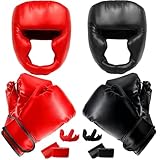
So, you’re getting into boxing, huh? That’s fantastic! It’s a great way to get in shape, learn self-defense, and, let’s be honest, feel like a total badass. One of the first things you’ll need is a good pair of boxing gloves. But with all the different weights and sizes out there, it can be a bit confusing. That’s where I come in. I’ve spent years in the gym, both as a participant and an observer, and I’m here to help you navigate the world of boxing glove ounces.
Choosing the right glove weight is crucial for your training and, more importantly, your safety. A glove that’s too light won’t offer enough protection, while one that’s too heavy can hinder your technique and potentially lead to injury. This guide will break down everything you need to know, from how glove weight affects your punches to the ideal size for your training needs. We’ll cover everything from sparring to bag work, ensuring you make the best choice for your boxing journey.
Ready to get started? Let’s get you fitted with the perfect pair of gloves!
Understanding Boxing Glove Weights: The Basics
Boxing gloves are measured in ounces (oz), which refers to their weight. The weight of the glove significantly impacts your training, sparring, and overall safety. The heavier the glove, the more padding it has, which generally means more protection for your hands and your sparring partner’s face. Lighter gloves offer less padding, which can allow for faster hand speed and more precise movements, but they also offer less protection.
The weight of the gloves you choose will depend on several factors, including your body weight, the type of training you’re doing, and your experience level. It’s not a one-size-fits-all situation, and understanding the nuances is key to making the right decision.
Why Ounce Matters
Why is the weight of boxing gloves so important? It all boils down to a few key reasons:
- Protection: Heavier gloves provide more padding, reducing the impact of your punches on your hands and your sparring partner’s face. This is crucial for preventing injuries during sparring and heavy bag work.
- Training: Different weights are used for different types of training. Heavier gloves can help build strength and endurance, while lighter gloves allow you to focus on speed and technique.
- Safety: Using the wrong weight can lead to injuries. Too light, and you risk hand injuries. Too heavy, and you risk shoulder and arm injuries, especially if you’re not used to the extra weight.
- Competition Regulations: In professional boxing, the weight of the gloves is strictly regulated, with different weights required depending on the weight class of the fighters.
Common Boxing Glove Weights and Their Uses
Let’s take a look at the most common boxing glove weights and what they’re typically used for:
- 6oz – 8oz: These are generally used for professional competition, especially in lighter weight classes. They offer minimal padding and are designed for speed and power. They are NOT recommended for training, especially for beginners.
- 10oz: Often used for professional competition in heavier weight classes and some advanced training. These gloves offer slightly more padding than the 6-8oz gloves, but they are still not ideal for most training purposes for beginners.
- 12oz: A popular choice for bag work and pad work for lighter weight fighters. They provide a good balance of protection and speed.
- 14oz: Commonly used for sparring and heavy bag work, especially for heavier fighters or those prioritizing protection.
- 16oz: The standard for sparring in many gyms, offering maximum protection for both the wearer and the sparring partner. Also used for heavy bag work and some strength training exercises.
- 18oz+: Less common, these gloves are used by very heavy fighters or for specific strength and conditioning exercises.
Choosing the Right Boxing Glove Weight Based on Your Weight
Your body weight is a primary factor in determining the correct boxing glove weight. The general rule of thumb is that heavier individuals need heavier gloves. This is because heavier fighters generate more power, and therefore, need more padding to protect their hands and their sparring partners. (See Also: Are Muay Thai Gloves The Same As Boxing Gloves )
Here’s a basic guideline:
| Your Weight | Recommended Glove Weight (for training) |
|---|---|
| Under 125 lbs | 12oz – 14oz |
| 125 – 150 lbs | 14oz – 16oz |
| 150 – 175 lbs | 16oz |
| Over 175 lbs | 16oz – 18oz |
Important Note: These are general guidelines. Individual preferences and training goals can vary. Always consider the type of training you’ll be doing and your experience level.
Boxing Glove Weight for Different Training Activities
The type of training you’re doing will also influence your choice of glove weight. Different activities require different levels of protection and focus. Here’s a breakdown:
Sparring
Sparring requires the most protection. The goal is to simulate a fight while minimizing the risk of injury. Therefore, heavier gloves are essential.
- 16oz Gloves: These are the standard for sparring in most gyms. They provide ample padding to protect both you and your sparring partner from serious injury.
- 18oz Gloves: Some gyms and trainers may recommend 18oz gloves, especially for heavier fighters or those who want even more protection.
Why Heavier Gloves for Sparring?
- Reduced Impact: Heavier gloves absorb more of the impact from punches, reducing the force transferred to your sparring partner’s head and face.
- Protection for Your Hands: Heavier gloves also protect your hands from injury during sparring.
- Gym Rules: Many gyms have mandatory rules about the weight of gloves used for sparring. Always check your gym’s policy.
Heavy Bag Work
Heavy bag work is a fundamental part of boxing training. It helps you develop power, technique, and endurance. The ideal glove weight for heavy bag work depends on your weight and experience.
- 12oz Gloves: Suitable for lighter fighters or those who want to focus on speed and technique.
- 14oz Gloves: A good balance of protection and power, suitable for most fighters.
- 16oz Gloves: Provide maximum protection, especially for heavier fighters or those who are hitting the heavy bag very hard.
Considerations for Heavy Bag Work: (See Also: Can You Wrestle In Boxing Shoes )
- Bag Type: The type of heavy bag you’re using matters. A harder bag will require heavier gloves for protection.
- Punching Power: If you generate a lot of power, you’ll need heavier gloves.
- Training Frequency: If you’re doing a lot of heavy bag work, you might want to opt for heavier gloves to protect your hands.
Pad Work (focus Mitts)
Pad work is an excellent way to improve your technique, speed, and combination work. The glove weight you choose for pad work can vary.
- 12oz Gloves: Often preferred for pad work because they allow for good hand speed and feel.
- 14oz Gloves: A good balance of protection and speed, suitable for most fighters.
- 16oz Gloves: Can be used for pad work, especially if you’re focusing on power and endurance.
Key Considerations for Pad Work:
- The Focus Mitts: The type of focus mitts you’re using will impact the feel of the glove. Some mitts are more forgiving than others.
- Trainer’s Preference: Your trainer may have a preference for what they want you to use. Always follow their guidance.
Shadow Boxing
Shadow boxing doesn’t require gloves, but you can use them to get used to the weight and feel. Choose gloves that are appropriate for your weight and training goals.
- Any Weight: You can use any weight of gloves for shadow boxing, depending on what you’re training for. If you’re focusing on speed, you might use lighter gloves. If you’re working on power and endurance, you might use heavier gloves.
Competition
In professional and amateur competition, the glove weight is strictly regulated by the governing bodies. You won’t have a choice in the matter.
- 6oz – 10oz Gloves: The weight of the gloves depends on the weight class of the fighters. Lighter weight classes typically use lighter gloves.
Important Note: For competition, the gloves are provided by the organizers, and you usually won’t be able to choose your own. However, you’ll still train with gloves, so choose the right weight for your training.
Boxing Glove Materials and Construction
The material and construction of your boxing gloves also affect their performance and durability. Here’s a quick overview:
Materials
- Leather: Leather gloves are generally considered to be the highest quality and most durable. They offer excellent performance and can last for years with proper care.
- Synthetic Leather: Synthetic leather gloves are a more affordable option. They can still offer good performance, but they may not last as long as leather gloves.
Construction
- Padding: The padding is what absorbs the impact of your punches. It’s usually made of foam, but some gloves use multiple layers of different types of foam for enhanced protection.
- Wrist Support: Good wrist support is essential for preventing injuries. Look for gloves with a secure wrist closure system.
- Thumb Protection: The thumb should be protected to prevent hyperextension and other injuries.
How to Choose the Right Boxing Gloves: Step-by-Step
Now that you understand the different glove weights and their uses, here’s a step-by-step guide to help you choose the right pair for your needs: (See Also: Is Everlast Good Boxing Gloves )
- Assess Your Weight: Weigh yourself to determine your body weight.
- Consider Your Training Activities: Determine the types of training you’ll be doing most often (sparring, heavy bag work, pad work, etc.).
- Follow the Weight Guidelines: Use the weight guidelines provided earlier in this guide as a starting point.
- Think About Your Experience Level: If you’re a beginner, prioritize protection. As you gain experience, you might experiment with different weights.
- Check Your Gym’s Rules: If you’ll be training at a gym, check their rules about glove weights for sparring and other activities.
- Try on Different Gloves: If possible, try on different gloves to see how they feel. Pay attention to the fit, the padding, and the wrist support.
- Read Reviews: Read reviews from other users to get an idea of the glove’s performance and durability.
- Consult with Your Trainer: Your trainer can provide valuable advice and help you choose the right gloves.
Boxing Glove Fit and Sizing
Getting the right fit is crucial for both comfort and performance. A glove that’s too tight will restrict your movement and potentially cause injury. A glove that’s too loose won’t provide adequate support.
How to Measure Your Hand
- Wrap a Measuring Tape: Wrap a flexible measuring tape around your knuckles, making sure to keep your hand flat.
- Measure Your Palm: Measure the circumference of your palm, just below your knuckles.
- Use a Sizing Chart: Use a sizing chart provided by the glove manufacturer to determine your glove size.
Fit Considerations
- Hand Wraps: Always wear hand wraps when trying on gloves, as they will add to the overall size.
- Fingers: Your fingers should not touch the end of the glove. There should be a little room at the fingertips.
- Wrist: The wrist closure should be secure and provide adequate support.
- Comfort: The gloves should feel comfortable and not restrict your movement.
Boxing Glove Brands and Recommendations
There are many reputable boxing glove brands on the market. Here are a few popular and well-regarded options:
- Everlast: A classic brand with a wide range of gloves for all levels.
- Title Boxing: Known for its high-quality gloves and equipment.
- Cleto Reyes: A premium brand favored by many professional boxers.
- Winning: Another high-end brand known for its exceptional quality and comfort.
- Venum: A popular brand with a modern design and a good reputation.
- Rival: Known for innovative designs and excellent wrist support.
Recommendation: It’s always a good idea to research specific models and read reviews before making a purchase. The best glove for you will depend on your individual needs and preferences.
Caring for Your Boxing Gloves
Proper care will extend the life of your boxing gloves and help them perform at their best. Here are some tips:
- Dry them After Each Use: Always air out your gloves after each training session. Use a glove deodorizer or stuff them with newspaper to absorb moisture.
- Wipe Them Down: Wipe down the outside of your gloves with a damp cloth to remove sweat and dirt.
- Store Them Properly: Store your gloves in a cool, dry place away from direct sunlight.
- Avoid Extreme Temperatures: Don’t leave your gloves in a hot car or a freezing environment.
- Use Hand Wraps: Always wear hand wraps to protect your hands and absorb sweat.
- Rotate Gloves: If you train frequently, consider having two pairs of gloves and rotating them to allow them to dry out completely.
Common Mistakes to Avoid When Choosing Boxing Gloves
Here are some common mistakes to avoid when choosing boxing gloves:
- Choosing Gloves Based on Price Alone: While budget is important, don’t sacrifice quality for price. A cheap pair of gloves may not provide adequate protection.
- Ignoring Your Weight: Using gloves that are too light or too heavy for your weight can lead to injury.
- Not Trying on Gloves: If possible, try on the gloves before you buy them to ensure a proper fit.
- Neglecting Hand Wraps: Always wear hand wraps to protect your hands and absorb sweat.
- Not Cleaning Your Gloves: Sweat and bacteria can build up in your gloves, leading to odor and potentially skin infections.
Where to Buy Boxing Gloves
You can purchase boxing gloves from a variety of sources:
- Sporting Goods Stores: Many sporting goods stores carry a selection of boxing gloves.
- Boxing Gyms: Your local boxing gym may sell gloves.
- Online Retailers: Amazon, eBay, and other online retailers offer a wide selection of gloves.
- Specialty Boxing Equipment Stores: These stores specialize in boxing equipment and often have a knowledgeable staff to help you make your selection.
Final Verdict
Choosing the right boxing glove weight is a crucial decision for any boxer, regardless of their experience level. The weight of your gloves directly impacts your training, sparring, and overall safety. By understanding the factors that influence glove weight, such as your body weight, training activities, and experience, you can make an informed choice that will help you achieve your boxing goals while minimizing the risk of injury.
Remember to prioritize protection, proper fit, and the type of training you’ll be doing. Don’t hesitate to consult with your trainer or a knowledgeable boxing equipment specialist to get personalized recommendations. With the right pair of gloves, you’ll be well on your way to enjoying the sport of boxing and achieving your fitness goals. Now go get those gloves and start throwing some punches!