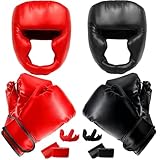
So, you’re lacing up your gloves, ready to hit the heavy bag or step into the ring. But have you ever stopped to wonder, ‘how long boxing gloves last?’ It’s a crucial question, because the lifespan of your gloves directly impacts your safety, your performance, and, of course, your wallet. Boxing gloves aren’t cheap, and knowing when to replace them is essential for both novice and seasoned fighters.
We’ll explore the factors that influence the longevity of your gloves, from the materials they’re made of to the intensity of your training. We’ll also delve into the telltale signs that indicate it’s time for a new pair. This guide will equip you with the knowledge to maximize the life of your gloves and stay protected in the ring.
Whether you’re a casual fitness enthusiast or a dedicated competitive boxer, understanding how to care for your gloves is an investment in your training and your well-being. Let’s get started!
The Anatomy of a Boxing Glove: Understanding the Components
Before we discuss longevity, let’s break down the key components of a boxing glove. This understanding will help you appreciate how each part contributes to its overall lifespan and performance. The quality of these components significantly affects durability.
The Outer Layer: Leather vs. Synthetic
The outer layer, the part you see and feel, is typically made of either leather or synthetic materials. This is the first line of defense against wear and tear.
- Leather Gloves: Generally considered the premium option, leather gloves are known for their durability and comfort. Full-grain leather, in particular, is highly resistant to abrasion and can withstand the rigors of intense training. Leather also tends to mold to your hand over time, providing a more custom fit. However, leather gloves require more maintenance, such as regular cleaning and conditioning, to prevent them from drying out and cracking. The better the leather, the longer the lifespan.
- Synthetic Gloves: Made from materials like polyurethane (PU) or polyvinyl chloride (PVC), synthetic gloves are often a more budget-friendly choice. While they may not offer the same level of durability as leather, advancements in synthetic materials have made them a viable option for beginners or those who train less frequently. Synthetic gloves are also easier to clean and require less maintenance. However, they are more prone to cracking and tearing, especially with heavy use.
The Padding: Protecting Your Hands
The padding is the heart of the glove, providing crucial protection for your hands and knuckles. The quality and composition of the padding significantly influence the glove’s ability to absorb impact and cushion your punches.
- Foam Padding: Most boxing gloves use layered foam padding. The type of foam varies, with higher-end gloves often using multiple layers of different densities to provide optimal shock absorption. This padding is designed to compress and absorb the force of your punches, protecting your hands from injury. Over time, the foam padding will break down and lose its ability to effectively absorb impact.
- Gel Padding: Some gloves incorporate gel padding in addition to or instead of foam. Gel padding offers superior shock absorption and can help to distribute the force of impact more evenly. This can prolong the life of the glove as well.
The Lining: Comfort and Moisture Control
The lining of the glove, the material that comes into contact with your hand, plays a crucial role in comfort and moisture management. A well-designed lining can help to wick away sweat, keeping your hands dry and preventing the growth of bacteria.
- Material: Linings are typically made from materials like nylon, polyester, or a combination of both. Some gloves feature antimicrobial linings to further reduce the risk of bacterial growth and odor.
- Importance: A comfortable and moisture-wicking lining not only enhances your training experience but also helps to extend the life of your gloves by preventing the buildup of sweat and moisture, which can degrade the padding and outer layer over time.
The Wrist Closure: Support and Stability
The wrist closure system is critical for providing support and stability to your wrists, reducing the risk of injury during training and sparring. There are a few common types of wrist closures.
- Lace-Up Gloves: These gloves offer the most secure and customizable fit, making them a popular choice for professional boxers and sparring. However, they require assistance to put on and take off.
- Hook-and-Loop (Velcro) Gloves: These gloves are quick and easy to put on and take off, making them ideal for training and bag work. They offer good support, but the Velcro can wear out over time.
Factors Influencing Boxing Glove Lifespan
Several factors can affect how long your boxing gloves will last. Understanding these factors will help you make informed decisions when purchasing gloves and will guide you in caring for them properly.
Training Frequency and Intensity
This is the biggest factor. The more often you train and the harder you hit, the quicker your gloves will wear down. If you train several times a week, you’ll need to replace your gloves more frequently than someone who trains once or twice a week. High-intensity training, such as sparring or heavy bag work, puts more stress on the gloves than lighter activities like shadow boxing.
Type of Training
Different types of training activities place different demands on your gloves. (See Also: Are Muay Thai Gloves The Same As Boxing Gloves )
- Heavy Bag Work: This is one of the most demanding activities for your gloves. The constant impact on the heavy bag will cause the padding to compress and the outer layer to wear down over time.
- Sparring: Sparring involves hitting another person, which can put even more stress on your gloves than heavy bag work. The gloves need to protect both you and your sparring partner.
- Pad Work: Hitting focus mitts or training pads is less demanding than heavy bag work or sparring, but it still contributes to the overall wear and tear of your gloves.
- Shadow Boxing: Shadow boxing is the least demanding activity for your gloves, but it still contributes to the overall wear and tear.
Glove Material and Construction
As mentioned earlier, the materials used to make your gloves play a significant role in their lifespan. High-quality leather gloves, for example, tend to last longer than synthetic gloves. The quality of the stitching and the construction of the glove also affect its durability. Gloves with reinforced stitching and a sturdy construction will withstand more punishment.
Proper Glove Care and Maintenance
This is a critical, often-overlooked factor. Proper care and maintenance can significantly extend the life of your gloves. This includes cleaning them regularly, allowing them to dry properly after use, and storing them in a cool, dry place. We’ll delve into this in detail later.
Your Weight and Punching Power
Heavier individuals and those with more punching power will naturally put more stress on their gloves, leading to faster wear and tear. This is why heavier fighters often need to replace their gloves more frequently than lighter fighters. The force of your punches directly impacts the gloves.
Signs It’s Time to Replace Your Boxing Gloves
Knowing when to replace your gloves is crucial for your safety and performance. Don’t wait until it’s too late. Here are some key indicators that it’s time for a new pair:
Loss of Padding and Cushioning
This is the most critical sign. The padding in your gloves is designed to absorb impact and protect your hands. Over time, the padding will compress and lose its ability to effectively cushion your punches. If you notice that your knuckles are starting to feel the impact more, or if you feel pain after hitting the heavy bag or sparring, it’s time to replace your gloves. Check for uneven padding or areas where the padding has significantly thinned out.
Cracks or Tears in the Outer Layer
Cracks or tears in the outer layer of your gloves indicate that the material is breaking down. This can compromise the glove’s ability to protect your hands and can also lead to the padding being exposed, which can accelerate wear and tear. Small cracks are normal, but if they are deep or numerous, it’s time to replace the gloves.
Loose Stitching
Loose stitching can compromise the structural integrity of your gloves. If you notice that the stitching is coming apart, or if the seams are separating, it’s time to replace the gloves. Loose stitching can lead to further damage and can also affect the fit and performance of the gloves.
Unpleasant Odor
This is a sign of bacterial growth. A persistent, unpleasant odor, even after cleaning, can indicate that bacteria has built up inside the gloves. This can lead to skin irritation and other health problems. If your gloves have a persistent odor, it’s time to replace them, even if they appear to be in good condition otherwise.
Loss of Wrist Support
If the wrist support of your gloves is compromised, they can no longer properly protect your wrists. This could be due to damage to the wrist closure system (Velcro or laces) or the internal structure of the glove. If you feel that your wrists are not adequately supported, or if you experience pain in your wrists while training, it’s time to replace your gloves.
Changes in Fit
Over time, your gloves may stretch out or change shape, leading to a less secure or comfortable fit. If your gloves feel too loose or don’t fit your hands properly, it’s time to replace them. A proper fit is essential for both comfort and performance. (See Also: Can You Wrestle In Boxing Shoes )
Age of the Gloves
Even if your gloves appear to be in good condition, the materials will degrade over time. As a general guideline, most boxing gloves should be replaced every 12-18 months, depending on the factors discussed above. If you train very frequently, you may need to replace them more often. If you have had your gloves for more than two years, it’s probably time for a new pair, regardless of how often you use them.
How to Extend the Life of Your Boxing Gloves: Care and Maintenance
Proper care and maintenance can significantly extend the life of your boxing gloves and ensure they provide the best possible protection. Here are some essential tips:
Clean Your Gloves After Each Use
This is the most important step. After each training session, wipe down the outside of your gloves with a damp cloth to remove sweat and dirt. For leather gloves, you can use a leather cleaner. For synthetic gloves, a mild soap and water solution is usually sufficient. This prevents the buildup of sweat and bacteria, which can damage the gloves over time.
Dry Your Gloves Properly
This is crucial to prevent mold and mildew. After wiping down your gloves, allow them to air dry completely. Never put your gloves in direct sunlight or use a heat source, as this can damage the materials. The best way to dry your gloves is to place them in a well-ventilated area. Consider using a glove dryer, which can help to remove moisture and prevent the growth of bacteria.
Use Glove Deodorizers
To combat odor and absorb moisture, use glove deodorizers or inserts. These products often contain absorbent materials and antimicrobial agents. Place the deodorizers inside your gloves after each training session to help keep them fresh and dry. This helps prevent bacteria growth.
Use Hand Wraps
Hand wraps are essential. Always wear hand wraps when using your gloves. Hand wraps provide an extra layer of protection for your hands and wrists, absorbing sweat and moisture and preventing it from soaking into your gloves. This helps to extend the life of your gloves and keeps them cleaner.
Store Your Gloves Properly
When not in use, store your gloves in a cool, dry place. Avoid storing them in a gym bag or other enclosed space where moisture can accumulate. A well-ventilated area is ideal. Consider using a glove bag or carrying case to protect your gloves from dust and damage. Make sure the area is not exposed to extreme temperatures or direct sunlight.
Rotate Your Gloves
If you train frequently, consider owning two pairs of gloves and rotating between them. This allows each pair to dry completely between uses, extending their lifespan. This will also ensure that you always have a fresh pair of gloves available.
Condition Leather Gloves Regularly
If you have leather gloves, condition them regularly to keep the leather supple and prevent cracking. Use a leather conditioner specifically designed for sports equipment. Follow the manufacturer’s instructions for application. Regular conditioning keeps the leather from drying out and cracking.
Check Your Gloves Regularly
Inspect your gloves regularly for signs of wear and tear, such as cracks, tears, loose stitching, or loss of padding. Address any issues promptly to prevent further damage. Catching problems early can prevent bigger issues down the road. (See Also: Is Everlast Good Boxing Gloves )
Boxing Glove Lifespan: A Quick Reference Guide
Here’s a table summarizing the typical lifespan of boxing gloves based on usage and care. These are general guidelines; actual lifespan may vary.
| Training Frequency | Glove Type | Typical Lifespan | Notes |
|---|---|---|---|
| 1-2 times per week (light training) | Synthetic | 12-18 months | With proper care. |
| 1-2 times per week (light training) | Leather | 18-36 months | With proper care and conditioning. |
| 3-5 times per week (moderate training) | Synthetic | 6-12 months | May need more frequent replacement. |
| 3-5 times per week (moderate training) | Leather | 12-24 months | Proper care is essential. |
| 6+ times per week (heavy training/sparring) | Synthetic | 3-6 months | Frequent replacement likely. |
| 6+ times per week (heavy training/sparring) | Leather | 6-18 months | Requires diligent care and may need rotation. |
Choosing the Right Gloves for Longevity
When purchasing boxing gloves, consider these factors to maximize their lifespan:
Material Selection
Leather is generally more durable than synthetic materials. If you train frequently, investing in a pair of high-quality leather gloves is often a worthwhile investment. However, if you’re a beginner or train less often, a good synthetic pair can be a cost-effective option. Consider the training frequency when choosing the material.
Padding and Construction
Look for gloves with multi-layered padding and reinforced stitching. These features will contribute to the gloves’ durability and ability to withstand the rigors of training. Check the quality of the stitching and the overall construction.
Fit and Comfort
A proper fit is crucial for both comfort and performance. Make sure the gloves fit your hands snugly but not too tightly. A comfortable fit will also help to prevent injuries and extend the life of your gloves. Try on different sizes and styles to find the best fit for your hands.
Brand Reputation
Research different brands and read reviews to get an idea of the quality and durability of their gloves. Some brands are known for producing high-quality, long-lasting gloves. Check reviews before purchasing.
Price vs. Value
While price is a factor, don’t necessarily choose the cheapest option. Consider the overall value, taking into account the quality of the materials, the construction, and the expected lifespan of the gloves. Investing in a slightly more expensive pair of gloves can often save you money in the long run by lasting longer.
Verdict
Knowing how long boxing gloves last is vital for any boxer, regardless of experience level. Glove lifespan is determined by several factors: training frequency and intensity, the materials used, and the level of care given. Regular cleaning, proper drying, and appropriate storage are crucial for maximizing the life of your gloves and ensuring they remain safe and effective.
By understanding the signs of wear and tear, and by following the care and maintenance tips outlined in this guide, you can extend the life of your gloves, protect your hands, and get the most out of your training sessions. Remember to always prioritize your safety and performance by replacing your gloves when necessary. Your hands, and your boxing journey, will thank you for it!