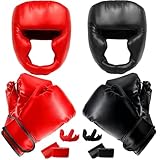
Ever found yourself in a gym in a Spanish-speaking country, eager to spar, but stumbling over the language barrier? Perhaps you’re a boxing enthusiast planning a trip, or maybe you’re just curious. The simple question of “how do you say boxing gloves in Spanish?” can open up a world of possibilities.
This guide isn’t just about the direct translation. We’ll explore the nuances, different regional variations, and how to use the term in various contexts. We’ll also touch on related vocabulary and phrases that will help you navigate the world of boxing in Spanish. Get ready to step into the ring of language learning!
Learning a new language can be challenging, but it’s also incredibly rewarding. Let’s get started with a knockout lesson on boxing terminology in Spanish!
The Direct Translation: Guantes De Boxeo
The most straightforward way to say “boxing gloves” in Spanish is “guantes de boxeo.” This is the standard, universally understood translation. Let’s break it down:
- “Guantes” is the Spanish word for “gloves.”
- “De” is a preposition meaning “of” or “from.”
- “Boxeo” is the Spanish word for “boxing.”
Therefore, “guantes de boxeo” literally translates to “gloves of boxing,” which is perfectly accurate. You can use this phrase in any Spanish-speaking country, and you’ll be understood. It’s the equivalent of saying “boxing gloves” in English – clear and concise.
Pronunciation Guide
Pronouncing “guantes de boxeo” correctly is crucial for effective communication. Here’s a phonetic breakdown:
- “Guantes”: Pronounced “GWAN-tes” (think of “gwan” like “Juan” but with a “g” sound at the beginning). The “u” is pronounced like the “oo” in “moon.” The “s” at the end is pronounced as an “s” sound, similar to English.
- “De”: Pronounced “deh” (as in the English word “debt” but with a softer “d” sound).
- “Boxeo”: Pronounced “boh-KSEH-oh.” The “x” is pronounced like “ks.” The “eo” at the end is pronounced as a combined “eh-oh” sound.
Practice these sounds, and you’ll be well on your way to speaking like a native! Try saying the whole phrase a few times: “GWAN-tes deh boh-KSEH-oh.” Repeat it until it rolls off your tongue.
Variations and Regional Differences
While “guantes de boxeo” is the standard, Spanish, like any language, has regional variations. You might encounter slightly different phrasing depending on where you are. Here are a few things to keep in mind:
Formal vs. Informal
In most situations, “guantes de boxeo” is perfectly acceptable, regardless of the level of formality. However, in extremely formal settings (which are rare when discussing boxing equipment), you might slightly alter your phrasing, although “guantes de boxeo” is still perfectly acceptable.
Regional Slang
Spanish-speaking countries have their own unique slang. While less common for boxing equipment, be prepared for potential variations. For example, some regions might use a more colloquial term, although “guantes de boxeo” will always be understood. It’s always a good idea to listen and observe how locals refer to boxing gloves.
Examples of Use in Different Contexts
Let’s look at how you might use “guantes de boxeo” in different scenarios:
- At a boxing gym: “¿Dónde puedo comprar unos guantes de boxeo?” (Where can I buy some boxing gloves?)
- Talking to a friend: “Necesito comprar unos guantes de boxeo nuevos.” (I need to buy new boxing gloves.)
- Watching a boxing match: “El boxeador llevaba unos guantes de boxeo rojos.” (The boxer was wearing red boxing gloves.)
Related Vocabulary: Essential Boxing Terms in Spanish
Knowing just “guantes de boxeo” is a great start, but to truly immerse yourself in the boxing world in Spanish, you’ll need more vocabulary. Here’s a list of essential terms:
- Boxeador/Boxeadora: Boxer (male/female)
- Ring: El ring
- Entrenador/Entrenadora: Trainer (male/female)
- Round: El asalto
- Combate: Fight
- Ganar: To win
- Perder: To lose
- Golpe: Punch
- K.O. (Knockout): K.O. (pronounced “ka-oh”)
- Peso: Weight
- Categoría de peso: Weight class
- Saco de boxeo: Punching bag
- Cuerda para saltar: Jump rope
- Protector bucal: Mouthguard
- Casco: Headgear
- Vendajes: Hand wraps
Learning these terms will dramatically improve your ability to communicate and understand conversations about boxing in Spanish. (See Also: Are Muay Thai Gloves The Same As Boxing Gloves )
Phrases to Know
Here are some useful phrases to get you started:
- “¿Puedes enseñarme a boxear?” (Can you teach me how to box?)
- “¿Dónde está el gimnasio?” (Where is the gym?)
- “¿Cuánto cuestan los guantes de boxeo?” (How much do the boxing gloves cost?)
- “Estoy listo para el combate.” (I am ready for the fight.)
- “¡Buen golpe!” (Good punch!)
Buying Boxing Gloves in Spanish-Speaking Countries
If you’re planning on purchasing boxing gloves, knowing how to ask and understand the answers is essential. Here’s a guide:
Asking About Boxing Gloves
When you’re shopping, you’ll need to ask some questions. Here are some examples:
- “¿Tienen guantes de boxeo?” (Do you have boxing gloves?)
- “¿Qué talla de guantes tienen?” (What sizes of gloves do you have?)
- “¿De qué material son los guantes?” (What material are the gloves made of?)
- “¿Cuánto cuestan estos guantes de boxeo?” (How much do these boxing gloves cost?)
- “¿Puedo probarme los guantes?” (Can I try on the gloves?)
Understanding the Answers
Be prepared to understand the responses. You’ll likely hear:
- “Sí, tenemos guantes.” (Yes, we have gloves.)
- “Tenemos tallas desde… hasta…” (We have sizes from… to…)
- “Son de cuero/sintético.” (They are made of leather/synthetic material.)
- “Cuestan…” (They cost…)
- “Sí, por supuesto.” (Yes, of course.)
Key Considerations When Buying
When buying boxing gloves, consider these factors (and learn how to ask about them in Spanish):
- Size: Size is crucial for both comfort and safety. Ask about sizing charts or try them on. “¿Qué talla me recomienda?” (What size do you recommend for me?)
- Material: Leather gloves are generally more durable, but synthetic gloves can be more affordable. “¿De qué material son?” (What material are they made of?)
- Weight: Glove weight is measured in ounces (oz). Heavier gloves provide more protection but can be less conducive to speed. “¿Qué peso tienen los guantes?” (What weight are the gloves?)
- Brand: Research different brands to find the best quality and fit for your needs.
- Price: Set a budget beforehand. “¿Cuánto cuestan?” (How much do they cost?)
Practice Makes Perfect: Exercises and Tips
Learning a new language, especially the specialized vocabulary of a sport, takes practice. Here are some exercises and tips to help you master “guantes de boxeo” and related terms:
Flashcards
Create flashcards with the Spanish term on one side and the English translation (and pronunciation) on the other. Review them regularly.
Online Resources
Utilize online resources such as language learning apps, websites, and YouTube channels. Many platforms offer lessons on sports vocabulary.
Conversation Practice
The best way to learn is to speak. Find a language partner or tutor who is a native Spanish speaker and practice using the terms. Ask them about their favorite boxers or boxing matches.
Immerse Yourself
Watch boxing matches in Spanish. Even if you don’t understand everything at first, you’ll start to recognize the vocabulary and phrases. Listen to Spanish commentary to get a feel for the language.
Labeling
Label your boxing equipment with the Spanish words. This will help you memorize the terms and associate them with the objects.
Role-Playing
Practice role-playing scenarios. For example, pretend you’re buying boxing gloves or asking a trainer for advice. This helps you to become comfortable using the language in real-life situations. (See Also: Can You Wrestle In Boxing Shoes )
Consistency Is Key
Set aside time each day or week to study and practice. Even short, consistent sessions are more effective than sporadic cramming.
The Importance of Cultural Context
Language is inextricably linked to culture. Understanding the cultural context of boxing in Spanish-speaking countries can enhance your learning experience. Here are some aspects to consider:
Popularity of Boxing
Boxing is incredibly popular in many Spanish-speaking countries, with a rich history and numerous famous boxers. Knowing about these figures will enhance your conversations and show your interest.
Boxing Culture
Familiarize yourself with the traditions, values, and etiquette of boxing in the specific region you are interested in. This will help you understand the nuances of the language and communicate effectively.
Respect and Etiquette
Always show respect for the sport, the trainers, and the other participants. Using the correct language and showing a genuine interest in the culture will go a long way.
Regional Differences in Boxing
Boxing styles, training methods, and even the types of gloves used can vary by region. Researching these differences can provide a deeper understanding of the sport and the language used to describe it.
Beyond the Basics: Advanced Vocabulary and Phrases
Once you’re comfortable with the basics, you can expand your vocabulary with more advanced terms and phrases:
- Gancho: Hook
- Uppercut: Uppercut (often used in English, sometimes “gancho ascendente”)
- Jab: Jab (often used in English, sometimes “directo”)
- Esquivar: To dodge
- Bloquear: To block
- Contraataque: Counterattack
- Fuera de combate: Out of the fight (knocked out)
- El árbitro: The referee
- La campana: The bell
- El asalto final: The final round
- Un combate reñido: A close fight
Phrases for Describing a Fight
Here are some phrases to use when describing a boxing match:
- “El boxeador conectó un golpe poderoso.” (The boxer landed a powerful punch.)
- “El árbitro detuvo el combate.” (The referee stopped the fight.)
- “Fue un combate muy emocionante.” (It was a very exciting fight.)
- “El boxeador ganó por K.O.” (The boxer won by knockout.)
- “El boxeador perdió por decisión unánime.” (The boxer lost by unanimous decision.)
Idiomatic Expressions
Learning some idiomatic expressions can add color to your language skills, and make you sound more like a native speaker. While there aren’t many boxing-specific idioms, here are a few general ones that might apply:
- “Dar un golpe de suerte”: To get lucky (literally, “to give a punch of luck”).
- “Estar en las cuerdas”: To be on the ropes (to be in a difficult situation).
- “Ponerse los guantes”: To put on the gloves (to prepare for a fight or argument, figuratively).
Common Mistakes to Avoid
Even experienced language learners make mistakes. Here are some common pitfalls to avoid when talking about boxing in Spanish:
Incorrect Pronunciation
Mispronouncing words can lead to misunderstandings. Pay close attention to the pronunciation guides and practice regularly.
Using the Wrong Prepositions
Spanish prepositions can be tricky. Pay attention to how they are used with boxing-related verbs and nouns. (See Also: Is Everlast Good Boxing Gloves )
Overly Literal Translations
While direct translations are a good starting point, sometimes they don’t capture the intended meaning. Consult with a native speaker if you’re unsure.
Mixing Up Gendered Nouns
Spanish nouns have genders (masculine or feminine). Make sure you use the correct articles (el/la) and adjectives. For example, “el ring” (the ring, masculine) and “la campana” (the bell, feminine).
Not Practicing
The biggest mistake is not practicing. The more you use the language, the better you’ll become.
Resources for Further Learning
There are many resources available to help you continue your Spanish language learning journey:
Language Learning Apps
Duolingo, Babbel, and Memrise are excellent for building vocabulary and grammar.
Online Courses
Coursera, edX, and Udemy offer comprehensive Spanish courses.
Textbooks
Look for textbooks that focus on sports vocabulary and conversation.
Dictionaries
Use online dictionaries like WordReference or SpanishDict. They provide translations, pronunciations, and example sentences.
Spanish-Speaking Friends
Find a language partner or tutor to practice with. This is one of the most effective ways to learn.
Boxing Related Content
Watch boxing matches, documentaries, and interviews in Spanish. Read articles and websites about boxing in Spanish.
Conclusion
So, there you have it! The answer to “how do you say boxing gloves in Spanish” is “guantes de boxeo.” We’ve explored the basics, regional variations, essential vocabulary, and practical tips for using this term in various contexts. Remember that learning a language is a journey, not a destination. Embrace the process, practice consistently, and don’t be afraid to make mistakes. With dedication and the right resources, you’ll be confidently discussing boxing in Spanish in no time. Now go out there and throw some “golpes” (punches) with your newfound linguistic skills!