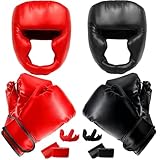
Choosing the right boxing gloves is about more than just picking a cool color or a recognizable brand. It’s about safety, performance, and comfort. One of the most critical aspects of getting the perfect fit is knowing your hand circumference. This measurement directly impacts the size of the glove you need, influencing everything from your punching power to your ability to properly defend yourself. Getting this measurement right is the first step toward a safe and enjoyable boxing experience.
In this guide, we’ll walk you through the precise steps to measure your hand circumference accurately. We’ll also explore why this measurement is so important and how it translates into the correct boxing glove size. Whether you’re a seasoned boxer or just starting, understanding this process will empower you to make informed decisions and find the ideal gloves for your needs. Let’s get started!
Why Hand Circumference Matters
Before we get into the specifics of measuring, let’s understand why hand circumference is so crucial. Boxing gloves are designed to protect both your hands and your sparring partner. A glove that’s too small can restrict movement, cause discomfort, and even lead to injuries. A glove that’s too large can shift around during punches, reducing your power and increasing the risk of hand injuries like sprains and fractures. The correct hand circumference measurement ensures a snug, secure fit, allowing you to punch effectively and safely.
The hand circumference measurement is the primary determinant of glove size. While other factors like hand shape and personal preference play a role, the circumference provides a baseline for finding the right fit. Manufacturers use this measurement to create gloves that accommodate a wide range of hand sizes, ensuring a comfortable and functional fit.
Gathering Your Supplies
To accurately measure your hand circumference, you’ll need a few readily available items. Fortunately, you probably already have them at home!
- A flexible measuring tape: This is essential. A cloth or plastic measuring tape works best because it can easily wrap around your hand. Avoid using a rigid ruler.
- A pen or pencil: For marking the measurement on the tape if needed.
- A mirror (optional): This can be helpful to ensure the tape is positioned correctly, especially if you’re measuring your own hand.
- A friend (optional, but helpful): Having someone assist you can make the process easier and more accurate.
Step-by-Step Measuring Guide
Now, let’s get down to the process of measuring your hand circumference. Follow these steps carefully for the most accurate results:
- Position Your Hand: Extend your dominant hand (the one you use for punching) and keep it relatively flat, with your fingers together. Avoid clenching your fist, as this will affect the measurement.
- Wrap the Tape: Take your flexible measuring tape and wrap it around your hand at the widest part. This is typically just below your knuckles, across the palm. Make sure the tape is snug but not too tight.
- Find the Circumference: Note the measurement where the tape overlaps. This is your hand circumference. If you’re using a pen, mark the point where the tape meets to make it easier to read.
- Repeat if Needed: It’s always a good idea to measure a second time to ensure accuracy. If the measurements are significantly different, take a third measurement and average the results.
- Record Your Measurement: Write down your measurement in inches or centimeters. This is the number you’ll use to determine your glove size.
Important Tips for Accuracy: (See Also: Are Muay Thai Gloves The Same As Boxing Gloves )
- Keep your hand relaxed: Avoid tensing your hand, as this can affect the measurement.
- Ensure the tape is level: Make sure the tape is parallel to the ground as you wrap it around your hand.
- Don’t pull the tape too tight: The tape should be snug, but not constricting.
- Measure both hands (if necessary): While most people have similar hand sizes, there can be slight differences. If you notice a significant difference, measure both hands and use the larger measurement as a guide.
Boxing Glove Size Chart
Once you have your hand circumference measurement, you can consult a boxing glove size chart to determine the correct size. These charts vary slightly between manufacturers, so it’s always a good idea to check the specific chart provided by the brand you’re considering. However, here’s a general guideline:
| Hand Circumference (Inches) | Glove Size (Ounces) | Typical User |
|---|---|---|
| Less than 7 inches | 8 oz | Youth, Small Women |
| 7 – 8 inches | 10 oz | Women, Smaller Men |
| 8 – 9 inches | 12 oz | Men, General Training |
| 9 – 10 inches | 14 oz | Men, Sparring |
| Over 10 inches | 16 oz+ | Men, Heavy Bag/Sparring |
Important Considerations:
- Glove Weight: The ounce (oz) measurement refers to the weight of the glove. Heavier gloves provide more padding and are typically used for sparring and heavy bag work. Lighter gloves are often used for speed training and competition.
- Hand Wraps: Always wear hand wraps under your boxing gloves. Hand wraps add extra protection and help absorb sweat. When measuring your hand, do NOT include the hand wrap. However, when trying on gloves, always wear your hand wraps to ensure a proper fit.
- Brand Variations: Glove sizes can vary slightly between brands. Always consult the manufacturer’s size chart before making a purchase.
- Try Before You Buy (If Possible): The best way to ensure a perfect fit is to try on the gloves before buying them. If you can’t try them on, read reviews and compare measurements to your hand circumference.
Factors Beyond Circumference
While hand circumference is the primary factor in determining glove size, other elements can influence the fit and feel of a boxing glove. Taking these into account can help you get the best possible fit.
Hand Shape
The shape of your hand can affect how a glove feels. Some people have wider hands, while others have narrower hands. Some gloves are designed with a more anatomical shape that conforms to the natural curve of your hand, while others have a more traditional, boxy shape. If you have particularly wide or narrow hands, you may need to try on different brands or styles to find a glove that fits comfortably. Consider the padding distribution and the overall shape of the glove.
Padding and Material
The padding and material of the glove can also influence the fit. Gloves with thicker padding may feel tighter than gloves with thinner padding, even if they are the same size. The material of the glove, whether it’s leather or synthetic, can also affect the fit. Leather gloves tend to mold to your hand over time, while synthetic gloves may retain their shape more consistently. Consider the padding density and type, as well as the materials used.
Personal Preference
Ultimately, personal preference plays a role in finding the right gloves. Some boxers prefer a tighter fit for a more secure feel, while others prefer a looser fit for greater freedom of movement. Consider your experience level, training style, and what feels most comfortable to you. Do you prefer a glove with a specific closure type, like lace-up or velcro? Take all of these factors into account when making your selection. (See Also: Can You Wrestle In Boxing Shoes )
Common Mistakes to Avoid
To ensure an accurate measurement and avoid common pitfalls, keep these mistakes in mind:
- Not Using a Flexible Measuring Tape: A rigid ruler will not conform to the shape of your hand, leading to an inaccurate measurement.
- Measuring in the Wrong Place: Make sure you are measuring at the widest part of your hand, just below the knuckles.
- Pulling the Tape Too Tight: This will result in a measurement that is too small, leading to gloves that are too tight.
- Not Accounting for Hand Wraps: Always wear your hand wraps when trying on gloves to ensure a proper fit.
- Relying Solely on Size Charts: While size charts are helpful, they are not always perfectly accurate. Consider trying on gloves or reading reviews to get a better sense of the fit.
Glove Types and Their Considerations
Different types of boxing gloves are designed for specific purposes. Understanding these distinctions can help you choose the right gloves for your training needs.
Training Gloves
Training gloves are versatile and suitable for various training activities, including heavy bag work, pad work, and sparring. They typically have more padding than competition gloves, providing greater protection for your hands and your sparring partner. Training gloves come in a range of weights, from 12 oz to 16 oz or even heavier. The weight you choose depends on your training goals and your size. Heavier gloves offer more protection and are often preferred for sparring, while lighter gloves can be used for speed training and conditioning.
Sparring Gloves
Sparring gloves are specifically designed for sparring. They have extra padding in the knuckles and wrist areas to protect both you and your sparring partner from injury. Sparring gloves are generally heavier than training gloves, typically 14 oz or 16 oz. They are designed with a focus on safety and often have features like a secure wrist closure to prevent the glove from shifting during impact. The primary goal of sparring gloves is to protect both boxers during controlled practice.
Competition Gloves
Competition gloves are used in official boxing matches. They are typically lighter than training or sparring gloves, with less padding. This allows for greater punching power and speed. Competition gloves are often made of high-quality leather and are designed to meet the specifications of boxing organizations. They are usually laced for a secure fit. The primary focus of competition gloves is on performance and adherence to regulations.
Bag Gloves
Bag gloves are designed specifically for heavy bag training. They have less padding than training gloves, allowing for a greater feel of the impact and increased power transfer. Bag gloves are often smaller and more compact than training gloves. They are primarily designed for striking the heavy bag and building hand speed and punching technique. Bag gloves are a good option for those looking to focus on power and speed during their bag work. (See Also: Is Everlast Good Boxing Gloves )
Hybrid Gloves
Hybrid gloves combine features from different glove types, offering versatility for various training activities. They can be used for heavy bag work, pad work, and even light sparring. Hybrid gloves provide a balance of protection and performance, making them a good option for boxers who engage in a variety of training exercises. They are often a great choice for those who want a single pair of gloves for multiple training purposes.
Caring for Your Boxing Gloves
Proper care and maintenance can extend the life of your boxing gloves and ensure they continue to perform well. Here are some tips:
- Air Them Out: After each use, allow your gloves to air out completely. This helps prevent the growth of bacteria and reduces odor.
- Use Glove Deodorizers: Consider using glove deodorizers or inserts to absorb moisture and eliminate odors.
- Wipe Them Down: After each training session, wipe down the exterior of your gloves with a damp cloth to remove sweat and dirt.
- Store Them Properly: Store your gloves in a cool, dry place away from direct sunlight. Avoid storing them in a damp environment.
- Rotate Gloves: If you train frequently, consider having two pairs of gloves and rotating them to allow each pair to dry out completely between uses.
- Clean the Interior: Regularly clean the interior of your gloves with a disinfectant wipe or a solution of mild soap and water. Be sure to allow them to dry completely before using them again.
- Leather Care: If you have leather gloves, apply a leather conditioner periodically to keep the leather supple and prevent cracking.
Where to Purchase Boxing Gloves
Boxing gloves are available from a variety of retailers, both online and in physical stores. Consider these options when making your purchase:
- Specialty Boxing Stores: These stores often have a wide selection of gloves and knowledgeable staff who can provide personalized recommendations.
- Sporting Goods Stores: Major sporting goods stores typically carry a selection of boxing gloves, although the selection may be more limited than at a specialty store.
- Online Retailers: Online retailers offer a vast selection of gloves, often at competitive prices. Be sure to read reviews and check the return policy before making a purchase.
- Brand Websites: Buying directly from the manufacturer’s website can sometimes provide access to a wider selection and exclusive deals.
Tips for Shopping:
- Read Reviews: Before purchasing gloves, read reviews from other customers to get an idea of the fit, quality, and durability.
- Check the Return Policy: Make sure you understand the return policy in case the gloves don’t fit or meet your expectations.
- Consider Your Budget: Boxing gloves range in price from budget-friendly to high-end. Set a budget before you start shopping to narrow your options.
- Don’t Be Afraid to Ask for Help: If you’re unsure about sizing or choosing the right gloves, don’t hesitate to ask a sales associate for assistance.
Verdict
Knowing how to determine your hand circumference is a crucial first step in finding the right boxing gloves. By following the simple steps outlined in this guide, you can accurately measure your hand and confidently select gloves that fit properly. Remember to consider factors beyond circumference, such as hand shape, padding, and personal preference, to optimize your glove selection. With the right gloves, you’ll be well-equipped to train safely, improve your performance, and enjoy the sport of boxing.
Always prioritize safety and comfort when choosing your boxing equipment. A well-fitting glove is essential for protecting your hands and wrists, allowing you to focus on your technique and training goals. By taking the time to measure your hand circumference and understanding the different glove types, you can make an informed decision and find the perfect pair of gloves to support your boxing journey.