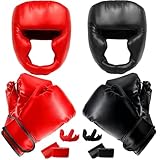
So, you’re getting into boxing, or maybe you’re just looking to get in shape with some bag work? Awesome! Boxing is a fantastic workout and a great way to learn self-defense. But before you step into the ring, or even just set up your heavy bag at home, you need the right gear. And the most crucial piece of equipment? Your boxing gloves.
Choosing the correct size boxing gloves is about more than just comfort; it’s about safety and performance. Too small, and you risk injuring your hands. Too big, and you’ll struggle with technique and might not get the protection you need. This guide is designed to walk you through everything you need to know about how to size boxing gloves, ensuring you get the perfect fit for your needs.
We’ll cover how to measure your hands, what factors to consider, and how to choose the right glove weight. Let’s get started!
Understanding Boxing Glove Sizing: A Comprehensive Guide
Boxing glove sizing isn’t rocket science, but it’s essential to get it right. The sizing of boxing gloves is primarily determined by two factors: hand circumference and glove weight. Let’s break down each of these aspects.
Hand Circumference: The Foundation of Fit
Your hand circumference is the most fundamental measurement for determining the right glove size. This measurement dictates the physical fit of the glove around your hand. Here’s how to measure it:
- Gather Your Materials: You’ll need a flexible measuring tape and a pen or pencil.
- Measure Your Dominant Hand: Extend your dominant hand (the one you write with) and keep your fingers together.
- Wrap the Tape: Wrap the measuring tape around the widest part of your hand, typically across the knuckles. Make sure the tape is snug but not too tight.
- Note the Measurement: Record the measurement in inches or centimeters.
- Account for Hand Wraps: Remember that you’ll be wearing hand wraps under your gloves. Add about half an inch (1.3 cm) to your hand circumference measurement to accommodate the wraps. This is crucial for a comfortable and safe fit.
Once you have your hand circumference measurement, you can refer to a sizing chart (more on that later) to determine the appropriate glove size.
Glove Weight: Beyond the Fit
While hand circumference determines the physical fit, glove weight is more about the purpose of the gloves. Glove weight is measured in ounces (oz) and represents the total weight of each glove. The weight influences the level of protection, the impact absorption, and the overall feel of the gloves. Heavier gloves offer more protection but might slow down your hand speed, whereas lighter gloves allow for quicker movements but offer less protection.
Here’s a breakdown of common glove weights and their typical uses:
- 8 oz Gloves: Typically used for professional fights and some amateur competitions, especially in lighter weight classes. These gloves offer minimal padding and are designed for speed and precision.
- 10 oz Gloves: Also often used in professional fights, particularly in the mid-weight classes. They offer slightly more padding than 8 oz gloves.
- 12 oz Gloves: Commonly used for sparring and training. They provide a balance of protection and speed. These are often the minimum weight recommended for sparring.
- 14 oz Gloves: Ideal for sparring, especially for heavier fighters or those who prefer more padding. These gloves offer excellent protection for both the wearer and their sparring partner.
- 16 oz Gloves: The most common choice for heavy bag work and sparring, offering maximum protection. They are often required in many gyms for sparring sessions.
The choice of glove weight also depends on your weight, training goals, and the type of training you’re doing (bag work, sparring, etc.). (See Also: Are Muay Thai Gloves The Same As Boxing Gloves )
Boxing Glove Sizing Charts: Your Quick Reference
Sizing charts are invaluable tools for selecting the right boxing gloves. These charts typically correlate hand circumference measurements with glove sizes and sometimes include weight recommendations. Keep in mind that sizing can vary slightly between brands, so always consult the manufacturer’s specific chart whenever possible.
Here’s a general boxing glove sizing chart. Please note this is a general guide; always check the manufacturer’s specific chart.
| Hand Circumference (with wraps) | Glove Size | Weight Recommendation | Typical Use |
|---|---|---|---|
| Under 7 inches (17.8 cm) | Youth/Small | 10-12 oz | Youth training, lighter bag work |
| 7 – 8 inches (17.8 – 20.3 cm) | Small/Medium | 12-14 oz | Bag work, light sparring |
| 8 – 9 inches (20.3 – 22.9 cm) | Medium/Large | 14-16 oz | Sparring, heavy bag work |
| Over 9 inches (22.9 cm) | Large/XL | 16 oz | Sparring, heavy bag work |
Important Note: This chart is a general guideline. Always prioritize the manufacturer’s specific sizing chart for the gloves you intend to purchase.
Choosing the Right Glove Weight Based on Your Needs
As mentioned earlier, glove weight is a critical consideration. Here’s a more detailed breakdown to help you make the right choice:
For Bag Work and Fitness Boxing
If you’re primarily using your gloves for heavy bag work or fitness boxing, the weight you choose should prioritize protection. 12 oz to 16 oz gloves are generally recommended for this purpose. The heavier weights offer more padding and help absorb the impact, protecting your hands and wrists. If you’re a heavier person (over 175 lbs), or if you are training with a heavy bag frequently, 16 oz gloves are likely the best choice.
For Sparring
Sparring requires a different approach to glove selection. Protection for both you and your sparring partner is paramount. 14 oz or 16 oz gloves are the standard for sparring in most gyms. The extra padding helps to minimize the risk of injury. Some gyms may even require a minimum weight (usually 16oz) for sparring sessions. Always check the specific rules and recommendations of your gym.
For Competition
Competition gloves are typically lighter than training gloves. Professional fights often use 8 oz or 10 oz gloves. Amateur competitions may use slightly heavier gloves, depending on the weight class and the rules of the sanctioning body. The focus shifts to speed and precision, but the level of protection is diminished compared to heavier training gloves. Always check the rules of the competition for specific glove weight requirements.
For Youth Boxers
Youth boxers require appropriately sized gloves that offer adequate protection. Glove weight often depends on the child’s weight and the type of training they are doing. 10 oz to 12 oz gloves are often suitable for youth training and light sparring. Always prioritize proper fit and cushioning to protect young hands and wrists. (See Also: Can You Wrestle In Boxing Shoes )
Material Matters: Glove Types and Considerations
The material of your boxing gloves also plays a role in their performance and longevity. Here’s a look at the common materials:
- Leather Gloves: Leather gloves are generally considered the premium choice. They offer excellent durability, breathability, and feel. High-quality leather gloves can last for years with proper care. They are often more expensive than synthetic options.
- Synthetic Leather Gloves: Synthetic leather gloves (often made from materials like polyurethane) are a more affordable option. They can still offer good performance and protection, but they may not be as durable as leather gloves. Synthetic gloves are a good option for beginners or those on a budget.
- Hybrid Gloves: Some gloves combine leather and synthetic materials. These can offer a good balance of durability, performance, and price.
Consider the lining of the gloves, too. A moisture-wicking lining helps to manage sweat and can extend the life of your gloves by reducing odor and wear.
Fit and Feel: Assessing Your Gloves
Once you’ve determined your size and weight, it’s time to try on the gloves. Here’s what to look for:
- Comfort: The gloves should feel comfortable on your hands. There shouldn’t be any pressure points or areas where the gloves feel too tight.
- Wrist Support: The gloves should provide good wrist support. The wrist closure should be secure and provide a snug fit.
- Thumb Placement: The thumb should sit comfortably in the thumb compartment.
- Padding: The padding should be evenly distributed across the knuckles and the back of the hand.
- Test the Fit with Hand Wraps: Always try on the gloves with hand wraps to ensure a proper fit.
- Movement: Make a fist and practice a few punches to see how the gloves feel during movement. You should be able to make a solid fist without excessive restriction.
If the gloves feel too tight, go up a size. If they feel too loose, consider a smaller size or a different brand. Remember that different brands may have slightly different sizing, so it’s always best to try them on if possible.
Hand Wraps: An Essential Component
Hand wraps are a crucial part of boxing gear, and they play a vital role in both protection and fit. They:
- Protect Your Hands: Hand wraps provide an extra layer of padding and support to your knuckles, wrists, and fingers, reducing the risk of injury.
- Absorb Sweat: Hand wraps absorb sweat, helping to keep your gloves clean and extending their lifespan.
- Improve Fit: Hand wraps add bulk to your hands, which helps to ensure a snug and secure fit inside your gloves.
Always wear hand wraps when using boxing gloves. They are as essential as the gloves themselves. Learn how to wrap your hands properly before you start training.
Troubleshooting Common Sizing Issues
Here are some common sizing issues and how to address them:
- Gloves Feel Too Tight: If your gloves feel too tight, especially around your knuckles or wrist, you likely need a larger size. Ensure you’re wearing hand wraps when trying them on.
- Gloves Feel Too Loose: If your gloves feel too loose, you may need to go down a size. Make sure your hand wraps are properly applied.
- Thumb Feels Uncomfortable: If your thumb feels pinched or restricted, the gloves may not fit your hand shape. Try a different brand or style.
- Wrist Support is Inadequate: If the wrist support feels insufficient, the gloves may be too large or the wrist closure may not be secure.
- Padding Feels Uneven: If the padding feels unevenly distributed, the gloves may be poorly made or not the right fit for your hand shape. Consider trying a different brand.
Don’t be afraid to experiment with different brands and styles until you find the perfect fit. Your hands and wrists will thank you. (See Also: Is Everlast Good Boxing Gloves )
Caring for Your Boxing Gloves
Proper care will extend the life of your boxing gloves and help maintain their performance. Here’s how to care for them:
- Air Them Out: After each use, allow your gloves to air dry completely. Don’t leave them in your gym bag.
- Use a Glove Deodorizer: Use a glove deodorizer or spray to eliminate odors and prevent bacteria growth.
- Clean the Exterior: Wipe down the exterior of your gloves with a damp cloth after each use to remove sweat and dirt.
- Avoid Extreme Heat: Don’t dry your gloves in direct sunlight or near a heat source.
- Store Properly: Store your gloves in a cool, dry place.
By following these tips, you can keep your gloves in top condition and ensure they last for years.
Where to Buy Boxing Gloves
You can purchase boxing gloves from a variety of sources:
- Specialty Boxing Stores: These stores typically have a wide selection of gloves and knowledgeable staff who can assist you with sizing and choosing the right gloves.
- Sporting Goods Stores: Large sporting goods stores often carry a selection of boxing gloves.
- Online Retailers: Online retailers offer a vast selection of gloves, often at competitive prices. Make sure to check the return policy before you buy.
- Brand Websites: Buying directly from the manufacturer’s website can sometimes provide the best selection and information.
When shopping online, carefully review the sizing charts and read customer reviews to ensure you’re getting the right fit.
Verdict
Choosing the right boxing gloves is a crucial step in your boxing journey. By understanding the factors that influence sizing, measuring your hands accurately, and considering your training goals, you can select gloves that provide the perfect fit, protection, and performance. Don’t rush the process, and take the time to find gloves that feel comfortable and supportive. Your hands will thank you!
Finding the right boxing glove size is crucial for both safety and optimal performance. By carefully measuring your hand, considering the intended use of the gloves, and understanding the differences between glove weights, you can make an informed decision. Remember to always prioritize a comfortable fit and to wear hand wraps for added protection. With the right gloves, you’ll be well-equipped to enjoy your boxing journey, whether you’re hitting the heavy bag or stepping into the ring.
Take your time, try on different gloves, and don’t hesitate to ask for help from experienced boxers or professionals at your local gym or sporting goods store. The perfect pair of gloves is out there, waiting for you to find them. Happy training!