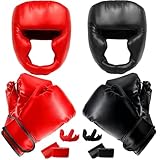
So, you’re looking to talk boxing in Spanish, eh? Whether you’re planning a trip to a Spanish-speaking country, following your favorite boxers’ careers, or just want to expand your vocabulary, knowing how to say ‘boxing gloves’ is a great starting point. It’s a fundamental term, and it opens the door to discussing training, matches, and the sport you love.
This guide will give you the precise translation, along with variations and context, so you can sound confident and natural. We’ll explore the nuances, provide examples, and even touch on related terms. Get ready to step into the ring of Spanish vocabulary!
The Basic Translation: ‘guantes De Boxeo’
The most straightforward and common way to say ‘boxing gloves’ in Spanish is ‘guantes de boxeo’. Let’s break it down:
- ‘Guantes’: This is the plural form of ‘guante,’ which means ‘glove.’
- ‘De’: This is a preposition that means ‘of’ or ‘from.’
- ‘Boxeo’: This means ‘boxing.’
Putting it all together, ‘guantes de boxeo’ literally translates to ‘gloves of boxing,’ which makes perfect sense. This is the phrase you’ll encounter most often in everyday conversations, in shops, and when reading about boxing.
Pronunciation: A Quick Guide
Pronouncing ‘guantes de boxeo’ correctly is crucial for clear communication. Here’s a phonetic breakdown:
- ‘Guantes’: Pronounced as ‘GWAN-tes’ (the ‘g’ is a hard ‘g’ sound, like in ‘go’).
- ‘De’: Pronounced as ‘deh’ (like the English word ‘day’ but with a softer ‘d’ sound).
- ‘Boxeo’: Pronounced as ‘bo-KSEH-oh’ (the ‘x’ is pronounced like ‘ks’).
Practice these sounds, and you’ll be well on your way to speaking like a native! You can find audio recordings online to help you with the pronunciation. Websites like Forvo or YouTube offer pronunciation guides.
Using ‘guantes De Boxeo’ in a Sentence
Here are some examples to help you integrate ‘guantes de boxeo’ into your conversations:
- ‘Necesito comprar unos guantes de boxeo nuevos.’ (I need to buy some new boxing gloves.)
- ‘¿Dónde puedo encontrar guantes de boxeo de buena calidad?’ (Where can I find good quality boxing gloves?)
- ‘El boxeador se puso los guantes de boxeo antes del combate.’ (The boxer put on his boxing gloves before the fight.)
Notice how the phrase fits naturally into different sentence structures. The key is to remember the word order and the plural form ‘guantes’ when referring to a pair.
Variations and Related Terms
While ‘guantes de boxeo’ is the core phrase, there are other terms you might encounter, depending on the context. Let’s explore some variations and related vocabulary to broaden your boxing-related Spanish. (See Also: Are Muay Thai Gloves The Same As Boxing Gloves )
Singular Form: ‘guante De Boxeo’
Although less common, you might see or hear ‘guante de boxeo’ (singular). This is used when referring to a single glove, or in a more general sense. For example, if you were discussing the design of a single glove, you might say, ‘El guante de boxeo tiene un diseño innovador.’ (The boxing glove has an innovative design.)
Specific Types of Gloves:
Just like in English, Spanish has terms for different types of boxing gloves. Here are a few:
- Guantes de entrenamiento: Training gloves. These are generally used for sparring and bag work.
- Guantes de combate: Fight gloves. These are used during actual matches. They often have different weight and padding requirements than training gloves.
- Guantes de saco: Bag gloves. These are designed specifically for hitting heavy bags. They typically have less padding than sparring or fight gloves.
Related Vocabulary
Expanding your vocabulary beyond ‘guantes de boxeo’ will significantly improve your ability to talk about boxing. Here’s a list of essential terms:
- Boxeador/Boxeadora: Boxer (male/female)
- Entrenador/Entrenadora: Trainer (male/female)
- Ring: Ring (the boxing ring)
- Combate: Fight/Match
- Round: Round
- KO (Knockout): KO (Knockout)
- Ganar: To win
- Perder: To lose
- Golpe: Punch
- Esquina: Corner
- Cuerda: Rope (of the ring)
- Protector bucal: Mouthguard
Example Sentences Using Related Vocabulary
- ‘El boxeador ganó el combate por KO.’ (The boxer won the fight by knockout.)
- ‘El entrenador le dio instrucciones en la esquina.’ (The trainer gave him instructions in the corner.)
- ‘Necesito un protector bucal antes de empezar a entrenar.’ (I need a mouthguard before starting to train.)
Shopping for Boxing Gloves in Spanish-Speaking Countries
If you plan to buy boxing gloves in a Spanish-speaking country, here are some phrases and tips to help you:
Useful Phrases for Shopping
- ‘¿Tienen guantes de boxeo?’ (Do you have boxing gloves?)
- ‘¿Qué talla de guantes de boxeo tienen?’ (What size boxing gloves do you have?)
- ‘¿Cuánto cuestan estos guantes de boxeo?’ (How much do these boxing gloves cost?)
- ‘¿Puedo probarme los guantes de boxeo?’ (Can I try on the boxing gloves?)
- ‘Busco unos guantes de boxeo de cuero.’ (I’m looking for leather boxing gloves.)
Understanding Sizes
Boxing gloves are often sized by weight, typically in ounces (oz). You may need to ask for assistance to understand the sizing conventions.
- 8 oz: Often used for lighter training or competition.
- 10 oz: Commonly used for competition.
- 12 oz, 14 oz, 16 oz: Used for heavier training, sparring, and for larger individuals, providing more padding.
Where to Buy
Sports stores, specialized boxing stores, and even some department stores will sell boxing gloves. Be prepared to ask for assistance if you need help finding the right size or type.
Cultural Context and Regional Variations
While ‘guantes de boxeo’ is widely understood, there might be subtle regional variations or colloquialisms in different Spanish-speaking countries. However, ‘guantes de boxeo’ is a universally recognized term.
Common Phrases in Different Regions
Although the core term remains consistent, here are some example sentences you might hear: (See Also: Can You Wrestle In Boxing Shoes )
- Spain: ‘Me voy a comprar unos guantes de boxeo nuevos.’ (I’m going to buy some new boxing gloves.)
- Mexico: ‘¿Dónde venden buenos guantes de boxeo?’ (Where do they sell good boxing gloves?)
- Argentina: ‘Necesito unos guantes de boxeo para entrenar.’ (I need some boxing gloves to train.)
- Colombia: ‘Voy a usar mis guantes de boxeo en el gimnasio.’ (I’m going to use my boxing gloves at the gym.)
Regional Slang
While ‘guantes de boxeo’ is the standard, be aware that slang terms might exist. However, the use of slang is less common when discussing equipment, especially when shopping.
Advanced Boxing Vocabulary for Enthusiasts
If you’re serious about boxing, expanding your vocabulary beyond the basics will help you follow matches, read articles, and discuss the sport with greater depth.
Technical Terms
- Jab: Jab (direct punch) – ‘El boxeador lanzó un jab rápido.’ (The boxer threw a quick jab.)
- Uppercut: Uppercut – ‘Le dio un uppercut devastador.’ (He gave him a devastating uppercut.)
- Hook: Hook (curving punch) – ‘Conectó un hook a la mandíbula.’ (He connected a hook to the jaw.)
- Defensa: Defense – ‘Su defensa era impecable.’ (His defense was impeccable.)
- Esquivar: To dodge – ‘Intentó esquivar el golpe.’ (He tried to dodge the punch.)
- Contraataque: Counterattack – ‘Lanzó un contraataque efectivo.’ (He launched an effective counterattack.)
- Volver a la esquina: To go back to the corner – ‘Después del round, volvió a la esquina.’ (After the round, he went back to the corner.)
- Peso: Weight (category) – ‘Está en la categoría de peso medio.’ (He’s in the middle weight category.)
- Arbitro: Referee – ‘El arbitro detuvo la pelea.’ (The referee stopped the fight.)
- Puntuación: Score – ‘La puntuación fue muy reñida.’ (The score was very close.)
Describing Boxing Styles
Knowing how to describe different boxing styles will enhance your conversations. Here are some terms:
- Estilo agresivo: Aggressive style
- Estilo defensivo: Defensive style
- Boxeador zurdo: Left-handed boxer
- Boxeador técnico: Technical boxer
- Boxeador fajador: Brawler
Example Sentences Using Advanced Vocabulary
- ‘El boxeador zurdo dominó con su jab.’ (The left-handed boxer dominated with his jab.)
- ‘Su defensa era tan buena que pudo esquivar todos los golpes.’ (His defense was so good that he could dodge all the punches.)
- ‘El arbitro detuvo la pelea debido al KO.’ (The referee stopped the fight due to the KO.)
Practice and Immersion
The best way to learn any language is through practice and immersion. Here are some tips to help you master boxing vocabulary in Spanish:
Watch Boxing in Spanish
Watching boxing matches with Spanish commentary is an excellent way to learn. You’ll hear the terms used in context and improve your listening comprehension. Many streaming services and sports channels offer Spanish-language broadcasts.
Read Boxing Articles and News
Reading boxing articles and news in Spanish exposes you to the vocabulary in written form. Online news sources and sports websites provide a wealth of material.
Use Flashcards and Language Learning Apps
Flashcards and language learning apps (like Duolingo, Memrise, or Anki) are helpful for memorizing vocabulary and practicing pronunciation. Create flashcards specifically for boxing terms.
Practice with a Language Partner
Find a language partner or tutor who speaks Spanish. Practice having conversations about boxing. This will help you improve your speaking and listening skills. (See Also: Is Everlast Good Boxing Gloves )
Immerse Yourself
If you have the opportunity, immerse yourself in a Spanish-speaking environment. Visit a boxing gym in a Spanish-speaking country, attend a boxing match, or simply interact with native speakers. The more you use the language, the faster you’ll learn.
Common Mistakes to Avoid
When learning new vocabulary, it’s easy to make mistakes. Here are some common pitfalls to avoid when talking about boxing in Spanish.
Incorrect Gender Agreement
Remember that ‘guantes’ is a masculine plural noun. Ensure that any adjectives or articles you use with ‘guantes’ agree in gender and number. For example, use ‘los’ (the, masculine plural) and not ‘las’ (the, feminine plural).
Confusing Similar Words
Be careful not to confuse similar-sounding words or those with related meanings. For example, ‘golpe’ (punch) and ‘golpear’ (to punch) are related, but one is a noun, and the other is a verb. Context is key.
Incorrect Prepositions
Pay attention to the prepositions used with different verbs and nouns. For example, you might say ‘golpear a alguien’ (to punch someone), using ‘a’ (to) before the person’s name.
Overgeneralization
Avoid overgeneralizing. While ‘guantes de boxeo’ is the most common term, be aware of the different types of gloves and the specific vocabulary associated with each type. Don’t simply use ‘guantes de boxeo’ when a more specific term is appropriate.
Mispronunciation
Work on your pronunciation. Mispronouncing words can lead to misunderstandings. Use online resources, audio recordings, and language partners to improve your pronunciation.
Verdict
Mastering how to say ‘boxing gloves’ in Spanish, along with related vocabulary, opens the door to a world of boxing-related conversations. By using ‘guantes de boxeo’ and understanding the context, you can confidently discuss the sport, shop for equipment, and even follow the careers of your favorite Spanish-speaking boxers. Remember to practice regularly, immerse yourself in the language, and don’t be afraid to make mistakes – it’s all part of the learning process. ¡Buena suerte!
You now have the essential knowledge to talk about boxing gloves in Spanish! You know the basic translation, pronunciation, variations, and related vocabulary. You’re ready to start using these terms in conversations, online, or when traveling. Keep practicing, and you’ll quickly become comfortable discussing the sweet science in Spanish.
Remember to listen to native speakers, read Spanish-language boxing news, and don’t be afraid to make mistakes. The more you use the language, the more natural it will become. ¡Ahora, a practicar y disfrutar del boxeo!