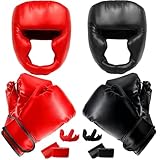
Choosing the right boxing gloves can feel overwhelming. There are so many options! But don’t worry, it doesn’t have to be complicated. This guide will break down everything you need to know about boxing glove sizes, from the basics of weight and ounces to the specific glove sizes for different activities. We’ll explore how glove size affects your protection, punching power, and overall training experience.
Understanding the factors that influence glove size is crucial for both safety and performance. Whether you’re a beginner lacing up for the first time or a seasoned pro, knowing the ins and outs of glove sizing will help you make informed decisions. We’ll cover everything from the differences between bag gloves and sparring gloves to the crucial role of hand size and weight.
We’ll also look at how to measure your hand, how to account for hand wraps, and how to choose the right size for your specific needs, be it bag work, sparring, or competition. Let’s get started!
Understanding Boxing Glove Weights (ounces)
The most common way boxing gloves are sized is by weight, measured in ounces (oz). This doesn’t refer to the physical size of the glove, but rather the amount of padding within the glove. The more padding, the heavier the glove.
The weight of the gloves directly impacts the protection offered and the training experience. Lighter gloves offer more speed and less protection, while heavier gloves provide more protection and build strength.
Here’s a breakdown of common boxing glove weights and their typical uses: (See Also: Are Muay Thai Gloves The Same As Boxing Gloves )
- 6-8 oz: These are typically used for youth training and competition. They are lighter, allowing for greater speed and agility. However, they offer less padding and protection.
- 10 oz: These are often used for professional competition. They provide a balance between speed and protection. They are usually the standard for professional bouts.
- 12 oz: These gloves are popular for general training, including bag work and light sparring. They offer a good balance of protection and speed.
- 14 oz: These gloves are commonly used for sparring. The additional padding provides more protection for both the wearer and their sparring partner.
- 16 oz: These are the heaviest gloves typically used. They are ideal for sparring and heavy bag work, offering maximum protection and helping to build strength and endurance.
- 18-20 oz: These are less common but are sometimes used for very heavy bag work or by very large individuals who need extra protection.
How Glove Weight Affects Your Training
The weight of your gloves significantly influences your training in several ways:
- Protection: Heavier gloves provide more padding, which means better protection for your hands and your sparring partner’s face during sparring sessions and heavy bag work. Lighter gloves offer less protection, which is why they are not recommended for sparring.
- Speed: Lighter gloves allow for faster hand speed. This is beneficial for practicing combinations and developing quick reflexes.
- Strength and Endurance: Training with heavier gloves can build strength and endurance in your arms and shoulders. The added weight forces you to work harder, which can lead to improved punching power over time.
- Technique: Heavier gloves can impact your technique. It’s crucial to maintain proper form, as the added weight can make it easier to develop bad habits. Conversely, lighter gloves can allow you to focus more on speed and precision.
Choosing the Right Glove Size: A Detailed Guide
Choosing the right glove size depends on several factors, including your weight, the type of training you’ll be doing, and your experience level. Here’s a step-by-step guide to help you choose the right size:
Step 1: Consider Your Weight
Your body weight is a primary factor in determining the appropriate glove size. Here’s a general guideline:
- Under 120 lbs: 12 oz gloves for training, 10 oz for competition.
- 120-150 lbs: 14 oz gloves for training and sparring, 10 oz or 12 oz for competition.
- 150-180 lbs: 16 oz gloves for training and sparring, 10 oz or 12 oz for competition.
- Over 180 lbs: 16 oz gloves for training and sparring, 12 oz for competition.
These are general guidelines, and individual needs may vary.
Step 2: Determine Your Training Type
The type of training you’ll be doing is another critical factor. Here’s how to choose based on your training activities: (See Also: Can You Wrestle In Boxing Shoes )
- Bag Work: For heavy bag work, you can usually use a lighter glove, such as 12 oz or 14 oz, if you’re lighter, or 14 oz or 16 oz if you’re heavier. However, always prioritize protection.
- Sparring: For sparring, always use heavier gloves, typically 14 oz or 16 oz, to provide maximum protection for both you and your sparring partner.
- Competition: Competition gloves are typically 10 oz, but this can vary depending on the governing body and weight class. Always check the rules of the competition.
- Fitness Boxing: For fitness boxing classes, where the focus is on cardio and light bag work, 12 oz or 14 oz gloves are usually sufficient.
Step 3: Consider Your Hand Size and Wraps
Your hand size and the use of hand wraps also influence glove size:
- Hand Size: If you have larger hands, you may need to go up a size, even if your weight suggests a smaller glove.
- Hand Wraps: Always wear hand wraps when using boxing gloves. Hand wraps add bulk to your hands, so you may need a larger glove size to accommodate them. Make sure you can comfortably close your fist with the wraps on.
Step 4: Try Before You Buy (if Possible)
The best way to ensure a good fit is to try on the gloves before you buy them. If you can’t try them on in person, read reviews and pay close attention to sizing charts provided by the manufacturer. Consider the style and brand; some brands may fit differently than others.
Step 5: Prioritize Comfort and Protection
Above all, prioritize comfort and protection. Your gloves should fit snugly but not too tightly. You should be able to make a fist comfortably without feeling restricted. Ensure that the gloves provide adequate padding to protect your hands and wrists.
Different Types of Boxing Gloves
There are several types of boxing gloves designed for different purposes. Understanding the differences between these types can help you choose the right gloves for your specific needs.
- Training Gloves: These are all-purpose gloves designed for a variety of training activities, including bag work, pad work, and light sparring. They typically come in 12 oz, 14 oz, and 16 oz weights. They offer a good balance of protection and versatility.
- Sparring Gloves: Sparring gloves are specifically designed for sparring. They have extra padding to protect both you and your sparring partner. They are usually heavier, typically 14 oz or 16 oz, and have a more rounded shape for safety.
- Bag Gloves: Bag gloves are designed specifically for heavy bag work. They are often lighter than training or sparring gloves, typically 10 oz or 12 oz, and have less padding. They are designed to provide more feedback from the bag and allow for faster hand speed. They are not recommended for sparring.
- Competition Gloves: These gloves are designed for use in official boxing matches. They are typically 10 oz and are made to meet specific regulations set by boxing organizations.
- Hybrid Gloves: Some gloves are designed to be a hybrid between bag gloves and training gloves, offering a balance of protection and versatility.
Boxing Glove Materials
The material of your boxing gloves impacts their durability, performance, and comfort. There are two primary materials used in boxing gloves: (See Also: Is Everlast Good Boxing Gloves )
- Leather: Leather gloves are generally considered the premium option. They are more durable, offer better performance, and tend to last longer than synthetic gloves. They also provide a better feel and breathability. However, they are typically more expensive.
- Synthetic Leather (PU or Vinyl): Synthetic leather gloves are a more affordable option. They are often made from polyurethane (PU) or vinyl. While they may not be as durable as leather, they can still provide good performance and protection. They are a good option for beginners or those on a budget.
How to Measure Your Hand for Boxing Gloves
Accurate hand measurement is essential for determining the correct glove size. Here’s how to measure your hand:
- Wrap your hand: Wrap a measuring tape around your knuckles, making sure to keep your fingers together.
- Measure the circumference: Note the circumference measurement in inches or centimeters.
- Consult a sizing chart: Use the manufacturer’s sizing chart to find the corresponding glove size based on your hand circumference.
- Consider your hand wraps: Remember to account for the added bulk of hand wraps when measuring your hand.
Boxing Glove Sizing Charts: General Guidelines
Sizing charts vary slightly between brands, but here’s a general guideline to help you get started. Remember to always consult the manufacturer’s specific sizing chart for the most accurate information.
| Weight | Ideal for | Typical Users |
|---|---|---|
| 6-8 oz | Youth training, competition | Children, light individuals |
| 10 oz | Professional competition | Professional boxers, some advanced amateurs |
| 12 oz | General training, bag work, light sparring | Beginners, intermediate boxers |
| 14 oz | Sparring, heavier training | Intermediate to advanced boxers, heavier individuals |
| 16 oz | Sparring, heavy bag work | Advanced boxers, heavier individuals, those prioritizing protection |
Note: These are general guidelines. Always check the manufacturer’s sizing chart and consider the advice above.
Maintaining Your Boxing Gloves
Proper care and maintenance can extend the life of your boxing gloves and ensure they remain in good condition. Here are some tips:
- Air them out: After each use, allow your gloves to air dry thoroughly. This helps prevent the build-up of moisture and bacteria.
- Use a glove deodorizer: Consider using a glove deodorizer or antimicrobial spray to eliminate odors and prevent bacterial growth.
- Clean the exterior: Wipe down the exterior of your gloves with a damp cloth after each use to remove sweat and dirt. For leather gloves, you can use a leather cleaner and conditioner.
- Store them properly: Store your gloves in a cool, dry place away from direct sunlight. Consider using a glove drying rack.
- Use hand wraps: Always wear hand wraps to absorb sweat and protect your hands and the interior of your gloves.
- Rotate gloves: If you train frequently, consider owning multiple pairs of gloves to allow each pair to fully dry out between uses.
Common Mistakes to Avoid
Avoiding common mistakes can help you choose the right gloves and stay safe.
- Not wearing hand wraps: Never skip hand wraps. They protect your hands and extend the life of your gloves.
- Choosing the wrong size: Ensure the gloves fit properly. Too small or too large gloves can lead to injury.
- Using the wrong gloves for sparring: Always use gloves designed for sparring to protect both you and your partner.
- Neglecting glove care: Proper care is essential to maintain your gloves and prevent bacterial growth and odors.
- Buying based on price alone: While budget is important, prioritize protection, fit, and quality over price.
Final Thoughts
Choosing the right boxing glove size is a crucial step in ensuring a safe and effective training experience. By understanding the role of glove weight, considering your training style and weight, and properly measuring your hand, you can make an informed decision. Remember to prioritize protection, comfort, and proper fit. Always consult manufacturer’s sizing charts, and don’t hesitate to try on gloves before you buy them. With the right gloves, you can focus on improving your technique and achieving your boxing goals.