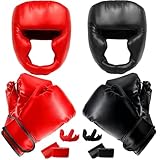
Ever wondered how someone could possibly type an email, a report, or even just a simple text message with boxing gloves on? It seems like an impossible feat, right? The sheer bulk and lack of dexterity would suggest that any attempt would result in utter frustration and a screen full of gibberish. Yet, the internet is full of videos and stories of people doing just that – typing with boxing gloves on.
This isn’t just a quirky party trick; it’s a fascinating challenge that reveals a lot about our relationship with technology and the surprising adaptability of the human brain. We’re going to explore the methods, the challenges, and the various techniques used to achieve this seemingly impossible task. Prepare to be amazed by the ingenuity and persistence of those who take on this unusual typing challenge.
Get ready to delve into the world of boxing glove typing. We’ll break down the process step-by-step, providing you with all the knowledge you need to understand this unique skill. Let’s find out how it’s done!
The Fundamental Challenges of Typing with Boxing Gloves
Before we get into the ‘how,’ let’s acknowledge the immense hurdles involved. Typing with boxing gloves is not like typing with mittens or even bulky winter gloves. Boxing gloves are specifically designed for impact absorption, making them large, stiff, and lacking in fine motor control. This presents several key challenges:
- Size and Bulk: Boxing gloves are, by their very nature, large and cumbersome. This makes it difficult to even see the keyboard, let alone accurately target the keys.
- Lack of Dexterity: The thick padding and rigid structure of the gloves severely limit finger movement. Fine adjustments and precise key presses are almost impossible.
- Reduced Tactile Feedback: The gloves significantly diminish the tactile feedback we rely on when typing. We can’t feel the keys, making it hard to know if we’ve successfully pressed a key.
- Visual Obstruction: The gloves often obstruct the view of the keyboard, forcing typists to rely heavily on memorization and spatial awareness.
Overcoming these challenges requires a combination of clever techniques, patience, and a good dose of determination. Let’s look at the different approaches people use to tackle this.
Method 1: The ‘hunt and Peck’ Approach (with Modifications)
The most basic approach, and often the starting point for beginners, is a modified version of the hunt-and-peck method. This involves: (See Also: Are Muay Thai Gloves The Same As Boxing Gloves )
- Visual Targeting: The typist relies heavily on looking at the keyboard and visually targeting each key. This is usually the slowest and least accurate method.
- Using the Palm or Fist: Instead of trying to use individual fingers, typists often use the palm or the side of the fist to press keys. This is possible due to the size of the gloves.
- Slow and Steady: Speed is sacrificed for accuracy. Typists using this method type very slowly, carefully aiming at each key.
The ‘hunt and peck’ method is the easiest to understand but also the most challenging to execute effectively. It demands significant patience and is highly dependent on the layout of the keyboard. For example, a larger keyboard with more space between keys might be easier to navigate than a compact laptop keyboard. Furthermore, the shape of the boxing gloves can influence the technique; some gloves have a more rounded shape, which may be more useful for pressing keys with the palm.
Enhancements to the Hunt and Peck Method
To improve this method, typists often employ the following strategies:
- Memorization: Memorizing the keyboard layout is crucial. The more familiar you are with the key positions, the less you need to rely on visual targeting.
- Keyboard Orientation: Tilting or adjusting the keyboard to a more comfortable angle can improve visibility and accessibility.
- Key Spacing: Choosing a keyboard with well-spaced keys can make it easier to target individual keys with the gloves.
Method 2: The ‘spatial Awareness’ Technique
This method takes the ‘hunt and peck’ approach to the next level by minimizing visual reliance and maximizing the use of spatial memory and muscle memory. Key elements include:
- Keyboard Familiarization: The typist spends significant time familiarizing themselves with the keyboard layout, ideally without the gloves. This includes memorizing the location of common keys and key combinations.
- Blind Typing: The typist attempts to type without looking at the keyboard, relying solely on their memory of the layout.
- Tactile Feedback (Indirect): While direct tactile feedback is limited, the typist uses the feel of the glove against the keys and the sounds of the keystrokes as indirect feedback.
The spatial awareness technique requires practice. The typist needs to develop a strong mental map of the keyboard layout. This method can lead to faster typing speeds than the ‘hunt and peck’ method, but it also has a higher learning curve. It’s often used by experienced typists who are comfortable with touch typing.
Tips for Improving Spatial Awareness
- Practice Without Gloves: Before attempting to type with gloves, practice typing without looking at the keyboard. This will build your muscle memory.
- Keyboard Shortcuts: Learn and utilize keyboard shortcuts for common tasks. This can significantly speed up the typing process.
- Focus on Key Clusters: Instead of trying to memorize the entire keyboard, focus on key clusters (e.g., the home row, the number keys).
Method 3: The ‘modified Gesture’ Approach
This approach combines elements of the previous methods with a focus on specific gestures and movements to activate keys. This can be especially effective for those with a background in martial arts or who have a good sense of spatial coordination. Key features include: (See Also: Can You Wrestle In Boxing Shoes )
- Predefined Gestures: The typist develops specific gestures or movements with their hands or arms to target key areas on the keyboard.
- Rhythmic Typing: The typing becomes more rhythmic and less focused on individual key presses.
- Muscle Memory Emphasis: This method relies heavily on muscle memory. The more the typist practices the gestures, the more automatic they become.
This technique can be surprisingly effective, especially with practice. It requires a good understanding of the keyboard layout and the ability to translate key positions into specific movements. The success of this method depends heavily on the individual’s ability to coordinate their movements and develop a consistent rhythm. It’s a creative approach that can produce impressive results.
Optimizing the Modified Gesture Approach
- Key Mapping: Some typists might remap keys on their computer to make the gestures more intuitive.
- Posture: Maintaining a good posture is important for this approach. It allows for better control and movement.
- Experimentation: It’s important to experiment with different gestures and find what works best.
Method 4: Utilizing Assistive Technologies
Beyond the primary typing techniques, some individuals leverage assistive technologies to improve their typing capabilities. These are not direct typing methods but tools that can enhance the overall experience.
- Speech-to-Text Software: While not technically typing with boxing gloves, using speech-to-text software allows the user to dictate text, bypassing the need to physically type altogether. This is the most efficient way to generate text with boxing gloves on.
- Custom Keyboard Layouts: Some users might create custom keyboard layouts that are easier to navigate with boxing gloves. This can involve rearranging keys or using larger key sizes.
- Ergonomic Keyboards: Using an ergonomic keyboard can help improve comfort and reduce strain, which is especially important when typing with gloves.
Assistive technologies can significantly impact the effectiveness of typing with boxing gloves. Speech-to-text, in particular, offers a substantial advantage by removing the physical typing barrier. Custom keyboard layouts can also provide a more user-friendly typing experience.
Choosing the Right Equipment
The type of equipment used can significantly impact your success in typing with boxing gloves. Here’s what to consider:
- The Boxing Gloves: The size, shape, and padding of the gloves matter. Smaller gloves or gloves with a more flexible design might be easier to use. The tightness of the gloves also affects dexterity.
- The Keyboard: A keyboard with well-spaced keys is preferable. A keyboard with larger keys or a layout that is easy to memorize will be better.
- The Computer: Any computer will work, but using assistive technologies might require specific software or hardware compatibility.
A Comparison Table of Typing Methods
To help you understand the strengths and weaknesses of each method, here’s a comparison table: (See Also: Is Everlast Good Boxing Gloves )
| Method | Description | Pros | Cons |
|---|---|---|---|
| Hunt and Peck (Modified) | Visually targeting keys, using palm or fist. | Simple to understand, easy to start with. | Slow, inaccurate, relies heavily on vision. |
| Spatial Awareness | Blind typing, relying on memory. | Faster than hunt and peck, can be more accurate. | Requires significant practice and memorization. |
| Modified Gesture | Using specific hand movements for key presses. | Potentially fast, creative and engaging. | Requires good coordination, can be challenging to learn. |
| Assistive Technologies | Using speech-to-text or custom layouts. | Most efficient, bypasses physical typing. | Requires software or hardware. |
Practice, Patience, and Persistence
Regardless of the method you choose, success in typing with boxing gloves requires consistent practice, patience, and persistence. Here are some tips:
- Start Slowly: Don’t try to type quickly at first. Focus on accuracy and building muscle memory.
- Practice Regularly: Consistent practice is key. Even short practice sessions are more effective than infrequent, long ones.
- Take Breaks: Typing with boxing gloves can be physically and mentally tiring. Take regular breaks to avoid fatigue.
- Stay Positive: Don’t get discouraged if you don’t see results immediately. It takes time and effort to master this skill.
Beyond Practicality: Why Do It?
Typing with boxing gloves is not a practical skill in the traditional sense. It’s not something you’d do for everyday tasks. So, why do people do it?
- Challenge and Fun: It’s a unique and fun challenge. It’s a way to test your skills and see what you’re capable of.
- Problem-Solving: It requires creative problem-solving and thinking outside the box.
- Entertainment: It’s a great party trick or a way to entertain others.
- Breaking Boundaries: It highlights the adaptability of the human brain and the potential to overcome seemingly impossible obstacles.
Typing with boxing gloves is a testament to human ingenuity. It’s a reminder that with a little creativity and persistence, we can achieve things that seem impossible. It’s a fun and engaging way to challenge yourself and explore the limits of your abilities.
The Future of Boxing Glove Typing
While the act of typing with boxing gloves is unlikely to become a mainstream skill, the techniques and approaches used offer interesting insights into human-computer interaction and adaptive technology. The principles of memorization, spatial awareness, and muscle memory can be applied to other areas, such as designing more accessible interfaces or developing new input methods for people with disabilities. The future of typing with boxing gloves is less about practicality and more about exploring the boundaries of human capability and creative problem-solving.
As technology continues to evolve, we might see new innovations that make typing with gloves more accessible or efficient. The development of haptic feedback systems or augmented reality interfaces could provide new ways to interact with a keyboard. Even more importantly, the spirit of curiosity and the desire to push boundaries will continue to inspire people to explore unconventional challenges.
Final Thoughts
Typing with boxing gloves on presents a fascinating challenge that showcases human adaptability and creativity. It’s a testament to our ability to overcome seemingly insurmountable obstacles. While it’s not a practical skill, the techniques employed offer valuable insights into memory, coordination, and how we interact with technology. The most successful typists rely on a combination of memorization, spatial awareness, and creative problem-solving. It’s a fun and engaging activity that highlights the potential of the human mind.
The journey of learning to type with boxing gloves is a journey of persistence and innovation. It’s a reminder that with a little creativity and determination, we can accomplish tasks that seem impossible. Whether you’re a curious observer or someone considering taking on the challenge, the key takeaways are practice, patience, and a willingness to explore new ways of interacting with the world.