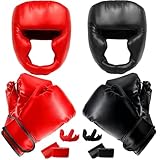
Ever wondered about the size of those bulky gloves boxers wear? You’re not alone! Boxing gloves are a critical piece of equipment, and their size isn’t just about looking intimidating. It directly impacts your safety, the force of your punches, and the type of training or competition you’re involved in. Choosing the right size is essential for both protection and performance.
This guide will break down everything you need to know about boxing glove sizes, from the ounces to the fit. We’ll explore the different weights, what they mean, and how to select the perfect pair for your needs. Whether you’re a seasoned fighter or just starting, understanding boxing glove sizing is a fundamental step in your boxing journey.
Let’s get started and clear up any confusion surrounding boxing glove sizes. We’ll cover everything from the basics to the nuances, ensuring you’re well-informed and ready to make the right choice for your training or competition.
Understanding Boxing Glove Weights (ounces)
Boxing gloves are primarily measured by weight, expressed in ounces (oz). This weight represents the padding in the glove, not the overall size. The heavier the glove, the more padding it has, and typically, the more protection it offers. The range of weights is quite broad, catering to different training needs and competitive levels.
The Significance of Ounce Weight
The ounce weight of a boxing glove is crucial because it directly influences several aspects of your training and fighting:
- Protection: Heavier gloves provide more padding, reducing the impact on your hands, wrists, and knuckles. This is especially important for beginners or those training frequently.
- Impact: While heavier gloves offer more protection, they also absorb more of the force from your punches. This means you might not feel the full impact when hitting a heavy bag or sparring. Conversely, lighter gloves allow for more direct impact, which can be beneficial for specific training drills or competitions.
- Speed and Agility: Lighter gloves allow for faster hand speed and more agility. This is why fighters often use lighter gloves during speed drills and shadowboxing.
- Endurance: Training with heavier gloves can help build endurance in your arms and shoulders, as you’re working against more resistance.
Common Boxing Glove Weights and Their Uses
Here’s a breakdown of common boxing glove weights and their typical applications:
- 6oz – 8oz: These are typically used for youth boxing, small hands, or competitions where speed and impact are prioritized. They offer minimal padding.
- 10oz: Commonly used in professional fights. These gloves provide a balance between protection and impact. They are often the standard for televised matches.
- 12oz: A popular choice for sparring and bag work for those weighing under 150 lbs. They offer a good balance of protection and training versatility.
- 14oz: Frequently used for sparring, especially by fighters over 150 lbs. They provide increased protection for both the wearer and the sparring partner.
- 16oz: Recommended for sparring and heavy bag work for all weight classes. They offer the most protection and are often mandatory in many gyms for sparring sessions.
- 18oz+: These are less common but are used for specific training purposes, such as building strength and endurance. They are typically used by larger fighters or for specialized drills.
Factors Influencing Glove Weight Choice
Several factors should be considered when selecting the appropriate glove weight:
- Your Weight: Heavier individuals often require heavier gloves for adequate protection.
- Training Purpose: Sparring requires heavier gloves than speed drills.
- Experience Level: Beginners should prioritize protection and often benefit from heavier gloves.
- Gym Rules: Many gyms have specific requirements for sparring glove weights.
- Competition Rules: Professional fights have specific weight regulations.
How to Determine Your Boxing Glove Size
Choosing the right boxing glove size involves more than just the ounce weight. The fit is crucial for both comfort and performance. Here’s a step-by-step guide to help you find the perfect fit:
1. Consider Your Weight
As mentioned earlier, your body weight is a primary factor. Here’s a general guideline:
- Under 150 lbs: 12oz or 14oz gloves are often suitable for sparring.
- Over 150 lbs: 14oz or 16oz gloves are recommended for sparring and heavy bag work.
- For training on the heavy bag: You can often use gloves that are a bit lighter than those for sparring.
2. Measure Your Hand
Accurate hand measurements can help you select the right size. Here’s how to measure:
- Wrap a Measuring Tape: Wrap a flexible measuring tape around your palm, just below your knuckles, excluding your thumb.
- Make a Fist: Make a fist as if you were punching.
- Record the Measurement: Note the circumference of your hand in inches.
Use this measurement to consult a sizing chart (see below). Hand size affects the overall fit of the glove, not just the weight.
3. Sizing Charts and Guidelines
Boxing glove manufacturers often provide sizing charts. These charts typically correlate hand circumference and weight with glove size. Remember that sizing can vary slightly between brands, so always consult the specific brand’s chart.
Here’s a sample sizing chart (Note: This is an example, always refer to the manufacturer’s specific chart):
| Hand Circumference (inches) | Recommended Glove Size | Typical Use |
|---|---|---|
| Under 7 | 10oz – 12oz | Youth/Training |
| 7 – 8 | 12oz – 14oz | Sparring/Training |
| 8 – 9 | 14oz – 16oz | Sparring/Heavy Bag |
| Over 9 | 16oz+ | Sparring/Heavy Bag |
Keep in mind that this is a general guide, and you might need to adjust based on the specific glove model and your personal preference. (See Also: Are Muay Thai Gloves The Same As Boxing Gloves )
4. Try Before You Buy (if Possible)
The best way to ensure a good fit is to try on the gloves. If possible, visit a local sporting goods store or boxing gym to try on different sizes and models. Pay attention to how the gloves feel on your hand, particularly in the following areas:
- The Fit of the Hand Compartment: Your hand should fit snugly without feeling overly constricted.
- Wrist Support: The wrist closure should provide adequate support and secure the glove in place.
- Comfort: The interior should be comfortable, with no pressure points or areas that cause discomfort.
5. Consider Hand Wraps
Always factor in hand wraps when determining your glove size. Hand wraps add bulk to your hands, so you might need to go up a size if you use them.
Important Tip: Make sure you have enough room in the glove to comfortably wear your hand wraps. If the gloves are too tight with wraps, they will restrict blood flow and could potentially cause injury.
Different Types of Boxing Gloves
Boxing gloves are not a one-size-fits-all product. Different types of gloves are designed for specific purposes, each with its unique features and sizing considerations.
Training Gloves
Purpose: Training gloves are designed for general training, including heavy bag work, pad work, and some light sparring. They typically offer a balance of protection, comfort, and durability.
Features:
- Padding: Usually made with multi-layer foam padding for shock absorption.
- Materials: Often made of durable materials like synthetic leather or genuine leather.
- Wrist Support: Good wrist support is essential to prevent injuries.
- Closure: Velcro closures are common for easy on and off, while lace-up gloves offer a more secure fit.
Sizing: Training gloves are available in a range of weights, from 12oz to 16oz or even heavier. The appropriate weight depends on your weight, the type of training, and the gym’s requirements.
Sparring Gloves
Purpose: Sparring gloves are specifically designed for sparring sessions. They prioritize protection for both the wearer and the sparring partner.
Features:
- Thicker Padding: Sparring gloves usually have more padding than training gloves, especially on the knuckles and the back of the hand.
- Safety Features: Features like a padded knuckle area and a secure wrist closure are crucial.
- Comfort: While protection is paramount, comfort is also important during long sparring sessions.
Sizing: Sparring gloves are typically 14oz or 16oz, although some fighters might use even heavier gloves, depending on their weight and the gym’s rules. The heavier weight provides extra protection.
Competition Gloves
Purpose: Competition gloves are used during actual boxing matches. They are designed to meet the specific regulations of boxing organizations.
Features:
- Specific Weight: Competition gloves come in specific weights, usually 8oz or 10oz for professional matches, depending on the weight class.
- Material: Often made of high-quality leather.
- Design: Designed to provide protection while allowing for maximum punching power.
Sizing: The size is determined by the weight requirements of the fight and the fighter’s weight class. The fit is often more tailored and precise compared to training or sparring gloves. (See Also: Can You Wrestle In Boxing Shoes )
Bag Gloves
Purpose: Bag gloves are specifically designed for heavy bag work and pad work. They provide less padding than sparring gloves but more protection than hand wraps alone.
Features:
- Less Padding: Bag gloves generally have less padding than training gloves, designed for focused impact.
- Durability: Built to withstand repeated impact.
- Compact Design: Often more compact and streamlined than other glove types.
Sizing: Bag gloves are available in various weights, but they tend to be lighter than sparring gloves. The typical range is from 10oz to 14oz, depending on your weight and training needs. Some people prefer using training gloves for bag work, as they offer more protection.
Hybrid Gloves
Purpose: Hybrid gloves are designed to be versatile and suitable for multiple training purposes, such as bag work, pad work, and light sparring.
Features:
- Balanced Padding: They offer a balance of protection and impact.
- Versatility: Can be used for a variety of training activities.
- Cost-Effective: Often more affordable than buying separate gloves for different purposes.
Sizing: Hybrid gloves are generally available in the 12oz to 16oz range, providing a good balance of protection and versatility. Consider your weight and training style when selecting the right weight.
Choosing the Right Type of Glove
The best type of boxing glove depends on your training goals and experience level. Beginners often benefit from training gloves for their versatility, while experienced fighters might invest in separate gloves for sparring, bag work, and competition. Consider the following:
- Training Frequency: If you train frequently, invest in durable gloves.
- Training Style: If you focus on heavy bag work, bag gloves or training gloves might be suitable.
- Sparring Frequency: If you spar regularly, sparring gloves are essential.
- Competition Requirements: If you compete, make sure you meet the weight and type requirements of the governing body.
Maintenance and Care for Your Boxing Gloves
Proper care and maintenance can significantly extend the lifespan of your boxing gloves and ensure they remain in good condition for your training sessions.
1. Cleaning Your Gloves
Cleaning your gloves regularly is essential to prevent the buildup of bacteria and sweat, which can cause odors and damage the materials.
- Wipe Down After Each Use: After each training session, wipe down the exterior of your gloves with a damp cloth to remove sweat and dirt.
- Air Dry: Allow your gloves to air dry completely after each use. Avoid placing them in direct sunlight or near heat sources, as this can damage the materials.
- Use a Glove Deodorizer: Consider using a glove deodorizer or a spray specifically designed for boxing gloves to eliminate odors and prevent bacterial growth.
- Interior Cleaning: Occasionally, you can clean the interior of your gloves. Use a damp cloth with a mild soap solution, but ensure the gloves are completely dry before your next training session.
2. Storing Your Gloves
Proper storage is crucial to maintain the shape and condition of your gloves.
- Store in a Well-Ventilated Area: Avoid storing your gloves in a damp or enclosed space, as this can promote the growth of mold and mildew.
- Use Glove Deodorizers or Inserts: Place glove deodorizers or inserts inside your gloves when not in use to absorb moisture and maintain their shape.
- Avoid Compressing Your Gloves: Avoid placing heavy objects on top of your gloves or storing them in a way that compresses the padding.
3. Hand Wraps and Hygiene
Hand wraps are essential for hygiene and protection. They absorb sweat and help to keep your gloves clean.
- Always Use Hand Wraps: Always wear hand wraps when training with your boxing gloves.
- Wash Your Hand Wraps Regularly: Wash your hand wraps after each use to prevent the buildup of bacteria and odors.
4. Inspecting Your Gloves
Regularly inspect your gloves for wear and tear.
- Check for Tears and Damage: Check for any tears, cracks, or damage to the stitching or padding.
- Replace Worn Gloves: Replace your gloves if the padding is compressed or the materials are damaged. The protection offered by worn gloves diminishes, increasing the risk of injury.
Common Mistakes in Boxing Glove Sizing
Avoiding common sizing mistakes will ensure you choose the right gloves for your training and competition needs. Here are some of the most frequent errors: (See Also: Is Everlast Good Boxing Gloves )
1. Choosing the Wrong Weight Based on Experience
Many beginners make the mistake of choosing gloves that are too light, thinking they will improve their speed. However, lighter gloves can lead to insufficient protection and increase the risk of injury. Prioritize protection, especially when starting.
Solution: Start with heavier gloves (14oz or 16oz) for sparring and heavy bag work to ensure adequate protection. As you gain experience, you can adjust the weight based on your training needs.
2. Overlooking Hand Wraps
Failing to consider hand wraps when sizing gloves is another common mistake. Hand wraps add bulk to your hands, and if you don’t account for this, your gloves might be too tight.
Solution: Always wear hand wraps when trying on gloves, and ensure there is enough room for your hands to fit comfortably. If you’re between sizes, it’s often better to go up a size to accommodate the hand wraps.
3. Ignoring Hand Measurement
Relying solely on weight or guessing the size without measuring your hand is another common error. Hand measurements provide a more accurate starting point for selecting the right size.
Solution: Measure your hand circumference and use a sizing chart to determine the appropriate glove size. Remember that sizing charts can vary between brands, so always consult the manufacturer’s specific chart.
4. Prioritizing Aesthetics Over Function
Choosing gloves based on their appearance rather than their functionality and protection is a mistake. The primary purpose of boxing gloves is to protect your hands and wrists.
Solution: Prioritize gloves that offer adequate padding, wrist support, and a comfortable fit. The appearance is secondary to the glove’s ability to protect you during training and competition.
5. Neglecting the Type of Training
Using the same gloves for all types of training is a common mistake. Different training activities require different glove weights and features.
Solution: Invest in different types of gloves for different training purposes. For example, use heavier gloves for sparring, bag gloves for heavy bag work, and lighter gloves for speed drills.
6. Not Trying on Gloves Before Buying
Buying gloves without trying them on is a gamble. The fit can vary significantly between brands and models. It is best to try the gloves on before purchasing.
Solution: If possible, visit a local sporting goods store or boxing gym to try on different sizes and models. Pay attention to how the gloves feel on your hand, particularly in the areas of the hand compartment, wrist support, and comfort.
Conclusion
Choosing the right boxing glove size is crucial for both your safety and performance. Understanding the relationship between glove weight, hand size, and training purpose is essential. Remember to consider your weight, measure your hand, and consult sizing charts. Don’t forget to factor in hand wraps, and try on the gloves before purchasing, if possible.
By following these guidelines and understanding the different types of boxing gloves, you’ll be well-equipped to make an informed decision. Proper care and maintenance of your gloves will also extend their lifespan and ensure they continue to protect you during your training. Investing the time to select the right gloves is an investment in your boxing journey.