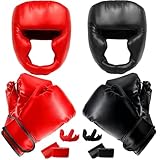
Ever wondered about the size of those massive boxing gloves you see in the ring or at the gym? It’s not just about the length of your hand or the style of the glove. The weight and size of boxing gloves are crucial factors influencing your training, sparring, and even your competition performance. Understanding these dimensions is more important than you might think.
Choosing the correct size isn’t just about comfort; it’s about safety, the type of training you’re doing, and the level of protection you need. A poorly fitted glove can lead to injuries, while the right size can optimize your performance and protect your hands and wrists. This guide will walk you through everything you need to know about the dimensions of large boxing gloves, helping you make informed decisions for your boxing journey.
We will delve into the standard sizes, how they’re measured, the impact of glove weight, and how to choose the right pair for your needs. Whether you’re a seasoned boxer or just starting, this will give you a clear understanding of the dimensions involved in your boxing gloves.
Understanding Boxing Glove Sizing: A Comprehensive Guide
Boxing gloves are primarily sized by weight, measured in ounces (oz). This weight directly impacts the glove’s size, padding, and overall dimensions. While the hand size can affect the fit, the weight is the primary indicator of the glove’s size. Different glove weights are designed for various purposes, from training to competition. Let’s look at how this works.
The Importance of Glove Weight
The weight of a boxing glove is not just a random number; it’s a critical factor that affects several aspects of your training and fighting. Heavier gloves provide more padding, offering greater protection for your hands and your sparring partner’s face. They also increase the resistance during training, building strength and endurance. Lighter gloves, on the other hand, are often preferred for competition and speed work, as they allow for quicker hand movements.
The weight of the glove also influences the impact of your punches. Heavier gloves make your punches slower, making it easier to control your power. Lighter gloves allow for faster punches but can also increase the risk of injury if proper technique isn’t used.
Standard Boxing Glove Weights
Boxing gloves come in various weights, ranging from 6 oz to 20 oz or more. The most common weights used in training and competition are 10 oz, 12 oz, 14 oz, and 16 oz. Each weight has its specific use:
- 6-8 oz: Typically used for youth and amateur competitions.
- 10 oz: Commonly used in professional fights, offering a balance between speed and protection.
- 12 oz: Often used for sparring and training, providing more padding than 10 oz gloves.
- 14 oz: Ideal for sparring, offering increased protection and hand conditioning.
- 16 oz: Used for heavier bag work and sparring, providing the most protection.
Note: The weight of the glove is usually printed on the cuff of the glove for easy identification. (See Also: Are Muay Thai Gloves The Same As Boxing Gloves )
How Glove Weight Affects Size and Dimensions
As the weight of a boxing glove increases, so does its overall size and dimensions. The heavier the glove, the more padding it contains, and the larger its surface area. This means a 16 oz glove will be larger and have a greater surface area than a 10 oz glove. This increased size and padding are critical for protecting both the wearer and the opponent during sparring or heavy bag work.
The dimensions of a glove aren’t just about the length and width of the hand compartment. They also involve the thickness of the padding, the overall circumference, and the size of the striking surface. These dimensions vary by weight and the manufacturer. The increased padding in heavier gloves makes them bulkier, which can impact your hand speed and agility.
Measuring Boxing Glove Dimensions
While the weight is the primary indicator of size, other dimensions are also important. These include the length and width of the hand compartment, the thickness of the padding, and the overall circumference of the glove. Unfortunately, there isn’t a standardized way to measure these dimensions across all manufacturers. However, here’s a general guide:
- Hand Compartment Length: The internal length of the glove from the wrist to the fingertips.
- Hand Compartment Width: The width of the hand compartment across the knuckles.
- Padding Thickness: The thickness of the padding at the knuckle area.
- Overall Circumference: The measurement around the widest part of the glove.
Important Note: Measurements can vary significantly between brands and glove styles. Always check the manufacturer’s size chart before purchasing.
Factors Affecting Glove Size Selection
Several factors should influence your choice of boxing glove size. These include your weight, the type of training you’re doing, and the level of protection you need. Here’s a breakdown:
- Your Weight: Heavier individuals typically need heavier gloves for adequate protection.
- Training Type: For bag work, heavier gloves (14 oz or 16 oz) are best. For sparring, 14 oz or 16 oz gloves are recommended. For competition, 10 oz gloves are often used.
- Experience Level: Beginners should choose heavier gloves for added protection.
- Hand Size: While weight is the primary factor, hand size can also affect the fit. Make sure the glove fits comfortably without being too tight or too loose.
Glove Material and Its Impact on Size
The material of the boxing glove can also affect its size and feel. Gloves are typically made from leather or synthetic materials like polyurethane (PU) or vinyl. Leather gloves often feel more substantial and can be more durable than synthetic gloves. The quality of the material affects the overall size and flexibility of the glove. Higher-quality materials may allow for a more streamlined design while maintaining adequate padding.
Detailed Look at Large Boxing Gloves (14 Oz and 16 Oz)
Large boxing gloves, typically 14 oz and 16 oz, are designed primarily for sparring, heavy bag work, and intense training. These gloves offer the most protection due to the increased padding. Here’s a closer look: (See Also: Can You Wrestle In Boxing Shoes )
- 14 oz Gloves: A popular choice for sparring, providing a good balance between protection and hand speed. They offer more padding than 12 oz gloves, making them suitable for longer sparring sessions.
- 16 oz Gloves: The largest gloves commonly used in training. These are ideal for heavy bag work and sparring, offering maximum protection for both the wearer and the partner. The extra padding adds bulk, which can help improve your strength and endurance.
Key Features of Large Gloves:
- Thicker Padding: Providing superior shock absorption.
- Larger Surface Area: Reducing the impact force on the opponent.
- Increased Wrist Support: Often featuring reinforced wrist closures for added stability.
Glove Styles and Their Impact on Size
Different boxing glove styles can also influence the overall size and feel. The main styles include:
- Training Gloves: Designed for general training, including heavy bag work, mitt work, and sparring.
- Sparring Gloves: Specifically designed for sparring, with extra padding and a focus on safety.
- Competition Gloves: Designed for professional fights, often smaller and lighter to allow for maximum speed and power.
The style of the glove can affect its dimensions. For example, sparring gloves often have a larger profile and more padding than competition gloves. The fit and feel of the glove will also vary depending on the style.
How to Choose the Right Size Glove
Selecting the correct glove size requires careful consideration of several factors. Here’s a step-by-step guide:
- Determine Your Weight: Use your body weight to determine the appropriate glove weight. Heavier individuals typically require heavier gloves.
- Consider Your Training Type: Choose gloves that are suitable for your training activities. For example, use heavier gloves for bag work and sparring.
- Check the Manufacturer’s Size Chart: Each manufacturer may have different sizing guidelines. Always consult the size chart before making a purchase.
- Try Them On: If possible, try on the gloves to ensure a comfortable fit. The gloves should fit snugly without restricting movement.
- Consider the Material: Leather gloves may stretch slightly over time, while synthetic gloves may maintain their shape.
Important Tip: If you’re unsure, it’s always better to choose a slightly larger glove than a smaller one, especially for sparring.
Caring for Your Boxing Gloves
Proper care of your boxing gloves will extend their lifespan and maintain their performance. Here are some tips:
- Air Them Out: After each use, allow your gloves to air dry to prevent moisture buildup and odor.
- Use Glove Deodorizers: Use glove deodorizers to absorb moisture and eliminate odors.
- Clean the Exterior: Wipe down the exterior of the gloves with a damp cloth after each use.
- Store Properly: Store your gloves in a cool, dry place away from direct sunlight.
- Use Hand Wraps: Always wear hand wraps to absorb sweat and provide additional support.
Comparing Glove Sizes: A Quick Reference
Here’s a table summarizing the common boxing glove sizes and their typical uses: (See Also: Is Everlast Good Boxing Gloves )
| Glove Weight | Typical Use | Protection Level |
|---|---|---|
| 6-8 oz | Youth/Amateur Competition | Low to Moderate |
| 10 oz | Professional Fights | Moderate |
| 12 oz | Sparring/Training | Moderate to High |
| 14 oz | Sparring/Heavy Bag | High |
| 16 oz | Sparring/Heavy Bag | Very High |
Note: These are general guidelines, and individual needs may vary.
Where to Buy Boxing Gloves
Boxing gloves are available from various sources, including:
- Specialty Boxing Stores: Offer a wide selection and expert advice.
- Sporting Goods Stores: Carry a range of brands and sizes.
- Online Retailers: Provide a vast selection and competitive prices.
Before buying, read reviews and compare prices. Consider the brand reputation and the glove’s features.
Common Mistakes to Avoid
Avoid these common mistakes when choosing boxing gloves:
- Choosing the wrong weight: Select the appropriate weight based on your training needs and weight.
- Ignoring the fit: Ensure the gloves fit comfortably and securely.
- Not using hand wraps: Always wear hand wraps for protection and support.
- Neglecting glove care: Proper care will prolong the life of your gloves.
By avoiding these mistakes, you can ensure you select the best boxing gloves for your needs.
By following these guidelines, you can choose the right boxing gloves to support your training and protect yourself in the ring.
Conclusion
Choosing the right size of boxing gloves is a critical decision that impacts your training, safety, and performance. Understanding the relationship between glove weight, size, and your specific needs is essential for any boxer. From the increased padding of 16 oz gloves to the speed-focused design of 10 oz gloves, each size serves a distinct purpose.
Prioritize your safety and training goals when selecting your gloves. Consider factors like your weight, training type, and the level of protection you require. By taking the time to understand the dimensions and features of boxing gloves, you’ll be well-equipped to make an informed choice that supports your boxing journey. Remember to try on gloves, consult size charts, and care for your equipment to ensure their longevity and your continued safety in the ring.