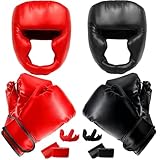
Ever wondered about the size of those boxing gloves you see in the ring? Or perhaps you’re a beginner boxer, confused about which gloves to choose? The world of boxing equipment can seem complex, but it’s essential to get it right. Choosing the correct glove size is crucial for your safety and performance. Different boxing organizations have their own standards, and one of the most recognized is the World Boxing Council (WBC).
This guide will give you a complete understanding of WBC boxing glove sizes, their purpose, and what you need to know to make the best choice. We’ll explore the factors that influence glove size, the specific regulations set by the WBC, and how to select the right gloves for your training and competition needs. Get ready to step into the ring with confidence, armed with the knowledge of WBC boxing glove sizes!
Understanding Boxing Glove Sizes
Boxing gloves, unlike everyday gloves, are measured by weight, usually in ounces (oz). The weight of a glove directly relates to the amount of padding it contains. This padding is designed to protect both the boxer’s hands and their opponent from injury. The heavier the glove, the more padding it has, and the more protection it offers. The size isn’t just about the physical dimensions; it’s primarily about the weight and the protection it provides.
Different boxing organizations and training facilities may have their own recommendations and regulations regarding glove sizes. It’s essential to be aware of these differences, especially if you plan to compete or train in a structured environment. The WBC, as a leading sanctioning body, has specific guidelines that boxers and trainers must adhere to.
Factors Influencing Glove Size
Several factors influence the appropriate boxing glove size for an individual. These include:
- Weight of the Boxer: This is the most critical factor. Heavier boxers typically use heavier gloves for increased protection.
- Training vs. Competition: Training gloves often differ from competition gloves. Training gloves are usually heavier to provide more protection during sparring and pad work.
- Type of Training: Different types of training, such as heavy bag work, sparring, or mitt work, may require different glove sizes.
- Skill Level: Beginners might start with heavier gloves for added protection, while more experienced boxers may prefer lighter gloves for speed and agility.
Glove Size Chart – General Guidelines
While the WBC has specific regulations, here’s a general size chart that provides a starting point:
| Glove Size (oz) | Boxer Weight (lbs) | Typical Use |
|---|---|---|
| 8 oz | Under 120 lbs | Competition (Professional) |
| 10 oz | 120 – 150 lbs | Competition (Professional) |
| 12 oz | 150 – 175 lbs | Sparring, Training |
| 14 oz | 175 lbs and over | Sparring, Training |
| 16 oz | All weight classes | Sparring, Training (Recommended for all sparring) |
Important Note: This chart is a general guideline. Always consult the specific regulations of the WBC or the organization you are competing under. It’s always best to try on gloves and ensure a comfortable and secure fit.
Wbc Regulations on Boxing Glove Sizes
The World Boxing Council (WBC) is renowned for its commitment to safety and fair play in boxing. Therefore, it has specific regulations regarding the size and type of boxing gloves used in its sanctioned bouts. These regulations are designed to minimize the risk of injury and ensure a level playing field for all competitors.
Competition Glove Requirements
In WBC-sanctioned professional fights, glove sizes are primarily determined by the weight class of the boxers. The WBC mandates specific glove weights for different weight divisions:
- Lightweight and Below: Boxers in lighter weight classes (e.g., lightweight, featherweight) typically use 8-ounce gloves.
- Welterweight and Above: Heavier weight classes (e.g., welterweight, middleweight, heavyweight) generally use 10-ounce gloves.
These requirements are strictly enforced during the fight night. The WBC officials will inspect the gloves before each bout to ensure they meet the standards. Any deviation from these regulations can lead to disqualification or the cancellation of the fight. (See Also: Are Muay Thai Gloves The Same As Boxing Gloves )
Training Glove Recommendations
While the WBC regulations primarily focus on competition gloves, they also provide recommendations for training gloves. For training, the WBC encourages the use of heavier gloves to enhance safety and build hand strength. 16-ounce gloves are commonly recommended for sparring and heavy bag work because they provide more padding and reduce the impact on both the boxer and their training partner.
Glove Specifications
Beyond the size, the WBC also sets specifications for the construction and materials of the gloves. These specifications are designed to maintain a consistent level of protection and performance across all WBC-sanctioned events. The WBC-approved gloves must meet stringent quality control standards.
- Padding: The padding must be evenly distributed throughout the glove to protect the knuckles and hand.
- Materials: Gloves must be made of high-quality materials, such as leather, to withstand the rigors of boxing.
- Construction: The gloves must be constructed to ensure durability and prevent the padding from shifting during use.
These specifications help to ensure that the gloves are safe and effective for use in the ring.
Choosing the Right Boxing Gloves
Selecting the correct boxing gloves is a crucial decision for any boxer, regardless of their experience level. The right gloves can significantly impact your performance, safety, and comfort. Here’s how to make an informed choice:
Assessing Your Needs
Before buying gloves, consider your specific needs and goals. Are you training for fitness, sparring, or competition? Your answers will guide your decision-making process.
- Training for Fitness: If you’re boxing for fitness, focus on gloves that offer good support and comfort. 12-14 oz gloves are usually a good choice.
- Sparring: For sparring, prioritize gloves with ample padding to protect yourself and your partner. 16-oz gloves are generally recommended.
- Competition: If you’re competing, adhere to the glove size regulations of the WBC or the specific organization you’re fighting under.
Glove Types
There are several types of boxing gloves available, each designed for a specific purpose:
- Training Gloves: Designed for general training, including heavy bag work, pad work, and some sparring. They typically come in weights from 12 oz to 16 oz.
- Sparring Gloves: Specifically designed for sparring, with extra padding to protect both the boxer and their sparring partner. 16 oz gloves are the standard.
- Competition Gloves: Designed for professional fights, with specific weight requirements set by boxing organizations like the WBC.
- Bag Gloves: Lighter gloves, usually around 10-12 oz, designed for heavy bag work. They offer less padding than training or sparring gloves.
Fit and Comfort
The fit of your boxing gloves is critical. Gloves that are too small or too large can compromise your safety and performance. When trying on gloves, consider the following:
- Hand Wraps: Always wear hand wraps when trying on gloves. They add bulk to your hands and affect the fit.
- Snug Fit: The gloves should fit snugly, with no excessive space in the hand compartment.
- Wrist Support: The gloves should provide adequate wrist support. Look for gloves with a secure closure system, such as hook-and-loop straps or laces.
- Comfort: The gloves should be comfortable to wear. Make sure your fingers can move freely and that the gloves don’t cause any pressure points.
Brands and Materials
The market has a wide variety of brands and materials for boxing gloves. Research different brands and read reviews to find gloves that suit your needs and budget. Leather gloves are generally more durable and provide better performance than synthetic gloves, but they are also more expensive. Consider factors such as:
- Leather vs. Synthetic: Leather gloves are more durable and provide better performance. Synthetic gloves are more affordable but may not last as long.
- Padding Materials: Different padding materials, such as foam or horsehair, offer varying levels of protection and performance.
- Brand Reputation: Research reputable brands known for producing high-quality boxing gloves.
Trying on Gloves
Whenever possible, try on gloves before purchasing them. This allows you to assess the fit and comfort. If you’re buying online, read reviews and check the sizing guides provided by the manufacturer. Make sure to wear your hand wraps when trying on gloves to ensure a proper fit. If you’re unsure, consult with a boxing coach or experienced boxer for advice. (See Also: Can You Wrestle In Boxing Shoes )
Caring for Your Boxing Gloves
Proper care and maintenance can extend the life of your boxing gloves and keep them in good condition. Here are some tips:
Cleaning and Drying
After each use, wipe down your gloves with a damp cloth to remove sweat and dirt. Allow the gloves to air dry completely. Avoid placing them in direct sunlight or near a heat source, as this can damage the materials. Consider using a glove deodorizer or anti-odor spray to eliminate odors and prevent bacteria growth.
Storage
Store your gloves in a well-ventilated area. Avoid storing them in a damp or humid environment, which can promote mold and mildew growth. Consider using a glove bag or carrying case to protect them from damage.
Hand Wraps
Always use hand wraps when boxing. Hand wraps provide additional support and protection for your hands and wrists, and they also absorb sweat, which helps to prolong the life of your gloves. Wash your hand wraps regularly to keep them clean and prevent odors.
Regular Inspection
Regularly inspect your gloves for signs of wear and tear, such as tears, loose stitching, or compression of the padding. If you notice any damage, have the gloves repaired or replaced as needed. Replacing your gloves when they are worn out is essential for safety.
The Impact of Glove Size on Performance and Safety
The size and weight of boxing gloves significantly impact both performance and safety in the ring. Understanding these effects is vital for any boxer, regardless of their experience level.
Impact on Punching Power
Heavier gloves generally reduce the speed of your punches but can also increase the impact force. The increased padding absorbs some of the force, but the added weight can create a more powerful punch if the boxer can maintain their speed and technique. Lighter gloves allow for faster hand speed and more agility, which can be advantageous in certain situations.
Injury Prevention
The primary function of boxing gloves is to protect the hands and wrists from injury. Heavier gloves provide more padding and cushioning, reducing the impact of punches and minimizing the risk of cuts, bruises, and fractures. The choice of glove size should always prioritize safety.
Training Adaptation
Using heavier gloves during training can build strength and endurance. The added weight forces you to work harder, improving your conditioning and punching power. When you switch to lighter gloves for competition, your hands may feel faster and more agile. (See Also: Is Everlast Good Boxing Gloves )
Sparring Safety
Sparring gloves, typically 16 oz, are designed to maximize safety during sparring sessions. The extra padding protects both the boxer and their sparring partner from serious injury. Sparring gloves are crucial for creating a safe training environment.
Competition Considerations
In professional boxing, the glove size is regulated to maintain fairness and safety. The WBC and other organizations enforce these rules to ensure that all fighters compete under the same conditions. Choosing the right size for competition is essential to comply with the rules and maximize your chances of success.
Common Questions About Wbc Boxing Glove Sizes
Here are some frequently asked questions about WBC boxing glove sizes:
What Weight Gloves Do Professional Boxers Use?
Professional boxers use either 8-ounce or 10-ounce gloves in WBC-sanctioned bouts. The glove weight depends on the boxer’s weight class.
Are 16-Ounce Gloves Used in the Wbc?
16-ounce gloves are not typically used in WBC competition. They are, however, commonly used for sparring and training purposes.
What Is the Difference Between Training and Competition Gloves?
Training gloves are generally heavier and have more padding for protection during sparring and heavy bag work. Competition gloves are lighter and designed for use in professional fights, with specific weight requirements set by boxing organizations like the WBC.
How Do I Know What Size Gloves I Need?
The best way to determine the correct glove size is to consult a size chart and try on gloves while wearing hand wraps. Consider your weight, training style, and the regulations of any competitions you plan to enter.
Where Can I Buy Wbc-Approved Gloves?
WBC-approved gloves are available from various boxing equipment retailers. Look for gloves that meet the WBC’s specifications for materials, construction, and padding.
Conclusion
Understanding WBC boxing glove sizes is vital for any boxer, whether you’re a beginner or a seasoned professional. The right glove size ensures your safety, maximizes your performance, and adheres to the rules of the sport. By considering your weight, training needs, and the specific regulations of the WBC, you can select the perfect gloves to help you excel in the ring.
Remember to prioritize safety and comfort when choosing your gloves. Always wear hand wraps, maintain your gloves properly, and regularly inspect them for wear and tear. With the right knowledge and equipment, you can step into the ring with confidence, ready to perform at your best.