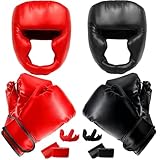
Choosing the right boxing gloves can feel a bit like navigating a maze, especially when you’re faced with terms like ‘ounces’ and ‘weight classes.’ Don’t worry, though; it’s a lot simpler than it seems. Boxing glove sizing isn’t just about picking a random number; it’s about finding the perfect fit for your hand size, training style, and the type of boxing you’ll be doing.
In this guide, we’ll break down everything you need to know about how boxing gloves are sized. We’ll cover the importance of glove weight, how to measure your hands, and how different glove sizes cater to different training needs. I’ll also share some insights into finding the best gloves for your specific goals, whether you’re a beginner or a seasoned pro. Let’s get started!
Understanding Boxing Glove Sizing: The Basics
Boxing glove sizing primarily revolves around the concept of ounces. This refers to the weight of the glove, not its physical size or the size of your hand. The weight is a crucial factor, influencing the amount of protection the glove offers and the intensity of your workouts or sparring sessions. The ounces typically range from 8oz to 20oz, with each size catering to different needs.
Why Ounce Weight Matters
The ounce weight of a boxing glove significantly impacts its performance. A heavier glove provides more padding, which means better protection for your hands and your sparring partner’s face during training. However, heavier gloves can also slow you down and make it harder to maintain speed and agility. Lighter gloves, on the other hand, are often preferred for speed work and bag training, but they offer less protection.
The Role of Hand Size
While ounce weight is the primary factor, hand size plays a role in glove selection. Generally, smaller hands might find it easier to maneuver lighter gloves, while larger hands might feel more comfortable in heavier gloves. However, hand size is not the only factor, as the fit and feel of the gloves are also important.
Boxing Glove Size Chart: A Comprehensive Guide
A boxing glove size chart is a great starting point for selecting the appropriate size. Keep in mind that these charts are general guidelines, and the best fit can vary depending on the brand and model of the gloves. We recommend trying on gloves whenever possible or consulting reviews from other users.
Here’s a typical boxing glove size chart: (See Also: Are Muay Thai Gloves The Same As Boxing Gloves )
| Glove Weight (oz) | Recommended Use | Typical User |
|---|---|---|
| 8 oz | Competition, speed work | Typically used in professional fights, or for training speed and technique. |
| 10 oz | Competition, sparring (for lighter weight classes) | Professional fights (lighter weight classes), or for training sessions with experienced boxers. |
| 12 oz | Sparring, bag work | Beginners, intermediate boxers, or those who want more protection for bag work and light sparring. |
| 14 oz | Sparring, heavy bag work | Intermediate to advanced boxers. Provides more padding for sparring and heavier bag work. |
| 16 oz | Sparring, heavy bag work | Advanced boxers. Provides maximum protection for sparring and heavy bag work. Commonly used in many gyms for sparring. |
| 18-20 oz | Heavy bag work, specialized training | Boxers who want extreme hand protection during heavy bag work, or for specialized training. |
Important Considerations When Using a Size Chart
- Experience Level: Beginners often start with 12oz or 14oz gloves for added protection. More experienced boxers may use lighter gloves for speed work and heavier gloves for sparring.
- Weight Class: In professional boxing, the glove weight is often determined by the boxer’s weight class. Lighter weight classes may use 8oz or 10oz gloves for competition, whereas heavier weight classes typically use 10oz gloves.
- Training Type: Different training activities require different glove weights. Bag work might require lighter gloves (12oz-14oz), while sparring usually demands heavier gloves (16oz).
How to Measure Your Hands for Boxing Gloves
Accurately measuring your hands is essential for choosing the right size of boxing gloves. Here’s a simple guide:
Step-by-Step Measuring Guide
- Gather Your Supplies: You’ll need a flexible measuring tape and a piece of paper and a pen or pencil.
- Measure Your Hand: Open your hand flat, with your fingers together. Use the measuring tape to measure around the widest part of your hand (usually across the knuckles). Do not include your thumb.
- Measure Your Palm: Measure the length of your palm, from the base of your palm to the tip of your middle finger.
- Record Your Measurements: Write down both measurements in inches or centimeters.
Interpreting Your Measurements
Once you have your hand measurements, compare them to the boxing glove size chart. Remember that these charts are a general guideline. Some brands might have slightly different sizing, so it’s always a good idea to check the brand’s specific size chart. If your measurements fall between two sizes, it’s generally best to choose the larger size, especially if you plan to wear hand wraps.
Different Types of Boxing Gloves and Their Sizing
Not all boxing gloves are created equal. Different types of gloves cater to specific training needs and boxing styles. Understanding these differences can further help you select the right size.
Training Gloves
Training gloves are designed for general use, including bag work, pad work, and sparring. They typically have more padding than competition gloves, providing greater protection. Training gloves often come in various ounce weights, allowing you to choose the right amount of protection for your training routine. They usually have a hook-and-loop closure or a lace-up closure. Hook-and-loop closures are more convenient for quick on-and-off during workouts, while lace-up closures offer a more secure and customized fit.
Sparring Gloves
Sparring gloves are specifically designed for sparring sessions. They have extra padding in the knuckles and wrist area to protect both the user and the sparring partner. Sparring gloves are usually heavier (14oz-16oz) to provide maximum protection. They typically feature a wrap-around wrist closure to provide additional wrist support.
Competition Gloves
Competition gloves are designed for professional boxing matches. They are typically lighter than training or sparring gloves, with less padding, and offer more speed and power. These gloves usually come in 8oz or 10oz weights. They often have a lace-up closure for a secure fit. The design is optimized for performance, but this comes at the expense of protection. The choice of gloves is often dictated by the rules of the boxing organization. (See Also: Can You Wrestle In Boxing Shoes )
Bag Gloves
Bag gloves are designed for heavy bag training and focus mitt work. They are generally lighter than sparring gloves, providing less padding. This allows for greater speed and feedback. Bag gloves often have a tighter fit and a streamlined design. The ounce weight usually ranges from 12oz to 14oz. They are usually more compact than sparring gloves.
Factors Influencing Your Boxing Glove Size Choice
Several factors beyond your hand size and the basic size chart can influence your choice of boxing glove size. These factors can affect the comfort, protection, and performance of the gloves.
Hand Wraps
Hand wraps are essential for protecting your hands during boxing. They cushion your knuckles, support your wrists, and absorb sweat. Always wear hand wraps when using boxing gloves. When choosing your glove size, factor in the extra bulk of the hand wraps. You might need to go up a size to accommodate the wraps comfortably.
The Type of Training
The type of training you do will influence the size of gloves you need. For bag work, you might prefer lighter gloves (12oz-14oz). For sparring, you’ll need heavier gloves (16oz). If you’re doing a mix of activities, consider having a pair of gloves for different purposes.
Brand and Model
Boxing glove sizes can vary slightly between brands and models. Some brands run larger or smaller than others. Always check the brand’s specific size chart before making a purchase. Also, read reviews to get insights into how a particular model fits. Some models are designed for broader hands, while others are designed for narrower hands.
Fit and Comfort
The fit and comfort of the gloves are paramount. The gloves should feel snug but not too tight. You should be able to make a fist comfortably without feeling restricted. Try on the gloves (with hand wraps if you use them) to ensure a proper fit. Gloves that are too loose can shift during training, leading to injury, while gloves that are too tight can restrict blood flow. (See Also: Is Everlast Good Boxing Gloves )
Glove Materials and Their Impact on Sizing
The material of boxing gloves can also affect the fit and feel, and therefore, indirectly influence your size selection.
Leather Gloves
Leather gloves are known for their durability and comfort. High-quality leather gloves can last for years with proper care. Leather tends to mold to your hand over time, providing a more custom fit. Leather gloves may stretch slightly over time. For this reason, it’s important to have a snug fit. Leather gloves often require more breaking in than synthetic gloves.
Synthetic Leather Gloves
Synthetic leather gloves (often made from materials like PU or PVC) are a more affordable option. They are generally less durable than leather gloves, but they can still provide excellent performance. Synthetic gloves often come in a wider range of colors and designs. The fit of synthetic gloves is usually more consistent over time, as they do not stretch as much as leather.
The Impact of Material on Sizing
The material of the gloves can affect the fit. Leather gloves may stretch and conform to your hand. Synthetic gloves generally maintain their shape. Consider the material when choosing your size. If you’re between sizes, you might want to choose the smaller size for leather gloves, anticipating some stretching over time. For synthetic gloves, choose the size that best fits your hand at the time of purchase.
Tips for Buying Boxing Gloves
Purchasing boxing gloves is an investment in your training and safety. Here are a few tips to help you make the right choice:
- Try Before You Buy: Whenever possible, try on the gloves before buying. This allows you to assess the fit and feel.
- Consider Your Training Needs: Choose gloves that are appropriate for your training activities. Sparring requires heavier gloves than bag work.
- Read Reviews: Read reviews from other users to get insights into the fit, durability, and performance of the gloves.
- Factor in Hand Wraps: Always wear hand wraps and make sure the gloves fit comfortably with the wraps on.
- Check the Brand’s Size Chart: Each brand has its unique size chart. Always check the specific size chart for the brand you’re buying.
- Ask for Expert Advice: If you’re unsure, ask a boxing coach or experienced boxer for advice.
- Prioritize Quality: Invest in high-quality gloves to ensure durability and protection.
- Consider the Closure System: Consider the type of closure (lace-up or hook-and-loop) and select the one that suits your needs.
Caring for Your Boxing Gloves
Proper care can extend the life of your boxing gloves and maintain their performance. Here are some essential tips:
- Air Them Out: After each use, air out your gloves to prevent moisture build-up and the growth of bacteria.
- Use Glove Deodorizers: Use glove deodorizers or inserts to absorb moisture and eliminate odors.
- Clean Regularly: Wipe down your gloves with a damp cloth after each use. For leather gloves, use a leather cleaner.
- Store Properly: Store your gloves in a cool, dry place. Avoid storing them in direct sunlight or extreme temperatures.
- Rotate Gloves: If you train frequently, consider having two pairs of gloves and rotating their use to allow them to dry out completely.
- Don’t Overstuff: Avoid overstuffing your gloves with towels or other items.
Final Thoughts
Understanding how boxing gloves are sized is essential for anyone involved in boxing or combat sports. It’s not just about picking a random number; it’s about finding the right balance of protection, comfort, and performance for your specific needs. By considering your hand size, training style, and the type of boxing you’re doing, you can choose gloves that will enhance your training and help prevent injuries.
Remember to use the size charts as a guide, try on gloves when possible, and always factor in hand wraps. With the right knowledge and a little bit of effort, you can find the perfect pair of boxing gloves to help you achieve your goals in the ring or the gym. Choosing the right gloves is a key step in ensuring a safe and effective training experience.