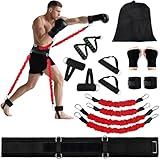
Ever wondered if you can ditch the gym membership and still shed those extra pounds? You might be surprised to learn that shadow boxing, the art of fighting an imaginary opponent, could be your secret weapon. It’s a fantastic exercise that can be done anywhere, anytime, and it doesn’t require any equipment. But the real question is: does shadow boxing make you lose weight?
The answer, in short, is a resounding yes! Shadow boxing is an incredibly effective workout that combines cardio, strength training, and coordination. It’s a full-body workout that torches calories and builds muscle, all while improving your agility and reflexes. In this article, we’ll explore exactly how shadow boxing helps you lose weight, the benefits it offers, how to incorporate it into your routine, and some essential tips to maximize your results. Let’s get started!
The Science Behind Shadow Boxing and Weight Loss
Before we jump into the ‘how,’ let’s understand the ‘why.’ Weight loss fundamentally boils down to burning more calories than you consume. Shadow boxing helps you achieve this in several ways:
- Cardiovascular Exercise: Shadow boxing gets your heart rate up, making it a great cardiovascular workout. This is crucial for burning calories and improving your overall fitness.
- Muscle Engagement: Every punch, block, and movement engages multiple muscle groups. This not only burns calories during the workout but also helps build lean muscle mass.
- High-Intensity Intervals: Shadow boxing can easily be adapted into high-intensity interval training (HIIT) sessions, which are proven to be highly effective for weight loss.
Calorie Burn: The number of calories you burn during a shadow boxing session depends on several factors, including your weight, intensity, and duration. However, it’s safe to say that a 30-minute shadow boxing session can burn anywhere from 300 to 500 calories, or even more if you increase the intensity. This makes it a very efficient way to burn calories in a short amount of time.
How Shadow Boxing Burns Calories
Shadow boxing is more than just throwing punches. It’s a full-body workout that utilizes various energy systems. Here’s a breakdown of how it helps you burn calories:
- Aerobic Energy System: This system is used during lower-intensity, longer-duration workouts. Shadow boxing, when performed at a moderate pace, relies on this system to burn fat for fuel.
- Anaerobic Energy System: This system kicks in during high-intensity bursts, like fast combinations or power punches. It burns glucose (sugar) for energy, which can lead to increased calorie expenditure and metabolic boost.
- Muscle Building: Shadow boxing’s repetitive movements, particularly punches and defensive maneuvers, build muscle. Muscle tissue is metabolically active, meaning it burns more calories at rest than fat tissue.
The Benefits of Shadow Boxing Beyond Weight Loss
While weight loss is a significant benefit, shadow boxing offers much more. Here are some of the key advantages:
- Improved Cardiovascular Health: Regular shadow boxing workouts strengthen your heart and improve blood circulation.
- Increased Stamina and Endurance: The constant movement and high-intensity intervals build your stamina and endurance.
- Enhanced Coordination and Reflexes: Shadow boxing requires precise movements and quick reactions, improving your coordination and reflexes.
- Stress Relief: Physical activity is a proven stress reliever. Shadow boxing can be a great way to release tension and improve your mood.
- Muscle Toning and Strength: Shadow boxing works various muscle groups, contributing to muscle toning and overall strength.
- Versatility and Convenience: You can shadow box anywhere, anytime, without needing any equipment or a gym membership.
Shadow Boxing vs. Other Cardio Workouts
How does shadow boxing stack up against other popular cardio workouts? Let’s compare: (See Also: How Much Do Boxing Classes Cost )
| Workout | Calories Burned (per 30 mins, approx.) | Pros | Cons |
|---|---|---|---|
| Shadow Boxing | 300-500+ | Full-body workout, improves coordination, no equipment needed | Requires learning proper technique, can be repetitive |
| Running | 250-400 | Easily accessible, good for endurance | Can be hard on joints, weather-dependent |
| Swimming | 200-350 | Low-impact, full-body workout | Requires access to a pool, can be time-consuming |
| Cycling | 200-400 | Low-impact, good for endurance | Requires equipment, can be weather-dependent |
As you can see, shadow boxing is competitive in terms of calorie burn and offers unique benefits like improved coordination and the convenience of being able to do it anywhere.
Getting Started: Shadow Boxing Techniques and Routine
Ready to start shadow boxing? Here’s how to get started:
Basic Shadow Boxing Stance
- Stance: Stand with your feet shoulder-width apart, one foot slightly in front of the other. If you’re right-handed, your left foot should be forward, and vice-versa.
- Knees Bent: Keep your knees slightly bent to maintain a balanced and athletic position.
- Hands Up: Keep your hands up near your face to protect your head, with your elbows close to your body.
- Chin Down: Tuck your chin slightly to protect it from potential ‘attacks’.
- Weight Distribution: Distribute your weight evenly, ready to move and react.
Basic Punches
- Jab: A straight punch thrown with your lead hand (the hand in front). Extend your arm fully, keeping your elbow slightly bent.
- Cross: A straight punch thrown with your rear hand (the hand in back). Rotate your body and pivot your back foot for power.
- Hook: A punch thrown with a bent arm, targeting the side of your opponent’s head.
- Uppercut: A punch thrown upwards, targeting the chin or body.
Basic Defensive Moves
- Blocking: Use your gloves to block incoming punches.
- Slipping: Move your head slightly to the side to avoid a punch.
- Weaving: Duck under a punch by bending your knees and moving your body to the side.
Creating a Shadow Boxing Routine
Here’s a sample routine you can follow:
- Warm-up (5 minutes): Jumping jacks, high knees, arm circles, and dynamic stretches.
- Shadow Boxing (20-30 minutes): Alternate between rounds of punching combinations and defensive drills.
- Cool-down (5 minutes): Static stretches, holding each stretch for 30 seconds.
Example Shadow Boxing Round (3 minutes):
- Minute 1: Jab-cross, jab-cross, repeat.
- Minute 2: Hooks and uppercuts.
- Minute 3: Defensive drills (slipping, weaving, blocking).
Repeat this round several times, varying the combinations and intensity.
Maximizing Your Weight Loss with Shadow Boxing
To get the most out of your shadow boxing workouts, consider these tips: (See Also: Can You Lose Weight By Shadow Boxing )
1. Focus on Proper Form
Maintaining proper form is critical to prevent injuries and maximize effectiveness. Watch videos, take lessons, or practice in front of a mirror to ensure your technique is correct. Incorrect form can lead to inefficient workouts and increase the risk of injury.
2. Vary Your Routine
Keep your workouts interesting and challenging by varying your punches, combinations, and defensive drills. You can also incorporate different types of shadow boxing workouts, such as HIIT sessions, endurance rounds, and technique-focused sessions. Varying your routine helps prevent plateaus and keeps your body challenged.
3. Increase Intensity Gradually
Start slowly and gradually increase the intensity of your workouts. This can be done by increasing the speed of your punches, adding more rounds, or incorporating more complex combinations. Progress gradually to avoid overtraining and injury.
4. Incorporate Hiit
HIIT (High-Intensity Interval Training) is a highly effective method for burning calories and boosting your metabolism. Integrate HIIT into your shadow boxing routine by alternating between high-intensity bursts of punching and short rest periods. For example, 30 seconds of intense punching followed by 15 seconds of rest, repeated for several rounds.
5. Use a Timer
A timer is essential for structuring your workouts and keeping track of rounds and rest periods. Use a timer app or a boxing timer to ensure you’re working at the appropriate intensity and duration. This helps keep you focused and ensures you’re getting the most out of each session.
6. Stay Hydrated
Drink plenty of water before, during, and after your workouts. Hydration is crucial for optimal performance, recovery, and overall health. Dehydration can lead to fatigue and reduced performance. (See Also: Haven Boxing Gym )
7. Nutrition and Diet
Pair your shadow boxing workouts with a healthy diet. Weight loss is achieved through a combination of exercise and a balanced diet. Focus on consuming whole, unprocessed foods, including fruits, vegetables, lean proteins, and whole grains. Avoid sugary drinks and processed foods.
8. Consistency Is Key
The most important factor for achieving weight loss goals is consistency. Aim to shadow box at least 3-5 times per week. Consistent workouts will lead to significant results over time. Even short, regular sessions are more effective than sporadic, intense workouts.
9. Listen to Your Body
Pay attention to your body and take rest days when needed. Overtraining can lead to fatigue, injury, and a decrease in performance. Allow your body to recover by incorporating rest days and active recovery activities, such as stretching or light cardio.
10. Consider Adding Resistance
Once you’ve mastered the basics, consider adding resistance to your shadow boxing workouts to enhance muscle building and calorie burn. This can be done by using light dumbbells, resistance bands, or wearing weighted gloves. Start with light resistance and gradually increase the weight as you get stronger.
Common Mistakes to Avoid
To ensure you’re getting the most out of your shadow boxing workouts, avoid these common mistakes:
- Poor Form: Incorrect technique can lead to injuries and reduce the effectiveness of your workout. Always prioritize proper form.
- Insufficient Warm-up: Skipping the warm-up can increase the risk of injury. Always warm up before your workouts.
- Overdoing It: Overtraining can lead to fatigue and injury. Listen to your body and incorporate rest days.
- Lack of Consistency: Inconsistent workouts will not produce significant results. Aim for regular workouts.
- Ignoring Nutrition: Exercise alone is not enough for weight loss. Pair your workouts with a healthy diet.
Conclusion
So, does shadow boxing make you lose weight? Absolutely! It’s a fantastic, full-body workout that burns calories, builds muscle, and offers a host of other health benefits. By incorporating shadow boxing into your routine, focusing on proper form, and maintaining a healthy lifestyle, you can effectively shed those extra pounds and improve your overall fitness. It’s a convenient, effective, and fun way to get in shape, no matter your fitness level. Give it a try, and you might just discover your new favorite way to work out!
Remember to stay consistent, listen to your body, and enjoy the process. With dedication and the right approach, shadow boxing can be a powerful tool in your weight loss journey. Now go out there and start throwing some punches!