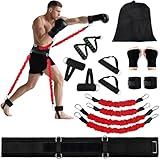
Ever wondered what goes on behind the doors of a boxing gym? Maybe you’re curious about starting, or perhaps you’re just fascinated by the sport. Boxing gyms are far more than just places to throw punches; they’re communities, training grounds, and havens for self-improvement. They cater to a diverse range of individuals, from seasoned competitors to complete beginners looking to get in shape.
This guide will walk you through everything you need to know about how boxing gyms function, covering the training methods, the equipment, the atmosphere, and the benefits you can expect. We’ll explore the different types of gyms, the costs involved, and what to look for when choosing the right one for you. Get ready to step inside and learn the ropes!
Whether you dream of stepping into the ring or simply want a challenging and rewarding workout, understanding the inner workings of a boxing gym is the first step. Let’s get started!
The Heart of the Gym: Training Methods
Boxing gyms utilize a variety of training methods, each designed to develop specific skills and physical attributes. The core of any boxing workout revolves around the fundamentals, but the specifics can vary depending on the gym’s focus and the individual’s goals.
Shadow Boxing
Shadow boxing is the cornerstone of boxing training. It involves practicing punches, footwork, and defensive maneuvers against an imaginary opponent. This allows boxers to refine their technique, build muscle memory, and improve their coordination without the impact of hitting a target. It’s often the first thing you’ll do in a boxing workout.
Here’s what shadow boxing usually involves:
- Stance: Maintaining the correct boxing stance, with feet shoulder-width apart, one foot slightly ahead of the other, and knees bent.
- Punching Combinations: Practicing basic punches like the jab, cross, hook, and uppercut, as well as more complex combinations.
- Footwork: Practicing movement around the ‘ring’, including shuffling, pivoting, and slipping.
- Defense: Practicing blocking, parrying, and slipping punches.
- Visualization: Imagining an opponent and reacting to their movements.
Shadow boxing is not just about throwing punches; it’s about developing rhythm, timing, and mental focus. It’s also a great way to warm up and cool down.
Heavy Bag Work
Heavy bags are essential for developing punching power, speed, and endurance. Boxing gyms typically have a variety of heavy bags, including:
- Standard Heavy Bags: Cylindrical bags used for practicing a wide range of punches.
- Angle Bags: Designed for practicing uppercuts and hooks.
- Double-End Bags: Small, hanging bags that move unpredictably, improving hand-eye coordination and timing.
When working on the heavy bag, you will:
- Focus on Technique: Maintaining proper form and punching with the correct mechanics.
- Develop Power: Generating power from the legs, core, and shoulders.
- Build Endurance: Working in rounds, typically three minutes with a one-minute rest.
- Practice Combinations: Stringing together punches in various sequences.
Heavy bag work is a great way to release stress, burn calories, and improve overall fitness.
Speed Bag Training
The speed bag is a small, teardrop-shaped bag that hangs from a swivel. It’s used to improve hand-eye coordination, timing, rhythm, and hand speed. It demands quick reflexes and a good sense of timing.
Speed bag training will help you:
- Develop Rhythm: Learning to hit the bag in a consistent and rhythmic pattern.
- Improve Hand-Eye Coordination: Reacting quickly to the bag’s movements.
- Increase Hand Speed: Training your hands to punch faster.
- Enhance Timing: Perfecting the ability to hit the bag at the right moment.
It can be frustrating at first, but with practice, you’ll see your hand speed and coordination improve significantly.
Mitt Work (pad Work)
Mitt work involves a coach or training partner holding focus mitts while you practice punching combinations. This is a crucial part of boxing training, as it allows you to refine your technique, improve your timing, and develop your punching power in a controlled environment. Mitt work is also great for building confidence and simulating actual fighting situations.
During mitt work: (See Also: Does Shadow Boxing Really Work )
- The Coach Calls Out Combinations: Dictating the punches you should throw.
- You Focus on Form and Power: Maintaining proper technique and generating force with each punch.
- The Coach Provides Feedback: Correcting your mistakes and offering advice.
- You Learn to React: Responding to the coach’s prompts quickly and efficiently.
Mitt work is a great way to improve your overall boxing skills and prepare for sparring or competition.
Footwork Drills
Footwork is fundamental in boxing. It’s how you move around the ring, position yourself for punches, and evade your opponent’s attacks. Boxing gyms incorporate various footwork drills to improve agility, balance, and coordination.
Footwork drills can include:
- Shuffling: Moving sideways while maintaining the boxing stance.
- Pivoting: Turning on the balls of your feet to change direction.
- Cutting Angles: Moving to the side to create advantageous angles for punching.
- Jump Rope: Improving foot speed, coordination, and cardio.
Good footwork allows you to control the distance, set up your punches, and avoid your opponent’s attacks.
Sparring
Sparring is the most realistic form of training. It involves live practice with a partner, allowing you to apply the skills you’ve learned in a competitive environment. Sparring is crucial for developing your fighting instincts, improving your defensive skills, and building your confidence. Sparring should always be done under the supervision of a coach, and safety is paramount.
Before sparring, you’ll usually:
- Wear Protective Gear: Headgear, mouthguards, and gloves are essential.
- Agree on Rules and Intensity: Deciding on the level of contact and the rounds.
- Focus on Technique: Practicing the skills you’ve learned in a real-time setting.
- Listen to Your Coach: Taking advice and making adjustments as needed.
Sparring is a challenging but rewarding experience that will help you prepare for competition or simply improve your boxing skills.
Strength and Conditioning
Boxing demands a high level of physical fitness. Boxing gyms incorporate strength and conditioning exercises to build muscle, improve endurance, and enhance overall athletic performance. This can include a wide range of exercises:
- Weight Training: Building strength and power in key muscle groups.
- Cardio: Running, jumping rope, and other activities to improve cardiovascular health.
- Core Work: Strengthening the core muscles for stability and power.
- Plyometrics: Explosive exercises to improve power and agility.
A well-rounded strength and conditioning program is essential for success in boxing.
Essential Equipment in a Boxing Gym
Boxing gyms are equipped with a variety of tools and equipment to facilitate training. Understanding the purpose of each piece of equipment will help you get the most out of your workouts.
Boxing Gloves
Boxing gloves are designed to protect your hands and your sparring partner’s face. They come in various weights, typically ranging from 8 to 16 ounces. Heavier gloves are often used for sparring and heavy bag work because they provide more padding and protection. Lighter gloves are sometimes used for speed bag work and mitt work, where speed and precision are emphasized.
Considerations when choosing gloves:
- Weight: Choose the appropriate weight based on your training needs.
- Material: Leather gloves are more durable, but synthetic gloves can be a more affordable option.
- Fit: Ensure the gloves fit snugly but comfortably.
- Padding: Look for gloves with adequate padding to protect your hands.
Hand Wraps
Hand wraps are crucial for protecting your hands and wrists. They are wrapped around your hands before putting on your boxing gloves. Hand wraps provide support and compression, reducing the risk of injury.
How to use hand wraps: (See Also: Are Boxing Classes Worth It )
- Wrap your knuckles and wrists tightly.
- Ensure the wraps are secure and comfortable.
- Replace hand wraps regularly to prevent wear and tear.
Heavy Bags
Heavy bags are essential for developing punching power, speed, and endurance. There are several types of heavy bags, including:
- Standard Heavy Bags: Cylindrical bags for practicing a wide range of punches.
- Angle Bags: Designed for practicing uppercuts and hooks.
- Teardrop Bags: For practicing hooks and body shots.
Speed Bags
Speed bags are small, teardrop-shaped bags that hang from a swivel. They are used to improve hand-eye coordination, timing, rhythm, and hand speed.
Focus Mitts
Focus mitts, also known as boxing pads, are held by a coach or training partner. They are used to practice punching combinations and improve technique. Focus mitts allow for realistic training without the risk of injury associated with sparring.
Jump Ropes
Jump ropes are a staple in boxing training. They are used to improve footwork, coordination, and cardiovascular fitness.
Mouthguards
A mouthguard is essential for protecting your teeth and mouth. It absorbs impact and reduces the risk of injury during sparring and heavy bag work.
Headgear
Headgear is worn during sparring to protect your head and face. It reduces the risk of cuts, bruises, and concussions.
Other Equipment
- Weights: Used for strength and conditioning exercises.
- Medicine Balls: Used for core exercises and power development.
- Resistance Bands: Used for various exercises to build strength and flexibility.
- Ring: A raised platform where sparring and competitive matches take place.
The Atmosphere and Culture of a Boxing Gym
The atmosphere and culture of a boxing gym are just as important as the training methods and equipment. A positive and supportive environment can significantly impact your experience and your progress.
Community
Boxing gyms often foster a strong sense of community. You’ll likely train alongside people of all backgrounds, ages, and skill levels, united by their passion for boxing. This community can provide support, motivation, and a sense of belonging.
Discipline and Respect
Boxing gyms emphasize discipline and respect. You’ll be expected to follow the rules, listen to your coaches, and treat your training partners with respect. Discipline is essential for success in boxing, and it can also benefit other areas of your life.
Hard Work and Dedication
Boxing is a demanding sport that requires hard work and dedication. You’ll be challenged physically and mentally, and you’ll need to push yourself to achieve your goals. This can build resilience and a strong work ethic.
Supportive Coaches
Good boxing gyms have experienced and knowledgeable coaches who are passionate about the sport. They can provide guidance, correct your technique, and help you improve your skills. They also offer support and encouragement.
Goal-Oriented Environment
Whether you’re training for competition or just for fitness, a boxing gym can help you set and achieve goals. The structured training environment and the support of your coaches and training partners can help you stay motivated and focused.
Finding the Right Gym for You
Choosing the right boxing gym is crucial for your success and enjoyment. Consider these factors:
- Location: Choose a gym that is conveniently located.
- Coaches: Research the coaches’ experience and credentials.
- Training Methods: Ensure the gym offers training methods that align with your goals.
- Atmosphere: Visit the gym and observe the atmosphere and culture.
- Cost: Understand the membership fees and any additional costs.
- Reviews: Check online reviews and ask for recommendations.
What to Expect in a Typical Boxing Gym Session
A typical boxing gym session usually follows a structured format designed to warm up the body, develop skills, and cool down. (See Also: Does Boxing Classes Help With Weight Loss )
Warm-Up
The warm-up is crucial to prepare your body for the workout and prevent injuries. It typically includes:
- Jumping Rope: To increase heart rate and warm up the legs.
- Light Cardio: Such as jogging or shadow boxing.
- Dynamic Stretching: Movements that prepare the muscles for activity.
Skill Work
This is where you’ll focus on improving your boxing technique. This can include:
- Shadow Boxing: Practicing punches and footwork.
- Heavy Bag Work: Practicing punches and combinations.
- Speed Bag Work: Improving hand-eye coordination and rhythm.
- Mitt Work: Working with a coach to refine your technique.
Strength and Conditioning
Many sessions incorporate strength and conditioning exercises. This may include:
- Bodyweight Exercises: Push-ups, sit-ups, and squats.
- Weight Training: Exercises to build strength and power.
- Core Work: Exercises to strengthen the core muscles.
Cool-Down
The cool-down helps your body recover after the workout. It typically includes:
- Static Stretching: Holding stretches to improve flexibility.
- Light Cardio: Such as walking or light jogging.
Sample Workout Schedule
Here’s a sample of what a typical week might look like, depending on your goals:
| Day | Activity |
|---|---|
| Monday | Strength Training & Heavy Bag Work |
| Tuesday | Mitt Work & Cardio |
| Wednesday | Rest or Active Recovery |
| Thursday | Sparring (if applicable) & Conditioning |
| Friday | Speed Bag & Technique |
| Saturday | Long Run or Cross-Training |
| Sunday | Rest |
Benefits of Training at a Boxing Gym
Training at a boxing gym offers a wide range of physical and mental benefits. It’s more than just a workout; it’s a comprehensive training experience that can improve your overall well-being.
Physical Benefits
- Improved Cardiovascular Health: Boxing workouts are intense and can significantly improve your cardiovascular fitness.
- Increased Strength and Endurance: Boxing training builds both muscular strength and endurance.
- Weight Loss: Boxing is a high-calorie-burning activity, making it an effective way to lose weight.
- Improved Coordination and Agility: Boxing requires precise movements and quick reflexes, improving your coordination and agility.
- Enhanced Muscle Tone: Boxing workouts work multiple muscle groups, leading to improved muscle tone.
- Better Reflexes: The fast-paced nature of boxing improves your reflexes.
Mental Benefits
- Stress Relief: Boxing can be a great way to release stress and tension.
- Increased Confidence: Learning new skills and improving your physical abilities can boost your confidence.
- Improved Focus and Concentration: Boxing requires mental focus and discipline.
- Mental Toughness: Boxing training can build mental resilience and toughness.
- Discipline: Boxing requires discipline and commitment, which can benefit other areas of your life.
- Self-Esteem: Achieving your goals in boxing can significantly boost your self-esteem.
Common Questions About Boxing Gyms
Here are some frequently asked questions about boxing gyms:
Do I Need to Be in Shape to Start Boxing?
No, you don’t need to be in shape to start. Boxing gyms welcome people of all fitness levels. The training itself will help you get in shape.
What Should I Wear to a Boxing Gym?
Wear comfortable athletic clothing, such as shorts, a t-shirt, and athletic shoes. Bring a water bottle and a towel.
Do I Need to Buy My Own Equipment?
Most gyms have equipment available for beginners to use. However, you may want to purchase your own hand wraps, mouthguard, and gloves as you progress.
Is Boxing Dangerous?
Boxing involves some risk, but the coaches at boxing gyms prioritize safety. They teach you proper technique and provide guidance to minimize the risk of injury. Sparring should be done under supervision.
How Often Should I Train?
The frequency of your training depends on your goals. Beginners can start with two or three sessions per week. More experienced boxers may train more frequently.
What’s the Difference Between a Boxing Gym and a Fitness Boxing Class?
A boxing gym typically offers more comprehensive training, including technique, sparring, and strength and conditioning. Fitness boxing classes focus primarily on the fitness aspects of boxing.
Can I Compete in Boxing?
Yes, if you’re interested in competing, the gym can provide training and guidance. However, competing is not a requirement.
Final Verdict
Boxing gyms offer a unique blend of physical and mental challenges, fostering a strong sense of community and providing a structured environment for self-improvement. They cater to a wide range of individuals, from those seeking a challenging workout to those aspiring to compete. The training methods, the equipment, and the atmosphere all contribute to a rewarding and transformative experience.
By understanding how boxing gyms work, you can make an informed decision about whether it’s the right fit for you. Whether you want to improve your fitness, learn self-defense, or simply find a new and exciting way to challenge yourself, a boxing gym could be the perfect place to start. The benefits of boxing are far-reaching, impacting not only your physical health but also your mental well-being and overall quality of life.