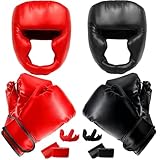
So, you’re getting into boxing, or maybe you’re just curious about the sport. One of the first things you’ll encounter is the necessity of hand wraps. But why are they so important? And, more specifically, do you wear wraps with boxing gloves? The answer, as you might suspect, is a resounding yes. In fact, wearing hand wraps is a fundamental practice in boxing and other combat sports. It’s not just a suggestion; it’s a crucial part of protecting your hands and wrists.
This guide will break down everything you need to know about hand wraps and boxing gloves, from the ‘why’ to the ‘how.’ We’ll explore the vital role hand wraps play in preventing injuries, the different types of wraps available, how to properly wrap your hands, and how they work in conjunction with your boxing gloves. By the end, you’ll have a clear understanding of why hand wraps are indispensable and how to use them effectively.
The Importance of Hand Wraps
Hand wraps are more than just a piece of fabric; they are a critical piece of safety equipment for boxers. They serve several vital functions, all aimed at protecting the delicate bones, tendons, and ligaments in your hands and wrists. Without proper hand protection, you’re significantly increasing your risk of injury.
Injury Prevention: Your Hands’ Best Friend
Boxing involves repeatedly punching a hard object, whether it’s a heavy bag, a focus mitt, or another person. The impact of each punch can place tremendous stress on your hands. Hand wraps act as a crucial layer of protection, mitigating these forces. Here’s how they work:
- Support and Stability: Hand wraps provide crucial support to the wrist, knuckles, and metacarpals (the bones in your hand). This support helps to stabilize the hand during impact, reducing the risk of sprains, fractures, and dislocations.
- Compression: The compression provided by the wraps helps to keep the tendons and ligaments in place, minimizing the chances of them overstretching or tearing. This is especially important for the tendons in the wrist and the ligaments connecting the small bones of the hand.
- Shock Absorption: Hand wraps add a layer of padding that helps to absorb some of the impact from punches. This reduces the amount of force that travels through your hand, lessening the risk of bruising and other soft tissue injuries.
Preventing Cuts and Abrasions
In addition to protecting the bones and ligaments, hand wraps also help prevent cuts and abrasions. The wraps create a barrier between your skin and the inside of your boxing gloves, which can be abrasive, especially if they are new or not properly cared for. This is particularly important during sparring sessions when the friction between your hands and the gloves is increased.
Improving Punching Power and Technique
While their primary function is protection, hand wraps can also subtly improve your punching power and technique. By providing a more solid and stable base for your punches, hand wraps can help you generate more force and control. They also encourage proper fist formation, which is crucial for delivering powerful and effective punches.
Understanding Boxing Gloves
Boxing gloves are designed to cushion the impact of punches and protect the hands of both the wearer and the opponent. They come in various weights and styles, each serving a specific purpose. Understanding the different types of gloves is essential for choosing the right gear for your training and sparring needs. (See Also: Are Muay Thai Gloves The Same As Boxing Gloves )
Types of Boxing Gloves
Here’s a breakdown of the most common types of boxing gloves:
- Training Gloves: These are the workhorses of boxing. They are typically heavier than competition gloves, with more padding, making them ideal for bag work, pad work, and sparring. Training gloves are designed to provide maximum protection and are usually available in weights ranging from 12 to 16 ounces.
- Sparring Gloves: Sparring gloves are specifically designed for use in sparring sessions. They often have extra padding and a softer feel than training gloves to minimize the risk of injury to both fighters. Sparring gloves typically weigh 14 to 16 ounces.
- Competition Gloves: These gloves are used in professional boxing matches. They are lighter than training and sparring gloves, with less padding, which allows for faster punches and more power. Competition gloves typically weigh 8 to 10 ounces.
- Bag Gloves: These gloves are lighter and less padded than training gloves. They are designed for use on heavy bags and focus mitts. Bag gloves are generally not recommended for sparring because they offer less protection.
Choosing the Right Glove Weight
The weight of your boxing gloves is a critical factor. Heavier gloves provide more protection but can slow down your punches. Lighter gloves allow for faster punches but offer less protection. Here’s a general guideline for choosing glove weight:
- Beginners: Start with 14- or 16-ounce gloves for training and sparring.
- Intermediate and Advanced Boxers: You can adjust the glove weight based on your training needs and experience. 16-ounce gloves are still recommended for sparring to provide maximum protection.
- Competition: Use the weight specified by the governing body for your weight class.
The Synergy: How Wraps and Gloves Work Together
Hand wraps and boxing gloves are not independent pieces of equipment; they are designed to work in synergy. The wraps provide the foundational protection and support, while the gloves offer an additional layer of cushioning and impact absorption. Here’s how they complement each other:
- Wraps as the Foundation: Hand wraps provide the initial layer of support, stabilizing the wrist and hand. They help to align the bones and distribute the force of impact.
- Gloves as the Cushion: Boxing gloves absorb a significant portion of the impact from punches, further protecting your hands and wrists. They also protect your opponent.
- Combined Protection: Together, hand wraps and boxing gloves offer comprehensive protection, minimizing the risk of injuries to both your hands and your sparring partner’s or the bag’s surface.
How to Wrap Your Hands Correctly
Proper hand wrapping is an art, and it takes practice to master. There are several different wrapping styles, but the goal is always the same: to provide support, stability, and protection. Here’s a step-by-step guide to wrapping your hands using a common method. Remember to practice these steps and adjust them to your comfort level.
What You’ll Need
- Hand Wraps: Choose wraps made of a durable, slightly elastic material.
- Scissors (Optional): For cutting off any loose threads.
Step-by-Step Wrapping Guide
- Prepare the Wrap: Make sure the loop (the part that goes over your thumb) is facing up.
- Start with the Thumb: Place the loop over your thumb, and then wrap the fabric around your wrist 2-3 times. This creates a secure base for the wrap.
- Wrap the Wrist: Continue wrapping the fabric around your wrist, going over and under the previous wraps to create a secure, supportive base. Overlap each layer by about half.
- Wrap the Knuckles: Bring the wrap across the back of your hand to your knuckles. Wrap the knuckles several times, focusing on providing padding and support.
- Wrap Between the Fingers: Bring the wrap between your fingers, starting with the pinky, then ring finger, middle finger, and index finger. This helps to secure the hand and prevent the wraps from shifting.
- Wrap the Hand: Wrap the hand and the knuckles again to ensure complete coverage and support.
- Finish at the Wrist: Secure the end of the wrap at the wrist, either with velcro or by tucking it under the previous wraps.
- Check for Comfort: Make sure your hand feels secure and supported, but not too tight. You should still be able to make a fist comfortably.
Tips for a Good Wrap
- Tightness: Don’t wrap too tightly, as this can restrict blood flow. You should be able to move your hand and make a fist without difficulty.
- Coverage: Ensure that all parts of your hand are adequately covered, including your knuckles, wrist, and the spaces between your fingers.
- Practice: Practice wrapping your hands regularly until you become comfortable with the process.
- Adjustments: Experiment with different wrapping styles to find what works best for you.
Hand Wrap Materials and Types
The material of your hand wraps can significantly impact their performance and comfort. There are several different types of hand wraps, each with its own advantages and disadvantages.
Types of Hand Wrap Materials
- Cotton: Cotton wraps are a traditional choice. They are breathable, comfortable, and absorb sweat well. However, they may not provide as much support as other materials and can stretch out over time.
- Semi-Elastic: Semi-elastic wraps combine cotton with a small amount of elastic. This adds some stretch, making them easier to wrap and providing a more snug fit.
- Mexican Style: Mexican-style wraps are typically made from a blend of cotton and nylon or spandex. They are known for their stretch and resilience, providing excellent support and a secure fit. They are a popular choice among professional boxers.
- Gel Wraps: Gel wraps are pre-made wraps that include a gel pad for extra knuckle protection. They are easy to use and provide a good level of protection, but they may not offer the same level of customization as traditional wraps.
Choosing the Right Material
The best hand wrap material for you will depend on your personal preferences and training needs. Consider these factors when making your choice: (See Also: Can You Wrestle In Boxing Shoes )
- Support: If you need maximum support, choose semi-elastic or Mexican-style wraps.
- Comfort: Cotton wraps are often the most comfortable option.
- Durability: Mexican-style wraps are generally the most durable.
- Ease of Use: Gel wraps are the easiest to use, but they may not be as customizable.
Care and Maintenance of Hand Wraps
Proper care and maintenance of your hand wraps can extend their life and ensure they remain effective. Here’s how to take care of your wraps:
Washing Your Hand Wraps
Hand wraps accumulate sweat and bacteria, so it’s essential to wash them regularly. Here’s how:
- Rinse: After each training session, rinse your hand wraps with cold water to remove sweat and debris.
- Wash: Wash your hand wraps after every few uses. You can wash them by hand or in a washing machine.
- Drying: Air-dry your hand wraps. Avoid using a dryer, as the heat can damage the material and reduce the elasticity.
Preventing Odor and Bacteria
To prevent odor and bacterial growth, follow these tips:
- Air Dry: Always air-dry your hand wraps completely after each use.
- Wash Regularly: Wash your hand wraps frequently to remove sweat and bacteria.
- Use a Laundry Bag: When washing your hand wraps in a machine, use a laundry bag to prevent them from tangling.
Inspecting Your Hand Wraps
Regularly inspect your hand wraps for signs of wear and tear, such as rips or tears. Replace your wraps if they become damaged, as they may no longer provide adequate protection.
Common Mistakes to Avoid
Even with the right equipment and knowledge, it’s easy to make mistakes. Here are some common errors to avoid:
- Not Wrapping Your Hands: This is the most critical mistake. Always wear hand wraps when using boxing gloves.
- Wrapping Too Tightly: Overly tight wraps can restrict blood flow and cause discomfort.
- Wrapping Too Loosely: Loose wraps won’t provide adequate support and can shift during training.
- Using Damaged Wraps: Replace wraps if they show signs of wear and tear.
- Neglecting Hygiene: Wash your wraps regularly to prevent the build-up of bacteria and odor.
Advanced Techniques and Considerations
Once you’ve mastered the basics, you can explore advanced techniques and considerations to further enhance your hand protection and performance. (See Also: Is Everlast Good Boxing Gloves )
Different Wrapping Styles
Experiment with different wrapping styles to find what works best for you. Some popular styles include:
- The 180-Inch Wrap: A common style that provides excellent knuckle and wrist support.
- The 120-Inch Wrap: A shorter wrap that is easier to use, but may offer less protection.
- The Quick Wrap: Pre-made wraps that are easy to put on and take off.
Customization and Personalization
Adjust your wrapping technique based on your hand size, the type of training you’re doing, and any specific areas that need extra support. You can also experiment with different wrap materials to find the best fit for your needs.
Seeking Professional Guidance
Consider seeking guidance from a boxing coach or experienced boxer. They can help you refine your wrapping technique and ensure that you are getting the most out of your hand wraps.
Faqs About Hand Wraps and Boxing Gloves
Here are some frequently asked questions about hand wraps and boxing gloves:
- Can I use hand wraps without boxing gloves? No, hand wraps are designed to be used with boxing gloves. They provide support and protection, but they are not a substitute for gloves.
- How often should I replace my hand wraps? Replace your hand wraps when they show signs of wear and tear, such as rips or tears. It’s also a good idea to replace them every few months, depending on how often you train.
- Can I wash my boxing gloves? It is generally not recommended to wash your boxing gloves. Instead, wipe them down after each use and allow them to air dry. You can also use a glove deodorizer to prevent odor.
- What is the difference between training gloves and sparring gloves? Training gloves are designed for bag work and pad work, while sparring gloves are specifically designed for sparring. Sparring gloves typically have more padding and are designed to minimize the risk of injury.
- Where can I buy hand wraps and boxing gloves? Hand wraps and boxing gloves are available at most sporting goods stores and online retailers.
Verdict
The answer to the question ‘do you wear wraps with boxing gloves’ is unequivocally yes. Hand wraps are an indispensable part of boxing, providing essential protection for your hands and wrists. They work in synergy with boxing gloves to minimize the risk of injury and enhance your performance. By understanding the importance of hand wraps, learning how to wrap your hands correctly, and choosing the right equipment, you can enjoy the sport of boxing safely and effectively. Remember to prioritize proper hand protection to protect your hands and enjoy your boxing journey.
Proper hand protection is not just about preventing injuries; it’s about ensuring you can train consistently and improve your skills. Investing time in learning how to wrap your hands correctly and maintaining your equipment will pay dividends in the long run. By following these guidelines, you’ll be well-equipped to enjoy the sport of boxing while keeping your hands safe and healthy.