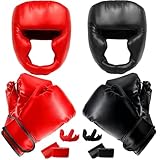
So, you’re getting into boxing, or maybe you’ve been at it a while, and you’re wondering: do you *really* need to wear hand wraps under your boxing gloves? It’s a question that pops up a lot, and the answer isn’t always straightforward. Some might brush it off as optional, but trust me, understanding the importance of hand wraps is crucial for your safety and performance. They’re not just a fashion statement or a pro-level requirement; they’re a fundamental part of protecting your hands.
Think of it like this: your hands are your primary tools in boxing. They’re what connect with the target, and they’re vulnerable to a lot of stress. Without proper protection, you risk injuries that can sideline you for weeks, months, or even permanently. This article will break down exactly why hand wraps are essential, how they work, the different types available, and how to wrap your hands correctly. We’ll also cover the alternatives, if any, and help you make informed decisions about your boxing gear.
Get ready to learn everything you need to know about hand wraps and ensure you’re ready to step into the ring with confidence and, most importantly, safety.
The Crucial Role of Hand Wraps
Hand wraps are more than just strips of cloth; they are a vital piece of equipment for any boxer. They provide a protective layer that absorbs impact, stabilizes the wrist, and supports the knuckles. Let’s delve into the specific benefits and why they are so important.
Impact Absorption
Boxing involves repeated punches, each delivering significant force. Without hand wraps, this force is directly absorbed by the bones and tissues of your hand. This can lead to fractures, sprains, and other injuries. Hand wraps act as a cushion, distributing the force of the impact across a wider area. This reduces the stress on individual bones and joints, minimizing the risk of injury. This is perhaps the single most important benefit.
Wrist Stabilization
The wrist is a complex joint, and it’s particularly vulnerable to injury during boxing. Hand wraps provide crucial support to the wrist, preventing it from bending or twisting excessively. This is especially important during powerful punches, where the wrist can easily hyperextend. By stabilizing the wrist, hand wraps help prevent sprains, dislocations, and other wrist injuries. A stable wrist is the foundation of a good punch.
Knuckle Protection
Your knuckles take the brunt of the impact when you punch. Hand wraps add an extra layer of padding and support to the knuckles, reducing the risk of bruising, cuts, and fractures. They help keep the knuckles compressed, which minimizes the space between the bones and reduces the impact force. This is particularly important for those who train frequently or spar regularly. Protecting your knuckles is key to a long boxing career.
Increased Punching Power and Efficiency
While the primary function of hand wraps is protection, they also contribute to improved punching power and efficiency. By providing a more stable base for your hand and wrist, hand wraps allow you to generate more force with each punch. They also help to ensure that your punches land correctly, which maximizes their effectiveness and reduces the risk of injury. A well-wrapped hand is a more powerful hand.
Types of Hand Wraps
Not all hand wraps are created equal. Different types offer varying levels of protection, comfort, and ease of use. Understanding the options available will help you choose the best wraps for your needs.
Mexican Style Hand Wraps
Mexican-style hand wraps are generally considered the gold standard. They are made from a blend of cotton and elastic, providing excellent support and a comfortable fit. They offer superior protection and are often preferred by professional boxers and experienced amateurs. The elastic in the wraps allows for a snug and secure fit, which is crucial for optimal protection. Mexican style wraps are known for their ability to conform well to the hand and provide a secure, supportive feel. (See Also: Are Muay Thai Gloves The Same As Boxing Gloves )
Pros:
- Excellent support and protection.
- Comfortable and secure fit.
- Durable and long-lasting.
Cons:
- Can be more difficult to wrap initially.
- May require more practice to get the perfect fit.
Traditional Cotton Hand Wraps
Traditional cotton hand wraps are made from 100% cotton. They are less elastic than Mexican-style wraps, offering a different feel and level of support. They are often a good choice for beginners due to their simplicity and affordability. They provide good basic protection and are relatively easy to wrap. However, they may not offer as much support as Mexican-style wraps.
Pros:
- Easy to wrap.
- Affordable.
- Good basic protection.
Cons:
- Less support than Mexican-style wraps.
- May loosen during training.
Gel Hand Wraps
Gel hand wraps are a more modern option. They feature a gel-padded design that provides extra cushioning for the knuckles. They are typically worn as a glove and offer a quick and easy alternative to traditional hand wraps. They can be a good option for beginners or those who prefer a less time-consuming wrapping process. These are a great option for convenience.
Pros:
- Easy to use.
- Provide extra knuckle protection.
- Convenient for quick workouts.
Cons:
- Less support for the wrist.
- May not offer the same level of protection as traditional wraps.
Quick Wraps/inner Gloves
Quick wraps, also known as inner gloves, are pre-made gloves with built-in padding and wrist support. They are a convenient alternative to traditional hand wraps, offering a quick and easy way to protect your hands. They are often made of a breathable material and can be a good option for those who are short on time or prefer a simpler wrapping process. They are a decent option for light training or fitness boxing, but may not offer the same level of protection as traditional wraps for heavy bag work or sparring. (See Also: Can You Wrestle In Boxing Shoes )
Pros:
- Very easy to use.
- Provide basic protection.
- Convenient and time-saving.
Cons:
- Less wrist support.
- May not offer sufficient protection for all types of training.
How to Wrap Your Hands Properly
Proper hand wrapping is an art, and it takes practice to master. However, with the right technique, you can ensure that your hands are well-protected and ready for action. Here’s a step-by-step guide to wrapping your hands using the Mexican style method, which is the most common and recommended technique.
Step-by-Step Guide
- Prepare the Wrap: Start by ensuring your wraps are clean and in good condition. Locate the loop on the wrap, which is designed to go over your thumb.
- Anchor the Wrap: Place the loop over your thumb, with the wrap running down the back of your hand. Begin wrapping your wrist. Wrap several times around the wrist to create a solid base of support. Ensure the wrap is snug but not too tight, as this can restrict blood flow.
- Wrap the Knuckles: Bring the wrap across the back of your hand, and wrap it around your knuckles several times. This creates a protective layer over your knuckles. Make sure the wrap covers the entire knuckle area.
- Wrap Between the Fingers: Bring the wrap between your fingers, starting with your pinky finger. Wrap around each finger, moving towards your thumb. This helps to secure the wrap and provide additional protection.
- Secure the Thumb: Wrap the thumb. Wrap the wrap around your thumb to secure it.
- Finish the Wrist: Return to the wrist and finish wrapping it. Ensure the wrap is secure and that the wrist is well-supported.
- Final Check: Check that the wrap is snug but not too tight. You should be able to make a fist comfortably. Make sure there are no loose ends.
Important Tips for Effective Wrapping
- Start with clean wraps: Always use clean wraps to prevent the spread of bacteria and skin infections. Wash your wraps after each use.
- Don’t wrap too tight: Overly tight wraps can restrict blood flow and cause discomfort.
- Practice makes perfect: It takes time to master hand wrapping. Practice regularly to improve your technique.
- Adjust as needed: Adjust the wrapping style based on the type of training.
- Consider the type of training: For sparring, ensure the wraps are well padded over the knuckles.
Alternatives to Hand Wraps
While hand wraps are the standard, there are a few alternatives that boxers may consider. However, it’s important to understand the limitations of these alternatives.
Gel Gloves/quick Wraps
As mentioned earlier, gel gloves or quick wraps are a convenient alternative. They offer some level of protection and are easy to put on and take off. However, they may not provide the same level of support and protection as traditional hand wraps, especially for intense training or sparring. They are a good option for fitness boxing or light training.
No Alternatives (not Recommended)
Going without any hand protection is strongly discouraged. This is an extremely risky approach that dramatically increases the chance of hand injuries. It is not recommended under any circumstances, especially for anyone serious about boxing. This is a recipe for injury. Skipping hand wraps is a shortcut that will likely lead to painful and costly consequences.
Choosing the Right Hand Wraps
Selecting the right hand wraps involves considering several factors, including your experience level, training style, and personal preferences.
Factors to Consider
- Experience Level: Beginners may prefer traditional cotton wraps or gel gloves for ease of use. More experienced boxers may opt for Mexican-style wraps for the best protection.
- Training Style: If you primarily focus on heavy bag work, you’ll need wraps that provide ample knuckle protection. For sparring, wrist support is crucial.
- Personal Preferences: Consider the material, length, and feel of the wraps. Some boxers prefer a tighter fit, while others prefer a looser feel.
- Size: Hand wraps come in different lengths. Typically, wraps are 180 inches long.
- Durability: Choose wraps made of durable materials that can withstand repeated use and washing.
Recommended Brands
There are many reputable brands offering high-quality hand wraps. Some of the most popular and well-regarded brands include:
- Hayabusa: Known for their high-quality, durable wraps.
- Venum: Offers a wide range of wraps in various styles and colors.
- Winning: Highly regarded for their premium boxing equipment, including hand wraps.
- Rival: Provides excellent quality and performance.
- Cleto Reyes: A classic brand favored by many professional boxers.
Maintenance and Care
Proper care and maintenance of your hand wraps will extend their lifespan and ensure that they continue to provide optimal protection. Here’s how to keep your wraps in top condition. (See Also: Is Everlast Good Boxing Gloves )
Washing Your Hand Wraps
After each use, hand wraps should be washed to remove sweat, bacteria, and odors. Here’s how to do it:
- Rinse Immediately: After each training session, rinse your hand wraps under cold water to remove the initial sweat and debris.
- Machine Wash: Place the hand wraps in a mesh laundry bag to protect them from snagging or tangling. Wash them in cold water on a gentle cycle.
- Use Mild Detergent: Use a mild detergent to avoid damaging the fibers. Avoid using bleach or fabric softeners.
- Air Dry: Air dry your hand wraps completely. Avoid using a dryer, as the heat can damage the fibers and cause them to shrink.
Inspecting Your Hand Wraps
Regularly inspect your hand wraps for signs of wear and tear, such as fraying, tears, or stretching. Replace your wraps if they become damaged or lose their elasticity. Damaged wraps will not provide adequate protection.
Storing Your Hand Wraps
Store your hand wraps in a cool, dry place away from direct sunlight. Allow them to dry completely before storing them to prevent the growth of mold or mildew. Keep them separate from other gear to prevent odors. Consider using a bag specifically designed for boxing equipment.
The Risks of Skipping Hand Wraps
Choosing to skip hand wraps is a decision that significantly increases your risk of injury. Here’s a closer look at the potential consequences.
Common Hand Injuries
Without adequate protection, boxers are vulnerable to a range of injuries, including:
- Fractures: Breaking bones in your hand or wrist.
- Sprains: Stretching or tearing ligaments.
- Strains: Overstretching or tearing muscles or tendons.
- Bruising: Damage to soft tissues, resulting in discoloration and pain.
- Cuts and Lacerations: Skin injuries from impact with the target or gloves.
- Carpal Tunnel Syndrome: Compression of the median nerve in the wrist.
Long-Term Consequences
Repeated hand injuries can lead to chronic pain, decreased mobility, and even the need for surgery. In severe cases, they can permanently impact your ability to box or participate in other activities.
The Impact on Training
Injuries can disrupt your training schedule, forcing you to take time off to heal. This can set you back in your progress and prevent you from reaching your full potential. Regular injuries can be very frustrating and can lead to a loss of motivation.
Conclusion
Hand wraps are an indispensable part of boxing, serving as a critical layer of protection for your hands and wrists. They absorb impact, stabilize joints, and help prevent injuries, allowing you to train and compete safely and effectively. While alternatives exist, they often fall short of the protection provided by traditional wraps. Proper hand wrapping technique, combined with regular maintenance and care, ensures your wraps remain effective and long-lasting. By prioritizing the use of hand wraps, you’re investing in your health, your training, and your overall success in the sport.
The answer to the question ‘do you need to wear wraps under boxing gloves?’ is a resounding yes. It’s not just about tradition or looking the part; it’s about protecting the most important tools of your trade: your hands. Without hand wraps, you’re exposing yourself to a high risk of injury, which can sideline you and hinder your progress. Choose the right wraps, learn the proper wrapping technique, and make it a non-negotiable part of your training routine. This simple step can make a world of difference in your boxing journey, keeping you safe and in the ring where you belong.