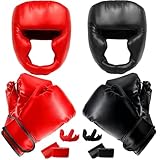
Ever wondered if those big, padded boxing gloves really protect you from getting hurt? It’s a question that pops into most people’s heads when they first see a boxing match or try a boxing class. We’ve all seen the knockouts, the swelling, and the blood, and it’s natural to wonder how much those gloves actually help. The truth is, boxing gloves are essential for safety, but they don’t make you invincible.
In this article, we’ll break down the science behind boxing gloves, how they work, and what you can expect when you step into the ring. We’ll explore the impact of different glove types, the areas of the body most vulnerable to punches, and the factors that influence the level of pain. Get ready to learn the real deal about the sweet science and the protection it offers.
We will examine the nuances of impact, the importance of proper technique, and the overall role of gloves in the sport. So, let’s get started and unravel the mysteries of boxing and pain.
The Science of Boxing Gloves: What They Do
Boxing gloves are more than just padded hand coverings; they’re carefully designed pieces of equipment engineered to protect both the boxer throwing the punch and the boxer receiving it. Their primary function is to distribute the force of a punch over a wider area, thereby reducing the localized impact. This helps to minimize the risk of cuts, broken bones, and other injuries.
Key Components of a Boxing Glove
Let’s take a closer look at the key elements that make up a boxing glove:
- Padding: This is the most crucial part, typically made of layers of foam or a combination of foam and other materials. The padding absorbs and disperses the force of the punch. The density and thickness of the padding vary depending on the glove type and intended use.
- Leather or Synthetic Outer Layer: This provides durability and protects the padding from wear and tear. High-quality leather is often preferred for its longevity and ability to withstand repeated impacts. Synthetic materials are becoming increasingly popular due to their affordability and performance.
- Wrist Support: A secure wrist closure, such as a Velcro strap or laces, provides stability and helps prevent wrist injuries. This is especially important for beginners who may not yet have developed perfect punching form.
- Thumb Protection: A well-designed thumb compartment helps protect the thumb from hyperextension and other injuries. This is often integrated into the glove’s design to offer maximum protection.
How Gloves Reduce Impact
The effectiveness of boxing gloves lies in their ability to absorb and distribute the kinetic energy generated by a punch. When a punch lands, the force is spread across a larger surface area, reducing the pressure on any single point. The padding compresses, absorbing some of the energy, while the outer layer helps to maintain the glove’s shape and integrity. This process significantly reduces the risk of fractures and other serious injuries, especially to the hands and face.
Types of Boxing Gloves: A Detailed Comparison
Not all boxing gloves are created equal. Different types of gloves are designed for specific purposes, such as training, sparring, or competition. Understanding the differences between these glove types is essential for choosing the right equipment.
Training Gloves
Training gloves are designed for general use, including bag work, pad work, and some sparring. They typically have thicker padding than competition gloves to provide greater protection for the hands and wrists. Training gloves are available in various weights, typically ranging from 12 to 16 ounces. The weight of the glove affects the amount of padding and the overall feel.
Sparring Gloves
Sparring gloves are specifically designed for controlled sparring sessions. They usually have even more padding than training gloves, particularly around the knuckles and the back of the hand. This extra padding helps to minimize the risk of injury to both sparring partners. Sparring gloves are often heavier than training gloves, typically weighing 14 to 18 ounces, to further reduce the impact of punches. (See Also: Are Muay Thai Gloves The Same As Boxing Gloves )
Competition Gloves
Competition gloves are designed for professional boxing matches. They are typically lighter and have less padding than training or sparring gloves. This allows for faster punches and greater precision. However, the reduced padding means that punches can be more impactful. Competition gloves are usually around 8 to 10 ounces for professional fights, although this can vary based on the weight class of the fighters.
Bag Gloves
Bag gloves are specifically designed for heavy bag training. They have less padding than training gloves and are often more compact. This allows for a more direct feel and can help improve punching technique. However, because of the reduced padding, bag gloves should not be used for sparring or other types of training where greater protection is needed.
Glove Weight and Its Significance
The weight of a boxing glove is a crucial factor, influencing both the protection offered and the training experience. Heavier gloves provide more padding and, therefore, greater protection, but they can also slow down hand speed and increase fatigue. Lighter gloves allow for faster punches but offer less protection. The choice of glove weight depends on the intended use and the individual’s training goals.
Here’s a table summarizing the different types of boxing gloves and their key characteristics:
| Glove Type | Typical Weight | Primary Use | Padding | Key Features |
|---|---|---|---|---|
| Training Gloves | 12-16 oz | General training, bag work, pad work | Thick | Good all-around protection |
| Sparring Gloves | 14-18 oz | Sparring | Very thick | Maximum protection for both partners |
| Competition Gloves | 8-10 oz (varies) | Professional fights | Less | Faster punches, greater precision |
| Bag Gloves | Varies | Heavy bag training | Less | Compact design, direct feel |
Does It Still Hurt? The Reality of Impact
Even with boxing gloves, punches still hurt. The level of pain depends on a variety of factors, including the type of glove, the force of the punch, the area of the body struck, and the individual’s pain tolerance. While gloves significantly reduce the impact, they don’t eliminate it entirely.
Factors Influencing Pain
Several factors contribute to the level of pain experienced during a boxing match or training session:
- Glove Type: As we’ve discussed, the type of glove makes a big difference. Sparring gloves, with their extra padding, will generally cause less pain than competition gloves.
- Punching Power: The harder the punch, the more it will hurt. A well-placed, powerful punch can still cause significant pain, even with gloves.
- Target Area: Some areas of the body are more sensitive than others. Punches to the head, face, and body can result in different levels of pain.
- Pain Tolerance: Everyone has a different pain threshold. Some individuals are naturally more resilient to pain than others.
- Technique: Poor technique can lead to more impactful punches, even with gloves. Proper technique helps to distribute the force more effectively.
Common Areas of Impact and Pain
Certain areas of the body are more vulnerable to the impact of punches, even with gloves. These include:
- The Head: The face, jaw, and temples are particularly sensitive. Punches to these areas can cause significant pain and even lead to concussions.
- The Body: The liver, kidneys, and solar plexus are vulnerable to body shots. These areas are not protected by bone and can be extremely painful to hit.
- The Hands: While gloves protect the hands, they are still susceptible to injury if punches are thrown improperly or if the gloves are not well-made.
- The Nose: The nose is another sensitive area. Even with a well-padded glove, a direct hit to the nose can be painful.
The Role of Pain in Boxing
Pain is an unavoidable aspect of boxing, but it also serves as an important feedback mechanism. It helps fighters to understand the impact of their punches and to adjust their technique and strategy. Pain can also be a motivator, pushing fighters to become tougher and more resilient. However, it’s crucial to distinguish between manageable pain and pain that indicates a serious injury. Fighters and coaches must prioritize safety and know when to stop. (See Also: Can You Wrestle In Boxing Shoes )
Beyond the Gloves: Other Protective Measures
While boxing gloves are the primary protective equipment, other measures are used to minimize the risk of injury:
Headgear
Headgear is designed to protect the head and face from cuts, bruises, and concussions. It typically covers the forehead, cheeks, and ears. While headgear can reduce the risk of injury, it doesn’t eliminate it entirely. It’s often required in amateur boxing and is sometimes used in professional training and sparring.
Mouthguards
A mouthguard is a critical piece of protective equipment that protects the teeth and gums. It helps to prevent dental injuries and can also reduce the risk of concussions by absorbing some of the impact. Mouthguards are mandatory in all boxing matches and training sessions.
Groin Protection
Groin protectors are designed to protect the groin area from low blows. This is a vital piece of equipment, as a shot to the groin can be extremely painful and potentially lead to serious injury. Groin protectors are mandatory in most boxing events.
Proper Training and Conditioning
Proper training and conditioning are essential for minimizing the risk of injury. This includes:
- Technical proficiency: Learning and practicing proper punching technique is crucial.
- Strength and conditioning: Building strength and endurance helps fighters to withstand the physical demands of boxing.
- Sparring safely: Controlled sparring sessions with experienced partners are essential for developing skills and minimizing injury risk.
- Rest and recovery: Allowing the body adequate time to rest and recover is critical for preventing injuries.
Technique and Its Impact on Pain
Proper boxing technique plays a crucial role in minimizing the impact of punches and reducing the risk of injury. Technique impacts the power and precision of a punch, which in turn influences how much it hurts.
The Importance of Proper Form
Incorrect technique can lead to several problems:
- Increased Impact: Poor form can result in less efficient transfer of energy, leading to more impactful punches.
- Increased Risk of Injury: Poor technique can put undue stress on the hands, wrists, and other joints, increasing the risk of injury.
- Inefficiency: Inefficient technique wastes energy and reduces the fighter’s stamina.
Key Elements of Good Technique
Here are some key elements of proper boxing technique: (See Also: Is Everlast Good Boxing Gloves )
- Stance: A balanced stance provides a solid base and allows for efficient movement and power generation.
- Footwork: Proper footwork is essential for moving around the ring, setting up punches, and avoiding attacks.
- Punching Mechanics: Proper punching mechanics involve the coordinated use of the entire body to generate power. This includes the correct use of the legs, hips, core, and shoulders.
- Defense: Effective defensive techniques, such as blocking, slipping, and weaving, are crucial for avoiding punches and minimizing the impact of blows.
- Breathing: Proper breathing helps to maintain stamina and control during the fight.
How Technique Reduces Pain
Proper technique helps to distribute the force of a punch more effectively, reducing the localized impact and, therefore, the level of pain. A well-executed punch delivers maximum power while minimizing the risk of injury to both the puncher and the recipient. By focusing on technique, fighters can reduce the impact of their punches and improve their chances of success in the ring.
Pain Management and Recovery in Boxing
Even with protective equipment and good technique, pain is an inevitable part of boxing. Proper pain management and recovery strategies are essential for allowing fighters to continue training and competing safely.
Dealing with Pain During Training and Fights
Here are some strategies for managing pain during training and fights:
- Listen to Your Body: Pay attention to the signals your body is sending. Don’t push through pain that indicates a potential injury.
- Proper Warm-Up: A thorough warm-up prepares the body for the physical demands of boxing.
- Cool-Down and Stretching: A cool-down and stretching routine helps to reduce muscle soreness and promote recovery.
- Pain Relief: Over-the-counter pain relievers can help to manage minor aches and pains. However, it’s important to use them responsibly and to consult with a doctor if the pain is severe or persistent.
Recovery Strategies
Effective recovery strategies are essential for allowing the body to heal and rebuild after a boxing workout or fight:
- Rest: Adequate rest is crucial for allowing the body to repair itself.
- Nutrition: A balanced diet that includes plenty of protein, carbohydrates, and healthy fats is essential for muscle repair and energy replenishment.
- Hydration: Staying hydrated is essential for overall health and recovery.
- Ice and Heat: Ice can help to reduce inflammation, while heat can help to relax muscles.
- Massage: Massage can help to reduce muscle soreness and improve blood flow.
- Sleep: Getting enough sleep is crucial for overall health and recovery.
When to Seek Medical Attention
It’s important to know when to seek medical attention. If you experience any of the following, consult a doctor immediately:
- Severe pain that doesn’t subside.
- Swelling or bruising that worsens.
- Difficulty moving a joint.
- Any signs of a concussion (e.g., headache, dizziness, nausea, confusion).
- Any other concerning symptoms.
The Psychological Aspect of Pain
Boxing is as much a mental game as it is a physical one. The ability to manage pain and maintain focus is a key factor in success. Mental toughness and resilience are essential for enduring the physical demands of the sport.
Mental Strategies for Dealing with Pain
Here are some mental strategies that can help fighters deal with pain:
- Visualization: Visualizing success and positive outcomes can help to boost confidence and reduce anxiety.
- Positive Self-Talk: Using positive self-talk can help to maintain a positive attitude and focus on the task at hand.
- Breathing Techniques: Deep breathing exercises can help to calm the nerves and manage pain.
- Focusing on the Goal: Keeping the ultimate goal in mind can help fighters to stay motivated and push through the pain.
- Mindfulness: Practicing mindfulness can help fighters to stay present in the moment and manage their emotions.
Building Mental Resilience
Mental resilience is the ability to bounce back from adversity. It’s an essential trait for boxers. Here are some ways to build mental resilience:
- Challenge Yourself: Step outside of your comfort zone and try new things.
- Learn from Setbacks: View setbacks as opportunities for growth.
- Develop a Positive Mindset: Focus on the positive aspects of your life and training.
- Seek Support: Surround yourself with a supportive network of friends, family, and coaches.
- Practice Gratitude: Take time each day to appreciate the good things in your life.
Final Thoughts
While boxing gloves are designed to protect, they do not eliminate pain. The level of pain experienced depends on multiple factors, including glove type, punch power, and individual pain tolerance. Proper technique, protective gear, and pain management strategies are crucial for minimizing injury. Boxing is a demanding sport that requires both physical and mental resilience.
Understanding these aspects will help anyone involved in the sport, from the casual enthusiast to the seasoned professional, to appreciate the risks and rewards of boxing and to train safely and effectively. Ultimately, the goal is to enjoy the sport while minimizing the potential for serious harm. The combination of protective equipment, proper technique, and mental fortitude allows boxers to compete and train with greater safety, while still experiencing the intensity and challenge that makes the sport so captivating.