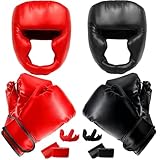
So, you’re ready to lace up your gloves and step into the ring (or the gym, at least!). That’s fantastic! Boxing is a phenomenal workout and a challenging sport. But before you start throwing punches, there’s one crucial detail to get right: making sure your boxing gloves fit properly. A poorly fitted glove can lead to discomfort, injury, and a less-than-stellar training experience.
This guide is here to walk you through the process of determining if your boxing gloves fit correctly. We’ll cover everything from how to measure your hand to understanding the different glove types and how they should feel. I’ll provide you with practical tips and advice to ensure you’re equipped with the right gear. Let’s get started and make sure you’re ready to train safely and effectively!
Getting the right fit is about more than just comfort; it’s about protecting your hands and wrists. Let’s explore the essential aspects of finding the perfect fit for your boxing gloves and ensure you’re well-prepared for your training sessions.
Understanding Boxing Glove Sizing: A Deep Dive
Boxing glove sizing isn’t as straightforward as shoe sizing. It’s primarily based on two factors: your hand circumference and the weight of the glove, which is measured in ounces (oz). While hand circumference determines the glove’s overall size, the weight impacts the padding and the amount of protection offered.
Generally, glove sizes range from 8 oz to 16 oz, and sometimes even heavier. The most common sizes for general training are 12 oz, 14 oz, and 16 oz. The correct size depends on your weight, the type of training you’re doing, and your experience level.
Measuring Your Hand Circumference
The first step in determining your boxing glove size is to measure your hand circumference. This is the distance around your hand at its widest point, excluding your thumb. Here’s how to do it:
- Get a Flexible Measuring Tape: A tailor’s tape measure is ideal. If you don’t have one, you can use a piece of string and a ruler.
- Make a Fist: Clench your hand into a loose fist, as if you were about to punch.
- Wrap the Tape: Wrap the measuring tape around the knuckles of your dominant hand. Ensure the tape is snug but not too tight.
- Read the Measurement: Note the measurement in inches or centimeters. This is your hand circumference.
Once you have your hand circumference, you can use a sizing chart to determine the glove size that’s right for you. However, keep in mind that sizing charts can vary slightly between brands, so always consult the manufacturer’s size guide.
Boxing Glove Weight and Its Significance
The weight of a boxing glove is crucial, as it directly impacts the amount of padding and protection it provides. Heavier gloves offer more protection for your hands and your sparring partner’s face, while lighter gloves are generally used for speed work and competitions.
Here’s a general guideline for glove weights:
- 8 oz Gloves: These are typically used for competitions by lighter weight classes. They offer minimal padding.
- 10 oz Gloves: Also often used in competition, particularly for lighter weight divisions.
- 12 oz Gloves: Commonly used for training, especially by lighter individuals and for bag work. Provides a balance of protection and speed.
- 14 oz Gloves: A popular choice for general training, sparring, and for heavier individuals. Offers increased padding.
- 16 oz Gloves: The standard for sparring, especially in gyms. Provides maximum protection for both the wearer and the sparring partner. Recommended for beginners.
Important Note: Always check with your gym or coach about the recommended glove weight for sparring. They often have specific requirements for safety reasons.
Sizing Charts: A Helpful Resource
Sizing charts provide a starting point for determining your glove size. However, remember that these are general guidelines, and it’s essential to try on gloves if possible. Here’s a sample sizing chart, but remember to always consult the manufacturer’s guide. (See Also: Are Muay Thai Gloves The Same As Boxing Gloves )
Example Boxing Glove Sizing Chart (General Guide):
| Hand Circumference (Inches) | Glove Size (oz) – Training/Bag Work | Glove Size (oz) – Sparring |
|---|---|---|
| Under 7 | 10 oz or 12 oz | 14 oz or 16 oz |
| 7 – 8 | 12 oz or 14 oz | 16 oz |
| 8 – 9 | 14 oz | 16 oz |
| Over 9 | 14 oz or 16 oz | 16 oz |
Disclaimer: This is a general guide. Always check the manufacturer’s sizing guide before purchasing gloves.
How Boxing Gloves Should Feel: The Perfect Fit
Once you’ve measured your hand and selected a glove size, it’s time to try them on. The way a boxing glove feels is just as important as the size. Here’s what you should look for:
The Importance of Hand Wraps
Before putting on your gloves, you *must* wear hand wraps. Hand wraps provide extra support to your wrists and knuckles and absorb sweat. They also add bulk to your hand, affecting the fit of your gloves.
How to Wear Hand Wraps Correctly:
- Start with the Thumb Loop: Place the loop over your thumb.
- Wrap the Wrist: Wrap the bandage around your wrist several times, securing the support.
- Wrap the Hand: Proceed to wrap around your knuckles, fingers, and the back of your hand, providing support.
- Secure the Wraps: Finish by securing the Velcro closure.
Ensure your hand wraps are snug but not too tight, as this can restrict blood flow.
Putting on the Gloves and Assessing the Fit
With hand wraps on, put on the gloves and assess the fit. Here’s what to look for:
- Snug Fit: The gloves should feel snug, but not constricting. You should be able to make a fist comfortably.
- Enough Room: There should be a little space (about an inch) between your fingertips and the end of the glove.
- Wrist Support: The wrist area should fit snugly, providing good support. The cuff should ideally extend past your wrist for extra protection.
- No Pressure Points: There should be no areas where the glove is pressing uncomfortably against your hand.
If you feel any pinching, tightness, or excessive looseness, try a different size or brand.
Testing the Fit: Throwing Punches
Once the gloves feel comfortable, it’s time to test them out. Throw some punches in the air, mimicking different boxing combinations. Pay attention to:
- Comfort: Do the gloves feel comfortable when you punch?
- Freedom of Movement: Can you move your hands and wrists freely?
- Impact: Do you feel like the gloves provide adequate protection when you hit an imaginary target?
If anything feels off, the gloves may not be the right fit. (See Also: Can You Wrestle In Boxing Shoes )
Different Types of Boxing Gloves and Their Fit
Boxing gloves come in several types, each designed for a specific purpose. The fit can vary slightly depending on the type of glove.
Training Gloves
These are the most common type of boxing glove and are designed for general training, including bag work, pad work, and sparring. They typically have more padding than competition gloves. The fit should be snug, with good wrist support and enough room for your hand wraps.
Sparring Gloves
Sparring gloves are specifically designed for sparring sessions. They usually have more padding than training gloves to protect both you and your sparring partner. The fit should be comfortable and secure, with a focus on wrist support and impact absorption. 16 oz gloves are most commonly used.
Bag Gloves
Bag gloves are designed for use on heavy bags and speed bags. They are typically lighter and have less padding than training gloves. They fit more snugly. While you can use training gloves on a bag, it’s recommended to have a dedicated pair of bag gloves to conserve the life of your training gloves.
Competition Gloves
Competition gloves are used in official boxing matches. They have less padding than training and sparring gloves, allowing for more powerful punches. The fit is generally tighter, and the gloves are designed to meet specific regulations set by boxing organizations. These gloves are usually provided by the event organizers.
Common Fitting Issues and How to Solve Them
Even after following the sizing guide, you might encounter some fitting issues. Here’s how to address common problems:
Gloves Too Tight
If your gloves feel too tight, especially after you’ve put on your hand wraps, you should:
- Try a Larger Size: The simplest solution is to go up a size.
- Loosen Your Wraps: If the tightness is minimal, try loosening your hand wraps.
- Check the Brand: Some brands run smaller than others. Try a different brand.
Gloves Too Loose
Loose gloves can slide around during training, which can lead to injury. If your gloves are too loose:
- Try a Smaller Size: This is the most obvious solution.
- Adjust Your Wraps: Make sure your hand wraps are snug and provide good support.
- Consider a Different Brand: Some brands offer a more snug fit.
Wrist Support Issues
Poor wrist support can increase the risk of injury. If your gloves don’t provide adequate wrist support:
- Check the Cuff: The cuff should extend past your wrist.
- Ensure a Snug Fit: The wrist area should fit snugly.
- Consider Wrist Wraps: You can use additional wrist wraps for extra support.
Pressure Points
If you feel pressure points in your gloves: (See Also: Is Everlast Good Boxing Gloves )
- Try a Different Size: A different size might solve the problem.
- Check the Padding: The padding may not be correctly placed.
- Try a Different Brand: Some brands are better suited to different hand shapes.
Tips for Finding the Right Boxing Gloves
Here are a few extra tips to help you find the perfect fit:
- Read Reviews: Read reviews from other users to get an idea of the glove’s fit and quality.
- Try Before You Buy: If possible, try on the gloves before you buy them. Visit a local sporting goods store or boxing gym.
- Consider Your Training Style: If you’re primarily training for sparring, prioritize gloves with more padding. For bag work, you can opt for gloves with less padding.
- Don’t Rush: Take your time to find the right gloves. It’s an investment in your safety and enjoyment of the sport.
- Consult a Professional: If you’re unsure, ask a coach or experienced boxer for advice.
- Consider Hand Wraps: Always factor in hand wraps when determining fit.
Maintaining Your Boxing Gloves
Once you’ve found the right gloves, it’s essential to take care of them to extend their lifespan and maintain their performance. Here are some tips:
- Air Them Out: After each training session, air out your gloves to prevent moisture buildup and the growth of bacteria.
- Use Glove Deodorizers: Use glove deodorizers or inserts to absorb moisture and eliminate odors.
- Clean the Exterior: Wipe down the exterior of your gloves with a damp cloth after each use. Avoid using harsh chemicals.
- Store Properly: Store your gloves in a cool, dry place away from direct sunlight.
- Rotate Gloves: If you train frequently, consider having two pairs of gloves and rotating them to allow them to dry out completely.
Frequently Asked Questions About Boxing Glove Fit
Here are some frequently asked questions about boxing glove fit:
Can I Use My Gloves for Both Sparring and Bag Work?
While you *can* use the same gloves for both, it’s generally recommended to have separate pairs. Sparring gloves typically have more padding, while bag gloves are designed for the specific demands of bag work. Using the same gloves for both can accelerate wear and tear.
How Long Should My Boxing Gloves Last?
The lifespan of your boxing gloves depends on several factors, including the quality of the gloves, how often you use them, and how well you take care of them. With proper care, a good pair of gloves can last for several years. However, the padding will compress over time, reducing their protective capabilities. Inspect your gloves regularly for any signs of wear and tear.
What If My Gloves Don’t Feel Right After a Few Training Sessions?
Sometimes, gloves may feel different after a few training sessions as the padding breaks in. However, if the fit feels consistently uncomfortable or if you experience pain, it’s best to re-evaluate the fit. Try adjusting your hand wraps, and if the issue persists, consider trying a different size or brand.
Can I Buy Gloves Online?
Yes, you can buy gloves online, but it’s important to be cautious. Always check the manufacturer’s sizing guide and read reviews. If possible, try on gloves at a local store to determine your size before making an online purchase. Be sure to check the return policy.
How Important Is the Brand of the Boxing Glove?
The brand of the boxing glove is important, as different brands have varying levels of quality and fit. Reputable brands often provide better padding, wrist support, and overall construction. Research different brands and read reviews to find one that suits your needs and budget. Some popular and well-regarded brands include Everlast, Ringside, Title, Cleto Reyes, and Winning.
What If I Have Small Hands?
If you have small hands, you might find that some gloves feel too bulky. Look for gloves specifically designed for smaller hands. Youth gloves can sometimes fit well, but make sure they have adequate padding and wrist support.
Final Verdict
Finding the right fit for your boxing gloves is a crucial step in ensuring a safe and enjoyable training experience. By understanding how to measure your hand, considering glove weight, and assessing the fit with hand wraps, you can make an informed decision. Remember that comfort, wrist support, and adequate padding are essential factors. Take your time, try on different gloves, and don’t hesitate to seek advice from experienced boxers or trainers. With the right gloves, you’ll be well on your way to perfecting your technique and enjoying the many benefits of boxing.