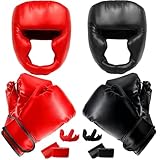
Ever wondered if those padded boxing gloves actually make a punch *more* painful? It’s a question that pops into the minds of anyone watching a boxing match or even just seeing them in a gym. You might assume that all that cushioning would soften the blow, right? Well, the reality is a bit more complicated than that. In this article, we’ll explore the science behind boxing gloves, the mechanics of a punch, and the surprising ways these gloves impact the experience of getting hit.
We’ll break down the types of gloves, the materials they’re made of, and how they distribute (or don’t distribute) force. This isn’t just about the hurt factor; it’s also about protecting the boxer and, perhaps surprisingly, about the strategic considerations that come into play. So, if you’re curious about the impact of boxing gloves, get ready to learn the facts.
The Anatomy of a Punch: Force and Impact
To understand the pain (or lack thereof), we need to examine what happens when a punch lands. It’s a complex interaction of physics and biology. Let’s break it down:
Force, Mass, and Acceleration
The core concept is Newton’s Second Law of Motion: Force = Mass x Acceleration. A punch’s power is determined by the mass of the fist and arm involved and how quickly they’re moving. A heavier fist moving fast = a lot of force. The gloves themselves add to the mass, but the speed of the punch is the critical factor.
The Role of Impact
When a punch connects, the force transfers to the target. This transfer happens over a specific area. The smaller the contact area, the more concentrated the force and the more likely it is to cause pain and damage. Think of being poked with a finger versus being hit with a closed fist. The concentrated force of the fist makes it hurt much more.
The Body’s Response
Our bodies are designed to sense and react to pain. When a punch lands, nerve endings send signals to the brain. The brain processes these signals, triggering responses like muscle contraction (to brace against the impact), and the release of endorphins (the body’s natural painkillers). The intensity of this response depends on the amount of force and the area affected.
Boxing Gloves: Types and Materials
Boxing gloves aren’t all created equal. Different types are designed for different purposes, and the materials used play a significant role in how a punch feels.
Training Gloves
These are the workhorses of the boxing world. They are used for sparring, heavy bag work, and general training. Training gloves typically weigh between 12 and 16 ounces (oz), with the heavier gloves offering more protection. The padding is usually layered, with foam and sometimes gel inserts to absorb impact. The goal is to protect both the boxer’s hands and the sparring partner.
- Weight: 12oz to 16oz
- Padding: Layered foam, gel inserts common
- Purpose: Training, sparring, heavy bag work
Competition Gloves
Competition gloves are designed for actual fights. They are generally lighter than training gloves, usually weighing 8 to 10 oz. This reduction in weight allows for faster punches. However, they typically have less padding than training gloves, leading to a higher impact force. Professional fights often use these, and they are designed to be more about the fight itself than the safety. Different boxing organizations regulate the specific construction and padding of competition gloves.
- Weight: 8oz to 10oz
- Padding: Less padding than training gloves
- Purpose: Competitive fights
Bag Gloves
Bag gloves are a simpler, more compact type of glove designed specifically for hitting heavy bags. They usually have less padding than training gloves, which allows the boxer to feel the impact and develop hand speed. They are not recommended for sparring because they don’t provide adequate protection for the sparring partner.
- Weight: Varies, generally lighter
- Padding: Less than training gloves
- Purpose: Heavy bag work
Materials Matter
The materials used in boxing gloves are vital. The outer shell is usually made from leather or synthetic materials, such as polyurethane (PU) or microfiber. The padding is typically a combination of foams, including latex foam, memory foam, and sometimes gel. Leather is more durable and lasts longer, while synthetic materials can be more affordable. The quality and composition of the padding directly affect how much impact is absorbed.
Do Boxing Gloves Really Reduce Pain? The Science of Impact Absorption
The short answer is: it’s complicated. Boxing gloves do offer a degree of protection, but they don’t eliminate pain. Here’s how they work and why the experience is nuanced. (See Also: Are Muay Thai Gloves The Same As Boxing Gloves )
Impact Distribution
The primary function of boxing glove padding is to distribute the force over a larger area. This reduces the concentration of force and, theoretically, minimizes the impact on a smaller area. Instead of a fist’s small surface area taking the brunt of the hit, the padding spreads the force across a broader space. This is why a punch with a glove feels different than a bare-knuckle punch.
Padding Materials and Their Effect
The type of padding plays a crucial role. Dense foams absorb more energy, while less dense foams may offer less protection. Gel inserts are designed to absorb and disperse impact energy as well. The layering of different padding materials further enhances the protection. The quality of the padding will determine how much force is absorbed.
The Role of the Boxer’s Technique
A boxer’s technique significantly impacts the force of a punch. A well-executed punch that lands squarely with proper form will be more powerful than a sloppy punch. Poor technique can lead to the boxer’s hands being hurt more and the opponent receiving less force.
The Perception of Pain
Pain is subjective. Several factors influence how a punch feels, including the location of the impact, the boxer’s conditioning, and the recipient’s pain threshold. What one person perceives as a minor sting, another might find excruciating.
Bare-Knuckle vs. Boxing Gloves: A Comparison
The difference between bare-knuckle fighting and boxing with gloves is stark. The absence of gloves in bare-knuckle fighting means the force of a punch is concentrated on a small area, leading to more immediate and severe damage. Boxing gloves, on the other hand, spread the force, reducing the likelihood of cuts, broken bones, and other injuries.
Impact on the Boxer
Bare-knuckle fighting is incredibly damaging to the hands. Without the protection of gloves, the bones in the hand, especially the metacarpals, are highly susceptible to fractures. The risk of cuts, abrasions, and other injuries is also significantly higher. In contrast, boxing gloves protect the hands, allowing boxers to throw more punches with greater force and frequency. Gloves reduce the chance of hand injuries.
Impact on the Opponent
While boxing gloves can reduce the severity of cuts and broken bones, they don’t necessarily make the punch feel less painful. The distributed force can still cause significant damage, including concussions, bruising, and internal injuries. Bare-knuckle punches, while causing more external damage, might actually lead to less overall damage due to the shorter fight times and the emphasis on survival.
Here’s a table summarizing the key differences:
| Feature | Bare-Knuckle Fighting | Boxing with Gloves |
|---|---|---|
| Impact Area | Concentrated | Distributed |
| Hand Injury Risk | Very High | Lower |
| Cuts & Abrasions | High | Lower |
| Punching Frequency | Lower | Higher |
| Overall Damage | Potentially less overall damage due to shorter fights | Potentially more overall damage due to more punches landed |
Why Boxing Gloves Are Used: Beyond Pain Reduction
While reducing pain is a factor, it’s not the primary reason for using boxing gloves. Their use is multi-faceted:
Protection for the Boxer
Boxing gloves protect the hands, wrists, and knuckles of the boxer. This allows boxers to train harder, throw more punches, and extend their careers. Without gloves, hand injuries would be far more common, leading to significant downtime and potentially ending careers prematurely. They are critical for the long-term health of the athletes.
Protection for the Opponent
Gloves also protect the opponent from cuts, abrasions, and bone fractures. This makes the sport safer and allows for longer, more competitive matches. Reducing the risk of serious injury is a core ethical consideration in the sport. (See Also: Can You Wrestle In Boxing Shoes )
Allowing for More Punches
Gloves enable boxers to throw more punches with greater force and frequency. This results in more exciting and dynamic fights. Without gloves, fighters would be forced to be more cautious, reducing the offensive output, and making the sport less appealing. The gloves enable the sport’s style.
Standardization and Regulation
Boxing gloves are standardized and regulated by boxing commissions and organizations. This ensures fair competition, consistent safety standards, and minimizes the risk of unfair advantages.
Factors Influencing Pain Perception
The experience of pain from a punch is influenced by several factors, including:
The Puncher’s Skill
A skilled boxer can generate more force and land punches more accurately, increasing the potential for pain. The speed, accuracy, and technique of the puncher all matter.
The Location of the Impact
Certain areas of the body are more sensitive than others. A punch to the jaw, temple, or liver, for example, is likely to be more painful than a punch to the shoulder. The target area has a huge effect.
The Recipient’s Conditioning
A well-conditioned boxer will be more resilient to punches than someone who is out of shape. Muscle density and overall physical fitness play a role in absorbing impact. Training and conditioning will help.
The Recipient’s Pain Threshold
Everyone has a different pain threshold. What one person finds excruciating, another might barely notice. This is a highly individual factor.
Mental State
The recipient’s mental state can also influence their pain perception. Focus, determination, and the will to fight can all impact how a boxer experiences a punch. Mental fortitude is key.
Type of Glove and Punch
As discussed, the type of glove and the type of punch also have an effect. A glancing blow with a training glove will feel different than a direct hit with a competition glove.
Common Misconceptions About Boxing Gloves
Let’s clear up some common myths about boxing gloves:
Myth: Boxing Gloves Eliminate Pain.
As we’ve established, boxing gloves don’t eliminate pain; they distribute the force. Punches still hurt. (See Also: Is Everlast Good Boxing Gloves )
Myth: Heavier Gloves Always Offer More Protection.
While heavier gloves provide more padding, they can also slow down a boxer’s punches. The appropriate weight depends on the training or fighting context.
Myth: All Boxing Gloves Are the Same.
There are different types of boxing gloves, each designed for a specific purpose and offering varying levels of protection and impact. Training, competition, and bag gloves each have different specifications.
Myth: Boxing Gloves Make You Invincible.
Boxing gloves protect the hands and reduce the risk of certain injuries, but they don’t make a boxer immune to damage. Punches still cause significant impact and can lead to injury.
Training and Conditioning for Impact
Boxers don’t just rely on gloves; they also condition their bodies to withstand impact. This involves:
Strength Training
Building strong muscles, especially in the core and upper body, helps absorb and distribute the force of punches. A stronger core can help with bracing and absorbing blows.
Cardiovascular Training
Cardio enhances stamina, allowing boxers to maintain their guard and endure more punches. A good cardio base is essential for enduring a fight.
Sparring and Pad Work
Sparring and pad work accustom boxers to receiving punches and help them develop their defensive skills. This trains the body to react to impacts.
Proper Diet and Rest
A healthy diet and sufficient rest are essential for recovery and injury prevention. The body needs fuel and time to repair and rebuild.
Final Thoughts
So, do hits hurt more with boxing gloves? The answer is nuanced. While gloves distribute force and protect against some injuries, they don’t eliminate pain. In fact, due to the increased frequency and force of punches, gloves can lead to more overall damage. The experience of being hit depends on various factors, including the type of glove, the puncher’s skill, and the recipient’s conditioning and pain threshold. Boxing gloves are crucial for protecting the boxer’s hands and allowing more punches to be thrown, but they don’t erase the impact of a well-placed blow.
Ultimately, the goal is not to eliminate pain, but to manage it and minimize the risk of serious injury while still allowing for a competitive and engaging sport. The choice of gloves and the strategies employed by boxers reflect a balance between offense, defense, and the athlete’s long-term health. The sport is inherently risky, but the gloves are a vital component in minimizing the risks.