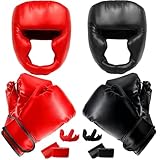
So, you’re pounding the heavy bag, sparring with your buddies, or just getting started in the sweet science. You’ve got your gloves on, feeling the power, and putting in the work. But have you ever stopped to think about how long those gloves will last? Do boxing gloves wear out, eventually becoming less effective, or even dangerous?
The answer, like most things in boxing, isn’t a simple one. It depends on a bunch of factors: how often you train, the intensity of your workouts, the quality of your gloves, and even how well you take care of them. This guide will walk you through everything you need to know about boxing glove wear and tear, from the signs to watch for to how to extend their lifespan. We’ll cover the different types of gloves, the materials they’re made from, and the best practices for keeping them in top shape. Let’s get started!
Understanding Boxing Glove Lifespan
Boxing gloves, like any piece of athletic equipment, aren’t designed to last forever. They’re subjected to immense forces with every punch, absorbing the impact of your strikes and protecting your hands. Over time, the materials break down, the padding compresses, and the gloves lose their ability to effectively cushion your blows. This gradual degradation can lead to a number of problems, including reduced hand protection, increased risk of injury, and a decline in your overall performance.
Factors Affecting Boxing Glove Wear and Tear
Several factors contribute to how quickly your boxing gloves will wear out. Understanding these factors is crucial for making informed decisions about glove selection, maintenance, and replacement.
- Training Frequency: The more often you train, the faster your gloves will wear out. If you’re hitting the heavy bag several times a week, your gloves will experience significantly more stress than if you only train occasionally.
- Training Intensity: High-intensity workouts, involving powerful punches and a lot of sparring, will accelerate the wear and tear process. The harder you hit, the more impact your gloves absorb.
- Glove Material and Quality: The materials used in the construction of your gloves play a huge role in their durability. Higher-quality gloves, made from premium materials like full-grain leather, tend to last longer than cheaper alternatives.
- Type of Training: Different types of training put different stresses on your gloves. Heavy bag work, for example, can be particularly harsh on the padding, while sparring puts more stress on the wrist support and the glove’s overall structure.
- Proper Care and Maintenance: Taking good care of your gloves, including cleaning them regularly, storing them properly, and allowing them to dry thoroughly after use, can significantly extend their lifespan.
Materials Used in Boxing Gloves
The materials used in boxing gloves directly impact their durability, performance, and price. Here’s a breakdown of the most common materials:
- Leather: Leather is the gold standard for boxing gloves, offering excellent durability, comfort, and performance. Full-grain leather is the highest quality, known for its longevity and resistance to wear and tear. It also breathes well and conforms to the shape of your hand over time. However, leather gloves typically come with a higher price tag.
- Synthetic Leather (PU/PVC): Synthetic leather gloves are a more affordable alternative to leather. They’re often made from polyurethane (PU) or polyvinyl chloride (PVC). While they may not be as durable as leather, they can still provide good performance and protection, especially for beginners or those on a budget. However, synthetic leather tends to crack and peel over time.
- Padding Materials: Boxing gloves use various padding materials to absorb impact and protect your hands. Common padding materials include:
- Foam: High-density foam is a common and affordable padding material. It provides good shock absorption but can compress over time.
- Multi-Layered Foam: Many gloves use a combination of different foam densities to provide enhanced protection and impact absorption.
- Gel: Some gloves incorporate gel padding for superior shock absorption and hand protection. Gel padding can also help to distribute impact forces more evenly.
- Lining Materials: The inner lining of the glove is crucial for comfort and moisture wicking. Common lining materials include:
- Suede: Provides a soft and comfortable feel against the skin.
- Polyester/Nylon: These synthetic materials offer good moisture-wicking properties to keep your hands dry.
Signs Your Boxing Gloves Are Wearing Out
Knowing the signs of wear and tear is crucial for protecting your hands and preventing injuries. Here are some key indicators that your boxing gloves may need replacing: (See Also: Are Muay Thai Gloves The Same As Boxing Gloves )
- Compression of Padding: This is the most common sign of wear and tear. If the padding feels thinner or less dense than it used to, it’s not providing adequate protection. You might feel more impact when hitting the bag or sparring.
- Cracking or Peeling of the Outer Material: This is particularly common with synthetic leather gloves. Cracks and peeling indicate that the material is breaking down and the glove’s structural integrity is compromised.
- Torn Seams: Torn seams can weaken the glove’s structure and compromise its ability to protect your hands. If the stitching is coming apart, it’s time for a new pair.
- Loss of Wrist Support: If the wrist support feels loose or ineffective, the gloves may not be providing adequate protection against wrist injuries.
- Unpleasant Odor: A persistent, unpleasant odor, despite regular cleaning, can indicate the presence of bacteria and moisture buildup inside the gloves. This can also degrade the materials.
- Changes in Fit: If the gloves feel different than they used to, such as being too loose or too tight, it could be a sign that the padding has compressed or the materials have stretched out.
The Risks of Using Worn-Out Boxing Gloves
Using gloves that have reached the end of their lifespan can significantly increase your risk of injury. Here’s why:
- Increased Risk of Hand Injuries: Worn-out padding provides less shock absorption, putting your hands at risk of fractures, sprains, and bruises.
- Risk of Wrist Injuries: Compromised wrist support can lead to sprains and other wrist injuries.
- Increased Risk of Skin Infections: The buildup of bacteria and moisture inside worn-out gloves can increase your risk of skin infections.
- Reduced Performance: Gloves that don’t fit well or provide adequate protection can hinder your performance and make it harder to train effectively.
How to Extend the Lifespan of Your Boxing Gloves
While boxing gloves will eventually wear out, you can take steps to extend their lifespan and keep them in good condition. Here’s how:
Proper Cleaning and Maintenance
Regular cleaning and maintenance are essential for extending the life of your gloves. Here’s a step-by-step guide:
- After Each Use:
- Air Them Out: Remove your gloves from your bag immediately after training and let them air dry in a well-ventilated area. Avoid direct sunlight or heat, which can damage the materials.
- Wipe Them Down: Use a clean, damp cloth to wipe down the exterior of your gloves, removing sweat and dirt.
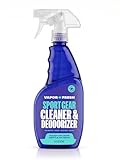
- Use Glove Deodorizers: Consider using glove deodorizers or inserts to absorb moisture and eliminate odors.
- Wipe Down the Interior: Turn the gloves inside out (if possible) and wipe down the interior with a damp cloth and mild soap solution.
- Use a Glove Cleaner: Consider using a specialized glove cleaner to remove dirt, sweat, and bacteria. Follow the manufacturer’s instructions.
- Allow Them to Dry Completely: Ensure your gloves are completely dry before storing them.
Storage Tips
Proper storage is crucial for preserving your gloves. Follow these tips:
- Store in a Dry, Well-Ventilated Area: Avoid storing your gloves in damp or humid environments, which can promote mold and mildew growth.
- Use a Glove Bag: A glove bag can help protect your gloves from dust and dirt.
- Avoid Extreme Temperatures: Don’t store your gloves in direct sunlight or extreme heat, as this can damage the materials.
- Use Glove Dryers: Consider using glove dryers to help remove moisture and prevent odor.
Additional Tips
- Use Hand Wraps: Always wear hand wraps when training. Hand wraps provide an extra layer of protection for your hands and wrists, and they also absorb sweat, which helps to keep your gloves cleaner.
- Rotate Your Gloves: If you train frequently, consider owning two pairs of gloves and rotating them. This allows each pair to dry out completely between uses, extending their lifespan.
- Avoid Sharing Gloves: Sharing gloves can spread bacteria and increase the risk of skin infections.
- Choose the Right Gloves for the Job: Use different gloves for different types of training. For example, heavier gloves might be better for heavy bag work, while lighter gloves are more suitable for sparring.
- Consider Glove Savers: Glove savers, also known as glove dogs, are inserts that help absorb moisture and maintain the shape of your gloves when not in use.
- Inspect Your Gloves Regularly: Check your gloves for signs of wear and tear after each training session.
Boxing Glove Types and Their Lifespans
Different types of boxing gloves are designed for different purposes, and their lifespans can vary accordingly. Here’s a look at the most common types: (See Also: Can You Wrestle In Boxing Shoes )
Training Gloves
Training gloves are designed for general use, including heavy bag work, pad work, and sparring. They typically have a balanced design, providing a good combination of protection and performance.
- Lifespan: 6 months to 2 years, depending on usage, quality, and care.
Sparring Gloves
Sparring gloves are specifically designed for sparring. They usually have extra padding and a softer feel to protect both you and your sparring partner.
- Lifespan: 6 months to 2 years, depending on usage, quality, and care. They may last slightly longer than training gloves due to less intense impact.
Heavy Bag Gloves
Heavy bag gloves are specifically designed for heavy bag work. They usually have denser padding in the knuckle area to withstand the constant impact of hitting a heavy bag.
- Lifespan: 4 months to 1.5 years, depending on usage, quality, and care. They tend to wear out faster due to the repetitive impact of heavy bag training.
Competition Gloves
Competition gloves are designed for use in professional fights. They’re typically lighter and have less padding than training or sparring gloves, allowing for faster punches. They are generally only used for the duration of a fight.
- Lifespan: Limited to the duration of a fight or a few fights, depending on their construction.
Other Glove Types
There are also specialized boxing gloves, such as: (See Also: Is Everlast Good Boxing Gloves )
- Hybrid Gloves: Designed for both bag work and sparring.
- MMA Gloves: Specifically designed for mixed martial arts training and competition.
The lifespan of these gloves will vary depending on their design and intended use.
Choosing the Right Boxing Gloves
Choosing the right boxing gloves is crucial for your safety and performance. Here’s what to consider:
- Material: Leather gloves generally offer superior durability and performance, but synthetic leather gloves can be a good option for beginners or those on a budget.
- Padding: Look for gloves with adequate padding in the knuckle area to protect your hands. Multi-layered foam or gel padding can provide excellent shock absorption.
- Weight: The weight of your gloves should be appropriate for your size and training needs. Heavier gloves provide more protection but can slow down your punches.
- Fit: The gloves should fit snugly but not too tightly. Your fingers should touch the end of the glove without being cramped.
- Wrist Support: Look for gloves with good wrist support to help prevent injuries.
- Brand Reputation: Research different brands and read reviews to find gloves from reputable manufacturers known for quality and durability.
- Intended Use: Choose gloves that are designed for the type of training you’ll be doing (e.g., training, sparring, heavy bag work).
Glove Weight Guide
Glove weight is measured in ounces (oz). Here’s a general guide to help you choose the right weight:
| Weight (oz) | Suggested Use | Notes |
|---|---|---|
| 8-10 oz | Competition, speed bag | Lighter weight for faster punches |
| 12-14 oz | Training, sparring (for lighter individuals) | Good balance of protection and speed |
| 14-16 oz | Training, sparring (for heavier individuals) | Provides more protection |
| 16-18 oz | Sparring, heavy bag work (for advanced trainers and heavy hitters) | Maximum protection |
Note: These are general guidelines. Consider your size, strength, and training needs when choosing the right weight.
When to Replace Your Boxing Gloves
Knowing when to replace your gloves is crucial for preventing injuries and maintaining your performance. Here are some guidelines:
- Regular Inspection: Inspect your gloves regularly for signs of wear and tear, such as compression of padding, cracking of the outer material, and torn seams.
- Performance Decline: If you notice a decline in your hand protection or your punches feel less powerful, it may be time to replace your gloves.
- Age of the Gloves: Even if your gloves look okay, consider replacing them after a certain amount of time, typically 1-2 years for training gloves and 6-12 months for heavy bag gloves, depending on usage.
- Professional Advice: If you’re unsure whether your gloves need replacing, consult with a boxing coach or experienced trainer. They can assess the condition of your gloves and provide expert advice.
- Injury Prevention: Prioritize safety. If you experience any hand or wrist pain while training, stop immediately and assess the condition of your gloves. Replace them if necessary.
Verdict
Taking care of your boxing gloves is an essential part of your training. By understanding how boxing gloves wear out, implementing proper maintenance practices, and knowing when to replace them, you can protect your hands, prevent injuries, and extend the life of your equipment. Remember to choose gloves that fit well, provide adequate protection, and are appropriate for your training needs. Regular inspection, cleaning, and storage are key to keeping your gloves in top condition. Ultimately, your gloves are an investment in your health and your performance. Don’t neglect them!