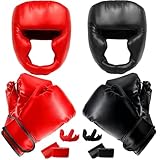
Ever wondered what happens when a boxer throws a punch? It’s a complex interaction of force, physics, and protection. At the heart of it all are the boxing gloves. They’re not just there for show; they play a crucial role in the sport. But do they soften the impact, reinforce it, or something in between?
This is a question that many people ask, from casual viewers to aspiring fighters. The answer is nuanced, depending on the glove’s design, the type of punch, and the specific rules of the fight. We’ll explore the science behind boxing gloves, breaking down how they function and what they’re actually designed to do. We’ll also look at different glove types and how they impact both the wearer and the recipient of the punches. Let’s delve in!
The Science of Impact: Force and Absorption
Before we get into the specifics of boxing gloves, let’s establish some fundamentals. Boxing is all about delivering and absorbing force. When a boxer throws a punch, they generate a significant amount of kinetic energy. This energy is transferred to the target upon impact. The degree of injury depends on the force of the impact and how it is distributed.
Force is calculated by the formula: Force = Mass x Acceleration. The greater the mass and acceleration of the fist, the greater the force. This is why a heavier boxer with a powerful punch can inflict more damage. The impact of a punch causes a rapid deceleration of the fist’s movement. This deceleration generates a force that is applied to the target.
Impact Absorption is the ability of a material to reduce the force transmitted during a collision. Materials with good impact absorption properties spread the force over a larger area and/or over a longer period of time, reducing the peak force experienced by the body. Think of a car’s crumple zone, which is designed to absorb the energy of a crash.
Boxing gloves are designed with impact absorption in mind. They act as a buffer between the boxer’s fist and the opponent’s body, and vice versa. They help to absorb some of the energy generated by the punch, reducing the force delivered to the target and protecting the hands.
The Role of Boxing Gloves: Protection and Safety
The primary function of boxing gloves is to protect the hands of the boxer. Repeatedly punching a hard surface, like an opponent’s head or body, without protection can lead to serious injuries. These injuries can include broken bones, sprains, and bruises. Boxing gloves provide a layer of cushioning that helps to distribute the impact force over a larger area, reducing the stress on the hand.
Boxing gloves also help to protect the recipient of the punches. By absorbing some of the impact energy, gloves can reduce the risk of serious injury to the opponent, such as concussions and facial trauma. This is especially important in professional boxing, where fighters can sustain hundreds of punches during a single bout.
The rules of boxing dictate the use of gloves for a reason. Without them, the sport would become incredibly dangerous, with frequent and severe injuries. Gloves are a fundamental element of safety in boxing, allowing fighters to compete with a reduced risk of serious harm.
How Boxing Gloves Work: Materials and Design
Boxing gloves are not just simple padded shells. Their design is a carefully considered process that balances protection, performance, and safety. Different components work together to achieve these goals.
Padding: The padding is the core of a boxing glove’s protective capabilities. It’s typically made from layers of foam, such as polyurethane or horsehair. The type and density of the foam can vary depending on the glove’s intended use.
- Foam Density: Denser foams absorb more impact energy, providing greater protection. However, they can also make the glove feel bulkier and less responsive.
- Foam Layers: Multiple layers of foam can be used to provide a progressive absorption of impact. The outer layers may be designed to dissipate the force, while the inner layers absorb the impact.
Covering: The covering of the glove is usually made from leather or synthetic materials. The covering protects the padding from wear and tear and helps to maintain the glove’s shape.
- Leather: Leather is a durable and long-lasting material that is often used in high-quality boxing gloves. It offers good protection and can withstand the rigors of training and competition.
- Synthetic Materials: Synthetic materials, such as vinyl or polyurethane, are often used in more affordable gloves. They can offer a good level of protection, but may not be as durable as leather.
Wrist Support: Wrist support is crucial for preventing injuries. Boxing gloves often feature a secure wrist closure system, such as a hook-and-loop strap or laces. This helps to stabilize the wrist and reduce the risk of sprains and other injuries. (See Also: Are Muay Thai Gloves The Same As Boxing Gloves )
Shape and Design: The shape of the glove also plays a role in its function. The curved design of many gloves helps to promote proper fist formation, which can help to reduce the risk of injury. The shape also affects how the impact force is distributed.
Do Boxing Gloves Soften or Reinforce Impact? The Answer
Boxing gloves primarily soften the impact. They do this by:
- Absorbing Energy: The padding in the gloves absorbs a significant portion of the kinetic energy generated by the punch.
- Distributing Force: The padding spreads the force of the impact over a larger area, reducing the pressure on any single point.
- Reducing Peak Force: By absorbing and distributing the impact, gloves reduce the peak force experienced by the target.
While gloves soften the impact, they don’t eliminate it entirely. A punch delivered with a boxing glove still delivers a significant amount of force. The gloves help to mitigate the potential for serious injury, but they don’t remove the risk. The amount of softening depends on the design and construction of the glove.
Reinforcement is a secondary effect. By protecting the boxer’s hand, gloves allow them to throw punches with more force and confidence. The reinforced structure of the glove allows for a more forceful delivery than would be possible bare-knuckled.
Different Types of Boxing Gloves: A Comparison
The type of boxing glove affects how it softens or reinforces the impact. Different gloves are designed for different purposes, such as training, sparring, or competition. Here’s a look at some common types:
| Glove Type | Primary Use | Padding | Characteristics |
|---|---|---|---|
| Training Gloves | Heavy bag work, pad work, general training | Multiple layers of foam (often high-density) | Durable, good hand protection, designed for absorbing impact. Heavier than competition gloves (e.g., 12-16 oz). |
| Sparring Gloves | Controlled sparring sessions | Thicker padding, designed to protect both fighters | More padding than training gloves, designed to absorb impact, often 14-16 oz. |
| Competition Gloves | Professional boxing matches | Less padding, designed for speed and power | Lighter, designed to deliver maximum force. Often 8-10 oz. Less padding means more impact. |
| Bag Gloves | Focus on heavy bag work | Less padding than training gloves | Designed for speed and precision, focus on wrist support. |
| Hybrid Gloves | Combination of training and sparring | Moderate padding | Suitable for multiple training activities, good balance of protection and performance. |
Training Gloves: These are the workhorses of the boxing gym. They typically have thicker padding and are designed to absorb the impact of heavy bag work and pad work. They offer excellent hand protection and are generally heavier (12-16 ounces) to provide more cushioning.
Sparring Gloves: Sparring gloves prioritize safety. They have even more padding than training gloves and are designed to protect both the wearer and the sparring partner. They are usually heavier (14-16 ounces) to maximize impact absorption.
Competition Gloves: These gloves are designed for professional boxing matches. They are lighter (8-10 ounces) and have less padding than training or sparring gloves. The reduced padding allows for greater speed and power, but it also means that they offer less protection.
Bag Gloves: Bag gloves are designed for specific heavy bag work. They usually have less padding than training gloves, focusing more on wrist support and precision. They allow for a more direct feel of the bag but can be less protective than training gloves.
Hybrid Gloves: Hybrid gloves aim to bridge the gap between training and sparring. They offer moderate padding, making them suitable for a variety of training activities, providing a balance between protection and performance.
Factors Affecting Impact: Beyond the Gloves
While boxing gloves are central to impact, several other factors influence how a punch affects the recipient and the boxer.
Punch Technique: The technique used to throw a punch significantly impacts its effectiveness. A well-executed punch that makes contact with the target at the right angle will deliver more force than a poorly executed one. Proper technique also minimizes the risk of injury to the boxer’s hand. (See Also: Can You Wrestle In Boxing Shoes )
Target Area: The area of the body that the punch lands on also matters. A punch to the head, for example, is more likely to cause a concussion than a punch to the body. The density and composition of the target area influence how the impact is absorbed.
Physical Condition: The physical condition of both fighters plays a role. A strong, well-conditioned fighter will be better able to withstand punches than a weaker, less conditioned one. This includes factors like muscle mass, bone density, and overall fitness.
Glove Fit: A proper glove fit is critical. A glove that is too loose can move around during a punch, reducing its effectiveness and increasing the risk of injury. A glove that is too tight can restrict movement and cause discomfort. The ideal fit provides a secure feel without restricting hand movement.
Puncher’s Physique: The boxer’s body type and mechanics play a role in their punching power. Factors like arm length, body weight, and the ability to generate rotational force contribute to the force of a punch.
Impact on Different Body Parts
The effect of a punch varies depending on the body part receiving the impact.
Head: Punches to the head pose the highest risk of serious injury. The brain is vulnerable to concussions, and repeated head trauma can lead to long-term neurological damage. Boxing gloves help to mitigate these risks by absorbing some of the impact, but the head remains a primary target for injury.
Body: Punches to the body can cause bruising, internal injuries, and pain. The rib cage and other areas of the torso are particularly susceptible. Gloves offer protection, but body shots can still be debilitating.
Hands: Repeated punching can lead to hand injuries. Gloves are designed to protect the hands from fractures, sprains, and other injuries. Proper technique and glove fit are crucial for hand protection.
The Future of Boxing Gloves: Innovation and Technology
Boxing glove technology continues to evolve. Manufacturers are constantly seeking ways to improve protection, performance, and safety. Here are some areas of innovation:
Materials: New materials are being explored to enhance impact absorption and durability. These include advanced foams, gel inserts, and innovative synthetic coverings.
Design: Glove designs are being optimized for better hand protection and performance. This includes improvements to the shape, padding distribution, and wrist support.
Smart Gloves: Emerging technologies are being incorporated into boxing gloves to provide real-time data on punch force, speed, and technique. This data can be used for training and performance analysis. (See Also: Is Everlast Good Boxing Gloves )
Customization: Personalized gloves are becoming increasingly popular. Fighters can customize gloves to their specific needs, including size, padding, and materials.
Proper Glove Care: Extending Lifespan and Performance
Proper care can extend the lifespan of your gloves and maintain their performance. Here are some tips:
Drying: After each use, allow your gloves to dry thoroughly. This prevents the growth of bacteria and prolongs the life of the padding. You can use a glove dryer or simply air them out.
Cleaning: Wipe down the outside of your gloves after each use to remove sweat and dirt. Use a mild soap and water solution if necessary.
Storage: Store your gloves in a cool, dry place. Avoid storing them in direct sunlight or extreme temperatures.
Repairing: Repair any tears or damage to your gloves as soon as possible. This can prevent further damage and extend their lifespan.
Odor Control: Use a glove deodorizer or insert to absorb odors. This will keep your gloves smelling fresh.
Rotation: If you train frequently, consider owning multiple pairs of gloves. Rotating between pairs allows them to dry out completely and extends their lifespan.
Verdict
Boxing gloves are essential equipment in the sport, and they primarily soften the impact of punches. They achieve this by absorbing and distributing the force generated by the punch, protecting both the boxer’s hands and the opponent’s body. Different glove types are designed for different purposes, and factors like technique, target area, and glove fit all influence the impact’s effect.
While gloves provide significant protection, they do not eliminate the risk of injury. The design and materials of the glove play a crucial role in its ability to absorb impact, but the force of a punch remains substantial. As boxing technology continues to advance, we can expect further innovations in glove design, aimed at enhancing safety and performance.
Understanding how boxing gloves function is vital for anyone involved in the sport, from the casual fan to the seasoned professional. The gloves are an integral part of boxing, balancing the need for power and the imperative of safety.