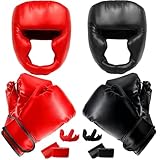
Ever wondered if those big, padded boxing gloves actually make a difference when fists start flying? It’s a question that’s been on the minds of boxers, trainers, and fight fans for ages. We all know they look imposing, but the real question is: do boxing gloves reduce impact, and if so, how? The answer is a resounding yes, but the story is more complex than you might think.
Boxing gloves are more than just a fashion statement; they’re a crucial piece of safety equipment designed to protect both the wearer and their opponent. They’re meticulously engineered to absorb and distribute the force of a punch, reducing the likelihood of serious injuries. I’ll take you through the science, the materials, and the real-world impact of these essential pieces of gear. Whether you’re a seasoned boxer or just curious about the sweet science, understanding how boxing gloves work is key.
So, let’s lace up and get into the details. We’ll explore the construction of boxing gloves, the different types available, and how they contribute to the safety of the sport. You’ll learn the significance of proper glove selection and care to maximize their protective qualities. By the end, you’ll have a comprehensive understanding of how these gloves reduce impact and why they’re so vital to the sport.
The Science Behind Impact Reduction
The primary function of boxing gloves is to reduce the impact of punches. This is achieved through a combination of design, materials, and construction. The goal isn’t to eliminate impact entirely, as that would defeat the purpose of the sport, but to mitigate it to a level where the risk of injury is significantly reduced. Let’s break down the scientific principles at play.
Force Distribution
One of the most crucial aspects is force distribution. A bare fist concentrates the entire force of a punch onto a small area, leading to a high pressure point. Boxing gloves, with their padded surface, spread this force over a larger area. This reduces the pressure exerted on any single point of impact, minimizing the risk of bone fractures, contusions, and other injuries. Think of it like this: stepping on a nail with your bare foot versus stepping on a nail with a shoe. The shoe distributes the force, protecting your foot.
Energy Absorption
Boxing gloves are designed to absorb a significant portion of the kinetic energy generated by a punch. This is primarily done through the use of shock-absorbing materials within the glove. When a punch lands, the padding compresses, converting kinetic energy into heat. The better the quality and design of the padding, the more energy is absorbed, and the less impact is transferred to the recipient.
Material Properties
The materials used in boxing gloves play a vital role in impact reduction. High-quality gloves typically use multiple layers of foam padding, often incorporating different densities of foam to optimize shock absorption. Some gloves may also include gel inserts or other advanced materials to further enhance impact protection. The type of leather or synthetic material used for the outer shell also contributes to the glove’s overall performance. Durable materials ensure that the glove maintains its protective qualities over time.
The Role of the Fist
Proper fist formation is crucial for maximizing the effectiveness of boxing gloves. A well-formed fist, with the knuckles aligned and the wrist straight, distributes the force of the punch across the glove’s surface. Incorrect fist formation can lead to the knuckles bearing the brunt of the impact, potentially causing injury. The gloves are designed to work in conjunction with proper technique to protect the hands and wrists.
Construction and Materials: What Makes a Boxing Glove Work
The effectiveness of boxing gloves hinges on their construction and the materials used. Understanding these elements provides valuable insight into how they reduce impact and protect the wearer and their opponent. Let’s delve into the key components.
Padding
The padding is the heart of a boxing glove’s impact-reducing capabilities. It’s typically composed of multiple layers of foam, with varying densities to optimize shock absorption. The outer layers often use softer, more pliable foams to absorb the initial impact, while the inner layers use denser foams to further dissipate energy. Some gloves incorporate gel inserts or other advanced materials to enhance shock absorption and distribute the force more evenly.
Outer Shell
The outer shell of a boxing glove is usually made of leather or synthetic materials. Leather is a popular choice for its durability and breathability, while synthetic materials offer a more affordable option. The outer shell provides a protective layer that encases the padding, holding it in place and protecting it from wear and tear. The quality of the outer shell affects the glove’s longevity and its ability to withstand repeated impacts.
Wrist Support
Adequate wrist support is essential for preventing injuries. Boxing gloves often incorporate features like extended cuffs, hook-and-loop closures, or lace-up designs to provide stability and support to the wrist. This helps to keep the wrist aligned during punches, reducing the risk of sprains and other injuries. The type of wrist support varies depending on the glove’s design and intended use.
Lining
The lining of a boxing glove is often made of moisture-wicking materials to help keep the hands dry and comfortable during training or competition. This prevents the buildup of sweat, which can contribute to the glove’s deterioration and reduce its lifespan. The lining also contributes to the overall fit and feel of the glove.
Stitching and Construction
The stitching and overall construction of a boxing glove play a significant role in its durability and performance. High-quality gloves are meticulously stitched to ensure that the padding stays in place and that the glove can withstand the rigors of boxing. Poor stitching can lead to the glove falling apart over time, reducing its protective qualities.
Types of Boxing Gloves and Their Impact Reduction Properties
Different types of boxing gloves are designed for specific purposes, each with varying levels of impact reduction. The choice of glove depends on the type of training or competition you’re involved in. Let’s explore the common types and their key characteristics. (See Also: Are Muay Thai Gloves The Same As Boxing Gloves )
Training Gloves
Training gloves are designed for general use, such as bag work, pad work, and sparring. They typically have a higher level of padding than competition gloves, offering greater protection for the hands and wrists. Training gloves are often heavier than competition gloves, which can help to build strength and endurance. They are designed for repeated use and can withstand the demands of regular training sessions. Key Feature: Maximum protection and durability
Sparring Gloves
Sparring gloves are a specialized type of training glove specifically designed for sparring sessions. They have extra padding in the knuckles and hand compartment to protect both the wearer and the sparring partner. Sparring gloves often have a softer feel than other types of training gloves to further reduce the risk of injury during controlled sparring. They are typically heavier than competition gloves and focus on safety. Key Feature: Enhanced protection for sparring
Competition Gloves
Competition gloves are designed for use in official boxing matches. They are typically lighter than training gloves, allowing for faster punches. They have a more streamlined design and less padding to meet the regulations of boxing organizations. Competition gloves prioritize speed and precision, but they still provide a level of impact reduction. Key Feature: Speed and precision with regulated padding
Bag Gloves
Bag gloves are designed specifically for use on heavy bags and speed bags. They are typically lighter and have less padding than training gloves, allowing for a better feel of the bag and greater speed. Bag gloves often have a tighter fit and a more focused punch area. They are durable and designed to withstand the repeated impacts of bag work. However, they provide less protection than other types of gloves. Key Feature: Enhanced feel and speed for bag work
Specialty Gloves
Some specialty gloves are designed for specific training purposes. These might include hybrid gloves that combine features of different types, or gloves designed for specific techniques. For example, some gloves are designed to encourage proper fist formation or to help develop punching power. These gloves cater to specific training needs and objectives.
How Boxing Gloves Reduce Injury: A Closer Look
Boxing gloves significantly reduce the risk of various injuries by mitigating the impact of punches. The reduction is not absolute, but it dramatically lowers the likelihood and severity of injuries. Let’s examine the specific ways in which gloves protect boxers.
Reducing Concussions
Concussions are a major concern in boxing. Boxing gloves help to reduce the risk of concussions by absorbing a significant portion of the force of head shots. The padding in the gloves cushions the impact, reducing the acceleration of the head and the strain on the brain. While gloves cannot eliminate the risk of concussions entirely, they play a crucial role in minimizing the severity and frequency of these injuries. Key Benefit: Lowering head impact forces
Preventing Cuts and Lacerations
The padding in boxing gloves helps to protect the skin from cuts and lacerations. Without gloves, the sharp edges of the knuckles can easily cut the skin of the opponent. Gloves provide a barrier that absorbs the impact and prevents the skin from being broken. This is particularly important in amateur boxing, where cuts can lead to the match being stopped. Key Benefit: Minimizing skin injuries
Protecting the Hands and Wrists
Boxing gloves are designed to protect the hands and wrists from fractures, sprains, and other injuries. The padding in the gloves absorbs the impact of punches, reducing the stress on the bones and joints. Proper wrist support, such as extended cuffs or lace-up designs, helps to keep the wrist aligned, minimizing the risk of sprains. Gloves are essential for protecting the hands and wrists during training and competition. Key Benefit: Safeguarding bones and joints
Reducing Muscle Damage
Boxing gloves help to reduce muscle damage by absorbing some of the force of punches. The padding in the gloves reduces the stress on the muscles, minimizing the risk of strains and tears. This is particularly important during intense training sessions, where repetitive impacts can lead to muscle fatigue and damage. By absorbing some of the impact, gloves help to preserve muscle integrity. Key Benefit: Minimizing muscle strain
Mitigating Bruising and Swelling
Boxing gloves help to reduce bruising and swelling by absorbing the impact of punches and distributing the force over a larger area. The padding in the gloves cushions the impact, reducing the pressure on the blood vessels and tissues. This minimizes the risk of bruising and swelling, allowing boxers to recover more quickly from training and competition. Key Benefit: Reducing impact related swelling
Glove Selection and Fit: Ensuring Optimal Impact Reduction
Choosing the right boxing gloves is critical for ensuring optimal impact reduction and protection. The fit, size, and type of glove should be carefully considered to maximize safety and performance. Let’s look at the key factors to consider when selecting gloves.
Sizing
Proper sizing is essential for ensuring that boxing gloves fit correctly and provide adequate protection. Gloves that are too small may restrict movement and put excessive stress on the hands and wrists. Gloves that are too large may shift during punches, reducing their effectiveness and potentially causing injury. Boxing gloves are typically measured in ounces (oz), with heavier gloves providing more padding and protection. The weight of the glove should be selected based on the user’s weight, the type of training or competition, and the intended use. Key consideration: Accurate fit for protection and performance
Fit
The fit of the glove should be snug but not restrictive. The fingers should reach the end of the hand compartment without being cramped. The wrist should be securely supported by the glove’s closure system. The glove should not shift or move around during punches. It’s important to try on gloves with hand wraps to ensure a proper fit. Key consideration: Secure fit for safety and comfort (See Also: Can You Wrestle In Boxing Shoes )
Types of Gloves
As discussed earlier, the type of glove should be selected based on the intended use. Training gloves are suitable for general use, sparring gloves are designed for sparring, and competition gloves are used in official matches. Bag gloves are designed for bag work. Each type of glove offers a different level of protection and performance. Consider your training needs and goals when choosing the type of glove. Key consideration: Matching glove type to activity
Padding
The padding in the gloves should be of high quality and provide adequate shock absorption. Training gloves typically have more padding than competition gloves. Look for gloves with multiple layers of foam padding and gel inserts. The padding should be dense enough to absorb the impact of punches but not so dense that it restricts movement. Key consideration: Quality padding for impact absorption
Hand Wraps
Hand wraps are an essential component of boxing equipment. They provide additional support and protection to the hands and wrists. Hand wraps should be worn under the gloves to absorb sweat and add an extra layer of padding. They help to prevent injuries and extend the lifespan of the gloves. Key consideration: Using hand wraps for added protection
Brand and Quality
Choose gloves from reputable brands known for their quality and durability. Research different brands and read reviews to ensure that you are getting a reliable product. High-quality gloves will provide better protection and last longer. Key consideration: Choosing reputable brands
Caring for Your Boxing Gloves: Extending Their Lifespan and Effectiveness
Proper care and maintenance are essential for extending the lifespan and effectiveness of your boxing gloves. Regular cleaning and storage can prevent the buildup of bacteria, odors, and damage. Here’s how to care for your gloves.
Cleaning
After each training session or competition, wipe down your gloves with a damp cloth to remove sweat and dirt. Allow the gloves to air dry completely before storing them. Do not place gloves in direct sunlight or near heat sources, as this can damage the materials. For a deeper cleaning, use a mild soap solution and gently scrub the gloves. Rinse thoroughly and allow them to air dry completely. Key action: Regular cleaning after use
Drying
Always allow your gloves to air dry completely after each use. This helps to prevent the buildup of bacteria and odors. You can use a glove dryer or place the gloves in a well-ventilated area. Avoid using heat sources, such as a hair dryer, as this can damage the materials. Key action: Ensuring complete drying
Odor Control
To control odors, use a glove deodorizer or place baking soda inside the gloves. You can also use a mixture of water and vinegar to spray the inside of the gloves. Allow the gloves to air dry completely after each treatment. Key action: Preventing odor buildup
Storage
Store your gloves in a cool, dry place away from direct sunlight and heat sources. Avoid storing gloves in a gym bag or other enclosed space, as this can promote the growth of bacteria and odors. Consider using a glove bag or carrying case to protect the gloves from damage. Key action: Proper storage to preserve glove condition
Inspection
Regularly inspect your gloves for signs of wear and tear, such as cracks, tears, or loose stitching. If you notice any damage, have the gloves repaired or replaced. The padding in the gloves can compress over time, reducing their effectiveness. Replace your gloves when the padding becomes too compressed or damaged. Key action: Regular inspection for wear and tear
The Impact of Boxing Gloves on Different Types of Punches
Boxing gloves affect how different punches land and the level of impact experienced by both the attacker and the recipient. Let’s look at how gloves influence various punch types.
Jab
The jab, a straight punch, is often thrown quickly and frequently. Boxing gloves distribute the force of the jab over a larger area, reducing the risk of injury to the hand and the recipient’s face. The padding in the glove helps to cushion the impact, making the jab less damaging. Impact: Less focused force, reduced risk
Cross
The cross, a powerful straight punch, generates significant force. Boxing gloves help to absorb some of this force, reducing the impact on the opponent and the hand of the boxer. The gloves’ padding helps to protect the knuckles and wrist from injury. Impact: Force absorption and wrist protection
Hook
The hook, a looping punch, can generate a lot of power. Boxing gloves distribute the force of the hook over a wider area, reducing the impact on the opponent’s head and the boxer’s hand. The padding helps to protect the knuckles and wrist from injury. Impact: Force distribution and protection (See Also: Is Everlast Good Boxing Gloves )
Uppercut
The uppercut, a vertical punch, is often thrown from a close range. Boxing gloves help to absorb the impact of the uppercut, reducing the risk of injury to the opponent’s chin and the boxer’s hand. The gloves’ padding helps to cushion the impact and distribute the force. Impact: Protection in close quarters
Body Shots
Boxing gloves also help to reduce the impact of body shots. The padding in the gloves absorbs some of the force, reducing the impact on the opponent’s body and the boxer’s hand. This helps to protect the ribs, liver, and other vital organs. Impact: Protection for vital organs
The Evolution of Boxing Gloves: From Bare Knuckles to Modern Design
The history of boxing gloves reveals a fascinating evolution from bare-knuckle fighting to the sophisticated designs we see today. The introduction of gloves dramatically changed the sport, focusing on safety and technique. Let’s explore this evolution.
Early Boxing: Bare Knuckles
In the early days of boxing, bare-knuckle fighting was the norm. Fighters used their bare hands, wrapped in leather or cloth, to protect their knuckles. This led to frequent injuries, including broken bones and cuts. The emphasis was on brute force and endurance, with less focus on technique. Bare-knuckle fighting was brutal and often resulted in severe injuries. Key era: Brutal fighting with high injury rates
The Introduction of Gloves
The introduction of boxing gloves marked a turning point in the sport. Gloves were initially used for training and sparring to protect the hands. However, as the sport evolved, gloves became mandatory in official matches. This led to a shift in focus from brute force to technique and strategy. The gloves helped to reduce the severity of injuries and allowed fighters to compete for longer periods. Key change: Shift to technique and safety
Early Glove Designs
Early boxing gloves were basic in design, often made of leather and filled with horsehair or other materials. The padding was minimal, and the gloves offered limited protection. The focus was still primarily on protecting the hands, but the gloves did help to reduce some of the impact. Key design: Basic protection with limited padding
Modern Boxing Gloves
Modern boxing gloves are far more advanced than their predecessors. They feature multiple layers of foam padding, wrist support, and durable outer shells. The designs are optimized for impact reduction, protection, and performance. Modern gloves are available in a variety of types, sizes, and weights to meet the needs of different boxers and training methods. Key design: Advanced protection and performance
Technological Advancements
Technological advancements have led to further improvements in boxing gloves. The use of new materials, such as gel inserts and advanced foams, has enhanced shock absorption and impact reduction. Ergonomic designs and improved wrist support have also contributed to the safety and performance of modern gloves. Key development: Enhanced materials and designs
The Future of Boxing Gloves: Innovations and Advancements
The evolution of boxing gloves continues, with ongoing innovations aimed at enhancing safety, performance, and comfort. The future holds exciting possibilities for further advancements.
Material Science
New materials are constantly being developed to improve the impact reduction properties of boxing gloves. Researchers are exploring the use of advanced foams, gels, and other materials to enhance shock absorption and distribute force more effectively. The goal is to create gloves that provide maximum protection while maintaining a comfortable fit. Key area: Advanced materials for better performance
Ergonomic Design
Ergonomic design is playing a greater role in the development of boxing gloves. Designers are focusing on creating gloves that fit the hand and wrist comfortably and provide optimal support. This includes features like pre-curved designs, improved wrist support systems, and enhanced ventilation. Key area: Ergonomic design for comfort and support
Smart Gloves
Smart technology is being integrated into boxing gloves to provide data-driven insights into training and performance. These gloves may include sensors that measure punch force, speed, and technique. This data can be used to analyze a boxer’s performance, identify areas for improvement, and monitor the impact of punches. Key area: Data-driven insights from smart technology
Customization
Customization options are becoming increasingly popular. Boxers can now choose gloves with specific features, such as custom colors, padding, and wrist support. This allows them to tailor their gloves to their individual needs and preferences. Key area: Customization for personalized fit
Sustainability
Sustainability is becoming a growing concern in the boxing industry. Glove manufacturers are exploring the use of eco-friendly materials and manufacturing processes. This includes the use of recycled materials, sustainable leather alternatives, and reduced waste production. Key area: Sustainable practices in glove production
Final Verdict
Boxing gloves are essential equipment in the sport of boxing, and their primary function is to reduce impact. They achieve this through careful design, the use of shock-absorbing materials, and proper construction. The different types of gloves, such as training, sparring, and competition gloves, are designed for specific purposes, each with varying levels of impact reduction. Proper glove selection, fit, and care are crucial for maximizing their protective qualities and extending their lifespan. The evolution of boxing gloves reflects a continuous effort to improve safety, and future innovations will likely lead to even greater protection and performance. Boxing gloves play a vital role in protecting boxers from serious injuries, allowing them to train and compete safely.