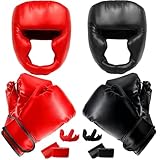
Ever wondered if those big, padded boxing gloves actually make a punch less painful? It’s a common question, and the answer isn’t as simple as a yes or no. Boxing gloves are designed with a specific purpose in mind: to protect the hands of the boxer while also mitigating some of the damage inflicted on their opponent. However, the dynamics of impact, force distribution, and the types of gloves used all play a crucial role in how much a punch hurts.
We’ll explore the science behind it, looking at how different glove designs affect the experience for both the person throwing the punch and the person receiving it. From the materials used to the construction of the gloves, every detail influences the level of impact and the potential for injury. We’ll also consider the various types of boxing gloves and their specific applications, from training to competition. Understanding these elements will give you a clearer picture of whether boxing gloves truly help reduce pain.
So, let’s get into the details and find out exactly what makes a boxing glove effective, and how it impacts the experience in the ring.
The Science of Impact: How Boxing Gloves Work
To understand whether boxing gloves make punches hurt less, we first need to delve into the physics of impact. When a fist connects with a target, a significant amount of force is transferred. This force is determined by several factors, including the mass of the fist, the velocity at impact, and the surface area of the impact zone.
Boxing gloves are designed to alter these factors. Their primary function is to distribute the force over a larger area, reducing the pressure on any single point. This distribution helps to prevent bone fractures and soft tissue injuries for the boxer, and to a degree, for the opponent. The materials used in the gloves, such as foam padding and the outer layer (typically leather or synthetic materials), are chosen for their ability to absorb and dissipate energy.
Consider the difference between hitting a wall with a bare fist versus hitting it with a boxing glove. The bare fist concentrates the force on a small area, leading to a high-pressure impact. A boxing glove, on the other hand, provides a cushioned surface that spreads the force over a wider area. This reduces the peak pressure and the likelihood of injury.
Force, Pressure, and Surface Area
The relationship between force, pressure, and surface area is fundamental to understanding how boxing gloves work. Pressure is defined as force per unit area. When the force of a punch is applied over a larger area (as with a boxing glove), the pressure is reduced, even if the total force remains the same. This is why a punch with a gloved hand feels less damaging than a punch with a bare fist, even if both punches have the same power behind them.
The type of padding used in the glove also plays a significant role. Modern boxing gloves typically incorporate layers of foam designed to absorb energy. This energy absorption reduces the amount of force transmitted to the target, further minimizing the potential for injury. The density and composition of the foam are critical factors in the glove’s effectiveness.
The Role of Velocity
Velocity is another key factor in the impact equation. The faster the punch, the greater the force generated at impact. Boxing gloves cannot directly reduce the velocity of a punch, but they can affect how the force is distributed and absorbed. The padding in the gloves can help to slow down the transfer of energy, reducing the peak force experienced by both the boxer and the opponent.
It’s important to remember that while boxing gloves help to reduce the impact, they don’t eliminate it entirely. Punches still hurt, but the gloves help to make them less damaging, allowing boxers to withstand multiple hits during a fight or training session.
Types of Boxing Gloves: Their Impact on Pain
Different types of boxing gloves are designed for specific purposes, and each type offers varying levels of protection and impact reduction. The design of a glove significantly influences how it affects the experience of both the boxer and their opponent.
Training Gloves
Training gloves are designed for heavy bag work, sparring, and general fitness training. They usually have thicker padding than competition gloves, offering enhanced protection for the hands. This added padding is crucial for absorbing the repeated impacts of training sessions, which can involve hundreds of punches.
Key Features of Training Gloves:
- Thicker Padding: Generally, training gloves have more padding to protect the hands during repeated impacts. This makes the punches feel less jarring for the boxer.
- Weight: Training gloves are typically heavier than competition gloves, which can also help absorb some of the impact.
- Wrist Support: Many training gloves have enhanced wrist support to prevent injuries.
The thicker padding in training gloves helps to distribute the force of a punch over a wider area, thereby reducing the pressure on the hands and the impact felt by the person receiving the punch. While the punches will still hurt, the padding helps to minimize the pain and the risk of injury.
Sparring Gloves
Sparring gloves are a subtype of training gloves, specifically designed for controlled sparring sessions. They often have even more padding than standard training gloves, and features that enhance the safety of both fighters. (See Also: How Do You Know Your Size In Boxing Gloves )
Key Features of Sparring Gloves:
- Extra Padding: To protect both sparring partners, these gloves often have additional padding around the knuckles and the face.
- Lace or Velcro Closure: Options vary, but both provide secure fit.
- Weight: Usually 14-16 ounces or more.
The primary goal of sparring gloves is to minimize the risk of injury while allowing boxers to practice their skills. The padding is designed to absorb a significant amount of impact, making punches feel less forceful and reducing the chances of cuts, bruises, or more serious injuries.
Competition Gloves
Competition gloves are designed for use in professional boxing matches. They are typically lighter and have less padding than training gloves, allowing for faster punches and greater power. However, this also means they offer less protection.
Key Features of Competition Gloves:
- Less Padding: Compared to training gloves, competition gloves have less padding, prioritizing power and speed.
- Weight: Typically 8-10 ounces, although this can vary by weight class.
- Design: Focused on providing a streamlined design to facilitate faster punches.
While competition gloves allow for more powerful punches, they also increase the impact felt by both fighters. The reduced padding means that the force of the punch is concentrated over a smaller area, leading to a higher pressure impact. This can result in more pain and a greater risk of injury. However, the lighter weight allows for quicker punches and more dynamic combat.
Bag Gloves
Bag gloves are specifically designed for heavy bag and speed bag workouts. They are typically lighter and have less padding than training gloves, designed to provide a balance between protection and feedback.
Key Features of Bag Gloves:
- Moderate Padding: Enough to protect the hands during bag work.
- Durability: Built to withstand repeated impacts.
- Fit: Designed for a snug fit to enhance feel.
Bag gloves provide a good balance of protection and feedback. They enable boxers to feel the impact of their punches while still providing some level of cushioning to protect their hands. They are often used to improve punching technique and power.
Glove Materials and Construction
The materials used in boxing gloves and their construction also play a critical role in determining how much a punch hurts. Leather and synthetic materials are commonly used for the outer layer, while foam padding is used for impact absorption. The quality of these materials significantly affects the glove’s performance.
Outer Layer Materials
Leather: Leather gloves are generally considered to be of higher quality than synthetic gloves. They are more durable and provide a better feel. Leather also tends to mold to the hand over time, offering a more customized fit. However, leather gloves are typically more expensive than synthetic options.
Synthetic Materials: Synthetic gloves, often made from materials like polyurethane or vinyl, are a more affordable option. They are generally less durable than leather gloves, but they can still provide adequate protection. The quality of synthetic gloves varies widely depending on the manufacturer.
Padding Materials
Foam: The padding in boxing gloves is usually made from layers of foam. The type and density of the foam are critical factors in impact absorption. High-quality gloves often use multiple layers of different types of foam to provide optimal protection.
Types of Foam:
- Multi-Layer Foam: Many gloves incorporate multiple layers of foam with varying densities to provide superior impact absorption.
- Injection-Molded Foam: This type of foam is injected into the glove during manufacturing, providing a more consistent density and better performance.
The construction of the glove also influences its effectiveness. Proper stitching and design can help to distribute force evenly and prevent the glove from breaking down over time. The shape of the glove also matters; a well-designed glove will fit the hand comfortably and provide optimal protection. (See Also: How To Measure The Size Of Boxing Gloves )
Does It Hurt Less to Get Punched with a Boxing Glove?
The short answer is yes, punches hurt less when delivered with boxing gloves than with bare fists. However, the degree to which the pain is reduced depends on several factors, including the type of glove, the force of the punch, and the location of the impact.
Boxing gloves are designed to:
- Absorb Impact: The padding in the gloves helps to absorb a significant portion of the force generated by a punch, reducing the impact felt by the recipient.
- Distribute Force: By spreading the force over a larger area, the gloves reduce the pressure on any single point, minimizing the risk of injury.
- Protect the Hands: Gloves protect the hands of the person throwing the punch, which is essential for training and competition.
While gloves reduce the impact, they don’t eliminate the pain entirely. Punches still hurt, but the gloves help to make them less damaging. A well-padded glove will significantly reduce the force felt during a punch, compared to a bare fist. However, even with gloves, a powerful punch can still cause bruising, swelling, and, in some cases, more serious injuries.
The Role of Technique
Proper punching technique also plays a crucial role in reducing pain. A well-executed punch that lands squarely on the target will be less damaging than a glancing blow. The angle and placement of the punch can affect how the force is distributed and absorbed.
Key Factors in Punching Technique:
- Proper Alignment: Aligning the fist with the target ensures the force is directed efficiently.
- Wrist Stability: A stable wrist helps to transfer the force of the punch without injury.
- Targeting: Targeting areas that absorb impact better (like the body) can reduce the pain experienced by the opponent.
Boxers are trained to use proper technique to maximize the effectiveness of their punches while minimizing the risk of injury to themselves and their opponents. This involves learning how to generate power while maintaining control and accuracy.
Comparing Bare Knuckle vs. Gloved Boxing
Bare-knuckle boxing is a stark contrast to gloved boxing. Without gloves, the impact of a punch is concentrated on a small area, leading to greater pain and a higher risk of cuts, broken bones, and other serious injuries. While bare-knuckle boxing has its own historical significance and appeal, it is inherently more dangerous than gloved boxing.
Key Differences:
| Feature | Gloved Boxing | Bare-Knuckle Boxing |
|---|---|---|
| Impact Area | Larger | Smaller |
| Force Distribution | More even | Concentrated |
| Risk of Injury | Lower | Higher |
| Protection | Gloves | None |
| Pain Level | Lower | Higher |
Gloved boxing is designed to provide a safer environment for both fighters. The gloves help to protect the hands of the boxers and reduce the severity of the impact, allowing them to compete in relative safety. Bare-knuckle boxing, on the other hand, is much more brutal and dangerous.
Training and Conditioning
Training and conditioning also play a significant role in reducing the pain associated with boxing. Boxers develop a tolerance to impact over time through repeated training and sparring sessions. This helps them to withstand the force of punches and to recover more quickly from the impact.
Key Aspects of Training:
- Heavy Bag Work: Repeatedly hitting the heavy bag conditions the hands and arms to withstand impact.
- Sparring: Sparring sessions involve controlled punches that gradually increase the boxer’s tolerance to impact.
- Strength Training: Building muscle helps to absorb impact and protect the body.
Boxers also use various methods to condition their bodies to impact, such as strengthening their core and neck muscles. Proper conditioning helps to reduce the pain associated with boxing and minimizes the risk of injury. Conditioning is essential for building a boxer’s resilience and enabling them to perform at their best.
The Psychology of Pain in Boxing
The experience of pain in boxing is not just a physical phenomenon; it also involves psychological factors. The ability to endure pain is a critical aspect of boxing, and boxers often develop mental strategies to cope with the physical demands of the sport.
Mental Fortitude
Boxers develop mental fortitude through training and experience. They learn to push through pain and to focus on their goals, even when faced with adversity. This mental toughness is crucial for success in the ring. (See Also: Should I Change My Boxing Gloves )
Key Strategies for Coping with Pain:
- Focus: Concentrating on the fight and ignoring the pain.
- Breathing: Using controlled breathing to manage pain.
- Visualization: Picturing success to stay motivated.
Mental preparation is just as important as physical training. Boxers learn to manage their emotions, control their fear, and stay focused on the task at hand. This mental resilience helps them to endure pain and to perform at their best.
The Role of Adrenaline
Adrenaline, a hormone released during stressful situations, can also affect the experience of pain. Adrenaline can reduce the perception of pain, allowing boxers to continue fighting even when injured. This is why boxers sometimes don’t feel the full extent of their injuries until after the fight.
Effects of Adrenaline:
- Pain Reduction: Adrenaline reduces the sensitivity to pain.
- Increased Energy: Adrenaline provides a burst of energy and focus.
- Delayed Fatigue: Adrenaline helps to delay the onset of fatigue.
Adrenaline can play a significant role in a boxer’s performance, but it can also mask injuries. It’s essential for boxers to be aware of their bodies and to recognize when they need to stop fighting.
Choosing the Right Boxing Gloves
Selecting the right boxing gloves is essential for both protection and performance. The type of gloves you choose should depend on your training goals, your experience level, and the type of boxing you are doing.
Factors to Consider
- Training Purpose: The type of training you do will influence the type of gloves you need. For example, sparring gloves are different from bag gloves.
- Weight: The weight of the gloves affects the impact and the speed of your punches. Heavier gloves provide more protection but can slow you down.
- Fit: Gloves should fit snugly but not too tightly. A good fit will enhance comfort and performance.
- Materials: Consider the materials used, such as leather or synthetic materials, and choose gloves that offer durability and protection.
- Brand and Reviews: Research different brands and read reviews to find gloves that are well-regarded for quality and performance.
Fit and Sizing
Proper fit is crucial for both protection and performance. Gloves that are too small can restrict movement and increase the risk of injury. Gloves that are too large may not provide adequate protection.
Tips for Choosing the Right Size:
- Measure your hand: Measure around your knuckles with your hand in a fist.
- Consult a size chart: Use the manufacturer’s size chart to determine the correct glove size.
- Try them on: If possible, try on the gloves before you buy them to ensure a comfortable fit.
- Consider hand wraps: Remember to factor in the thickness of hand wraps when choosing your size.
A well-fitted glove should feel comfortable and secure, allowing you to move freely while providing adequate protection.
Care and Maintenance
Proper care and maintenance of your boxing gloves will extend their lifespan and ensure they continue to provide optimal protection. This involves regular cleaning, drying, and storage.
Tips for Glove Care:
- Air them out: After each use, air your gloves out to prevent the build-up of moisture and bacteria.
- Wipe them down: Use a damp cloth to wipe down the exterior of your gloves after each use.
- Use a glove deodorizer: To eliminate odors and bacteria, use a glove deodorizer or insert.
- Store them properly: Store your gloves in a cool, dry place away from direct sunlight.
By following these care and maintenance tips, you can extend the life of your gloves and ensure they continue to provide the protection you need.
Verdict
Boxing gloves undeniably make punches hurt less compared to bare-knuckle fighting. The design of boxing gloves, from the materials used to the construction, is specifically engineered to distribute the force of a punch over a larger area, reducing the pressure on any single point of impact. Training gloves, sparring gloves, and competition gloves each offer varying levels of padding and protection, influencing the experience for both the boxer and their opponent. While punches still hurt, the gloves significantly minimize the risk of injury and allow boxers to engage in a safer form of combat.
The impact reduction also relies on factors like proper punching technique, the type of glove, and the physical and mental conditioning of the boxer. Ultimately, the choice of the right glove, combined with good care and maintenance, contributes to a safer and more effective boxing experience. Boxing gloves are crucial for protecting the hands and bodies of those involved in the sport, ensuring it remains as safe as possible while maintaining its competitive spirit.