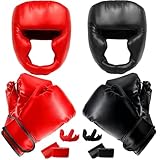
Ever wondered if those padded boxing gloves actually reduce the impact of a punch? It’s a question that often crosses the minds of both seasoned fighters and curious newcomers. The world of boxing is filled with nuances, and understanding how equipment affects the sport is crucial for safety and performance.
We’re talking about more than just protecting your hands. The right gloves can significantly change how you feel a punch, how you train, and even how your opponent experiences your strikes. This guide will explore the science behind boxing glove design, the types of impact they generate, and how different gloves affect the force transmitted during a fight.
Whether you’re stepping into the ring for the first time or a long-time enthusiast, this exploration will provide a clearer understanding of boxing gloves and their role in the sweet science.
The Science of Impact and Boxing Gloves
Boxing, at its core, is about delivering and absorbing force. Understanding how impact works is fundamental to appreciating the role of boxing gloves. Impact, in physics, is defined as the force exerted when two objects collide. In boxing, this involves the force generated by a punch and the force absorbed by the target (whether it’s the opponent or a heavy bag).
Several factors influence impact:
- Mass: The weight of the fist and glove (or the target) plays a significant role. Heavier objects, when moving at the same speed, generate more impact.
- Velocity: The speed at which the fist travels before impact is crucial. A faster punch delivers more force.
- Surface Area: The area over which the force is distributed affects the impact’s intensity. A larger surface area spreads the force, potentially reducing localized damage.
- Material and Construction: The materials used in the glove, such as the padding and outer layer, determine how much force is absorbed and how much is transmitted.
Boxing gloves are designed to mitigate some of the negative effects of impact. However, they also play a role in how force is delivered. The goal is a balance: protect the hands of the boxer while allowing for effective punches.
Anatomy of a Boxing Glove: Decoding the Design
Boxing gloves aren’t just one-size-fits-all cushions. Their design is a carefully considered blend of materials and construction techniques, each element contributing to the glove’s overall function. Let’s break down the key components:
- Padding: This is the heart of the glove’s protective capabilities. Padding materials vary, but common choices include layered foam, gel inserts, or a combination of both. The type and density of the padding determine how much impact is absorbed. Denser padding typically absorbs more force.
- Outer Layer: This is the visible part of the glove, often made of leather or synthetic materials like PU (polyurethane) leather. The outer layer protects the padding from wear and tear and contributes to the glove’s durability. The quality of the outer layer also affects how well the glove slides across the target surface.
- Wrist Support: The wrist area of the glove is critical for stability and injury prevention. Most gloves feature a hook-and-loop closure or laces to secure the wrist, preventing it from bending awkwardly during a punch. Good wrist support is essential for preventing sprains and other wrist injuries.
- Hand Compartment: This is the space where the hand sits. The design of this compartment affects the fit, comfort, and how well the hand can make a proper fist. A well-designed hand compartment allows for a natural fist shape, crucial for delivering a powerful punch.
- Thumb Protection: The thumb area is often reinforced to protect against injury. The thumb’s position and the padding around it help prevent hyperextension and other thumb-related issues.
The combination of these elements determines how a glove performs. The weight of the glove, the type of padding, and the quality of the materials all contribute to its effectiveness in reducing impact and protecting the boxer’s hands.
Types of Boxing Gloves and Their Impact Characteristics
Different types of boxing gloves are designed for specific purposes. Each type has distinct impact characteristics, affecting how force is distributed and absorbed. Knowing these differences is critical for choosing the right gloves for your training and fighting needs.
Training Gloves
Training gloves are the workhorses of the boxing world. They are designed for heavy bag work, sparring, and general training. Their primary function is to protect the hands and reduce impact. Key characteristics include:
- Padding: Generally have thicker padding than competition gloves. This provides more shock absorption during heavy bag work and sparring.
- Weight: Typically heavier than competition gloves, often ranging from 12 to 16 ounces or more. The extra weight adds to the protective qualities and can help build arm strength.
- Wrist Support: Usually feature robust wrist support to prevent injuries during repetitive punches.
- Durability: Built to withstand the rigors of frequent use, often made of durable materials like high-quality leather.
Training gloves are your primary training partner. The extra padding means they absorb more impact, protecting your hands while you build the necessary skills. (See Also: Are Muay Thai Gloves The Same As Boxing Gloves )
Sparring Gloves
Sparring gloves are a specialized type of training glove, specifically designed for sparring sessions with a partner. Their design prioritizes safety, aiming to reduce the risk of injury to both fighters. Key features include:
- Padding: Similar to training gloves, sparring gloves have ample padding, often with a focus on softer, more forgiving materials. The goal is to minimize the force transmitted to the opponent’s head and body.
- Weight: Usually 14 or 16 ounces, heavier than competition gloves, to maximize protection.
- Fit: Designed for a comfortable fit, allowing for a full range of motion while sparring.
- Thumb Protection: Enhanced thumb protection to minimize the risk of eye injuries or thumb hyperextension.
Sparring gloves are crucial for safe and productive training. They help you practice your skills while minimizing the risk of causing or receiving serious injuries.
Competition Gloves
Competition gloves are designed for use in official boxing matches. They prioritize speed and punching power, while still providing a degree of hand protection. Key characteristics include:
- Padding: Generally have less padding compared to training or sparring gloves, particularly in the knuckle area. This allows for greater punching power but offers less protection.
- Weight: Usually 8 or 10 ounces, depending on the weight class of the fighters. Lighter gloves allow for faster punches.
- Fit: Designed for a snug fit, enhancing the boxer’s hand speed and precision.
- Materials: Often made of high-quality leather to withstand the rigors of competition.
Competition gloves are a compromise between protection and performance. They allow for powerful punches but require a higher level of skill and technique to minimize the risk of injury.
Bag Gloves
Bag gloves are designed specifically for heavy bag training. They offer a balance between protection and feedback, allowing you to feel the impact of your punches. Key characteristics include:
- Padding: Typically have moderate padding, enough to protect the hands during repetitive bag work, but not as much as training or sparring gloves.
- Weight: Lighter than training gloves, usually 10 to 14 ounces, to promote speed and agility.
- Durability: Built to withstand the constant impact of hitting a heavy bag.
- Fit: Often have a more snug fit to provide a good feel of the bag.
Bag gloves are your dedicated training partner for honing power, speed, and accuracy.
Choosing the Right Gloves
Selecting the right boxing gloves involves considering several factors:
- Your Training Goals: What are you trying to achieve? If you are focused on building power and endurance, heavier training gloves are ideal. If you’re sparring, prioritize safety with sparring gloves.
- Your Experience Level: Beginners should prioritize protection with heavier, well-padded gloves. More experienced fighters might choose lighter gloves for competition.
- Your Weight Class: Glove weight is often determined by your weight class. Heavier fighters typically use heavier gloves.
- The Type of Training: Are you primarily hitting a heavy bag, sparring, or competing? Each activity requires a different type of glove.
- Fit and Comfort: Gloves should fit snugly but not too tight. A comfortable fit will allow you to focus on your technique.
- Quality of Materials: Invest in gloves made of durable materials that will last. Leather gloves often offer the best durability.
By carefully considering these factors, you can choose gloves that will enhance your training and help you perform at your best.
Impact Absorption: What Really Matters?
The primary function of boxing gloves is to absorb impact. However, the degree of absorption varies significantly depending on the glove’s design and purpose. Here’s a deeper look at the factors involved:
Padding Materials and Density
The padding is the most crucial element in impact absorption. Different materials and densities affect how well a glove protects the hands and the target. Common padding materials include: (See Also: Can You Wrestle In Boxing Shoes )
- Foam: A common and cost-effective choice. Foam padding can be layered to increase the amount of shock absorption. Density is key; denser foam absorbs more impact.
- Gel: Gel inserts add another layer of protection by distributing force more evenly. Gel can also help the glove conform to the hand.
- Hybrid: Many gloves use a combination of foam and gel to maximize impact absorption and hand protection.
The density of the padding directly correlates with the amount of impact absorbed. Denser padding absorbs more force, but it can also make the glove bulkier and potentially affect punching speed.
Glove Weight and Impact
Glove weight plays a significant role in impact absorption. Heavier gloves generally offer more protection because they have more padding. However, heavier gloves can also slow down punching speed and increase fatigue during training. Lighter gloves, used in competition, prioritize speed and power, but they offer less protection.
Here’s a breakdown:
- Heavier Gloves (14-16 oz): Ideal for training and sparring. They absorb more impact and protect the hands.
- Lighter Gloves (8-10 oz): Used in competition. They allow for faster punches but offer less protection.
Choosing the right glove weight depends on your training goals and the level of protection you need.
Wrist Support and Impact Transmission
Adequate wrist support is critical for preventing injuries and reducing the impact transmitted to the wrist. Gloves with good wrist support feature:
- Secure Closures: Hook-and-loop closures or laces that firmly secure the wrist.
- Reinforced Wrist Area: Additional padding and support around the wrist.
Good wrist support prevents the wrist from bending unnaturally during a punch, reducing the risk of sprains and other injuries. This, in turn, minimizes the impact transmitted to the wrist joint.
Impact on the Target
While gloves are designed to protect the hands, they also influence the impact on the target. The surface area of the glove and the type of padding affect how force is distributed. A larger surface area spreads the force, potentially reducing localized damage. Softer padding tends to absorb more impact, while harder padding may transmit more force.
Consider these points:
- Surface Area: A larger surface area spreads the force of the punch, potentially reducing the risk of cuts or bruises.
- Padding Composition: Softer, more compliant padding absorbs more energy. Harder padding may transmit more force.
The goal is to protect the boxer’s hands while delivering effective punches that are powerful but do not cause unnecessary damage to the opponent. This is a crucial balance.
Comparing Glove Types: Impact and Performance
Let’s compare the different types of boxing gloves, focusing on their impact characteristics and how they affect performance. (See Also: Is Everlast Good Boxing Gloves )
| Glove Type | Padding | Weight | Impact Absorption | Performance Impact |
|---|---|---|---|---|
| Training Gloves | Thick, layered foam and/or gel | 12-16 oz | High | Slower punches, promotes hand protection and endurance |
| Sparring Gloves | Softer, more compliant foam and/or gel | 14-16 oz | Very High | Slower punches, prioritizes safety for both fighters |
| Competition Gloves | Less padding, focus on knuckle area | 8-10 oz | Moderate | Faster punches, increased power, less hand protection |
| Bag Gloves | Moderate, focused on impact feel | 10-14 oz | Moderate to High | Promotes speed and accuracy, good feedback on impact |
As the table demonstrates, the choice of glove type significantly influences impact absorption and performance. Training and sparring gloves prioritize impact absorption and hand protection, sacrificing some speed and power. Competition gloves emphasize speed and power, with a trade-off in hand protection.
Beyond the Gloves: Other Factors Influencing Impact
While boxing gloves are the primary tool for managing impact, other factors also play a role:
Punching Technique
Proper punching technique is crucial for minimizing impact and maximizing power. Key elements include:
- Proper Fist Formation: Ensuring the fist is closed correctly protects the knuckles.
- Correct Angle of Impact: Hitting the target with the knuckles at the correct angle delivers maximum power with minimal impact on the hand.
- Body Mechanics: Using the entire body to generate power, not just the arms, reduces strain on the hands.
Poor technique can lead to injuries, even with the best gloves. Good technique ensures that the force of the punch is delivered effectively and safely.
Target Surface
The surface you’re hitting also affects impact. Hitting a heavy bag, for example, is different from hitting a person. The density and give of the target influence how much impact is absorbed. Hitting a denser surface, like a concrete wall, will transmit more impact back to the hand.
Consider these points:
- Heavy Bags: Provide resistance and absorb some impact.
- Focus Mitts: Designed to absorb impact while allowing the trainer to guide the punch.
- Opponent’s Body: The human body offers a complex combination of impact absorption and reaction.
The target surface is an essential component when considering impact.
Training Surface
The surface you train on can influence the impact your body absorbs. Training on a padded floor, for instance, can help reduce the impact on your joints during footwork drills or when you fall. The right surface can help absorb some of the shock. Hard surfaces transmit more impact, increasing the risk of injury.
Maintenance and Longevity: Keeping Your Gloves in Top Shape
Proper care and maintenance are crucial for extending the life of your boxing gloves and ensuring they continue to provide optimal protection. Here’s how to keep your gloves in top shape:
- Air Drying: After each use, allow your gloves to air dry completely. Avoid placing them in direct sunlight or near a heat source, as this can damage the materials.
- Cleaning: Wipe down the outer surface of your gloves after each use with a damp cloth to remove sweat and dirt. Use a specialized glove cleaner for more thorough cleaning.
- Odor Control: Use glove deodorizers or inserts to absorb moisture and eliminate odors.
- Storage: Store your gloves in a cool, dry place. Avoid storing them in a gym bag for extended periods.
- Regular Inspection: Inspect your gloves regularly for any signs of wear and tear, such as cracks in the padding or damage to the outer layer. Replace gloves when needed.
By following these tips, you can keep your gloves in excellent condition, ensuring they provide the best possible protection and performance for a longer time.
Conclusion
So, do boxing gloves have less impact? The short answer is yes, they are designed to reduce it. They are a critical piece of equipment, designed to protect the hands of the boxer while also influencing the impact on the target. The design, padding, and weight all play a significant role in how much impact is absorbed and transmitted. Different glove types cater to various training needs, each with its unique impact characteristics. Choosing the right gloves, combined with proper technique, ensures safer and more effective training.
Remember that boxing gloves are not a perfect shield. They are one part of a comprehensive approach to safety in the sport. Regular maintenance of your gloves and an understanding of the impact dynamics will improve your experience. With the right knowledge and gear, you can train and compete with greater confidence and protection.