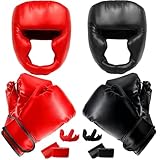
Ever wondered if your trusty boxing gloves will eventually become more comfortable with use? It’s a question many boxers, from seasoned pros to weekend warriors, ponder. The feel of a new pair of gloves can be stiff and unforgiving, making those early training sessions a bit of a challenge. You might dream of the day they mold perfectly to your hands, offering that sweet spot of protection and comfort.
Well, the good news is, yes, in most cases, boxing gloves do get softer over time. But it’s not a simple process, and there are several factors at play. Understanding how gloves break in, what affects their softening, and how to properly care for them can significantly impact your performance and the lifespan of your gear. This guide will explore everything you need to know about the softening of boxing gloves, so you can make informed decisions and get the most out of your investment.
We’ll delve into the materials, the break-in process, and tips for accelerating the softening. You’ll also learn how to maintain your gloves, ensuring they remain in top condition for years to come. Get ready to punch your way to a better understanding of your boxing equipment!
The Science Behind Softer Boxing Gloves
Before we get into the nitty-gritty, let’s understand why boxing gloves soften in the first place. It’s a combination of material breakdown, compression, and the natural oils from your hands. The materials used in boxing gloves are designed to absorb impact and protect your hands, but they also undergo changes with repeated use.
Materials Matter: Leather vs. Synthetic
The primary material used significantly impacts how quickly and how much a glove softens. There are two main categories: leather and synthetic.
- Leather Gloves: Generally, leather gloves are made from cowhide or sometimes other types of animal hides. High-quality leather gloves tend to soften beautifully over time. The leather fibers become more pliable with use, molding to your hand’s shape. Leather also absorbs sweat and oils, which contribute to the softening process. However, leather gloves require more care and maintenance than synthetic ones.
- Synthetic Gloves: Synthetic gloves are usually made from materials like polyurethane (PU) or polyvinyl chloride (PVC). These materials are often more affordable and require less maintenance. While synthetic gloves can soften, they typically don’t soften as much as leather gloves. They might also crack or degrade faster than leather over time.
Leather gloves offer superior durability and a more comfortable feel as they break in, making them a popular choice for serious boxers. Synthetic gloves are a good option for beginners or those on a budget.
The Role of the Padding
Inside the glove, the padding is crucial for absorbing impact and protecting your hands. The padding is typically made of layers of foam, gel, or a combination of both. As you use the gloves, the padding compresses and conforms to the shape of your hands. This compression contributes to the overall softening of the glove. The more you use the gloves, the more the padding will compress, and the more comfortable they will become.
Sweat, Oils, and Moisture
Your hands’ natural oils and sweat play a significant role in the softening process, especially with leather gloves. As you box, your hands sweat, and the moisture is absorbed by the leather and padding. This moisture, along with the natural oils, helps to lubricate the fibers of the leather, making them more flexible. This is why it’s essential to allow your gloves to dry properly after each use to prevent mold and mildew growth.
The Break-in Process: What to Expect
Breaking in a new pair of boxing gloves is a journey. It’s not an overnight transformation, and the time it takes varies depending on the materials, your training frequency, and how you care for them. Here’s a general overview of what to expect:
Initial Stiffness
When you first get your gloves, they will likely feel stiff and rigid. This is normal. The materials are new and haven’t yet been molded to your hand’s shape. Expect some initial discomfort, especially during the first few training sessions. (See Also: Are Muay Thai Gloves The Same As Boxing Gloves )
Early Stages (weeks 1-4)
During the first few weeks, the gloves will gradually begin to soften. You’ll notice the padding starting to compress, and the leather (if applicable) becoming more pliable. You might still experience some stiffness, but it should gradually decrease. At this stage, you’ll feel the gloves slowly adapting to the shape of your hands.
Mid-Break-in (weeks 4-8)
By this point, the gloves should be significantly softer. The padding will be well-compressed, and the leather will have conformed more closely to your hand. The gloves should feel more comfortable and offer a better fit. You’ll likely notice an improvement in your punching technique and comfort.
Fully Broken-in (8+ Weeks)
After several weeks of consistent use, your gloves should be fully broken in. They should feel like an extension of your hands, offering a comfortable and secure fit. The padding will be fully compressed, and the leather (if applicable) will be supple and flexible. At this stage, your gloves will provide optimal protection and performance.
Tips to Speed Up the Softening Process
While patience is key, there are some things you can do to accelerate the break-in process:
Consistent Training
The more you use your gloves, the faster they will soften. Regular training sessions, whether it’s bag work, sparring, or pad work, will help to compress the padding and mold the gloves to your hands. Aim for at least a few sessions per week to speed up the process.
Bag Work
Heavy bag work is an excellent way to break in your gloves. The repetitive impact against the bag helps to compress the padding and soften the materials. Start with lighter punches and gradually increase the intensity as your gloves break in.
Sparring (with Caution)
Sparring can also help to break in your gloves, but it’s essential to be cautious. New gloves may not offer the same level of protection as broken-in ones, so start with lighter sparring sessions and gradually increase the intensity. Make sure your sparring partners are aware you’re breaking in your gloves.
Hand Wraps
Using hand wraps is crucial for both protection and breaking in your gloves. Hand wraps add an extra layer of padding and help to absorb sweat. They also help to mold the gloves to your hand’s shape more quickly. Always wear hand wraps when using your gloves.
Massage and Manipulation
You can manually manipulate your gloves to help soften them. Try bending and flexing the gloves, especially around the knuckles and wrist area. You can also gently massage the padding to help break it down. However, avoid excessive manipulation, as this could damage the gloves. (See Also: Can You Wrestle In Boxing Shoes )
Moisture and Heat (use with Caution)
Some people suggest using moisture and heat to speed up the softening process, but this should be done with caution. You can lightly dampen the gloves with a spray bottle of water and then let them dry naturally. Avoid soaking the gloves, as this could damage the materials. You can also use a hairdryer on a low setting to gently heat the gloves, but be careful not to overheat them. Extreme heat can damage the materials.
Caring for Your Boxing Gloves: Maintenance and Longevity
Proper care is essential to ensure your boxing gloves last and remain in good condition. Here are some tips:
Air Drying
After each use, always allow your gloves to air dry. Remove your hand wraps and place the gloves in a well-ventilated area, away from direct sunlight and heat. This will help to prevent mold and mildew growth and prolong the life of your gloves. Never store your gloves in a gym bag without allowing them to dry first.
Using a Glove Deodorizer
A glove deodorizer can help to absorb moisture and eliminate odors. There are various glove deodorizers available, including those with activated charcoal or essential oils. Insert the deodorizer into your gloves after each use.
Wiping Down the Exterior
Wipe down the exterior of your gloves after each use with a damp cloth to remove sweat and dirt. For leather gloves, you can use a leather cleaner to keep them in top condition. Avoid harsh chemicals or abrasive cleaners, as these can damage the materials.
Storing Your Gloves Properly
Store your gloves in a cool, dry place. Avoid storing them in direct sunlight or extreme temperatures. Consider using a glove bag or case to protect them from dust and damage.
Regular Inspection
Regularly inspect your gloves for any signs of wear and tear, such as cracks, tears, or loose stitching. If you notice any damage, have them repaired or replaced as needed. Ignoring damage can compromise your protection and the lifespan of your gloves.
Hand Wraps Are Key
Always use hand wraps. They absorb sweat, protect your hands, and help extend the life of your gloves. They also help the gloves mold to your hand’s shape.
Troubleshooting Common Issues
Even with proper care, you may encounter some issues with your boxing gloves. Here are some common problems and how to address them: (See Also: Is Everlast Good Boxing Gloves )
Gloves Feel Too Stiff
If your gloves feel too stiff, continue to use them regularly. Bag work is particularly effective at breaking down the padding. You can also try the massage and manipulation techniques mentioned earlier to help soften them. Ensure you’re wearing appropriate hand wraps.
Gloves Smell Bad
If your gloves smell bad, it’s likely due to moisture and bacteria buildup. Use a glove deodorizer after each use. Make sure you’re allowing your gloves to air dry completely after each training session. Consider cleaning the exterior of your gloves with a damp cloth and a mild soap.
Gloves Are Cracking or Peeling
Cracking or peeling is more common with synthetic gloves. This is often a sign that the gloves have reached the end of their lifespan. If you have leather gloves, proper maintenance, including leather cleaner, can help prevent cracking. Consider replacing your gloves if the damage is severe.
Padding Is Compressing Too Quickly
If the padding is compressing too quickly, it could be a sign of low-quality materials or excessive wear. Ensure you’re using proper hand wraps. If the issue persists, you may need to replace your gloves.
Poor Fit
If your gloves never seem to fit right, it may be the wrong size or type for your hand. Consider consulting with a boxing equipment specialist to find the correct size and fit. Try different brands and models to see which one feels best.
Comparing Leather vs. Synthetic Gloves
| Feature | Leather Gloves | Synthetic Gloves |
|---|---|---|
| Durability | Excellent | Good (but less durable than leather) |
| Comfort | Excellent (as they break in) | Good (may not soften as much) |
| Softening | Excellent | Good (but less than leather) |
| Maintenance | Requires more care (cleaning, conditioning) | Requires less care |
| Price | More expensive | More affordable |
| Lifespan | Longer | Shorter |
This table provides a quick comparison to help you choose the right type of glove for your needs.
Final Thoughts
Yes, boxing gloves do get softer with use, and this transformation is a crucial part of the boxing experience. It’s a process that involves the breakdown of materials, compression of padding, and the influence of your hands’ natural oils and sweat. Understanding this process, along with the importance of proper care and maintenance, can significantly impact your performance, comfort, and the lifespan of your gloves.
From choosing the right materials to following the recommended break-in practices, you can ensure your gloves become the perfect fit for your hands. Remember, consistency in training, proper hand wraps, and a good maintenance routine are your best allies in this process. So, embrace the journey, trust the process, and enjoy the feel of gloves that mold perfectly to your hands, offering both protection and comfort with every punch.
By following these guidelines, you’ll be well on your way to enjoying a pair of gloves that feel like an extension of your own hands. This will enhance your training, improve your performance, and make your time in the ring or on the bag even more enjoyable. Happy boxing!