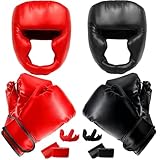
So, you’re stepping into the world of boxing, or maybe you’re just curious about the gear. One of the first things you’ll encounter is the boxing glove. You’ve probably seen them, from the sleek leather ones in the gym to the vibrant, flashy pairs in the sporting goods store. But beyond the aesthetics, there’s a practical question that often pops up: do boxing gloves come in sizes? The answer, as you’ll soon find out, is a bit more nuanced than a simple yes or no.
Choosing the right boxing gloves is crucial. It’s not just about looking the part; it’s about safety, performance, and comfort. Ill-fitting gloves can lead to injuries, hinder your technique, and generally make your training or sparring sessions less enjoyable. This guide will walk you through everything you need to know about boxing glove sizing, from understanding the different factors at play to finding the perfect fit for your needs. We’ll cover weight, material, and how to measure your hand for the best possible experience. Let’s get started!
Understanding Boxing Glove Sizing: Weight vs. Size
When you start shopping for boxing gloves, you’ll quickly realize that they’re primarily sized by weight, measured in ounces (oz). This is different from clothing sizes like small, medium, and large. The weight of a boxing glove significantly impacts its purpose and the level of protection it offers. The heavier the glove, the more padding it has, and thus, the more protection it provides for both you and your sparring partner. Conversely, lighter gloves are often preferred for speed and agility, especially in training drills.
The Significance of Glove Weight
Why is weight so important? It all boils down to the intended use. Here’s a breakdown of common boxing glove weights and their typical applications:
- 6-8 oz Gloves: These are typically used for training on a speed bag or for professional competition. They are lighter, allowing for greater hand speed and agility. They offer minimal padding.
- 10-12 oz Gloves: These gloves are often used for bag work, pad work, and some sparring. They offer a balance of protection and speed. These weights are commonly used in amateur competitions.
- 14-16 oz Gloves: These are the most common weights for sparring. The extra padding is designed to protect both the wearer and the sparring partner from injury. The increased weight can also help build strength and endurance.
- 18-20 oz Gloves: These heavier gloves are used for advanced training purposes. They are excellent for building strength and are often used by professional boxers.
The weight of the glove plays a huge role in the amount of force that is absorbed, and how much force it delivers. The heavier the glove, the more force will be absorbed, but the slower the punch will be. Conversely, the lighter the glove, the faster the punch, but the less force will be absorbed, and the more likely the person wearing the glove will get injured. The weight also affects the endurance and strength of the person wearing the gloves. Using heavier gloves will build up the strength and endurance, but will slow down the punches. Using lighter gloves will allow for faster punches, but will not build up endurance and strength as much.
Beyond Weight: Glove Size Considerations
While weight is the primary sizing factor, the physical size of the glove can also vary slightly depending on the brand and the glove’s construction. Some brands might offer slightly different dimensions within the same weight class. This is where trying on gloves or carefully reviewing sizing charts becomes essential. The fit within a weight class can also be influenced by the hand size of the person using the gloves. A person with larger hands might find a 16oz glove from one brand to be a snug fit, while the same weight glove from another brand could be more comfortable. This is why it’s always best to try on the gloves before you buy them.
Factors Influencing Your Boxing Glove Size Choice
Choosing the right boxing glove size involves more than just picking a weight. Several factors should influence your decision to ensure you get the best fit and performance.
Your Weight
Your body weight is a crucial factor when determining the appropriate glove weight, especially for sparring. Generally, heavier individuals should use heavier gloves for added protection. Here’s a general guideline:
- Under 120 lbs: 12 oz gloves for sparring.
- 120-150 lbs: 14 oz gloves for sparring.
- 150-180 lbs: 16 oz gloves for sparring.
- Over 180 lbs: 16-18 oz gloves for sparring.
These are general recommendations, and you might find that you prefer a different weight based on your training style and personal preference. If you’re unsure, it’s always best to err on the side of caution and choose a slightly heavier glove, especially when starting.
The Type of Training You Do
The type of training you engage in will also influence your glove selection. If you primarily focus on bag work and pad work, you might opt for lighter gloves (10-12 oz) for increased speed and agility. However, if you are sparring, heavier gloves (14-16 oz or more) are essential for protecting both you and your partner. The intensity of your training also matters. More intense training sessions may require heavier gloves to provide more padding and absorb more impact.
Your Hand Size and Hand Wraps
Your hand size plays a significant role in glove fit. You need gloves that accommodate your hands comfortably, especially when you wear hand wraps. Hand wraps are crucial for protecting your knuckles, wrists, and the small bones in your hand. They also help to absorb sweat and extend the life of your gloves. (See Also: Are Muay Thai Gloves The Same As Boxing Gloves )
When trying on gloves, always wear your hand wraps. This will give you a more accurate sense of the fit. The gloves should feel snug but not overly tight. You should be able to make a fist comfortably without feeling restricted. If the gloves are too tight, they can restrict blood flow and make your hands tire more quickly. If they are too loose, the gloves may shift during use and compromise the protection they offer.
Sparring Partner’s Safety
When sparring, the safety of your partner is paramount. Heavier gloves provide more padding and reduce the impact of your punches. This helps to minimize the risk of injury to your sparring partner. Consider your partner’s experience level and the intensity of your sparring sessions when choosing your glove weight. If you’re sparring with someone less experienced or focusing on lighter drills, you may be able to use slightly lighter gloves. However, when in doubt, prioritize safety and opt for heavier gloves.
How to Measure Your Hand for Boxing Gloves
While glove weight is the primary sizing factor, knowing your hand measurements can help you find the right fit, especially if you’re buying online. Here’s how to measure your hand:
What You’ll Need
- A flexible measuring tape.
- A pen and paper to record your measurements.
Step-by-Step Instructions
- Measure Hand Circumference: Open your hand and extend your fingers. Wrap the measuring tape around your knuckles, ensuring it goes around the widest part of your hand. Make sure the tape is snug but not too tight. Record this measurement in inches or centimeters.
- Measure Hand Length: Place your hand flat on a surface. Measure from the tip of your longest finger to the base of your palm. Record this measurement.
- Consult Sizing Charts: Most boxing glove manufacturers provide sizing charts on their websites. Use your hand measurements to determine the appropriate glove size. These charts typically correlate hand circumference and length with glove weight.
Important Considerations
Remember to always wear hand wraps when measuring your hand for gloves. This will account for the extra bulk and ensure a more accurate fit. If your measurements fall between two sizes, it’s generally recommended to choose the larger size, especially if you’re planning to use thicker hand wraps. Additionally, consider the brand’s reputation for sizing consistency. Some brands might have slightly different sizing standards than others.
Boxing Glove Materials and Their Impact on Fit
The material of your boxing gloves can significantly impact their fit, comfort, and durability. Different materials have varying levels of flexibility, breathability, and padding. Understanding these differences can help you make an informed decision.
Leather Gloves
Pros: Leather gloves are generally considered the premium option. They offer excellent durability, flexibility, and a superior feel. Leather gloves mold to your hand over time, providing a customized fit. They are also known for their breathability, which helps to reduce sweat and odor.
Cons: Leather gloves are typically more expensive than synthetic options. They also require more care, such as regular cleaning and conditioning, to maintain their quality and extend their lifespan.
Synthetic Leather Gloves
Pros: Synthetic leather gloves, often made from materials like polyurethane (PU) or polyvinyl chloride (PVC), are a more affordable alternative to leather. They are often durable and can be quite water-resistant. Modern synthetic gloves have improved significantly in terms of feel and performance.
Cons: Synthetic gloves might not be as durable as leather and may not mold to your hand as well. They also might not breathe as well, which can lead to more sweat and odor. The lifespan of synthetic gloves is often shorter than that of leather gloves.
Other Materials
Some gloves may incorporate other materials, such as mesh panels for breathability or specialized padding materials for enhanced impact absorption. These features can impact the fit and performance of the gloves. Mesh panels can improve airflow, while specialized padding can provide better protection. (See Also: Can You Wrestle In Boxing Shoes )
Here’s a table to summarize the pros and cons of different boxing glove materials:
| Material | Pros | Cons |
|---|---|---|
| Leather | Durable, Flexible, Breathable, Molds to hand | Expensive, Requires care |
| Synthetic Leather | Affordable, Durable, Water-resistant | May not mold as well, Less breathable, Shorter lifespan |
| Other (Mesh, Specialized Padding) | Improved breathability, Enhanced impact absorption | Varies depending on specific materials |
Maintaining Your Boxing Gloves
Proper care and maintenance are essential to extend the life of your boxing gloves and ensure they continue to perform optimally. Here are some key tips:
Cleaning Your Gloves
After each use, wipe down your gloves with a clean, damp cloth to remove sweat and dirt. For leather gloves, use a leather cleaner and conditioner to maintain their quality. For synthetic gloves, a mild soap and water solution is usually sufficient. Allow your gloves to air dry completely after each use. Avoid placing them in direct sunlight or near a heat source, as this can damage the materials.
Drying Your Gloves
To help dry your gloves more quickly and absorb moisture, you can stuff them with newspaper or use glove dryers. These products help to wick away moisture and prevent the growth of bacteria, which can cause odors. Avoid storing your gloves in a gym bag or enclosed space without proper ventilation, as this can trap moisture and promote bacterial growth.
Using Hand Wraps
Always wear hand wraps when using your boxing gloves. Hand wraps absorb sweat, protect your hands and wrists, and help to extend the life of your gloves. Replace your hand wraps regularly and wash them after each use. Proper use of hand wraps is crucial to the longevity of your gloves.
Storing Your Gloves
Store your gloves in a cool, dry place away from direct sunlight. Avoid storing them in a damp environment, as this can promote the growth of mold and mildew. Consider using a glove bag or carrying case to protect them from damage and keep them organized.
Where to Buy Boxing Gloves
Boxing gloves are readily available from a variety of sources. Knowing where to shop can help you find the best selection, prices, and customer service.
Local Sporting Goods Stores
Local sporting goods stores are a great place to start. You can try on gloves, get personalized assistance from staff, and often find a good selection of brands and weights. This is an excellent option if you are a beginner and need help with sizing. Ask for help! The staff should be able to assist you with finding the right size.
Specialty Boxing Stores
Specialty boxing stores offer a wider selection of boxing-specific equipment, including gloves. They often have knowledgeable staff who can provide expert advice and help you find the perfect fit. You can often find a wider selection of brands and styles at these stores.
Online Retailers
Online retailers offer a vast selection of boxing gloves at competitive prices. You can easily compare prices, read reviews, and find gloves from various brands. Be sure to check the retailer’s return policy before making a purchase, in case the gloves don’t fit. Always check the return policy before you buy. (See Also: Is Everlast Good Boxing Gloves )
Brand Websites
Buying directly from the brand’s website allows you to access their entire product line and often find exclusive deals or promotions. You can also learn more about the brand’s products and technologies. This is a great way to find unique styles and designs.
Common Mistakes to Avoid When Choosing Boxing Gloves
Avoiding these common mistakes can help you choose the right boxing gloves and prevent potential issues.
Ignoring Glove Weight Recommendations
Failing to consider your weight and the type of training you do when choosing glove weight can lead to injury and hinder your progress. Always follow the weight recommendations based on your body weight and the type of training you engage in.
Not Trying on Gloves with Hand Wraps
Trying on gloves without hand wraps will not give you an accurate sense of the fit. Always wear hand wraps when trying on gloves to ensure a comfortable and secure fit. This is an extremely important step.
Choosing Style Over Function
While the appearance of your boxing gloves is important, prioritize functionality and fit over aesthetics. Choose gloves that provide adequate protection, comfort, and performance, regardless of their appearance.
Neglecting Glove Maintenance
Failing to clean and maintain your gloves can shorten their lifespan and lead to unpleasant odors. Follow the manufacturer’s instructions for cleaning and care to keep your gloves in top condition. This will help your gloves last for a long time.
Buying Without Research
Buying gloves without researching the brand, materials, and sizing can lead to dissatisfaction and potential injury. Read reviews, compare prices, and consider your individual needs before making a purchase. Take your time to research the different options available.
Final Thoughts
So, do boxing gloves come in sizes? Yes, they do, but the sizing system is primarily based on weight, measured in ounces (oz). While there are some variations in physical dimensions, the weight of the glove is the most crucial factor. When choosing your boxing gloves, consider your weight, the type of training you do, and your hand size. Remember to always wear hand wraps and prioritize safety. Choosing the right gloves is essential for a safe and enjoyable boxing experience. Take your time, do your research, and don’t hesitate to try on different pairs to find the perfect fit. With the right gloves, you’ll be ready to train effectively and safely.
By understanding the nuances of boxing glove sizing, you’ll be well-equipped to make an informed decision and choose the gloves that best suit your needs. Remember to prioritize protection, comfort, and performance. Enjoy your training!