Ever watched a boxer gracefully move around the ring, throwing punches with power and precision, and wondered if you could achieve a similar level of fitness? You’re not alone! Many people are curious about shadow boxing and its potential benefits. Specifically, can you actually gain muscle from shadow boxing? The answer, like most things in fitness, isn’t a simple yes or no. It’s more nuanced than that.
Shadow boxing is more than just throwing punches into the air. It’s a full-body workout that engages multiple muscle groups. It’s a fantastic cardiovascular exercise and a great way to improve your coordination and agility. But will it build muscle? We’re going to break down the science, the techniques, and the strategies to help you understand how shadow boxing can contribute to your muscle-building goals. Get ready to learn how to pack on some serious muscle with just your fists!
The Mechanics of Muscle Growth
Before we delve into shadow boxing, it’s crucial to understand the basics of muscle growth, also known as hypertrophy. Muscle growth occurs when your muscle fibers are damaged and then repaired. This damage is typically caused by resistance training, which forces your muscles to work harder than they’re accustomed to. When your muscles are stressed, they create micro-tears. Your body then repairs these tears, making the muscle fibers thicker and stronger. This process requires three key elements:
- Resistance: This is the force your muscles must overcome. It can come from weights, your body weight, or even resistance bands.
- Proper Nutrition: You need to consume enough protein to provide the building blocks for muscle repair and growth.
- Rest and Recovery: Your muscles need time to repair and rebuild after a workout. This is where sleep and adequate rest come in.
Without these three components, it’s difficult to gain significant muscle mass, regardless of the exercise you’re doing.
Shadow Boxing: The Workout Explained
Shadow boxing is a unique form of exercise that involves simulating a boxing match without an opponent. You’re essentially practicing boxing techniques, such as punches, footwork, and defensive maneuvers, against an imaginary foe. This exercise offers a multitude of benefits, including: (See Also: Are Boxing Classes Good For You )
- Cardiovascular Fitness: Shadow boxing elevates your heart rate, improving your cardiovascular health and endurance.
- Coordination and Agility: It enhances your hand-eye coordination, footwork, and overall agility.
- Muscle Endurance: It strengthens your muscles, particularly in your shoulders, arms, back, and core.
- Calorie Burning: Shadow boxing is a high-intensity workout that burns a significant number of calories.
- Stress Relief: It’s a great way to release tension and reduce stress.
The intensity of a shadow boxing workout can be adjusted based on your fitness level and goals. You can increase the pace, incorporate more complex combinations, and focus on specific muscle groups to make it more challenging.
Can Shadow Boxing Build Muscle? The Verdict
So, can shadow boxing build muscle? The answer is a qualified yes. While shadow boxing primarily focuses on cardiovascular fitness and muscle endurance, it can contribute to muscle growth, especially for beginners or those new to exercise. Here’s why:
- Muscle Engagement: Shadow boxing engages multiple muscle groups, including your shoulders, arms, back, core, and legs.
- Resistance Component: While you’re not lifting weights, you are using your body weight as resistance. The repetitive movements of punching and moving around require your muscles to work.
- Increased Metabolism: The high-intensity nature of shadow boxing can boost your metabolism, which can aid in muscle growth.
However, it’s important to understand the limitations. Shadow boxing might not be enough to induce substantial muscle growth for experienced lifters or those with specific muscle-building goals. The resistance provided by shadow boxing is often insufficient to cause the micro-tears needed for significant hypertrophy. To maximize muscle growth, you’ll likely need to incorporate resistance training with weights or other forms of resistance.
Maximizing Muscle Growth with Shadow Boxing
If your goal is to build muscle with shadow boxing, you can implement strategies to optimize your workouts: (See Also: Does Shadow Boxing Make Your Arms Thinner )
- Focus on Technique: Proper technique is crucial. Ensure you’re executing punches correctly and engaging the right muscle groups.
- Increase Intensity: Increase the pace, add more complex combinations, and perform longer rounds to challenge your muscles.
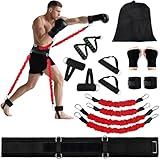
- Use Resistance: Incorporate resistance bands or light dumbbells during your shadow boxing sessions. This will add extra resistance and increase muscle activation.
- Target Specific Muscle Groups: Focus on combinations that target specific muscle groups. For example, focus on shoulder-heavy combinations to work your deltoids.
- Increase Volume: Increase the number of rounds and the duration of your workouts.
- Nutrition is Key: Make sure you’re eating enough protein and calories to support muscle growth. Aim for around 1 gram of protein per pound of body weight.
- Rest and Recovery: Allow your muscles to recover by getting enough sleep and taking rest days.
Shadow Boxing Workout Structure
Here’s a sample shadow boxing workout you can try. Remember to adjust the intensity and duration based on your fitness level. Always warm up before you start and cool down afterwards.
- Warm-up (5 minutes): Jumping jacks, high knees, butt kicks, arm circles.
- Shadow Boxing Rounds (3-5 rounds of 3 minutes each):
- Round 1: Jab, cross, hook, uppercut (repeat for the entire round). Focus on technique and power.
- Round 2: Jab, cross, slip, jab, cross (repeat). Focus on footwork and head movement.
- Round 3: Hook, hook, uppercut, cross (repeat). Focus on speed and power.
- Round 4: Freestyle round. Combine different punches and movements.
- Round 5 (Optional): Repeat any of the above rounds or create your own.
- Cool-down (5 minutes): Stretching, focusing on the muscles you worked during the session.
Incorporating Other Exercises
While shadow boxing can contribute to muscle growth, it’s best combined with other forms of exercise. Consider adding these exercises to your routine:
- Weight Training: Lift weights to provide the necessary resistance for muscle hypertrophy. Focus on compound exercises like squats, deadlifts, bench presses, and overhead presses.
- Bodyweight Exercises: Include exercises like push-ups, pull-ups, and squats to further strengthen your muscles.
- Core Work: Strengthen your core muscles with exercises like planks, crunches, and Russian twists.
Nutrition for Muscle Gain
Your diet plays a critical role in muscle growth. Focus on these key elements:
- Protein: Consume enough protein to provide the building blocks for muscle repair and growth. Good sources of protein include lean meats, fish, eggs, dairy, and plant-based protein sources like beans, lentils, and tofu.
- Calories: Eat enough calories to support muscle growth. You’ll likely need to consume more calories than you burn.
- Carbohydrates: Carbohydrates provide energy for your workouts. Choose complex carbohydrates like whole grains, fruits, and vegetables.
- Healthy Fats: Healthy fats are essential for hormone production and overall health. Include sources like avocados, nuts, and olive oil in your diet.
- Hydration: Drink plenty of water to stay hydrated.
Sample Meal Plan for Muscle Gain
Here’s a sample meal plan to help you get started. Remember to adjust portion sizes based on your individual needs and goals. (See Also: Does Shadow Boxing Help Fitness )
| Meal | Example |
|---|---|
| Breakfast | Oatmeal with protein powder, berries, and nuts. |
| Mid-Morning Snack | Greek yogurt with fruit and a handful of almonds. |
| Lunch | Chicken breast salad with mixed greens, vegetables, and a light vinaigrette. |
| Afternoon Snack | Protein shake with a banana. |
| Dinner | Salmon with roasted vegetables and quinoa. |
Common Mistakes to Avoid
Here are some common mistakes to avoid when shadow boxing for muscle gain:
- Poor Technique: Improper technique can lead to injuries and limit muscle activation.
- Insufficient Resistance: Shadow boxing alone might not provide enough resistance for significant muscle growth.
- Lack of Progression: Not increasing the intensity or volume of your workouts over time.
- Inadequate Nutrition: Not consuming enough protein and calories to support muscle growth.
- Insufficient Rest: Not allowing your muscles enough time to recover.
Shadow Boxing vs. Other Forms of Exercise
Here’s how shadow boxing compares to other popular forms of exercise:
| Exercise | Primary Benefit | Muscle Growth Potential |
|---|---|---|
| Shadow Boxing | Cardiovascular Fitness, Coordination | Moderate, especially for beginners |
| Weight Training | Muscle Hypertrophy, Strength | High |
| Running | Cardiovascular Fitness, Endurance | Low |
| Swimming | Full-Body Workout, Low-Impact | Moderate |
Staying Motivated
Staying motivated is key to achieving your fitness goals. Here are some tips:
- Set Realistic Goals: Set achievable goals and track your progress.
- Find a Training Partner: Training with a friend can help you stay accountable and motivated.
- Vary Your Workouts: Keep your workouts interesting by varying your routines.
- Listen to Your Body: Rest when you need to and don’t push yourself too hard, especially when starting out.
- Celebrate Your Successes: Acknowledge and celebrate your progress, no matter how small.
Verdict
So, can you gain muscle from shadow boxing? Yes, to a degree. Shadow boxing is an excellent exercise for improving cardiovascular fitness, coordination, and muscle endurance. It can contribute to muscle growth, especially for beginners or those new to exercise. However, to maximize muscle growth, it’s crucial to incorporate resistance training, proper nutrition, and adequate rest. Shadow boxing can be a valuable part of a well-rounded fitness routine, helping you build a stronger, more athletic physique. By combining shadow boxing with other forms of exercise, you can create a comprehensive plan that helps you achieve your muscle-building goals and improve your overall fitness.