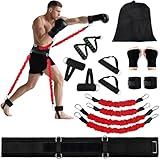
Ever wondered if you could get a killer workout without even needing a punching bag? Shadow boxing, the art of throwing punches and combinations at an imaginary opponent, might be your answer. It’s a fantastic way to improve your fitness, sharpen your boxing skills, and build confidence – all from the comfort of your own space. I’ve spent years in the boxing ring and have seen firsthand how effective shadow boxing can be.
This isn’t just about flailing your arms around; it’s a strategic workout. It demands focus, coordination, and a good understanding of boxing fundamentals. Whether you’re a seasoned boxer looking to refine your technique or a fitness enthusiast searching for a new challenge, shadow boxing offers something for everyone. Let’s explore the benefits and how to incorporate it into your routine.
Get ready to sweat, learn, and transform your fitness journey with the power of shadow boxing!
What Is Shadow Boxing?
Shadow boxing is essentially practicing boxing moves without a physical opponent or a punching bag. It’s about simulating a fight, visualizing an adversary, and reacting accordingly. You’re throwing punches, moving your feet, and weaving your body, all while focusing on proper technique and form. It’s a versatile exercise that can be done anywhere, anytime, making it a convenient and accessible workout option.
The beauty of shadow boxing lies in its simplicity. All you need is yourself, some space, and a willingness to put in the effort. It’s a fantastic way to warm up before a heavy bag workout or a sparring session, or it can be a complete workout on its own. The intensity and focus you bring to the session determine the results. It’s about quality over quantity; precision and control are key.
Key Components of Shadow Boxing
To get the most out of your shadow boxing sessions, understanding the core components is crucial. These elements work together to create a dynamic and effective workout.
- Stance: The foundation of all boxing. A proper stance provides balance, power, and the ability to move quickly.
- Footwork: Essential for agility and positioning. Learning to move in and out, side to side, and pivot is key.
- Punching Technique: Correct form for each punch (jab, cross, hook, uppercut) is vital to avoid injury and maximize power.
- Defense: Blocking, slipping, and weaving to avoid imaginary punches.
- Combinations: Linking punches together in a fluid sequence.
- Visualization: Imagining an opponent and reacting to their movements.
Equipment You Might Consider
While shadow boxing doesn’t require much, some equipment can enhance your workouts. Here are a few suggestions:
- Boxing Gloves: Protect your hands and wrists, and help you get used to the feeling of wearing gloves.
- Hand Wraps: Essential for hand and wrist support under your gloves.
- Mirror: Allows you to check your form and identify areas for improvement.
- Workout Timer: Helps you structure your rounds and rest periods.
- Music: Motivational music can boost your energy and rhythm.
Benefits of Shadow Boxing for Fitness
Shadow boxing offers a wide range of benefits that extend beyond just boxing skills. It’s a comprehensive workout that improves various aspects of your physical and mental well-being. Let’s delve into the key advantages.
Cardiovascular Health
Shadow boxing is an excellent cardiovascular workout. The continuous movement, rapid punches, and footwork elevate your heart rate, improving your cardiovascular health. It strengthens your heart, improves blood flow, and increases your stamina. Regular shadow boxing sessions can significantly reduce your risk of heart disease and other cardiovascular ailments.
The intensity of the workout can be adjusted to match your fitness level. You can increase the speed and power of your punches, add more complex combinations, or incorporate plyometric exercises to boost the cardio effect.
Muscle Strength and Endurance
Shadow boxing engages multiple muscle groups throughout your body. Your arms, shoulders, back, core, and legs are all actively involved in throwing punches, moving, and maintaining balance. It helps build muscle strength and endurance, especially in the upper body and core. The constant repetition of punches and movements builds muscular endurance, enabling you to sustain physical activity for longer periods. (See Also: Does Shadow Boxing Really Work )
The resistance created by the air as you punch and move adds to the muscle-building effect. Shadow boxing is an effective way to tone your muscles and improve your overall strength.
Improved Coordination and Agility
Shadow boxing demands coordination between your eyes, hands, and feet. It helps improve your hand-eye coordination, balance, and agility. The footwork required to move around and the need to react quickly to imaginary punches enhances your reflexes and spatial awareness. Regular practice can make you more agile and improve your overall body control.
The focus on footwork, such as shuffling, pivoting, and side-stepping, contributes significantly to improved agility. This can be beneficial in various aspects of life, from sports to everyday activities.
Enhanced Mental Focus and Concentration
Shadow boxing requires a high level of mental focus and concentration. You need to visualize your opponent, plan your attacks, and react quickly to their movements. This mental engagement helps improve your focus, concentration, and cognitive skills. It’s a great way to clear your mind and sharpen your mental acuity.
The discipline required to maintain proper form and technique, even when you’re tired, further enhances your mental toughness. Shadow boxing can be a meditative practice, helping you develop a stronger mind-body connection.
Calorie Burning and Weight Loss
Shadow boxing is an effective way to burn calories and promote weight loss. The high-intensity workout engages multiple muscle groups and elevates your heart rate, leading to significant calorie expenditure. The amount of calories burned depends on factors such as your weight, intensity, and duration of the workout. Regular shadow boxing sessions combined with a healthy diet can contribute to weight loss and improve body composition.
Shadow boxing can be incorporated into a comprehensive weight-loss program, alongside other forms of exercise and dietary changes. It is a fun and engaging way to burn calories and stay motivated.
Stress Relief
Shadow boxing can be a fantastic stress reliever. The physical exertion releases endorphins, which have mood-boosting effects. The repetitive movements and focus on the present moment can help you clear your mind and alleviate stress. It’s a healthy and productive way to channel negative emotions and improve your overall well-being.
The intensity of the workout allows you to physically express your stress and frustration. It’s a cathartic experience that can leave you feeling refreshed and rejuvenated.
How to Shadow Box Effectively
To get the most out of your shadow boxing sessions, it’s essential to focus on proper technique, form, and strategy. Here’s a step-by-step guide to help you shadow box effectively. (See Also: Are Boxing Classes Worth It )
1. Warm-Up
Before you start shadow boxing, it’s crucial to warm up your body. This prepares your muscles and joints for the workout, reducing the risk of injury. A good warm-up should include cardiovascular exercises and dynamic stretching.
- Cardio: 5-10 minutes of light cardio, such as jogging in place, jumping jacks, or high knees.
- Dynamic Stretching: Arm circles, leg swings, torso twists, and other movements that increase your range of motion.
2. Stance and Footwork
Your stance is the foundation of your boxing. It provides balance, power, and the ability to move quickly. Footwork is just as important, allowing you to control distance and angle. Here’s how to establish a good stance and practice footwork:
- Stance: Stand with your feet shoulder-width apart, one foot slightly in front of the other (your dominant hand should be in the back). Bend your knees slightly, keep your weight balanced, and your heels off the ground.
- Footwork: Practice shuffling forward, backward, and sideways. Learn to pivot on your feet and change direction quickly. Keep your feet moving constantly, don’t stand still.
3. Punching Technique
Proper punching technique is essential for power, accuracy, and injury prevention. Focus on the correct form for each punch.
- Jab: Extend your lead arm straight out from your chin, keeping your elbow tucked in. Rotate your fist as you punch, turning your palm down at the end of the punch.
- Cross: Rotate your body, pushing off your back foot as you throw your rear hand across your body. Keep your elbow tucked in and your chin down.
- Hook: Bend your elbow and swing your arm in a horizontal arc, aiming for the side of your opponent’s head. Keep your elbow up and your hand at shoulder height.
- Uppercut: Bend your knees and drive upwards, aiming for the chin. Keep your elbow tucked in and your hand at chin height.
4. Defense
Defense is just as important as offense. Practice blocking, slipping, and weaving to avoid imaginary punches.
- Blocking: Use your gloves to deflect punches. Keep your elbows in to protect your body.
- Slipping: Move your head to the side to avoid punches.
- Weaving: Bend your knees and move your head under imaginary punches.
5. Combinations
Combine different punches into fluid sequences. Start with simple combinations and gradually increase the complexity.
- Examples: Jab-cross, jab-cross-hook, jab-cross-hook-uppercut.
- Focus: Focus on the flow of the combination, transitioning smoothly between punches.
6. Visualization
Imagine you’re facing an opponent. Visualize their movements and react accordingly. This helps you develop your reflexes and improve your reaction time.
- Practice: Imagine a specific opponent, visualizing their moves and your counters.
7. Cool-Down
After your shadow boxing session, cool down to help your body recover. This helps reduce muscle soreness and improves flexibility.
- Static Stretching: Hold each stretch for 20-30 seconds. Focus on the muscles you worked during the workout.
Sample Shadow Boxing Workout Routines
Here are a few sample shadow boxing workout routines to get you started. Adjust the duration and intensity to match your fitness level.
Beginner Routine (15-20 Minutes)
This routine is designed for beginners to focus on the fundamentals.
- Warm-up: 5 minutes of cardio and dynamic stretching.
- Footwork: 3 minutes of footwork drills (shuffling, pivoting).
- Punching Technique: 5 minutes of practicing individual punches (jab, cross, hook, uppercut).
- Defense: 3 minutes of practicing blocking, slipping, and weaving.
- Cool-down: 4 minutes of static stretching.
Intermediate Routine (30-45 Minutes)
This routine introduces combinations and increases the intensity. (See Also: Does Boxing Classes Help With Weight Loss )
- Warm-up: 5 minutes of cardio and dynamic stretching.
- Footwork: 5 minutes of footwork drills.
- Punching Combinations: 15 minutes of practicing combinations (e.g., jab-cross, jab-cross-hook).
- Defense and Sparring Simulation: 10 minutes of defense drills and visualization of sparring.
- Cool-down: 5 minutes of static stretching.
Advanced Routine (45-60 Minutes)
This routine is for experienced individuals looking for a challenging workout.
- Warm-up: 5 minutes of cardio and dynamic stretching.
- Footwork and Agility: 10 minutes of footwork drills and agility exercises.
- Punching Combinations: 20 minutes of practicing complex combinations.
- Defense and Counter-Punching: 15 minutes of defense drills and counter-punching practice.
- Visualization and Sparring Simulation: 10 minutes of intense visualization of a fight.
- Cool-down: 5 minutes of static stretching.
Workout Structure: Rounds and Rest
To structure your shadow boxing sessions, consider using rounds and rest periods. This method helps you manage your energy levels and maintain intensity. A typical structure involves rounds of 2-3 minutes of shadow boxing, followed by a 30-60 second rest. You can adjust the duration of rounds and rest periods based on your fitness level and goals.
Use a timer or a workout app to track your rounds and rest. This helps you stay focused and maintain a consistent pace throughout your workout. During your rest periods, you can actively recover by catching your breath, stretching, or performing light exercises.
Tips for Maximizing Your Shadow Boxing Workouts
To get the most out of your shadow boxing sessions, consider these tips:
- Focus on Technique: Prioritize proper form over speed and power.
- Visualize: Imagine an opponent and react to their movements.
- Stay Light on Your Feet: Maintain constant movement and footwork.
- Vary Your Routine: Change up your combinations and drills to keep things interesting.
- Use a Mirror: Check your form and identify areas for improvement.
- Listen to Your Body: Take breaks when needed and avoid pushing yourself too hard.
- Stay Consistent: Regular practice is key to seeing results.
Common Mistakes to Avoid
Avoiding common mistakes can enhance the effectiveness of your shadow boxing workouts and prevent injuries. Here are some pitfalls to watch out for:
- Poor Form: Incorrect technique can lead to injuries and limit your progress. Always prioritize proper form.
- Neglecting Footwork: Good footwork is essential for balance, agility, and power generation. Don’t neglect footwork drills.
- Rushing Punches: Avoid throwing punches too quickly, as this can compromise your technique. Focus on control and precision.
- Ignoring Defense: Defense is just as important as offense. Practice blocking, slipping, and weaving.
- Overlooking Warm-up and Cool-down: These are crucial for injury prevention and muscle recovery.
- Lack of Visualization: Actively visualize an opponent and react to their moves to enhance your skills.
Shadow Boxing vs. Other Forms of Exercise
Shadow boxing offers a unique combination of benefits that set it apart from other forms of exercise. Here’s how it compares to some popular alternatives:
Shadow Boxing vs. Running
Both shadow boxing and running are excellent cardiovascular exercises. Running is primarily a lower-body workout, while shadow boxing engages your entire body. Shadow boxing provides a greater emphasis on coordination, agility, and mental focus, while running is more straightforward.
| Feature | Shadow Boxing | Running |
|---|---|---|
| Primary Focus | Full-body conditioning, coordination, mental focus | Cardiovascular endurance, lower-body strength |
| Muscle Engagement | Full body | Legs, core |
| Coordination | High | Low |
| Mental Focus | High | Moderate |
Shadow Boxing vs. Weightlifting
Weightlifting is primarily focused on building muscle strength and size. Shadow boxing also builds strength and endurance, but it also improves cardiovascular health, coordination, and agility. Weightlifting provides a more targeted approach to muscle building, while shadow boxing offers a more comprehensive full-body workout.
| Feature | Shadow Boxing | Weightlifting |
|---|---|---|
| Primary Focus | Cardio, strength, coordination, agility | Muscle strength and size |
| Cardiovascular Health | High | Moderate |
| Coordination | High | Low |
| Muscle Engagement | Full body | Targeted |
Shadow Boxing vs. Hiit
High-Intensity Interval Training (HIIT) involves short bursts of intense exercise followed by brief recovery periods. Shadow boxing can be considered a form of HIIT, as it involves periods of high-intensity punching and movement. HIIT is very effective for burning calories and improving cardiovascular fitness. Shadow boxing adds an extra layer of skill development, coordination, and mental engagement.
| Feature | Shadow Boxing | HIIT |
|---|---|---|
| Primary Focus | Cardio, skill, coordination | Cardiovascular fitness, calorie burning |
| Skill Development | High | Low |
| Mental Engagement | High | Moderate |
| Calorie Burning | High | High |
Shadow boxing is a versatile exercise that can complement other forms of training. It can be incorporated into your fitness routine alongside running, weightlifting, or HIIT, providing a well-rounded and engaging workout experience.
Verdict
Shadow boxing is more than just throwing punches at the air; it’s a dynamic and effective workout that offers a wealth of benefits. From boosting your cardiovascular health and building muscle to improving coordination, focus, and stress relief, it’s a fantastic addition to any fitness routine. By focusing on proper technique, incorporating footwork, and visualizing an opponent, you can transform your shadow boxing sessions into a powerful tool for achieving your fitness goals. Embrace the challenge, stay consistent, and get ready to experience the incredible impact of shadow boxing on your physical and mental well-being.
So, lace up your imaginary gloves, find your space, and get ready to sweat. With dedication and the right approach, shadow boxing can be a fun and rewarding way to improve your fitness and boxing skills, all while boosting your overall well-being. It is a great exercise for all fitness levels.