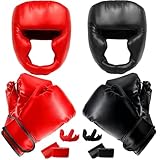
So, you’re looking to up your boxing game, huh? That’s awesome! Boxing is a fantastic sport that challenges you physically and mentally. And, let’s be honest, there’s a certain cool factor involved, right?
But before you start imagining yourself in the ring, it’s crucial to understand the tools of the trade. And the most important tool? Your boxing gloves. They’re not just there to look tough; they’re essential for protecting your hands and your opponent’s, and for optimizing your training and performance. Understanding how **can good with boxing gloves** benefit you is the first step toward becoming a better boxer.
We’ll go through the different types, the best ways to use them, and some essential tips to make sure you’re getting the most out of your gloves. Get ready to learn!
The Anatomy of a Boxing Glove
Before we get into the nitty-gritty of how boxing gloves can boost your skills, let’s break down what they’re made of. Understanding the different parts will help you appreciate their purpose and make informed choices when buying your own pair.
The Layers of Protection
A boxing glove is more than just a padded shell. It’s a complex piece of equipment designed to absorb impact and protect both the wearer and the recipient of the punches. Here’s a breakdown of the key components:
- The Outer Shell: This is the visible part of the glove, usually made of leather or synthetic materials like polyurethane (PU) or vinyl. Leather is generally more durable and offers a better feel, while synthetics are often more budget-friendly. The shell protects the internal padding and determines the glove’s overall durability.
- The Padding: This is the heart of the glove, the part that absorbs the impact of your punches. Padding materials vary, but common choices include foam (layered or single-piece), horsehair, and a combination of materials. The type and density of the padding significantly affect the glove’s protective qualities and the feel of the punch.
- The Wrist Support: This area is crucial for stability and injury prevention. It usually incorporates a wrap-around closure system using Velcro or laces, which secures the wrist and prevents it from bending excessively during a punch. The wrist support helps to keep your wrist aligned, lessening the chances of sprains or fractures.
- The Hand Compartment: This is the space where your hand goes. It’s designed to fit snugly and comfortably, allowing you to form a proper fist. The shape and design of the hand compartment can influence your punching technique and the overall feel of the glove.
- The Thumb: The thumb is attached to the main glove body, and it’s designed to protect the thumb from injury. It also helps to ensure the proper fist formation.
Materials Matter: Leather vs. Synthetic
The material of your boxing gloves has a big impact on their performance, feel, and lifespan. Here’s a comparison:
| Feature | Leather Gloves | Synthetic Gloves |
|---|---|---|
| Durability | Generally more durable, can withstand more wear and tear. | Less durable, may show signs of wear and tear sooner. |
| Feel | Offers a superior feel, often molds to your hand over time. | Can feel stiff initially, may not conform to your hand as well. |
| Price | Typically more expensive. | More affordable. |
| Maintenance | Requires more maintenance (cleaning, conditioning) to prevent cracking. | Easier to clean and maintain. |
| Breathability | Can breathe better, reducing sweat and odor. | Can trap more sweat, potentially leading to odor and reduced lifespan. |
Leather gloves are often the preferred choice for serious boxers due to their durability and superior feel. However, they require more care to keep them in good condition. Synthetic gloves are a great option for beginners or those on a budget, offering a good balance of performance and affordability. They are also easier to maintain.
Types of Boxing Gloves
Boxing gloves aren’t one-size-fits-all. Different types are designed for specific purposes, from training to competition. Choosing the right type is crucial for your safety and performance. Here’s a look at the most common types:
Training Gloves
These are the workhorses of any boxer’s gear bag. They’re designed for the rigors of daily training, including bag work, sparring, and mitt work. Training gloves typically offer more padding and wrist support than competition gloves.
- Weight: Usually range from 12oz to 16oz. The weight you choose will depend on your body weight and the type of training you’re doing. Heavier gloves provide more protection but can also make your punches feel slower.
- Padding: Generally have thick padding for maximum hand protection, making them ideal for long training sessions.
- Wrist Support: Often feature robust wrist support systems, usually a Velcro strap, to prevent injuries during intense training.
- Use: Designed for heavy bag work, sparring, and pad work. They are the most versatile type of boxing glove.
Sparring Gloves
Sparring gloves are a specialized type of training glove designed specifically for sparring sessions. They prioritize the safety of both fighters. (See Also: Are Muay Thai Gloves The Same As Boxing Gloves )
- Weight: Typically 16oz, to provide ample protection for both you and your sparring partner.
- Padding: Designed with extra padding in the knuckles and wrist areas to absorb impact and minimize the risk of injury.
- Construction: Often have a softer padding material on the outside to further reduce the force of impact.
- Use: Exclusively for sparring sessions to protect both fighters from injury.
Competition Gloves
These gloves are designed for use in official boxing matches. They are typically lighter and have less padding than training gloves, which can make punches feel more impactful. They are designed to meet specific regulations set by boxing organizations.
- Weight: Usually 8oz or 10oz, depending on the weight class of the fighters.
- Padding: Less padding compared to training gloves, which allows for more power in punches.
- Construction: Often have a tighter fit and a more streamlined design.
- Use: Used in official boxing matches, regulated by boxing organizations.
Bag Gloves
Bag gloves are a more lightweight glove made specifically for heavy bag work. They offer less padding than training gloves, so they’re generally not recommended for beginners.
- Weight: Usually 10oz or 12oz.
- Padding: Designed with less padding than training gloves, which allows for a more direct feel of the punch.
- Wrist Support: Typically have moderate wrist support.
- Use: Ideal for heavy bag training, focusing on speed and technique, but not recommended for sparring.
How Boxing Gloves Improve Your Skills
Now that we’ve covered the basics, let’s explore how using the right boxing gloves can directly impact your skills and overall performance in the ring.
Protection and Injury Prevention
This is the most obvious benefit, but it’s also the most critical. Boxing gloves are designed to protect your hands, wrists, and your opponent. By absorbing the impact of your punches, gloves help to prevent:
- Hand Fractures: The padding in the gloves helps to distribute the force of impact, reducing the risk of broken bones in your hands.
- Wrist Sprains: The wrist support in training and sparring gloves stabilizes the wrist, preventing it from bending excessively during a punch.
- Cuts and Abrasions: The outer shell of the gloves protects your hands from cuts and abrasions caused by contact with the heavy bag, pads, or your opponent’s gloves.
Improved Punching Technique
The right gloves can also help you refine your punching technique. Here’s how:
- Proper Fist Formation: The design of the hand compartment in a boxing glove encourages you to make a proper fist. This ensures that you’re striking with the correct part of your hand (the knuckles), maximizing the force of your punches and reducing the risk of injury.
- Enhanced Punching Power: While the gloves absorb some of the impact, they also allow you to generate more power. The padding helps to distribute the force of your punch, which can result in more effective blows.
- Improved Hand Speed: Training with gloves of different weights can help you increase your hand speed. Using heavier gloves during training can build strength and endurance, making your hands feel faster when you switch to lighter gloves.
Enhanced Training Effectiveness
Boxing gloves aren’t just for protecting your hands during a fight; they’re also crucial for optimizing your training sessions.
- Versatility in Training: Boxing gloves allow you to work on various aspects of your boxing skills, including speed, power, accuracy, and endurance. You can use them for bag work, pad work, shadowboxing, and sparring.
- Consistent Training: By protecting your hands from injury, boxing gloves allow you to train more consistently. This is essential for building strength, endurance, and refining your technique.
- Targeted Training: Different types of gloves are designed for specific training purposes. For example, using heavier gloves during bag work can help to build strength and power, while using lighter gloves can help to improve your hand speed.
Developing Good Habits
Wearing gloves from the start of your boxing journey can help you develop good habits that will serve you well in the long run.
- Proper Form: Boxing gloves encourage you to maintain proper form when punching. The padding helps to protect your hands, which can allow you to focus more on your technique and less on avoiding injury.
- Discipline: Wearing gloves during training can also help you develop discipline. It can teach you to focus on your technique and to control your movements.
- Respect for the Sport: Boxing gloves are a symbol of the sport. Wearing them shows that you respect the sport and the other fighters.
Choosing the Right Boxing Gloves
Selecting the right pair of boxing gloves is crucial for your safety, comfort, and performance. Here’s what to consider:
1. Weight
The weight of your gloves is one of the most important factors. It is typically measured in ounces (oz). The weight you choose will depend on your body weight and the type of training you’re doing. A general guideline is: (See Also: Can You Wrestle In Boxing Shoes )
- 12oz: Often suitable for those under 150 lbs.
- 14oz: Suitable for those between 150 and 175 lbs.
- 16oz: Recommended for those over 175 lbs, especially for sparring. This weight provides more protection.
Keep in mind that heavier gloves offer more protection but can also slow down your punches. It’s often a good idea to have different weights for different types of training.
2. Material
As discussed earlier, leather gloves offer superior durability and a better feel, while synthetic gloves are more budget-friendly. Consider your budget, training frequency, and personal preference when choosing the material.
3. Fit
Make sure the gloves fit your hands properly. They should be snug but not too tight. You should be able to make a comfortable fist without feeling restricted. Try the gloves on with hand wraps to ensure a proper fit, as wraps will add bulk.
4. Padding
The amount and type of padding will impact the glove’s protective qualities and the feel of the punch. Training and sparring gloves typically have thicker padding than competition gloves. Consider the level of protection needed for your training activities.
5. Closure System
Gloves usually have either Velcro or lace-up closures. Velcro closures are easier to put on and take off, making them convenient for training. Lace-up gloves offer a more secure fit, but you’ll need assistance to tie them.
6. Brand and Reviews
Research different brands and read reviews from other boxers to get an idea of the quality and performance of the gloves. Reputable brands include: Title, Everlast, Ringside, Cleto Reyes, and Winning.
Caring for Your Boxing Gloves
Proper care and maintenance can significantly extend the life of your gloves and keep them in top condition. Here’s how to do it:
Cleaning Your Gloves
Cleaning your gloves regularly is crucial to prevent the build-up of sweat, bacteria, and odor. Here’s a simple cleaning routine:
- Wipe Down After Each Use: After each training session, wipe down the outside of your gloves with a damp cloth to remove any sweat or dirt.
- Air Dry: Allow your gloves to air dry completely after each use. Avoid placing them in direct sunlight or near a heat source, as this can damage the material.
- Use a Glove Deodorizer: Use a glove deodorizer or spray to eliminate odors and prevent bacteria growth.
- Clean the Interior: For a deeper clean, you can use a solution of mild soap and water to wipe down the interior of the gloves. Be sure to let them dry completely before using them again.
Storing Your Gloves
Proper storage can also help to prolong the life of your gloves. (See Also: Is Everlast Good Boxing Gloves )
- Store in a Cool, Dry Place: Avoid storing your gloves in damp or humid environments, as this can lead to mold and mildew growth.
- Use Glove Deodorizers: Place glove deodorizers inside your gloves when storing them to absorb moisture and eliminate odors.
- Avoid Compressing Your Gloves: Do not store your gloves under heavy objects, as this can compress the padding and reduce their protective qualities.
Hand Wraps: The Unsung Heroes
Hand wraps are an essential part of your boxing gear. They provide additional support and protection for your hands and wrists, and they also help to absorb sweat. Always wear hand wraps under your boxing gloves.
- Proper Wrapping Technique: Learn how to wrap your hands correctly to ensure proper support and protection. There are many online tutorials available.
- Wash Your Hand Wraps Regularly: Hand wraps absorb a lot of sweat, so it’s important to wash them regularly to prevent bacteria growth and odor.
Advanced Techniques and Glove Usage
Once you’ve mastered the basics of glove selection and care, you can start exploring more advanced techniques and how to use your gloves to enhance your training and performance.
Glove Weight and Training Variety
Varying the weight of your gloves during training can provide several benefits:
- Heavier Gloves for Strength and Endurance: Using heavier gloves (14oz or 16oz) during heavy bag work can help build strength and endurance in your arms and shoulders.
- Lighter Gloves for Speed and Technique: Switching to lighter gloves (10oz or 12oz) can improve hand speed and allow you to focus on your technique.
- Combination Training: Incorporate both heavy and light gloves into your training routine to develop a well-rounded skillset.
Working the Mitts
Mitt work is an excellent way to improve your punching accuracy, timing, and combination punching. Here’s how to make the most of your mitt sessions:
- Focus on Technique: Concentrate on maintaining proper form and technique, even when throwing combinations at speed.
- Vary Your Combinations: Practice different combinations to develop your versatility and improve your coordination.
- Communicate with Your Partner: Communicate with your trainer or partner to get feedback on your technique and to adjust the pace and intensity of the session.
Sparring Strategies
When sparring, your gloves are a crucial part of your defense and offense. Here are some key strategies:
- Protect Yourself: Keep your hands up and your guard tight to protect yourself from your opponent’s punches.
- Control the Distance: Use your jab to control the distance and set up your combinations.
- Vary Your Attacks: Mix up your punches to keep your opponent guessing.
- Use Your Gloves for Defense: Use your gloves to block and parry your opponent’s punches.
Shadowboxing with Gloves
Shadowboxing is an essential part of any boxer’s training routine. It allows you to work on your technique, footwork, and combinations without the impact of a heavy bag or an opponent. Here’s how to incorporate gloves into your shadowboxing routine:
- Focus on Technique: Pay close attention to your form and technique. Ensure that you are making a proper fist and that your punches are landing correctly.
- Visualize Your Opponent: Imagine that you are fighting an opponent. Visualize their movements and react accordingly.
- Work on Combinations: Practice different combinations to improve your versatility and coordination.
- Maintain a Good Pace: Maintain a steady pace throughout your shadowboxing session. This will help you to build endurance and improve your cardiovascular fitness.
Common Mistakes to Avoid
Even seasoned boxers can make mistakes. Here are some common pitfalls to avoid when using boxing gloves:
- Not Wrapping Your Hands: This is a recipe for injury. Always wrap your hands before putting on your gloves.
- Using the Wrong Weight Gloves: Using gloves that are too heavy or too light can hinder your training and increase your risk of injury.
- Neglecting Glove Maintenance: Failing to clean and store your gloves properly can shorten their lifespan and make them less effective.
- Focusing Solely on Power: Don’t neglect your technique in the pursuit of power. Proper technique is essential for effective punching and injury prevention.
- Not Listening to Your Body: If you’re experiencing pain, stop training. Pushing through pain can lead to serious injuries.
The Takeaway
Boxing gloves are more than just equipment; they’re an integral part of your training and performance. By understanding their anatomy, the different types, and how to use them effectively, you can significantly enhance your skills and protect yourself in the ring. Remember to choose the right gloves for your training needs, care for them properly, and always prioritize safety.
Verdict
Using the right boxing gloves is a crucial step for anyone serious about improving their boxing skills. They protect your hands, wrists, and even your sparring partner, allowing you to train harder and longer. Remember to consider factors like weight, material, and fit when choosing your gloves, and always prioritize proper hand wrapping. By following these guidelines and taking care of your gear, you’ll be well on your way to a safer and more effective boxing journey.
Ultimately, the right gloves support your training, improve your technique, and help you become a more skilled and confident boxer. So, gear up, wrap up, and get ready to throw some punches! With the right tools and knowledge, you can see real improvements in your strength, speed, and overall boxing ability.