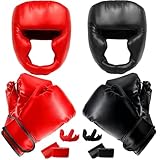
Ever wondered why some boxing gloves look massive while others seem more compact? The answer lies in the world of boxing glove sizes, a crucial yet often misunderstood aspect of the sweet science. Whether you’re a seasoned pugilist or just starting to wrap your hands, understanding the nuances of glove sizing is essential for both performance and safety.
Choosing the right size isn’t just about aesthetics; it directly impacts your ability to punch effectively, protect your hands, and even avoid injuries. Different sizes cater to various training needs, weight classes, and even the type of boxing you’re engaging in. This guide will break down everything you need to know about boxing glove sizes, from the basic weight classifications to the specific considerations for different types of training and competition. Get ready to wrap your head around the weights!
The Basics: Understanding Boxing Glove Weights
Boxing gloves are primarily categorized by their weight, measured in ounces (oz). This weight represents the padding in the glove, not the overall size. The heavier the glove, the more padding it has, which translates to greater protection for both the wearer and their sparring partner. It’s a simple concept, but the implications are far-reaching. Let’s delve into the standard weights and what they mean.
Standard Boxing Glove Weights: A Breakdown
The most common boxing glove weights range from 8oz to 20oz. Each weight serves a specific purpose, and the choice depends on your experience, weight class, and the type of training or competition you’re involved in. Here’s a detailed look:
- 8oz Gloves: These are typically used in professional fights, where speed and agility are paramount. They offer less padding, which means punches hit harder, but they also provide less protection. Not recommended for beginners or heavy bag work.
- 10oz Gloves: Also used in professional fights, particularly in lighter weight classes. Similar to 8oz gloves, they prioritize speed and power. These are also used in some amateur competitions.
- 12oz Gloves: A popular choice for amateur competitions and for training in lighter weight classes. They offer a good balance of speed and protection.
- 14oz Gloves: Often preferred for sparring and heavy bag work, especially for heavier weight classes. They provide significantly more padding, reducing the risk of injury.
- 16oz Gloves: The standard for sparring in most gyms, regardless of weight class. 16oz gloves are considered the safest option for sparring because they offer maximum protection. They are also used for heavier bag work.
- 18oz & 20oz Gloves: Primarily used by heavier fighters or for very specific training purposes like conditioning or building upper body strength. The extra weight adds resistance to your punches.
Important Note: The weight of the glove is the primary factor influencing its size, but other factors, like the brand and the materials used, can also affect the overall feel and fit. Always try on gloves or consult a sizing chart before purchasing.
Choosing the Right Size for Your Needs
The right boxing glove size isn’t a one-size-fits-all situation. It depends on several factors, including your weight, the type of training you’re doing, and the rules of the competition. Let’s explore the key considerations.
Weight Class and Glove Size
Your weight class is a significant factor in determining the appropriate glove size. Generally, heavier fighters require heavier gloves for added protection. Here’s a general guideline:
- Lightweight Fighters (Under 135 lbs): 10oz – 14oz gloves.
- Middleweight Fighters (135 – 160 lbs): 12oz – 16oz gloves.
- Heavyweight Fighters (Over 160 lbs): 14oz – 16oz gloves (or even 18oz for sparring).
These are general recommendations, and personal preference also plays a role. If you are a lighter fighter who focuses on power, you might opt for slightly heavier gloves for sparring. Conversely, a heavier fighter focused on speed might choose slightly lighter gloves for some training sessions.
Training Type and Glove Size
The type of training you’re doing should also influence your glove selection: (See Also: Are Muay Thai Gloves The Same As Boxing Gloves )
- Sparring: 16oz gloves are the standard for sparring in most gyms. They offer the best protection for both you and your sparring partner. Some gyms may require 14oz gloves.
- Heavy Bag Work: 14oz – 16oz gloves are recommended to protect your hands from the impact of the bag. Heavier gloves can also help build strength and endurance.
- Pad Work: You can use gloves in a similar weight range as for sparring, but some people prefer lighter gloves (12oz or 14oz) for pad work to improve hand speed and agility.
- Competition: Follow the rules of the specific competition. Professional fights often use 8oz or 10oz gloves, while amateur fights typically use 10oz or 12oz gloves.
Important Note: Always prioritize safety. If you’re unsure, err on the side of caution and choose a heavier glove, especially when sparring.
Other Factors to Consider
Beyond weight and training type, other factors can influence your choice of boxing glove size and fit.
Hand Wraps and Fit
Hand wraps are essential for protecting your hands and wrists. They add bulk to your hands, so you need to factor this into your glove size. Always wear hand wraps when trying on gloves. If the gloves feel too tight with wraps, you may need to go up a size. If they feel too loose, the wraps might not be adequate, or the gloves might be too big.
Glove Material and Construction
The material of the glove can affect its fit and feel. Leather gloves tend to be more durable and conform to your hand over time. Synthetic gloves may break in more quickly but might not last as long. The construction of the glove, including the padding distribution, can also influence the fit and protection. Look for gloves with well-placed padding in the knuckle and wrist areas.
Brand and Model
Different brands and models of boxing gloves may have slightly different sizing and fits. It’s always a good idea to read reviews and try on gloves if possible. Some brands run larger or smaller than others. Also, consider the style of the glove. Some gloves are designed for specific purposes, such as training, sparring, or competition, and the fit might vary accordingly. Research the brand and model before buying.
Personal Preference
Ultimately, the best boxing glove size is the one that feels most comfortable and provides the best protection for your individual needs. Try on different sizes and weights to see what works best for you. Consider the balance between protection, speed, and comfort. Some people prefer a snug fit, while others prefer a bit more room. Don’t be afraid to experiment to find what feels right.
Boxing Glove Sizing Charts: A Helpful Tool
Boxing glove sizing charts are a useful tool for determining the right size. These charts typically correlate your weight and sometimes your hand circumference to a recommended glove size. However, these charts are guidelines, and you should always consider your individual needs and preferences. Here’s a sample of what a typical sizing chart might look like:
| Weight (lbs) | Recommended Glove Size | Use |
|---|---|---|
| Under 100 | 10oz – 12oz | Training, Sparring (lighter weights) |
| 100 – 135 | 12oz – 14oz | Training, Sparring |
| 135 – 160 | 14oz – 16oz | Sparring, Heavy Bag |
| Over 160 | 16oz + | Sparring, Heavy Bag, Strength Training |
Important Note: Always consult the sizing chart provided by the specific brand you are considering, as sizes can vary. Use the chart as a starting point, and consider trying on the gloves if possible. (See Also: Can You Wrestle In Boxing Shoes )
Beyond the Basics: Specialized Boxing Gloves
While the standard weights cover most needs, there are also specialized boxing gloves designed for specific purposes. Understanding these can further refine your glove selection.
Training Gloves vs. Sparring Gloves
Training Gloves: These are generally designed for heavy bag work, pad work, and general training. They often have denser padding and are built to withstand repeated impact. Training gloves can be in weights from 12oz to 16oz depending on training style and the weight of the boxer.
Sparring Gloves: Sparring gloves prioritize protection for both the wearer and the sparring partner. They typically have more padding, especially in the knuckle area, to absorb impact. 16oz gloves are the most common sparring gloves.
Bag Gloves
Bag gloves are designed specifically for heavy bag work. They are usually smaller and more compact than training or sparring gloves, with less padding. This allows for a more natural feel and allows the boxer to focus on technique and speed. However, they offer less protection and are not recommended for sparring.
Competition Gloves
Competition gloves adhere to the specific regulations of the boxing organization. These gloves are designed to meet the requirements for professional or amateur bouts. They often have stricter weight and padding regulations.
Hybrid Gloves
Some gloves are designed to be versatile, suitable for both training and sparring. These hybrid gloves offer a balance of protection and performance. They are a good option if you are looking for a glove that can handle various types of training.
Caring for Your Boxing Gloves: Extending Their Lifespan
Proper care can significantly extend the lifespan of your boxing gloves and ensure they continue to provide adequate protection. Here are some key tips:
Cleaning Your Gloves
After each training session, wipe down your gloves with a damp cloth to remove sweat and dirt. Allow them to air dry completely before storing them. Do not place them in direct sunlight or near a heat source, as this can damage the material. Consider using a glove deodorizer or spray to eliminate odors. (See Also: Is Everlast Good Boxing Gloves )
Drying Your Gloves
Always allow your gloves to dry completely after each use. Stuffing them with newspaper or using a glove dryer can help absorb moisture and speed up the drying process. Proper drying prevents the buildup of bacteria and mold, which can damage the gloves and cause unpleasant odors.
Storing Your Gloves
Store your gloves in a cool, dry place away from direct sunlight. Consider using a glove bag to protect them from dust and damage. Avoid storing them in a gym bag without allowing them to air dry first, as this can trap moisture and promote bacterial growth.
Inspecting Your Gloves
Regularly inspect your gloves for signs of wear and tear, such as cracks in the leather, loose stitching, or compression of the padding. If you notice any damage, consider replacing your gloves to ensure adequate protection.
Common Mistakes to Avoid
Avoiding common mistakes can help you choose the right gloves and get the most out of your training. Here are some things to keep in mind:
- Not trying on gloves: Always try on gloves before you buy them, or at least consult detailed sizing charts.
- Ignoring hand wraps: Always wear hand wraps when trying on gloves to ensure a proper fit.
- Choosing gloves solely based on price: While budget is a consideration, prioritize quality and protection over price.
- Using the wrong size for sparring: Always use the appropriate weight gloves for sparring (typically 16oz).
- Neglecting glove care: Proper care extends the lifespan of your gloves and ensures they provide adequate protection.
By avoiding these common mistakes, you can make a more informed decision and improve your boxing experience.
Where to Buy Boxing Gloves
Boxing gloves are readily available from various sources, both online and in physical stores. Here are some popular options:
- Specialty Boxing Stores: These stores offer a wide selection of boxing equipment and knowledgeable staff who can help you find the right gloves.
- Sporting Goods Stores: Many sporting goods stores carry a selection of boxing gloves.
- Online Retailers: Amazon, eBay, and other online retailers offer a vast selection of boxing gloves from various brands. Be sure to read reviews and check sizing charts before purchasing online.
- Direct from Manufacturers: Some boxing equipment manufacturers sell their products directly to consumers.
When purchasing gloves, consider the following:
- Price: Boxing gloves range in price from budget-friendly options to premium models.
- Brand Reputation: Research different brands and read reviews to assess their quality and durability.
- Warranty: Check if the gloves come with a warranty.
- Return Policy: Ensure the store has a reasonable return policy in case the gloves don’t fit or meet your expectations.
Final Verdict
Choosing the right boxing glove size is an important part of your training. We’ve covered the different weights, the factors that influence your choice, and how to care for your gloves. Remember, the right size depends on your weight, training type, and personal preference. Don’t be afraid to experiment to find what feels best for you.
By understanding the nuances of glove sizing, you can enhance your performance, protect yourself from injury, and enjoy your boxing journey. Prioritize safety, consider your specific needs, and don’t hesitate to seek advice from experienced boxers or coaches. Your hands are your most valuable tools in the ring, so equip them with the right protection.