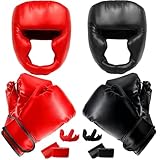
Ever wondered what’s between your fist and your opponent’s face when you’re throwing punches? The answer, in short, is padding. But it’s a lot more complex than just a simple cushion. Boxing gloves are a critical piece of equipment, and understanding their construction, especially the padding, is vital for both safety and performance. This guide will take you through everything you need to know about the padding in boxing gloves, from the materials used to the different types available, and why it’s so important.
We’ll delve into the science behind the padding, exploring how it protects your hands and your sparring partner. You’ll learn about the different levels of protection offered by various glove designs, and how to choose the right gloves for your training needs. Whether you’re a seasoned boxer or just starting out, this article will help you make informed decisions about your gear, ensuring you can train safely and effectively. Let’s get started!
The Importance of Padding in Boxing Gloves
Boxing is a sport that involves repeated impact, and without proper protection, the damage to your hands and your opponent can be significant. This is where the padding in boxing gloves comes into play. The primary function of padding is to absorb and disperse the force of impact, protecting both the boxer’s hand and the person being hit. It’s a crucial element in minimizing injuries like broken bones, sprains, and cuts. Without adequate padding, the sport would be far more dangerous, with a higher risk of serious, long-term injuries.
The padding also plays a role in the performance of a boxer. By absorbing some of the impact, it allows the boxer to throw punches with more power and speed, without the fear of immediate self-inflicted damage. It contributes to the overall effectiveness of the training and sparring experience. The right amount and type of padding can also help to reduce fatigue, allowing boxers to train for longer periods and improve their stamina.
Materials Used in Boxing Glove Padding
The materials used in boxing glove padding have evolved over time, with manufacturers constantly seeking to improve protection and performance. The most common materials are: (See Also: Are Muay Thai Gloves The Same As Boxing Gloves )
- Foam: This is the most prevalent material. Different types of foam are used, each with varying properties.
- Horsehair: Historically used, and in some gloves still used, for its dense properties.
- Gel: Gel inserts are often incorporated to provide additional shock absorption.
- A combination of these materials: Many gloves now use a combination of foams and other materials to optimize performance and protection.
Types of Foam Padding
Foam is the workhorse of boxing glove padding. There are several types of foam used, each with unique characteristics:
- Layered Foam: This involves multiple layers of different densities of foam. This construction is designed to provide graduated protection, absorbing impact more effectively.
- Injection Molded Foam: This type of foam is poured into a mold, creating a dense and consistent padding. It’s often used in higher-end gloves for its durability and impact absorption capabilities.
- Pre-molded Foam: Pre-molded foam is shaped during the manufacturing process to fit the hand’s natural curve.
- Blended Foam: A mix of different foam types, often combining the benefits of different densities and properties.
The Role of Horsehair
Horsehair padding, although less common today, has a rich history in boxing. It provides a dense, firm layer of protection. Its main advantage is its ability to compress and then spring back, providing excellent impact resistance. However, it can also pack down over time, reducing its effectiveness, and can be heavier than modern foam alternatives. Horsehair is typically used in combination with other padding materials to provide a balanced level of protection and comfort. It’s often found in vintage or traditional boxing gloves.
Gel Inserts for Enhanced Protection
Gel padding is a relatively modern addition to boxing gloves, offering superior shock absorption. Gel inserts are strategically placed within the glove to absorb and dissipate the impact of punches. This not only protects the boxer’s hand but also reduces the force transmitted to the opponent. Gel padding is especially effective for heavy bag work and sparring, as it helps to minimize the risk of injury. It can be found in combination with other padding materials, enhancing the overall protection of the glove.
Construction of Boxing Gloves and Padding Placement
The way padding is arranged within a boxing glove is just as important as the materials used. The padding is typically distributed throughout the knuckle area, the back of the hand, and the wrist. This strategic placement ensures that the areas most vulnerable to injury are well-protected. (See Also: Can You Wrestle In Boxing Shoes )
- Knuckle Padding: This is the most critical area of protection, as it absorbs the direct impact of punches. The thickness and density of the knuckle padding vary depending on the glove’s intended use (e.g., training, sparring, competition).
- Wrist Support: Padding around the wrist helps to stabilize the joint, preventing sprains and other injuries. It’s often integrated into the glove’s design, providing a secure fit and support.
- Palm Padding: Some gloves include padding on the palm to provide additional protection and comfort.
The padding is often constructed in layers, with different densities of foam or other materials used to optimize impact absorption. The layers are carefully stitched together to ensure they stay in place during use. The quality of the stitching and the overall construction of the glove are critical to its durability and effectiveness.
Types of Boxing Gloves and Their Padding
Different types of boxing gloves are designed for specific purposes, and the padding varies accordingly. Here’s a breakdown:
- Training Gloves: These gloves are designed for general training, including heavy bag work, pad work, and sparring. They typically have thicker padding to provide maximum protection for both the boxer and their training partner. Training gloves often incorporate layered foam or a combination of foam and gel for superior impact absorption. Weights typically range from 12oz to 16oz.
- Sparring Gloves: Sparring gloves prioritize safety. They usually have thicker padding than training gloves, particularly around the knuckles, to reduce the risk of injury during sparring sessions. These gloves are often 14oz to 18oz in weight, providing additional protection.
- Competition Gloves: These gloves are designed for professional boxing matches. They often have less padding than training or sparring gloves, to allow for faster punches and greater power. However, they still provide adequate protection to meet safety regulations. Competition gloves are typically 8oz or 10oz in weight.
- Bag Gloves: These gloves are specifically designed for heavy bag work. They usually have dense padding in the knuckle area to withstand the repeated impact of striking a heavy bag. Bag gloves are often lighter than training or sparring gloves, typically ranging from 10oz to 12oz.
Comparison Table of Boxing Glove Types
| Glove Type | Primary Use | Padding Focus | Weight (oz) |
|---|---|---|---|
| Training Gloves | General training, sparring | High impact absorption, protection for both boxer and partner | 12-16 |
| Sparring Gloves | Sparring sessions | Maximum protection, especially around knuckles | 14-18 |
| Competition Gloves | Professional boxing matches | Balance between protection and power | 8-10 |
| Bag Gloves | Heavy bag work | Dense knuckle padding for repeated impact | 10-12 |
Choosing the Right Boxing Gloves Based on Padding
Selecting the right boxing gloves is essential for your safety and performance. Here’s how to choose based on the padding:
- Consider Your Training Activities: If you primarily do heavy bag work, you’ll need gloves with dense knuckle padding. For sparring, prioritize gloves with thicker padding to protect both you and your partner.
- Assess Your Skill Level: Beginners should opt for gloves with more padding, as they are more prone to making mistakes. As you become more experienced, you might prefer gloves with less padding for greater speed and power.
- Evaluate the Material and Construction: Look for gloves made from high-quality materials, such as genuine leather or durable synthetic materials. Check the stitching and overall construction to ensure durability.
- Try Them On: Always try on gloves before you buy them. Ensure that they fit comfortably and provide a secure fit. The gloves should not be too tight or too loose, as this can affect your performance and increase the risk of injury.
- Weight Matters: The weight of the glove affects the amount of padding. Heavier gloves generally offer more protection but can also slow down your punches. Choose a weight that suits your training needs and skill level.
Caring for Your Boxing Gloves
Proper care and maintenance are crucial for extending the life of your boxing gloves and ensuring they continue to provide adequate protection. Here’s how to care for your gloves: (See Also: Is Everlast Good Boxing Gloves )
- Air Them Out: After each use, allow your gloves to air out completely. Remove them from your gym bag and store them in a well-ventilated area. This will help prevent the buildup of moisture and bacteria.
- Use Glove Deodorizers: Consider using glove deodorizers or inserts to absorb moisture and eliminate odors. These are readily available and can help keep your gloves fresh.
- Clean the Exterior: Wipe down the exterior of your gloves with a damp cloth after each use to remove sweat and dirt. Avoid using harsh chemicals or abrasive cleaners, as these can damage the material.
- Store Properly: Store your gloves in a cool, dry place away from direct sunlight. Avoid storing them in extreme temperatures, as this can damage the padding and materials.
- Inspect Regularly: Regularly inspect your gloves for wear and tear. Look for cracks, tears, or compression of the padding. Replace your gloves if they show signs of significant damage or wear, as this can compromise their ability to protect your hands.
Common Misconceptions About Boxing Glove Padding
There are several misconceptions about boxing glove padding that can lead to confusion and potentially unsafe practices. Here are a few:
- More Padding = More Protection: While more padding generally provides more protection, it can also affect the speed and power of your punches. The ideal amount of padding depends on your training activities and skill level.
- All Gloves Are Created Equal: Not all boxing gloves are made with the same quality of padding. The type of materials used, the construction, and the overall quality vary significantly between brands and price points.
- Padding Never Wears Out: Over time, the padding in boxing gloves can compress and lose its ability to absorb impact effectively. Regular inspection and replacement are essential to ensure continued protection.
- Competition Gloves Are Unsafe: Competition gloves have less padding than training or sparring gloves, but they still meet safety regulations. They are designed to allow for greater speed and power, while still providing adequate protection.
The Future of Boxing Glove Padding
The development of boxing glove padding is an ongoing process, with manufacturers constantly seeking to improve protection and performance. Here are some trends to watch:
- Advanced Materials: Expect to see the use of new and innovative materials, such as advanced foams and gel technologies, to enhance impact absorption.
- Customization: The trend towards customized gloves, tailored to the specific needs of individual boxers, will likely continue. This includes variations in padding, weight, and fit.
- Integration of Technology: Future gloves may incorporate sensors to measure impact force, providing valuable data for training and injury prevention.
- Sustainable Materials: There is a growing focus on using sustainable and eco-friendly materials in the production of boxing gloves.
As technology advances, we can expect to see even more sophisticated padding systems that prioritize both safety and performance. This will help to make boxing a safer and more enjoyable sport for everyone.
Final Verdict
Understanding the padding in boxing gloves is fundamental for any boxer. It’s about more than just a cushion; it’s a carefully engineered system designed to protect your hands and your training partners. From the materials used, like different types of foam and gel inserts, to the specific construction of the gloves, every detail plays a role in safety and performance.
Choosing the right gloves for your training needs, whether it’s heavy bag work, sparring, or competition, requires careful consideration of the padding. Remember to prioritize gloves that provide adequate protection and fit comfortably. Proper care and maintenance, including airing out your gloves and cleaning them regularly, will extend their lifespan and ensure they continue to protect you. By making informed choices, you can stay safe and enjoy the sport of boxing for years to come.