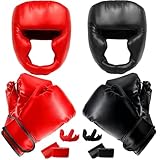
So, you’re thinking about stepping into the ring, hitting the heavy bag, or maybe just starting your boxing journey. That’s fantastic! Boxing is a great workout and a challenging sport. But before you start throwing punches, there’s a crucial piece of equipment you need to consider: your boxing gloves. And a common question pops up: are boxing gloves one size fits all? The short answer is no, but the long answer is a bit more nuanced, and that’s what we’re going to explore today.
Choosing the right gloves is more important than you might think. Ill-fitting gloves can lead to everything from blisters and discomfort to serious injuries. We’ll break down the sizing, the different types of gloves, how to measure your hands, and other important factors to help you make an informed decision. I’ll share some tips and insights, drawing on my experience in boxing, to help you find the perfect pair of gloves for your needs. Let’s get started!
Understanding Boxing Glove Sizing
Boxing glove sizing isn’t as straightforward as shoe sizing. It’s primarily based on weight, measured in ounces (oz). The weight of the glove impacts its padding and intended use. This means that, while there’s no true ‘one size fits all,’ there are generally accepted size ranges for different hand sizes and activities. The weight of the glove affects the protection it provides and the power you can generate.
Factors Influencing Glove Size
Several factors play a role in determining the right boxing glove size for you:
- Your Hand Size: This is the most crucial factor. Hand size determines the fit and comfort of the glove.
- Your Weight: Heavier individuals often require heavier gloves for added protection.
- The Type of Training: Are you sparring, hitting heavy bags, or competing? Different activities demand different glove weights.
- Your Skill Level: Beginners often start with heavier gloves for increased protection.
- Gender: While not always a deciding factor, women may find smaller gloves more comfortable.
Glove Weight and Its Significance
As mentioned, boxing glove sizes are determined by weight. Here’s a breakdown of the common weights and their typical uses:
- 8 oz Gloves: These are typically used for professional fights, where speed and agility are prioritized. They offer less padding and are not recommended for training or sparring.
- 10 oz Gloves: Also used in professional fights, but sometimes used for advanced training. They offer slightly more padding than 8 oz gloves.
- 12 oz Gloves: Commonly used for training, especially for lighter individuals (under 150 lbs) and for pad work. They provide a good balance of protection and speed.
- 14 oz Gloves: A popular choice for sparring and heavier bag work. They offer increased padding for more protection during contact. Suitable for individuals between 150-180 lbs.
- 16 oz Gloves: The standard for sparring, especially for heavier individuals. They provide maximum protection and are often required for sparring in most gyms. Recommended for individuals over 180 lbs.
- 18 oz and Heavier Gloves: Used by very heavy individuals or for specific training purposes, such as strength and conditioning.
How to Measure Your Hands
Accurately measuring your hands is essential for choosing the right glove size. Here’s how to do it:
- Measure Your Hand Width: Use a flexible measuring tape and measure the width of your palm across the knuckles, excluding the thumb.
- Measure Your Hand Circumference: Wrap the measuring tape around your knuckles, making sure to include your thumb.
- Record Your Measurements: Write down both measurements in inches or centimeters.
- Consult a Sizing Chart: Use a sizing chart provided by the glove manufacturer to determine the best size based on your measurements and weight.
Important Tip: Always measure both hands, as they might not be exactly the same size. Use the larger measurement for a better fit.
The Role of Hand Wraps
Hand wraps are a critical part of boxing, and they significantly influence glove fit. They serve multiple purposes:
- Protection: They protect your knuckles, wrists, and the bones of your hands from injury.
- Support: They provide support to your wrists, helping prevent sprains and strains.
- Absorption: They absorb sweat, keeping your gloves cleaner and extending their lifespan.
- Fit: They add bulk to your hands, impacting the overall fit of the gloves.
When trying on gloves, always wear hand wraps. This ensures you get an accurate sense of the fit. The wraps will take up space and can affect the size you choose.
Types of Boxing Gloves
Boxing gloves come in various types, each designed for specific purposes. Understanding these different types will help you choose the right gloves for your training and fighting style. (See Also: Are Muay Thai Gloves The Same As Boxing Gloves )
Training Gloves
Training gloves are the most common type of boxing gloves. They are designed for general training purposes, including heavy bag work, pad work, and some sparring. They offer a balance of protection and comfort, with varying weights depending on the intended use. They typically have more padding than competition gloves.
Sparring Gloves
Sparring gloves are specifically designed for sparring sessions. They have extra padding to protect both the wearer and the sparring partner from injury. Sparring gloves are usually heavier (14 oz or 16 oz) to provide maximum protection.
Competition Gloves
Competition gloves are used in professional fights. They are typically lighter than training or sparring gloves, with less padding to allow for greater punching power and speed. They are often made of high-quality leather and are designed to meet the specific regulations of boxing organizations.
Bag Gloves
Bag gloves are lighter than training gloves and designed specifically for hitting heavy bags. They usually have less padding and a tighter fit, allowing for a more direct feel of the bag. They are not recommended for sparring because they don’t offer enough protection.
Hybrid Gloves
Hybrid gloves are a newer category that aims to bridge the gap between training and bag gloves. They are often designed to be versatile enough for both activities. They may offer a better fit and feel for bag work than standard training gloves.
Choosing the Right Type of Glove
The type of glove you choose depends on your training goals and activities. If you’re primarily hitting a heavy bag, bag gloves or training gloves might be sufficient. If you’re sparring, you’ll need sparring gloves. For competition, you’ll need competition gloves. Consider the level of protection, the weight, and the overall fit.
Material Matters: Glove Construction
The materials used in boxing gloves significantly impact their durability, comfort, and performance. Here’s a breakdown of the key materials:
Leather Gloves
Leather gloves are the premium choice. They are durable, offer excellent protection, and conform to the shape of your hands over time. Full-grain leather is the highest quality, followed by top-grain leather. Leather gloves are more expensive but tend to last longer.
Synthetic Leather Gloves
Synthetic leather gloves (often made of polyurethane or other synthetic materials) are a more affordable option. They are generally less durable than leather gloves but offer good performance for the price. They are also easier to clean and maintain. (See Also: Can You Wrestle In Boxing Shoes )
Padding Materials
The padding inside the gloves is crucial for protection. Common padding materials include:
- Foam: Various types of foam, such as layered foam, are used for shock absorption.
- Horsehair: Some high-end gloves use horsehair for additional padding.
- Gel: Gel padding can provide extra impact absorption.
The combination of these materials determines the glove’s ability to protect your hands and absorb the force of your punches.
Fit and Comfort: Beyond Size
While size is crucial, other factors influence the fit and comfort of boxing gloves:
Wrist Support
Look for gloves with good wrist support. This helps prevent injuries and provides stability during punches. Velcro closures or lace-up closures can provide varying levels of support.
Thumb Placement
The thumb should be positioned comfortably and securely. It should not be forced into an unnatural position. Some gloves have a pre-curved thumb for better ergonomics.
Glove Shape
Different glove shapes cater to different hand shapes and punching styles. Some gloves are more rounded, while others are flatter. Try on different gloves to find the shape that best suits your hand.
Ventilation
Good ventilation helps prevent your hands from sweating excessively. Look for gloves with breathable materials or ventilation holes.
Break-in Period
New gloves often require a break-in period. Wear them while hitting the bag or shadow boxing to help them conform to the shape of your hands. Leather gloves especially benefit from a break-in period.
Popular Boxing Glove Brands
Several reputable brands offer high-quality boxing gloves. Here are some of the most popular and trusted brands: (See Also: Is Everlast Good Boxing Gloves )
- Everlast: A well-known brand, offering a wide range of gloves for all skill levels.
- Title Boxing: Known for its high-quality gloves and equipment, popular among serious boxers.
- Cleto Reyes: A premium brand, favored by professional fighters, known for its leather gloves.
- Winning: A Japanese brand, considered by many to be the best in the world, known for its superior quality and protection.
- Hayabusa: Offers innovative glove designs with a focus on performance and comfort.
- Venum: A popular brand with stylish designs, offering a variety of gloves for different needs.
When choosing a brand, consider the reputation, quality, and price. Read reviews and ask for recommendations from experienced boxers.
Troubleshooting Common Glove Issues
Even with the right size and type of gloves, you might encounter some issues. Here’s how to troubleshoot common problems:
Gloves Feel Too Tight
If your gloves feel too tight, especially around the knuckles, try a larger size. Ensure you’re wearing hand wraps. If the gloves are new, they might need a break-in period. If the issue persists, the glove shape might not be right for your hand.
Gloves Feel Too Loose
If your gloves feel too loose, try a smaller size. Make sure your hand wraps are properly fitted. Check the wrist support; loose gloves can lead to wrist injuries. If the problem persists, the glove might not fit your hand shape.
Blisters and Discomfort
Blisters and discomfort can be a sign of ill-fitting gloves or improper hand wrapping. Ensure you’re wearing hand wraps and that the gloves fit snugly but not too tightly. If the problem persists, try a different glove style or size.
Odor and Hygiene
Boxing gloves can develop an unpleasant odor due to sweat. To prevent this, always wear hand wraps. After each use, wipe down the gloves and allow them to air dry. Consider using a glove deodorizer or disinfectant spray.
Where to Buy Boxing Gloves
You can find boxing gloves at various locations:
- Specialty Boxing Stores: These stores offer a wide selection of gloves and knowledgeable staff who can help you choose the right size and type.
- Sporting Goods Stores: Large sporting goods stores often carry a selection of boxing gloves.
- Online Retailers: Amazon, eBay, and other online retailers offer a vast selection of gloves.
- Gyms and Training Centers: Many gyms sell boxing gloves to their members.
When buying gloves, try them on if possible. If buying online, read reviews and check the manufacturer’s sizing chart. Consider the return policy in case the gloves don’t fit.
Maintaining Your Boxing Gloves
Proper maintenance extends the lifespan of your boxing gloves and ensures they perform well. Here are some tips:
- Wipe Down After Use: After each training session, wipe down the gloves with a damp cloth to remove sweat and dirt.
- Air Dry: Allow the gloves to air dry completely after each use. Avoid placing them near direct heat, as this can damage the materials.
- Use a Glove Deodorizer: To prevent odors, use a glove deodorizer or spray.
- Store Properly: Store the gloves in a cool, dry place. Avoid storing them in direct sunlight or extreme temperatures.
- Regularly Inspect: Inspect the gloves for any signs of wear and tear, such as cracks or tears.
- Clean Regularly: Clean the gloves regularly with a leather cleaner or a mild soap and water solution.
Conclusion
So, are boxing gloves one size fits all? The simple answer is no. Boxing glove sizing is based on weight (oz), which is related to the size of the hand and the intended use of the glove. Choosing the right size and type of boxing gloves is essential for both your safety and your performance. You need to consider your hand size, your weight, the type of training you’ll be doing, and the level of protection you need. Don’t forget that using hand wraps is crucial for fit, protection, and hygiene. We’ve covered the different types of gloves, the materials they’re made of, and important factors like wrist support and ventilation. By understanding these aspects and taking the time to measure your hands accurately, you can find the perfect gloves to help you enjoy the sport and train safely. Remember to prioritize fit and comfort, and don’t hesitate to seek advice from experienced boxers or professionals. With the right gloves, you’ll be well on your way to enjoying the sweet science!