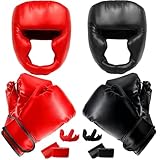
Ever wondered if those gloves used in boxing are, well, hard? It’s a fundamental question, isn’t it? The answer is nuanced, and understanding it is key to appreciating the sport and, more importantly, protecting yourself.
Boxing gloves are designed to serve two primary purposes: to protect the hands of the boxer and to cushion the impact of punches. However, the design and materials used play a significant role in how ‘hard’ they feel and the overall impact they deliver. Different types of gloves are made for different purposes, from training to competition.
In this guide, we’ll unpack everything you need to know about the hardness of boxing gloves. We’ll explore the materials, construction, and the impact they have on both the puncher and the recipient. You’ll gain a comprehensive understanding of why some gloves feel harder than others and what it all means.
The Anatomy of a Boxing Glove: Materials and Construction
To understand the hardness of boxing gloves, we need to look at what they’re made of. The construction of a boxing glove is a complex process, involving several layers and materials, each contributing to its overall feel and performance.
The Outer Layer: Leather vs. Synthetic
The outer layer is the first thing you see and often the first thing that takes a beating. The two primary materials used for this are leather and synthetic materials, most commonly polyurethane (PU) or a blend. Each offers distinct characteristics:
- Leather: Generally considered the premium option, leather offers superior durability, breathability, and a more natural feel. High-quality leather gloves tend to last longer and conform to the shape of your hand over time. The type of leather used can vary, with cowhide and, less commonly, goatskin being popular choices. Leather gloves often have a slightly softer feel initially, but become more rigid with use.
- Synthetic Materials (PU): Synthetic gloves are often more affordable and require less maintenance. They’re also resistant to wear and tear. However, they may not breathe as well as leather, leading to increased sweating. The feel of synthetic gloves can vary greatly depending on the quality of the material; some feel stiff and less forgiving.
The Padding: The Core of Protection
The padding is the heart of the glove, providing the crucial cushioning to absorb impact. This is where the real ‘hardness’ comes into play. Padding is typically composed of multiple layers of different materials, each designed to serve a specific purpose.
- Foam: This is the most common padding material. There are various types of foam used in boxing gloves, including:
- Multi-Layered Foam: This is a combination of different foam densities, designed to distribute impact effectively. The outer layers might be softer to absorb the initial shock, while the inner layers are denser to prevent the punch from bottoming out.
- Injection-Molded Foam: This foam is injected into a mold, creating a uniform and consistent padding throughout the glove.
- Horsehair: Historically, horsehair was used in boxing gloves. While less common now, it’s still found in some vintage or specialized gloves. Horsehair provides a firm, dense padding.
- Gel: Some gloves incorporate gel inserts to enhance impact absorption and provide additional protection. Gel can conform to the shape of your hand and provide a more customized fit.
The Lining: Comfort and Moisture Management
The lining is the interior layer of the glove, in direct contact with your hand. While it doesn’t directly impact the ‘hardness,’ it significantly affects comfort and performance. Linings are typically made of materials like:
- Nylon: Durable and relatively breathable.
- Polyester: Often used for its moisture-wicking properties.
- Microfiber: Provides a soft, comfortable feel and helps to manage moisture.
Construction Techniques: How It All Comes Together
The way a glove is constructed impacts its overall feel and durability. Key factors include:
- Stitching: The quality of the stitching is crucial for the glove’s longevity. Double or triple stitching is common in high-quality gloves.
- Shape and Fit: The shape of the glove affects how it sits on your hand and the type of punches it’s best suited for. Gloves designed for different purposes (e.g., sparring vs. bag work) will have different shapes and fits.
The Hardness Factor: What Makes a Glove Feel Hard?
The feeling of ‘hardness’ in a boxing glove is a complex interaction of several factors. It’s not just about the density of the padding; it’s also about the overall design and intended use of the glove.
Padding Density and Composition
Denser padding generally results in a harder feel. However, it’s not always the case that harder means better. The right balance is essential. Gloves designed for heavy bag work often have denser padding to withstand repeated impacts, while sparring gloves prioritize cushioning to protect the sparring partner. (See Also: Are Muay Thai Gloves The Same As Boxing Gloves )
The composition of the padding also plays a significant role. For instance, gloves with a higher proportion of horsehair padding might feel firmer than those with a foam-only construction.
Glove Design and Intended Use
The purpose for which a glove is designed dictates its construction and, consequently, its feel. Consider these examples:
- Training Gloves: Designed for general use, these gloves strike a balance between protection and impact. They usually have multi-layered foam padding.
- Sparring Gloves: These gloves prioritize the safety of both fighters. They often have thicker padding and a softer feel, designed to absorb impact and minimize the risk of injury.
- Competition Gloves: These gloves are typically designed to maximize punching power while still offering a degree of hand protection. They may have a more compact design and denser padding than sparring gloves.
- Bag Gloves: Designed for heavy bag work, these gloves often have dense padding and a streamlined design to withstand repeated strikes.
The Break-in Period
New boxing gloves often feel stiffer than gloves that have been used for a while. This is because the padding needs time to break in and conform to the shape of your hand. The break-in period can vary depending on the glove’s construction and materials. During this time, the padding will compress and soften slightly, making the glove feel more comfortable and responsive.
Different Types of Boxing Gloves and Their Hardness Levels
Boxing gloves are categorized based on their intended use, which directly impacts their hardness and overall feel. Here’s a breakdown:
Training Gloves
Training gloves are the most versatile type, suitable for various activities, including bag work, pad work, and light sparring. They typically offer a good balance of protection and impact, making them ideal for beginners and experienced boxers alike. The hardness of training gloves varies depending on the padding composition and density, but they generally offer a moderate feel.
Sparring Gloves
Sparring gloves are designed with the safety of both fighters in mind. They usually have thicker padding and a softer feel than training or competition gloves. This added cushioning helps to absorb the impact of punches, reducing the risk of injury during sparring sessions. Sparring gloves are generally considered the ‘softest’ in terms of impact.
Competition Gloves
Competition gloves are designed for use in official boxing matches. They often have a more compact design and denser padding than sparring gloves. The goal is to maximize punching power while still providing a degree of hand protection. Competition gloves can feel harder than sparring gloves, but still must meet specific safety regulations.
Bag Gloves
Bag gloves are designed specifically for heavy bag work. They typically have dense padding and a streamlined design to withstand repeated strikes. The padding is often concentrated in the knuckle area to protect the hands during intense training sessions. Bag gloves generally feel harder than sparring gloves and offer a more direct impact.
Here’s a table summarizing the characteristics of each type of glove: (See Also: Can You Wrestle In Boxing Shoes )
| Glove Type | Intended Use | Padding | Hardness Level | Key Features |
|---|---|---|---|---|
| Training Gloves | General use (bag work, pad work, light sparring) | Multi-layered foam | Moderate | Versatile, good balance of protection and impact |
| Sparring Gloves | Sparring | Thick, multi-layered foam | Softer | Prioritizes safety, extra cushioning |
| Competition Gloves | Official boxing matches | Denser foam, often compact design | Moderate to Hard | Maximizes punching power, meets safety regulations |
| Bag Gloves | Heavy bag work | Dense foam, focused on knuckle protection | Hard | Durable, streamlined design for repeated strikes |
Factors Influencing Perceived Hardness
Beyond the glove’s construction, several other factors influence how hard a glove feels to a boxer:
Weight of the Glove
The weight of a boxing glove is measured in ounces (oz). Heavier gloves, typically used for sparring and training, often feel softer because they have more padding. Lighter gloves, used in competition, can feel harder because they prioritize speed and power.
Hand Wrapping
Proper hand wrapping is crucial for hand protection and comfort. It adds an extra layer of padding and support, influencing how hard the glove feels. Poorly wrapped hands can make a glove feel harder because there is less cushioning between your knuckles and the padding.
The Boxer’s Technique
The way a boxer throws a punch significantly impacts the perceived hardness of the glove. A technically sound punch, where the force is transferred efficiently, will feel different from a sloppy punch. Correct technique helps distribute the impact and minimizes the feeling of hardness.
The Surface Being Struck
The surface being struck also plays a role. Hitting a heavy bag will feel different from hitting a focus mitt or sparring partner. The density and give of the surface will influence the perceived impact.
Choosing the Right Boxing Gloves: A Practical Guide
Selecting the right boxing gloves is essential for both performance and safety. Here’s a guide to help you make the best choice:
Consider Your Training Needs
Determine the primary use of the gloves. Are you primarily training on a heavy bag, sparring, or participating in competitions? This will guide you toward the appropriate glove type.
Weight and Size
Choose the correct weight and size. Glove weight should be appropriate for your body weight and the type of training you’re doing. Heavier gloves provide more protection but can slow you down. Make sure the gloves fit your hand properly; they should be snug but not constricting.
Material and Padding
Select the material and padding that best suits your needs. Leather gloves offer durability and a premium feel, while synthetic gloves are a more affordable option. Consider the padding composition based on your training goals and experience level. (See Also: Is Everlast Good Boxing Gloves )
Try Before You Buy
Whenever possible, try the gloves on before purchasing. This allows you to assess the fit, feel, and comfort. If you’re buying online, read reviews and check the manufacturer’s size chart carefully.
Budget
Set a budget. Boxing gloves come in a wide range of prices. Determine how much you’re willing to spend and choose the best gloves within your budget.
Care and Maintenance: Extending the Life of Your Gloves
Proper care and maintenance can significantly extend the lifespan of your boxing gloves and ensure they remain in good condition. Here’s how to do it:
Air Drying
Always air dry your gloves after each use. Remove them from your gym bag and allow them to dry completely in a well-ventilated area. Avoid direct sunlight or heat, which can damage the materials.
Wiping Down
Wipe down the exterior of your gloves after each workout. Use a damp cloth to remove sweat and dirt. This will help prevent the buildup of bacteria and odors.
Odor Control
Use a glove deodorizer. Consider using a glove deodorizer or inserts to absorb moisture and eliminate odors. You can also place the gloves in a sealed bag with baking soda.
Storage
Store your gloves properly. When not in use, store your gloves in a cool, dry place. Avoid storing them in direct sunlight or extreme temperatures.
Regular Inspection
Inspect your gloves regularly for any signs of wear and tear. Check for cracks, tears, or damage to the stitching. Replace your gloves if they show significant wear or if the padding has deteriorated.
Verdict
So, are boxing gloves hard? The answer is more complex than a simple yes or no. The perceived ‘hardness’ depends on a variety of factors, including the glove’s construction, materials, and intended use. Understanding these aspects is crucial for anyone involved in boxing, whether as a participant or a spectator.
From the materials used in the outer layer to the density of the padding and the weight of the glove, each element contributes to the overall feel and impact. The break-in period and proper hand wrapping further influence how a glove feels during use.
Ultimately, choosing the right boxing gloves is a personal decision that should be based on your individual needs, training goals, and safety considerations. Remember to prioritize proper care and maintenance to extend the life of your gloves and ensure they continue to protect you in the ring or during training sessions.