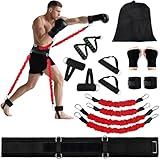
Ever wondered if your shadow boxing sessions are doing more than just honing your punches? You’re not alone! Many people ask, ‘does shadow boxing count as cardio?’ The short answer is: absolutely! Shadow boxing is a fantastic way to get your heart rate up, improve your cardiovascular health, and burn calories. But there’s a lot more to it than just throwing punches in the air.
This guide will explore everything you need to know about shadow boxing as a form of cardio. We’ll break down the science behind it, discuss how to maximize your workouts, and offer tips to keep things interesting. Whether you’re a seasoned boxer or just starting your fitness journey, you’ll learn how to make the most of this versatile exercise. Get ready to discover how shadow boxing can transform your fitness routine!
The Science Behind Shadow Boxing and Cardio
Before we delve into the specifics, let’s understand the basics. Cardio, short for cardiovascular exercise, is any activity that elevates your heart rate and keeps it elevated for a sustained period. This strengthens your heart and lungs, improves blood flow, and enhances overall endurance. Shadow boxing fits this description perfectly.
Heart Rate and Intensity
During shadow boxing, you’re constantly moving, which requires energy. Your body responds by increasing your heart rate to deliver oxygen and nutrients to your working muscles. The intensity of your workout directly impacts your heart rate. The more explosive and dynamic your movements, the higher your heart rate will be. This makes shadow boxing a great way to achieve your target heart rate zone, which is crucial for effective cardio.
Energy Systems at Play
Shadow boxing engages multiple energy systems. Initially, your body uses the ATP-PC system for short bursts of power. As the workout continues, the anaerobic glycolytic system kicks in, providing energy for higher-intensity rounds. Finally, the aerobic system takes over, utilizing oxygen to fuel your movements during longer rounds and recovery periods. This multifaceted engagement makes shadow boxing a comprehensive workout.
Calorie Burning
Calorie expenditure is a key benefit of cardio. The number of calories burned during shadow boxing depends on several factors, including your weight, intensity, and duration. However, shadow boxing is a highly effective way to burn calories. A 150-pound person can burn approximately 300-400 calories in a 45-minute shadow boxing session. The more you weigh and the more intense your workout, the more calories you’ll burn. This makes it an excellent tool for weight management and overall fitness.
How Shadow Boxing Compares to Other Cardio Exercises
Let’s compare shadow boxing to other popular cardio exercises to see where it stands.
Shadow Boxing vs. Running
Running is a classic cardio exercise known for its high calorie burn and impact on cardiovascular health. However, it can be hard on the joints, and the monotony can be a deterrent for some. Shadow boxing offers a lower-impact alternative, making it suitable for people with joint issues. It also provides a more engaging workout due to the variety of movements and the mental aspect of mimicking boxing techniques.
Benefits of Running:
- High calorie burn
- Excellent for cardiovascular health
- Easy to do anywhere
Drawbacks of Running:
- High-impact, potentially hard on joints
- Can be monotonous
Shadow Boxing Advantages over Running:
- Lower impact
- More engaging and dynamic
- Improves coordination and agility
Shadow Boxing vs. Swimming
Swimming is a fantastic full-body workout that’s gentle on the joints. It’s excellent for cardiovascular health and muscle toning. However, it requires access to a pool, which isn’t always convenient. Shadow boxing, on the other hand, can be done anywhere, anytime.
Benefits of Swimming:
- Full-body workout
- Low-impact
- Excellent for cardiovascular health
Drawbacks of Swimming:
- Requires access to a pool
- Can be less accessible
Shadow Boxing Advantages over Swimming:
- Can be done anywhere
- Requires no equipment
- Focuses on specific muscle groups
Shadow Boxing vs. Cycling
Cycling is another popular cardio exercise that’s relatively low-impact and great for building endurance. However, it primarily works the lower body. Shadow boxing provides a more balanced workout, engaging both the upper and lower body. Plus, it enhances coordination and agility, which cycling doesn’t offer. (See Also: Is Shadow Boxing Good Exercise )
Benefits of Cycling:
- Low-impact
- Good for endurance
- Can be done indoors or outdoors
Drawbacks of Cycling:
- Primarily works the lower body
- Can be weather-dependent for outdoor cycling
Shadow Boxing Advantages over Cycling:
- Full-body workout
- Improves coordination and agility
- Can be done anywhere, anytime
Comparison Table
Here’s a quick comparison of shadow boxing with other cardio exercises:
| Exercise | Impact Level | Muscle Engagement | Accessibility | Engagement Level |
|---|---|---|---|---|
| Shadow Boxing | Low to Moderate | Full Body | High (can be done anywhere) | High (dynamic and engaging) |
| Running | High | Lower Body primarily | High (can be done anywhere) | Moderate (can be monotonous) |
| Swimming | Low | Full Body | Moderate (requires pool access) | Moderate |
| Cycling | Low | Lower Body primarily | High (indoor/outdoor) | Moderate |
Maximizing Your Shadow Boxing Cardio Workout
To get the most out of your shadow boxing cardio sessions, consider these tips:
Warm-Up Properly
Warm-up is crucial before any workout. Start with 5-10 minutes of light cardio, such as jumping jacks, high knees, or jogging in place. Then, do dynamic stretches that mimic boxing movements, like arm circles, shoulder rotations, and torso twists. This prepares your muscles for the workout and reduces the risk of injury.
Focus on Technique
Good technique is paramount. Focus on proper form throughout your punches, footwork, and defensive movements. This not only enhances your workout but also prevents injuries. Watch videos, and if possible, get feedback from a boxing coach or experienced boxer. Proper form ensures you’re engaging the right muscles and maximizing the effectiveness of each punch.
Vary Your Routine
Variety is key to keeping your workouts interesting and challenging. Mix up your punches, footwork, and defensive moves. Incorporate different combinations, such as jabs, crosses, hooks, and uppercuts. Change your footwork patterns, moving forward, backward, and sideways. This keeps your body guessing and prevents plateaus.
Use Intervals
Interval training is highly effective for boosting cardiovascular fitness. Alternate between high-intensity rounds and recovery periods. For example, do 3 minutes of intense shadow boxing followed by 1 minute of active recovery (light footwork or shadow defense). Repeat this cycle for 20-30 minutes. This method significantly improves your cardiovascular endurance and calorie burn.
Incorporate Footwork
Footwork is a crucial component of shadow boxing. Practice different footwork drills, such as shuffling, pivoting, and side-to-side movements. This enhances your agility, coordination, and overall fitness level. Footwork also helps you maintain balance and control during your punches and defensive moves. Footwork drills can also increase the cardio benefits of shadow boxing.
Use a Timer
A timer is essential for structuring your workouts. Set up rounds with specific durations (e.g., 3 minutes of work, 1 minute of rest). This helps you stay focused and maintain the intensity throughout your session. A timer keeps you accountable and ensures you’re working at your peak performance.
Focus on Breathing
Proper breathing is essential during shadow boxing. Breathe deeply and rhythmically. Exhale forcefully when you punch and inhale during recovery. This ensures your muscles receive adequate oxygen and helps you maintain your energy levels. Controlled breathing also helps regulate your heart rate and improve your overall endurance.
Add Resistance
Consider adding resistance to your shadow boxing routine. Use light dumbbells (1-3 pounds) to increase the intensity of your punches. Alternatively, wear resistance bands around your wrists or ankles to challenge your muscles further. This adds an extra layer of difficulty and helps build strength and endurance.
Listen to Your Body
Pay attention to your body and take breaks when needed. If you feel pain or excessive fatigue, stop and rest. Don’t push yourself too hard, especially when starting. Gradual progression is key to preventing injuries and achieving long-term fitness goals. Proper rest and recovery are just as important as the workout itself.
Cool Down and Stretch
Cool down and stretch after your shadow boxing session. Perform static stretches, holding each stretch for 20-30 seconds. Focus on the muscles you worked during the workout, such as your shoulders, chest, back, and legs. This helps improve flexibility, reduce muscle soreness, and prevent injuries. (See Also: How To Open Your Own Boxing Gym )
Shadow Boxing Drills for Cardio Enhancement
Here are some specific shadow boxing drills you can incorporate into your routine to boost your cardio:
The Jab-Cross-Hook Drill
This drill focuses on basic combinations. Start with a jab, followed by a cross, then a hook. Repeat this sequence continuously for 3 minutes. Focus on speed, power, and maintaining a consistent rhythm. This drill improves your punching technique and elevates your heart rate.
The Speed Bag Drill
Imagine you have a speed bag in front of you. Throw rapid, short punches, alternating between your hands. Focus on speed and accuracy. This drill is great for improving hand speed and coordination while providing a cardio workout.
The Uppercut-Cross Drill
This drill works on uppercuts and crosses. Throw an uppercut with your lead hand, followed by a cross with your rear hand. Repeat continuously for 3 minutes. This drill is excellent for developing power and improving your ability to generate force from your lower body.
The Footwork and Punch Combo Drill
Combine footwork with punches. Move forward, backward, and sideways while throwing punches. For example, step forward with a jab, step back with a cross, and shuffle sideways with a hook. This drill improves your footwork, coordination, and cardiovascular fitness.
The Defensive Drill
Focus on defensive movements. Practice slipping, rolling, and blocking punches. Combine these defensive techniques with counter punches. For example, slip a jab and throw a cross. This drill enhances your agility, defensive skills, and cardio.
The Shadow Sparring Drill
Imagine you’re sparring with an opponent. Move around the “ring,” throwing punches and practicing defensive maneuvers. Vary your intensity and combinations. This drill is a great way to simulate a real boxing match and get a high-intensity cardio workout.
The Power Punch Drill
Focus on generating maximum power with each punch. Throw a series of powerful punches, such as a cross, followed by a hook, and then an uppercut. Take short recovery periods between sets. This drill is excellent for building strength and improving your punching power while providing a cardio boost.
The Endurance Round
Set a timer for 5 minutes and perform a variety of punches, footwork, and defensive moves continuously. This tests your endurance and helps you develop the stamina needed for longer rounds. Vary your intensity throughout the round to keep things challenging.
Integrating Shadow Boxing Into Your Overall Fitness Plan
Shadow boxing can be a standalone workout or integrated into a comprehensive fitness plan. Here’s how to incorporate it effectively:
As a Standalone Workout
For a complete shadow boxing workout, warm up for 5-10 minutes with light cardio and dynamic stretches. Then, do 3-5 rounds of shadow boxing, with each round lasting 3 minutes, followed by 1 minute of rest. Incorporate different drills and techniques to keep it engaging. Cool down with static stretches for 5-10 minutes. This structure provides a balanced workout that combines cardio, strength, and coordination.
As a Supplement to Other Workouts
Shadow boxing can complement other forms of exercise. Use it as a warm-up before strength training or as a high-intensity interval training (HIIT) session on your rest days. For example, do 20 minutes of shadow boxing on your off days to maintain your cardiovascular fitness. This helps you build a well-rounded fitness regimen.
With Strength Training
Combine shadow boxing with strength training exercises. Perform shadow boxing for 20-30 minutes, followed by strength training exercises, such as push-ups, squats, and lunges. This combination improves both your cardiovascular fitness and muscle strength. You can alternate between rounds of shadow boxing and strength exercises to maximize your workout efficiency.
With Other Cardio Activities
Alternate shadow boxing with other cardio activities like running, cycling, or swimming. For example, run on Monday, shadow box on Wednesday, and cycle on Friday. This variety prevents boredom and works different muscle groups. This also ensures a balanced and effective fitness routine.
Creating a Weekly Schedule
Create a weekly schedule to structure your workouts effectively. Here’s a sample plan: (See Also: Must Fight Boxing Gym )
- Monday: Strength training
- Tuesday: Shadow boxing (30 minutes)
- Wednesday: Rest or active recovery (yoga or light stretching)
- Thursday: Running (30-45 minutes)
- Friday: Shadow boxing (30 minutes)
- Saturday: Rest or active recovery
- Sunday: Long walk or hike
Adjust the schedule based on your fitness level and goals. Listen to your body and adjust the intensity and duration of your workouts accordingly.
Common Mistakes to Avoid
While shadow boxing is beneficial, certain mistakes can hinder your progress or lead to injuries. Here are some common pitfalls to avoid:
Poor Technique
Poor technique is a major mistake. It reduces the effectiveness of your workout and increases the risk of injuries. Always focus on proper form. If you’re unsure about the correct technique, seek guidance from a boxing coach or experienced boxer. They can provide feedback and help you refine your movements.
Insufficient Warm-Up
Skipping the warm-up is a common mistake. It leaves your muscles unprepared for the workout, increasing the risk of strains and sprains. Always warm up with 5-10 minutes of light cardio and dynamic stretches before you start shadow boxing. A proper warm-up prepares your body for the physical demands of the workout.
Overdoing It
Overdoing it, especially when starting, is another mistake. It can lead to overtraining, fatigue, and injuries. Start slowly and gradually increase the intensity and duration of your workouts. Listen to your body and take rest days when needed. Overtraining can hinder your progress and lead to burnout.
Neglecting Footwork
Neglecting footwork limits the effectiveness of your workout. Footwork is essential for agility, balance, and coordination. Practice different footwork drills and incorporate them into your shadow boxing routine. Good footwork enhances your overall fitness and makes your workouts more dynamic.
Ignoring Breathing
Ignoring proper breathing can significantly impact your performance. Deep, rhythmic breathing is essential for delivering oxygen to your muscles and maintaining energy levels. Focus on your breathing during your workouts. Exhale forcefully when you punch and inhale during recovery. Proper breathing improves your endurance and helps you maintain a steady pace.
Lack of Variety
Lack of variety can lead to boredom and plateaus. Vary your punches, footwork, and drills to keep your workouts engaging and challenging. Experiment with different combinations and techniques. Variety prevents your body from adapting to the same routine and maximizes your results.
Inadequate Cool-Down
Skipping the cool-down is a mistake. It prevents your muscles from recovering properly. Always cool down with static stretches after your workout. Hold each stretch for 20-30 seconds. This helps improve flexibility, reduce muscle soreness, and prevent injuries. Proper cool-down is crucial for recovery.
Shadow Boxing for All Fitness Levels
Shadow boxing is adaptable to all fitness levels. Whether you’re a beginner or an experienced athlete, you can adjust the intensity and duration to suit your needs.
Beginner Tips
Start slowly. Focus on mastering the basic punches and footwork. Keep your rounds short (e.g., 1-2 minutes) with longer rest periods. Gradually increase the duration and intensity as you get fitter. Focus on the basics and build a solid foundation.
Intermediate Tips
Incorporate interval training. Alternate between high-intensity rounds and active recovery periods. Experiment with different combinations and drills. Increase the duration and intensity of your workouts. Challenge yourself with more complex combinations and footwork patterns.
Advanced Tips
Add resistance. Use light dumbbells or resistance bands to increase the intensity. Focus on speed, power, and endurance. Challenge yourself with complex combinations and drills. Experiment with different training methods to maximize your results. Push yourself to your limits.
Final Verdict
So, does shadow boxing count as cardio? Absolutely! It’s a highly effective and versatile exercise that offers a multitude of benefits, from improving cardiovascular health and burning calories to enhancing coordination and agility. By understanding the science behind it, incorporating proper techniques, and varying your routines, you can make shadow boxing a cornerstone of your fitness plan. Whether you’re aiming to lose weight, improve your boxing skills, or simply get a great workout, shadow boxing is a fantastic choice. Embrace the power of shadow boxing and watch your fitness soar!