Ever wondered how much energy you’re really expending when you’re shadow boxing? It’s a fantastic workout, mimicking the movements of a real boxing match without the physical contact. You might be surprised at the calorie burn potential! Shadow boxing is more than just throwing punches in the air; it’s a full-body cardiovascular workout that challenges your endurance, coordination, and mental focus.
This article will break down the factors that influence calorie expenditure during a 30-minute shadow boxing session. We’ll explore the average calorie burn, how to maximize your workout, and how this exercise compares to other forms of physical activity. Get ready to understand the science behind shadow boxing and how it can contribute to your fitness goals.
Whether you’re a seasoned boxer or a fitness enthusiast looking for a new workout routine, understanding the calorie-burning potential of shadow boxing is essential for effective training.
Understanding Calorie Burn in Shadow Boxing
Calorie burn is a complex process, and it varies greatly from person to person. Several factors influence how many calories you burn during a 30-minute shadow boxing session. These include your weight, intensity, and the specific techniques you employ. Let’s delve into the details.
Factors Influencing Calorie Burn
Several variables influence how many calories you burn during shadow boxing. Recognizing these factors allows you to fine-tune your workouts for optimal results.
- Weight: Your body weight is a primary determinant of calorie expenditure. Generally, the heavier you are, the more calories you’ll burn performing any activity, including shadow boxing.
- Intensity: The intensity of your workout significantly impacts calorie burn. High-intensity shadow boxing, involving rapid punches, footwork, and combinations, will burn more calories than a slower, more relaxed session.
- Metabolic Rate: Your basal metabolic rate (BMR), the rate at which your body burns calories at rest, also plays a role. People with a higher BMR tend to burn more calories during exercise.
- Muscle Mass: Having more muscle mass boosts your metabolism, leading to a higher calorie burn during exercise and even at rest.
- Gender: Men generally have a higher muscle mass and metabolic rate than women, which can lead to a higher calorie burn for the same activity.
Estimating Calorie Burn: Average Ranges
While an exact figure is impossible to provide without individual data and specialized equipment, we can provide estimated calorie burn ranges based on average data and research. Remember these are estimates; your actual calorie burn may vary.
A 150-pound (68 kg) individual might burn approximately 250-350 calories during a 30-minute shadow boxing session. This range depends on the intensity of the workout. A more intense session will push the upper end of that range.
A 180-pound (82 kg) individual could burn around 300-400 calories in the same timeframe. The additional weight translates to a higher energy expenditure.
A 200-pound (91 kg) individual might burn between 330-450 calories. Heavier individuals will naturally burn more calories.
These figures are estimates. However, they give you a starting point for understanding how much effort shadow boxing requires and how it can fit into your overall fitness regimen. These estimations assume a moderate to high-intensity workout. Light shadow boxing will naturally result in a lower calorie burn.
Maximizing Calorie Burn During Shadow Boxing
You can significantly enhance the calorie-burning potential of your shadow boxing workouts by implementing specific strategies. Here’s how to make the most of your 30-minute session:
Technique and Form
Proper form is crucial not only for preventing injuries but also for maximizing the effectiveness of your workout. Maintaining correct technique ensures that you’re engaging the right muscles and expending the most energy possible. (See Also: Does Shadow Boxing Really Work )
- Footwork: Consistent footwork is essential. Move around the “ring” – step, shuffle, and pivot – to keep your heart rate up.
- Punching Technique: Focus on proper punching form, including the stance, guard, and punch delivery. This minimizes wasted energy and targets the correct muscle groups.
- Core Engagement: Tighten your core throughout the session. This stabilizes your body and helps you generate more power in your punches.
Workout Structure and Intensity
Structuring your workout and varying the intensity will help to keep your body challenged and your calorie burn high.
- Warm-up: Begin with a dynamic warm-up. Include exercises like jumping jacks, high knees, and arm circles to prepare your body for the workout. This also helps boost your heart rate from the start.
- Interval Training: Incorporate high-intensity interval training (HIIT) into your shadow boxing routine. Alternate periods of high-intensity work (e.g., fast combinations) with brief recovery periods (e.g., light footwork). This method is highly effective for maximizing calorie burn and improving cardiovascular fitness.
- Combination Drills: Practice various punch combinations. This keeps your muscles engaged and your mind focused. Experiment with different combinations to challenge yourself physically and mentally.
- Cool-down: End your session with a cool-down. Include static stretches to improve flexibility and reduce muscle soreness. This helps your body recover and prepares you for your next workout.
Equipment and Variations
Adding equipment and incorporating variations can further increase the calorie burn and make your workouts more engaging.
- Hand Wraps: Always use hand wraps. They protect your hands and wrists, allowing you to punch with more power and confidence.
- Gloves: Consider using boxing gloves during your shadow boxing sessions. The added weight will increase the intensity of the workout.
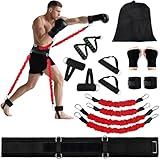
- Resistance Bands: Incorporate resistance bands to increase the resistance on your punches and footwork. This adds an extra challenge and boosts calorie burn.
- Mirror: Use a mirror to monitor your form. This helps you identify and correct any flaws in your technique.
- Shadow Boxing with Weights: Holding light dumbbells while shadow boxing can significantly increase the intensity and calorie burn. Start with light weights and gradually increase them as you get stronger.
- Footwork Drills: Add specific footwork drills, such as lateral shuffles, pivot drills, and weaving, to increase the cardiovascular demand of the workout.
- Agility Drills: Incorporate agility drills, like cone drills or ladder drills, between rounds of shadow boxing to improve agility and coordination.
Shadow Boxing vs. Other Workouts: A Comparison
How does shadow boxing stack up against other popular forms of exercise in terms of calorie burn and overall fitness benefits?
Calorie Burn Comparison
Here’s a comparison of estimated calorie burn for a 30-minute workout, based on a 150-pound (68 kg) individual. Keep in mind that these are estimates, and actual calorie burn will vary based on intensity and individual factors.
| Exercise | Estimated Calories Burned (30 minutes) |
|---|---|
| Shadow Boxing (Moderate Intensity) | 250-350 |
| Running (6 mph) | 300-350 |
| Swimming (Moderate Pace) | 200-300 |
| Cycling (Moderate Pace) | 250-300 |
| Weight Training (Moderate Intensity) | 150-250 |
As you can see, shadow boxing is competitive in terms of calorie burn, especially when compared to other moderate-intensity exercises. High-intensity shadow boxing can easily rival the calorie burn of running.
Fitness Benefits
Beyond calorie burn, shadow boxing offers a range of additional fitness benefits.
- Cardiovascular Health: Shadow boxing is excellent for improving cardiovascular health. It elevates your heart rate, strengthening your heart and improving blood circulation.
- Muscle Toning and Strength: Shadow boxing engages multiple muscle groups, including the arms, shoulders, core, and legs. This leads to improved muscle tone and strength.
- Coordination and Agility: The repetitive movements and footwork required in shadow boxing enhance coordination, agility, and reflexes.
- Mental Benefits: Shadow boxing can be a great stress reliever and a way to improve mental focus and discipline.
- Full-Body Workout: It provides a comprehensive, full-body workout, making it an efficient way to improve overall fitness.
Comparison with Other Workouts
Running is a great calorie burner, especially at higher speeds. However, shadow boxing offers the advantage of being a low-impact workout, making it suitable for people with joint issues. Shadow boxing also improves coordination and agility, which running doesn’t focus on.
Weight training is excellent for building muscle and improving strength, but it typically burns fewer calories than shadow boxing in the same timeframe. However, the increased muscle mass from weight training can boost your metabolism, leading to more calories burned at rest.
Swimming is a low-impact, full-body workout that burns a good number of calories. Shadow boxing provides a similar cardiovascular challenge while also improving coordination and agility. The choice depends on your preferences and fitness goals.
Cycling is a great cardiovascular workout, but it primarily targets the lower body. Shadow boxing provides a more balanced, full-body workout, engaging more muscle groups.
Integrating Shadow Boxing Into Your Fitness Routine
Shadow boxing can be a versatile and effective addition to your fitness routine. Here are some strategies for incorporating it into your workouts: (See Also: Are Boxing Classes Worth It )
Workout Frequency and Duration
The frequency and duration of your shadow boxing workouts depend on your fitness level and goals.
- Beginners: Start with 2-3 shadow boxing sessions per week, lasting 20-30 minutes each. This will allow your body to adapt to the new activity.
- Intermediate: Increase your frequency to 3-4 sessions per week, with sessions lasting 30-45 minutes.
- Advanced: You can shadow box 4-5 times a week, incorporating longer sessions (45-60 minutes) or combining it with other forms of exercise.
Sample Workout Plan
Here’s a sample shadow boxing workout plan to get you started:
- Warm-up (5 minutes): Jumping jacks, high knees, arm circles.
- Shadow Boxing Rounds (20 minutes): Alternate between 3-minute rounds of shadow boxing (focusing on different combinations) and 1-minute rest periods.
- Round 1: Jab, cross, hook, uppercut
- Round 2: Jab, cross, hook, cross
- Round 3: Jab, slip, cross, hook
- Round 4: Combination of your choice
Progression and Variation
To keep things challenging and prevent plateaus, progressively increase the intensity and duration of your workouts.
- Increase Intensity: Gradually increase the speed and power of your punches and footwork.
- Add Weight: Incorporate light dumbbells or resistance bands.
- Extend Duration: Increase the length of your shadow boxing rounds or the total workout time.
- Vary Combinations: Constantly introduce new punch combinations to keep your body and mind engaged.
- Incorporate HIIT: Add HIIT intervals to boost calorie burn.
- Record Your Workouts: Keep a workout journal to track your progress. This helps you monitor your improvements and stay motivated.
Safety Considerations
Always prioritize safety when shadow boxing.
- Listen to Your Body: Take breaks when needed and don’t push yourself too hard, especially when starting.
- Proper Form: Maintain correct form to prevent injuries. If needed, consider working with a boxing coach.
- Warm-up and Cool-down: Always warm up before your workout and cool down afterward.
- Hydration: Stay hydrated by drinking water before, during, and after your workout.
- Appropriate Footwear: Wear supportive athletic shoes to provide stability and reduce the risk of injury.
- Consult a Professional: If you have any underlying health conditions, consult your doctor before starting a new exercise routine.
The Science Behind the Burn
Understanding the science behind calorie burn can help you appreciate the effectiveness of shadow boxing and how it contributes to your fitness goals.
Energy Systems
Your body uses different energy systems to fuel your shadow boxing workouts. These systems work together to provide the energy needed for your movements.
- ATP-PC System (Phosphagen System): This system provides energy for short bursts of high-intensity activity, like explosive punches. It is the primary energy source for the first few seconds of a round.
- Glycolytic System: This system provides energy for moderate to high-intensity activities lasting up to a few minutes. It is fueled by glycogen stored in your muscles.
- Aerobic System: This system uses oxygen to produce energy. It is the primary energy source for longer durations and lower-intensity activities. Shadow boxing primarily relies on the aerobic system, especially during continuous footwork and moderate-paced combinations.
Metabolic Rate and Epoc
Shadow boxing can influence your metabolic rate in several ways.
- Increased Metabolic Rate: During exercise, your metabolic rate increases to meet the energy demands of your muscles. High-intensity shadow boxing can significantly elevate your metabolic rate.
- EPOC (Excess Post-exercise Oxygen Consumption): Also known as the “afterburn effect,” EPOC refers to the increased oxygen consumption your body experiences after exercise to recover and repair itself. High-intensity workouts, like interval shadow boxing, can result in a more prolonged EPOC, leading to increased calorie burn even after you’ve finished exercising.
- Muscle Building: Shadow boxing can help build muscle, which further boosts your metabolic rate. Muscle tissue is metabolically active, meaning it burns more calories at rest than fat tissue.
Hormonal Response
Shadow boxing affects the release of hormones that influence calorie burn and overall fitness.
- Adrenaline and Noradrenaline: These hormones are released during exercise, increasing your heart rate and boosting your metabolism.
- Growth Hormone: Exercise, especially high-intensity workouts, can stimulate the release of growth hormone, which helps build muscle and burn fat.
- Endorphins: Exercise releases endorphins, which can improve your mood and reduce stress.
Troubleshooting Common Issues
Sometimes, you might encounter challenges while shadow boxing. Here are some common issues and how to address them.
Lack of Motivation
It’s common to lose motivation, especially when you’re starting a new workout routine. Here are some tips to stay motivated:
- Set Realistic Goals: Break down your fitness goals into smaller, achievable milestones. This helps you stay focused and motivated.
- Find a Workout Partner: Working out with a friend can make the experience more enjoyable and help you stay accountable.
- Listen to Music: Create a playlist of upbeat music to energize your workouts.
- Track Your Progress: Keep a workout journal or use fitness tracking apps to monitor your progress. Seeing your improvements can be a great motivator.
- Vary Your Workouts: Keep things interesting by mixing up your workouts. Try different combinations, equipment, and training styles.
Form Issues
Maintaining proper form is essential for both effectiveness and injury prevention. Here’s how to address form issues: (See Also: Does Boxing Classes Help With Weight Loss )
- Watch Tutorials: Watch videos and tutorials from experienced boxers to learn proper techniques.
- Use a Mirror: Practice in front of a mirror to monitor your form and make corrections.
- Seek Professional Guidance: Consider taking a few lessons from a boxing coach to get personalized feedback and guidance.
- Record Yourself: Record your workouts and review them to identify areas for improvement.
- Focus on the Fundamentals: Always prioritize proper technique over speed or power, especially when starting.
Plateaus
Plateaus can occur when your body adapts to your workouts, and your progress slows down. Here’s how to break through plateaus:
- Increase Intensity: Gradually increase the speed, power, or duration of your workouts.
- Add Resistance: Incorporate light dumbbells or resistance bands.
- Vary Your Routine: Change your workout routine to challenge your body in new ways. Try different combinations, add new exercises, or change the workout structure.
- Get Enough Rest: Ensure you get adequate rest and recovery to allow your body to adapt and rebuild.
- Review Your Nutrition: Make sure you’re eating a balanced diet to support your workouts.
The Mental Benefits of Shadow Boxing
Shadow boxing is not just a physical workout; it also provides significant mental benefits. It is a great exercise for the body and the mind.
Stress Relief
Shadow boxing can be a fantastic way to relieve stress. The repetitive movements and physical exertion can help release endorphins, which have mood-boosting effects. It can be a healthy outlet for pent-up energy and frustration.
- Release Endorphins: The physical activity stimulates the release of endorphins, which have mood-boosting and pain-relieving effects.
- Reduce Cortisol Levels: Exercise can help lower cortisol levels, the primary stress hormone.
- Provide a Focus: Shadow boxing requires focus and concentration, which can help take your mind off stressful thoughts.
Improved Focus and Concentration
Shadow boxing requires you to focus on your movements, combinations, and footwork. This can improve your focus and concentration.
- Develop Mental Discipline: The repetitive movements and structured routines can help develop mental discipline.
- Enhance Cognitive Function: Exercise has been shown to improve cognitive function, including memory and attention.
- Improve Coordination: The coordination required in shadow boxing can improve your overall cognitive abilities.
Increased Confidence
As you improve your skills and fitness through shadow boxing, you’ll likely experience an increase in confidence. Achieving your fitness goals can boost your self-esteem.
- Build Self-Esteem: Seeing your progress and achieving your fitness goals can boost your self-esteem.
- Develop a Sense of Accomplishment: Completing workouts and mastering new techniques can give you a sense of accomplishment.
- Feel Empowered: The physical strength and mental discipline gained through shadow boxing can make you feel more empowered and confident.
Nutritional Considerations for Shadow Boxing
Proper nutrition is essential to fuel your shadow boxing workouts and support your fitness goals. Here’s what you need to know.
Macronutrients
Macronutrients are the essential building blocks of your diet. They provide energy and support bodily functions.
- Protein: Protein is crucial for muscle repair and growth. Aim for a protein intake of 0.8 to 1 gram per pound of body weight.
- Carbohydrates: Carbohydrates are your primary energy source. Choose complex carbohydrates like whole grains, fruits, and vegetables.
- Fats: Healthy fats are essential for hormone production and overall health. Include sources like avocados, nuts, and olive oil.
Timing Your Meals
The timing of your meals can impact your energy levels and recovery.
- Pre-Workout: Eat a meal or snack containing carbohydrates and a moderate amount of protein 1-2 hours before your workout.
- Post-Workout: Consume a meal or snack containing protein and carbohydrates within 1-2 hours after your workout to support muscle recovery.
Hydration and Supplements
Staying hydrated and using supplements can further support your performance and recovery.
- Hydration: Drink plenty of water throughout the day, especially before, during, and after your workouts.
- Supplements: Consider supplements such as creatine, protein powder, and BCAAs to support your workouts. Always consult a healthcare professional before taking any supplements.
Verdict
Shadow boxing is an incredibly effective and versatile workout, offering numerous physical and mental benefits. When you’re considering ‘how many calories burned 30 min shadow boxing’, remember that the exact number varies based on individual factors like weight and intensity, but it’s a significant calorie burner. By understanding the factors that influence calorie expenditure, implementing strategies to maximize your workout, and integrating shadow boxing into a balanced fitness routine, you can achieve your fitness goals. Embrace the challenge, enjoy the process, and experience the transformative power of shadow boxing!
Shadow boxing is a dynamic and effective exercise for both physical fitness and mental well-being. It offers a great way to burn calories, improve cardiovascular health, and build muscle. By focusing on proper technique, varying your workouts, and incorporating it into a balanced routine, you can experience the full benefits of this engaging exercise. Remember to listen to your body, stay consistent, and enjoy the journey!