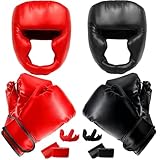
So, your little champ is eager to step into the ring? That’s fantastic! Boxing is a fantastic sport for kids, teaching discipline, coordination, and building confidence. However, before they start throwing punches, it’s crucial to prioritize safety. One of the most fundamental aspects of protecting your child’s hands is choosing the right hand wraps. And just like finding the perfect pair of boxing gloves, getting the sizing right for hand wraps is essential.
Incorrectly sized hand wraps can lead to inadequate protection, potentially causing injuries like sprains or fractures. On the other hand, wraps that are too bulky can make it difficult for your child to close their fists properly, hindering their technique and comfort. This guide is designed to walk you through the process of how to size kids hand wrap for boxing, ensuring a safe and enjoyable experience for your young boxer.
We’ll cover everything from measuring their hands to selecting the right wrap length and material. Let’s get started and make sure your child is ready to box safely and confidently!
Why Hand Wraps Are Crucial for Young Boxers
Before we jump into sizing, let’s briefly discuss why hand wraps are so important, especially for kids. Their hands and wrists are still developing, making them more susceptible to injury. Hand wraps provide a vital layer of protection, acting as a crucial barrier between the delicate bones and the impact of punches.
Here’s a breakdown of the key benefits:
- Protection: Hand wraps compress the bones and joints of the hand, providing a supportive structure. This helps to absorb impact and minimize the risk of fractures, sprains, and other injuries.
- Wrist Support: They stabilize the wrist, preventing excessive bending or hyperextension during punches. This is particularly important for kids whose wrists may not be fully developed.
- Knuckle Protection: Hand wraps add padding over the knuckles, cushioning them against repeated impact. This helps to prevent bruising and cuts.
- Glove Fit: They help fill the space inside boxing gloves, ensuring a snug and secure fit. This prevents the gloves from moving around during training or sparring.
- Hygiene: Hand wraps absorb sweat, keeping the inside of the gloves cleaner and extending their lifespan. They also help prevent the growth of bacteria, reducing the risk of skin infections.
Without proper hand wrapping, the risk of injury significantly increases. That’s why correctly sizing and using hand wraps is a non-negotiable part of a young boxer’s training regimen.
Understanding the Anatomy of a Kid’s Hand
To understand how to size kids hand wrap for boxing effectively, it’s helpful to have a basic understanding of the anatomy of their hands. Kids’ hands are different from adults in several key ways:
- Smaller Bones: Their bones are smaller and less dense, making them more vulnerable to impact.
- Developing Joints: The joints, particularly in the wrist and knuckles, are still developing and less stable than in adults.
- Softer Tissues: The ligaments and tendons are more pliable, meaning they can be stretched or strained more easily.
These differences highlight the importance of proper protection. Hand wraps provide a critical layer of support and compression, compensating for the developmental differences and minimizing the risk of injury.
Key Areas to Consider:
- Knuckles: The metacarpals (hand bones) are at risk of injury with repeated impact. Hand wraps provide padding in this area.
- Wrist: The wrist joint is vulnerable to sprains and strains. Wraps offer crucial support here.
- Fingers: Proper wrapping technique ensures the fingers are supported and protected.
By understanding the anatomy of a child’s hand, you can better appreciate the role of hand wraps in safeguarding their well-being. (See Also: Are Muay Thai Gloves The Same As Boxing Gloves )
Measuring Your Child’s Hand for Hand Wraps
Now, let’s get down to the practical side of how to size kids hand wrap for boxing. Accurate measurement is the foundation of a good fit. Here’s a step-by-step guide to measuring your child’s hand:
- Gather Your Materials: You’ll need a flexible measuring tape or a piece of string and a ruler.
- Measure the Length: Ask your child to extend their hand, fingers straight. Measure from the base of their palm (where it meets the wrist) to the tip of their longest finger. Record this measurement in inches or centimeters.
- Measure the Wrist Circumference: Wrap the measuring tape around their wrist, ensuring it’s snug but not too tight. Note the circumference.
- Measure the Knuckle Circumference: Make a fist and measure around the knuckles. This is crucial for ensuring the wraps provide adequate padding.
- Consider Glove Size (Optional): If you already have boxing gloves, knowing the glove size can help you choose the right wrap length, as manufacturers often recommend specific wrap lengths based on glove size.
Important Considerations During Measurement:
- Accuracy: Be as precise as possible. A slight difference in measurement can affect the fit.
- Comfort: Don’t wrap the measuring tape too tightly. The wraps need to be comfortable enough for training.
- Consistency: Measure both hands, as there might be slight variations in size.
By following these steps, you’ll have the necessary measurements to choose the correct hand wrap size for your child.
Choosing the Right Hand Wrap Length for Kids
Hand wraps come in various lengths. The most common lengths for adults are 120 inches, 180 inches, and 200 inches. However, for children, the recommended lengths are typically shorter. This is because kids have smaller hands, and too much wrap can be bulky and make it difficult to close their fists properly. So, how to size kids hand wrap for boxing in terms of length?
Here’s a general guideline for choosing hand wrap length for kids:
- 80-inch Wraps: These are generally suitable for very young children, typically those aged 4-7 years old, or those with very small hands.
- 108-inch Wraps: This is a common and versatile length, often recommended for children aged 8-12. It provides enough wrap for adequate protection without being overly bulky.
- 120-inch Wraps: These wraps can be used for older kids and teenagers, particularly those with larger hands or who prefer more padding. However, it’s essential to ensure the wraps aren’t too bulky.
Factors Influencing Wrap Length Choice:
- Hand Size: The primary factor is the size of the child’s hand. Measure their hand length and knuckle circumference to determine the appropriate length.
- Glove Size: Manufacturers often provide recommendations on wrap length based on glove size. Check the glove packaging or the manufacturer’s website for guidance.
- Wrapping Style: Different wrapping techniques may require slightly different lengths. Some techniques use more wrap around the knuckles, while others focus on wrist support.
- Personal Preference: Some children may prefer a bit more or less padding. It’s a good idea to experiment with different lengths to find what works best.
Recommendation: Start with 108-inch wraps for most children. This length offers a good balance of protection and comfort. If the wraps feel too bulky, consider trying 80-inch wraps. For older kids with larger hands, 120-inch wraps might be suitable.
Choosing the Right Hand Wrap Material
The material of the hand wraps significantly impacts their performance and comfort. There are several options available, each with its advantages and disadvantages. Knowing the different materials is key to answering how to size kids hand wrap for boxing.
Here’s a breakdown of the most common hand wrap materials: (See Also: Can You Wrestle In Boxing Shoes )
- Cotton: This is a popular and affordable option. Cotton wraps are breathable, comfortable, and easy to wash. However, they may stretch and wear out more quickly than other materials. They offer good support but less impact protection.
- Semi-Elastic: These wraps blend cotton with a small percentage of elastic. They provide a better fit and more support than cotton wraps, conforming to the hand’s shape. They offer a balance of comfort and durability.
- Full Elastic: These wraps are made entirely of elastic material. They offer excellent support and a snug fit, contouring closely to the hand. However, they can sometimes be less breathable and may feel slightly restrictive for some children.
- Mexican Style: These wraps are a blend of cotton and a small amount of elastic, often with a slightly different weave. They are known for their stretch and ability to conform to the hand, offering excellent support. They tend to be more durable than standard cotton wraps.
Material Comparison Table:
| Material | Pros | Cons |
|---|---|---|
| Cotton | Breathable, affordable, easy to wash | Stretches easily, less durable |
| Semi-Elastic | Good fit, better support, more durable than cotton | Can be less breathable than cotton |
| Full Elastic | Excellent support, snug fit | Can be less breathable, potentially restrictive |
| Mexican Style | Excellent stretch, durable, good support | Can be more expensive |
Recommendation: For children, semi-elastic or Mexican-style wraps are often the best choices. They provide a good balance of support, comfort, and durability. Cotton wraps are also a viable option, especially for beginners or those with sensitive skin. Avoid full elastic wraps if your child finds them too restrictive.
Essential Features to Look for in Kids’ Hand Wraps
When selecting hand wraps for your child, consider these essential features to ensure they offer optimal protection and comfort.
- Hook-and-Loop Closure: This is the Velcro closure on the end of the wrap. It should be strong and secure to prevent the wraps from coming undone during training or sparring.
- Thumb Loop: A loop at the end of the wrap that goes around the thumb. It helps to keep the wrap in place during the initial wrapping process.
- Quality Stitching: The stitching should be strong and durable to withstand repeated use and washing.
- Breathability: Choose wraps made from breathable materials, such as cotton or semi-elastic blends, to minimize sweat buildup and keep your child’s hands cool and comfortable.
- Washability: Hand wraps need to be washed regularly. Ensure the material is machine washable and can withstand frequent washing without shrinking or losing its shape.
Additional Considerations:
- Color and Design: While not directly related to protection, choosing wraps in a color or design your child likes can make them more enthusiastic about wearing them.
- Brand Reputation: Research reputable boxing equipment brands known for quality and durability.
- Reviews: Read online reviews from other parents to get insights into the wraps’ performance and durability.
By considering these features, you can select hand wraps that are both protective and enjoyable for your child to use.
Step-by-Step Guide to Wrapping a Kid’s Hand
Knowing how to wrap a kid’s hand correctly is just as important as choosing the right size and material. Proper wrapping technique ensures that the hand and wrist are adequately protected and supported. Here’s a detailed, step-by-step guide:
- Prepare the Wrap: Make sure the hook-and-loop closure (Velcro) is facing up and the thumb loop is ready.
- Insert Thumb: Place the thumb loop over your child’s thumb, ensuring the wrap is on the inside of the hand.
- Wrap the Wrist: Start by wrapping the wrist 2-3 times. This provides essential support and stability. Overlap each wrap slightly.
- Wrap the Hand: From the wrist, wrap the hand across the back of the hand, between the knuckles, and back down to the wrist. Repeat this 2-3 times, providing padding and support for the knuckles.
- Wrap the Knuckles: Make sure the knuckles are well-protected. Wrap the hand across the knuckles and back to the wrist. Do this 2-3 times, adjusting the tension to ensure a snug fit without restricting movement.
- Wrap the Thumb: Wrap around the thumb for added support.
- Secure the Wrist: Wrap the remaining material around the wrist, securing it with the hook-and-loop closure. Ensure the wrap is tight enough to provide support but not so tight that it restricts blood flow or movement.
- Check the Fit: Have your child make a fist and check the fit. The wrap should be snug but not constricting, and the knuckles should be well-protected.
Tips for Proper Wrapping Technique:
- Tension: Maintain consistent tension throughout the wrapping process. Not too loose, not too tight.
- Overlap: Overlapping each wrap slightly ensures maximum protection and support.
- Knuckle Padding: Pay extra attention to the knuckle area, ensuring adequate padding.
- Wrist Support: The wrist should be firmly supported.
- Practice: Wrapping takes practice. Don’t get discouraged if it takes a few tries to get it right.
Video Tutorials: Consider watching video tutorials online for a visual demonstration of the wrapping technique. This can be very helpful, especially for beginners.
Common Mistakes to Avoid
Several common mistakes can compromise the effectiveness of hand wraps. Being aware of these pitfalls can help you ensure your child’s hands are well-protected. (See Also: Is Everlast Good Boxing Gloves )
- Wrapping Too Tightly: This can restrict blood flow and movement, leading to discomfort and potentially injury.
- Wrapping Too Loosely: Loose wraps won’t provide adequate support or protection.
- Neglecting Knuckle Padding: Insufficient padding over the knuckles increases the risk of injury.
- Incorrect Wrist Support: Failing to provide adequate wrist support can lead to sprains and strains.
- Using Incorrect Length: Using wraps that are too long or too short can compromise the fit and effectiveness.
- Improper Thumb Loop Placement: If the thumb loop isn’t positioned correctly, the wrap can shift during training.
- Not Washing Wraps Regularly: This can lead to hygiene issues and skin infections.
How to Fix These Mistakes:
- Adjust Tension: If the wraps are too tight or loose, adjust the tension accordingly.
- Add Padding: Ensure the knuckles are well-padded by adding extra wraps or adjusting the wrapping pattern.
- Improve Wrist Support: Focus on providing adequate support to the wrist during the wrapping process.
- Choose the Right Length: Use the recommended wrap length based on hand size and glove size.
- Practice: Practice wrapping until you achieve a consistent and effective technique.
- Wash Regularly: Wash wraps after each use or at least once a week.
By avoiding these common mistakes and using the correct wrapping technique, you can significantly enhance the protection for your child’s hands.
Caring for and Maintaining Hand Wraps
Proper care and maintenance will extend the life of your child’s hand wraps and ensure they remain effective and hygienic.
Here’s how to care for hand wraps:
- Wash After Each Use: Hand wraps absorb sweat and can harbor bacteria. Wash them after every training session or sparring match.
- Machine Wash: Most hand wraps are machine washable. Use cold water and a mild detergent. Avoid bleach, as it can damage the material.
- Air Dry: Do not put hand wraps in the dryer, as the heat can cause them to shrink or lose their shape. Hang them to air dry.
- Use a Laundry Bag: Consider using a mesh laundry bag to protect the wraps during washing and prevent them from tangling.
- Replace Regularly: Hand wraps wear out over time. Inspect them regularly for signs of wear and tear, such as fraying or thinning. Replace them when necessary.
Tips for Extending the Life of Hand Wraps:
- Use Glove Deodorizers: To minimize odor, insert glove deodorizers or baking soda packets into the gloves after each use.
- Rotate Wraps: If your child trains frequently, consider having multiple pairs of wraps so you can rotate them and allow them to dry completely between uses.
- Store Properly: Store hand wraps in a well-ventilated area to prevent the growth of mold and mildew.
By following these care and maintenance tips, you can ensure your child’s hand wraps remain in good condition and continue to provide optimal protection.
Where to Buy Kids’ Hand Wraps
Hand wraps are readily available from various sources, both online and in physical stores. Knowing where to buy them is another part of how to size kids hand wrap for boxing.
Here are some options:
- Specialty Boxing Stores: These stores typically offer a wide selection of hand wraps, gloves, and other boxing equipment. They often have knowledgeable staff who can provide expert advice.
- Sporting Goods Stores: Large sporting goods stores often carry a range of boxing equipment, including hand wraps.
- Online Retailers: Amazon, eBay, and other online retailers offer a vast selection of hand wraps from various brands. This is often the most convenient way to shop, and you can compare prices and read reviews.
- Brand Websites: Many boxing equipment brands sell their products directly through their websites. This can be a good way to find the latest products and special offers.
Tips for Buying Hand Wraps:
- Read Reviews: Before making a purchase, read reviews from other customers to get an idea of the quality and performance of the wraps.
- Compare Prices: Compare prices from different retailers to find the best deal.
- Check the Return Policy: Make sure the retailer has a reasonable return policy in case the wraps don’t fit or meet your expectations.
- Consider Bundles: Some retailers offer hand wraps in bundles with boxing gloves or other equipment, which can be a cost-effective option.
By exploring these options and following these tips, you can find the perfect hand wraps for your child.
Final Verdict
Choosing the right hand wraps is a fundamental step in ensuring your child’s safety and enjoyment in boxing. By understanding the importance of hand wraps, properly measuring your child’s hands, and selecting the appropriate length and material, you’ll be well-equipped to provide the best possible protection. Remember to practice the wrapping technique and always prioritize the well-being of your young boxer. With the right hand wraps and proper training, your child can confidently step into the ring and pursue their passion for the sport. Good luck, and enjoy the journey!