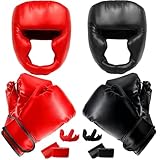
So, you’re ready to step into the ring, or maybe just hit the heavy bag at the gym? That’s awesome! But before you start throwing punches, you need the right gear, and that starts with your boxing gloves. Choosing the right pair can feel a little overwhelming, with so many options available. Don’t worry, though; I’m here to walk you through it.
Picking the perfect gloves isn’t just about looking cool (though, let’s be honest, that’s a bonus!). It’s about protecting your hands, ensuring your training is effective, and preventing injuries. This guide will cover everything from the different types of gloves to the factors you should consider when making your choice. We’ll break down the jargon and give you the knowledge you need to make an informed decision. Let’s get started!
Understanding Boxing Glove Types
Boxing gloves aren’t a one-size-fits-all deal. They’re designed for different purposes, and understanding the variations is the first step to finding the right pair. Here’s a breakdown of the most common types:
Training Gloves
These are the workhorses of the boxing world. Training gloves are built for the daily grind, the countless rounds on the heavy bag, and sparring sessions. They’re designed with more padding to protect your hands and your sparring partner’s face. The weight of training gloves typically ranges from 12oz to 16oz, with heavier gloves offering more protection and lighter gloves allowing for faster hand speed.
- Purpose: Primarily for bag work and sparring.
- Padding: Generally thicker than other types, often made of layered foam.
- Weight: 12oz to 16oz is common, depending on your weight and training needs.
- Closure: Can be lace-up or velcro. Velcro is popular for ease of use.
Sparring Gloves
Sparring gloves are a subset of training gloves, specifically designed for sparring. They emphasize protection for both you and your partner. They usually have more padding in the knuckles and wrist area. It’s crucial to use appropriate sparring gloves to minimize the risk of injury during practice.
- Purpose: Specifically for sparring with a partner.
- Padding: Extra padding in the knuckle and wrist area for safety.
- Weight: Usually 14oz or 16oz, but this depends on your weight class.
- Features: Often have a more ergonomic design for comfortable sparring.
Bag Gloves
Bag gloves are designed for focused bag work. They typically have less padding than training gloves, which allows for a more direct feel and helps you develop power and technique. However, the reduced padding means they’re not ideal for sparring, as they offer less protection.
- Purpose: Focused bag work and mitt work.
- Padding: Less padding than training gloves, which provides a more direct feel.
- Weight: Usually lighter, often 8oz to 12oz.
- Features: Can have a tighter fit for a more compact feel.
Competition Gloves
These gloves are used in actual boxing matches. They are strictly regulated by boxing commissions, with specific requirements for weight, padding, and materials. Competition gloves are designed to meet the standards of professional boxing, prioritizing both protection and performance.
- Purpose: Used in sanctioned boxing matches.
- Padding: Specific padding requirements set by boxing commissions.
- Weight: Determined by weight class.
- Features: Often have a more streamlined design for competitive advantage.
Hybrid Gloves
These gloves attempt to bridge the gap between bag work and sparring. They may have a moderate amount of padding and be suitable for both activities. However, they are generally not ideal for either purpose, since they are a compromise.
- Purpose: Versatile use, suitable for bag work and light sparring.
- Padding: Moderate padding.
- Weight: Varies.
- Features: Can be a good option for beginners.
Choosing the Right Weight
The weight of your boxing gloves is a crucial factor, and it’s measured in ounces (oz). The weight affects the protection, speed, and training intensity. Here’s a guide to help you choose the right weight:
| Weight (oz) | Typical Use | Considerations |
|---|---|---|
| 8oz | Competition, advanced bag work | Provides less padding; used for speed and precision. |
| 10oz | Competition, advanced bag work | Similar to 8oz, but with slightly more padding. |
| 12oz | Training, sparring (lighter fighters) | Good balance of protection and speed; suitable for most. |
| 14oz | Sparring, training (heavier fighters) | Offers more protection, commonly used for sparring. |
| 16oz | Sparring, heavy bag work | Maximum protection; ideal for heavy bag work and sparring. |
Important Note: Always check with your gym or coach for recommended glove weights, as they will have specific requirements for sparring and training. (See Also: Are Muay Thai Gloves The Same As Boxing Gloves )
Understanding Glove Materials
The material of your boxing gloves impacts durability, comfort, and performance. Here are the most common materials:
Leather
Pros: Durable, long-lasting, and generally offers a superior feel. Leather gloves tend to mold to your hands over time, providing a custom fit. They are a premium option, known for their ability to withstand heavy use.
Cons: More expensive than synthetic options. Requires more care and maintenance (cleaning, conditioning) to prevent cracking.
Synthetic Leather (pu/pvc)
Pros: More affordable. Requires less maintenance. A good option for beginners or those on a budget.
Cons: Not as durable as real leather. Can crack or wear out more quickly, especially with heavy use. Might not offer the same feel or performance.
Microfiber
Pros: Very durable and often more water-resistant than leather. It is a good choice if you sweat a lot. It is also often a more sustainable option.
Cons: Can be more expensive than synthetic leather. Might not have the same feel as leather.
Sizing Your Boxing Gloves
Getting the right size is crucial for both protection and performance. Here’s how to determine your glove size:
- Measure Your Hand: Wrap a measuring tape around your knuckles, excluding your thumb. Make sure your hand is flat.
- Consult a Sizing Chart: Boxing glove manufacturers often provide sizing charts based on hand circumference.
- Consider Hand Wraps: Always wear hand wraps when trying on gloves, as they will add to the overall size.
- Try Them On: The gloves should fit snugly but not restrict your movement. Your fingers should not touch the end of the glove.
Tip: If you’re between sizes, it’s often better to go with the larger size, especially if you plan to use thicker hand wraps. (See Also: Can You Wrestle In Boxing Shoes )
Padding and Construction
The padding and construction of a boxing glove are critical for impact absorption and hand protection. Here’s what to look for:
- Padding Type: Most gloves use layered foam padding, which can be made of different materials, such as horsehair, latex, or various types of foam. Some gloves use a combination of materials for optimal protection.
- Padding Distribution: The padding should be evenly distributed across the knuckles and the back of the hand.
- Wrist Support: Look for gloves with good wrist support, especially if you’re prone to wrist injuries. Lace-up gloves generally offer better wrist support than Velcro gloves.
- Thumb Protection: Ensure the thumb is properly attached to the glove to prevent hyperextension injuries.
Closure Systems
Boxing gloves come with two main closure systems:
Lace-Up Gloves
Pros: Offer a more secure and customized fit, and typically provide better wrist support. They are the preferred choice for professional boxing and often have a more ergonomic design for a more comfortable fit.
Cons: Require assistance to put on and take off. This can be a hassle if you train alone.
Velcro Gloves
Pros: Easier to put on and take off, making them convenient for solo training. They are typically more affordable.
Cons: May not offer as much wrist support as lace-up gloves. Can sometimes loosen during training.
Hand Wraps: The Unsung Hero
Hand wraps are essential for protecting your hands and wrists. They absorb sweat, provide additional padding, and help stabilize your wrists. Always wear hand wraps under your boxing gloves.
- Material: Choose wraps made of cotton or a cotton blend.
- Length: Wraps typically range from 120 inches to 180 inches. Longer wraps offer more protection.
- Wrapping Technique: Learn the proper wrapping technique to maximize protection and support.
Budget Considerations
Boxing gloves range in price, so setting a budget is important. Here’s a general guideline:
- Entry-Level Gloves: $30-$70. Good for beginners, often made of synthetic leather.
- Mid-Range Gloves: $70-$150. Offer better quality, potentially leather construction, and more features.
- High-End Gloves: $150+. Premium materials, superior craftsmanship, and designed for professional use.
Tip: Don’t break the bank when you’re starting. Focus on finding a glove that fits well and offers adequate protection. (See Also: Is Everlast Good Boxing Gloves )
Brands and Recommendations
Many reputable brands produce quality boxing gloves. Here are a few popular options:
- Everlast: A well-known brand with a wide range of gloves for all skill levels.
- Title Boxing: Known for high-quality gloves and equipment.
- Venum: Popular for its stylish designs and durable construction.
- Rival Boxing: Offers premium gloves with innovative designs.
- Cleto Reyes: A favorite among professional boxers, known for their high-quality leather gloves.
Care and Maintenance
Proper care will extend the life of your boxing gloves and keep them in good condition:
- Air Them Out: After each use, let your gloves air dry completely. Don’t leave them in your gym bag.
- Clean Them: Wipe down the outside of your gloves with a damp cloth after each use.
- Use Glove Deodorizers: To prevent odors, use glove deodorizers or inserts.
- Condition Leather Gloves: If you have leather gloves, apply leather conditioner regularly to prevent them from drying out and cracking.
- Store Properly: Store your gloves in a cool, dry place.
Where to Buy Your Gloves
You can purchase boxing gloves from several places:
- Specialty Boxing Stores: These stores offer a wide selection and expert advice.
- Sporting Goods Stores: Many general sporting goods stores carry boxing gloves.
- Online Retailers: Websites like Amazon, eBay, and brand-specific sites offer a vast selection.
- Gyms/Training Facilities: Some gyms sell gloves to their members.
Tip: If possible, try on the gloves before you buy them to ensure a proper fit.
Avoiding Common Mistakes
Here are some common mistakes to avoid when choosing boxing gloves:
- Buying the Wrong Size: Ensure the gloves fit snugly, with enough room for hand wraps.
- Ignoring Hand Wraps: Always wear hand wraps to protect your hands and wrists.
- Choosing Gloves Based on Looks Alone: Prioritize fit, protection, and your training needs.
- Neglecting Glove Care: Proper care will extend the life of your gloves.
- Not Consulting Your Coach: Ask your coach for recommendations and advice.
Final Thoughts
Choosing the right boxing gloves is a crucial step in your boxing journey. Consider your training needs, the glove type, weight, and material, and always prioritize proper fit and protection. With this guide, you should be well-equipped to make an informed decision and find the perfect pair of gloves to help you achieve your boxing goals!
Picking the right boxing gloves is an important decision. Think about what you’ll be using them for, your weight class, and your budget. Remember that the correct size and fit are essential for both safety and effectiveness. Don’t underestimate the importance of hand wraps, either; they’re your first line of defense.
Take your time, do your research, and don’t be afraid to ask for help from experienced boxers or coaches. Your gloves are an investment in your training and a key part of staying safe while you pursue your passion. With the right pair, you’ll be ready to hit the bag, spar, and work towards your boxing goals.