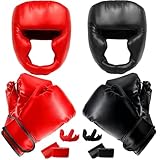
So, you’re ready to get your gloves on and experience the thrill of boxing? That’s fantastic! But before you step into the ring, or even start hitting a heavy bag, you need the right gear. And the most crucial piece of equipment? Your boxing gloves. Getting the correct size isn’t just about comfort; it’s about safety and performance. Too small, and your hands will be cramped and vulnerable. Too large, and you risk poor form and potential injury.
This guide will walk you through everything you need to know about how to measure boxing is life boxing gloves size, ensuring you find the perfect fit. We’ll cover hand measurements, weight considerations, and the different types of gloves available. Consider this your comprehensive resource for choosing the right boxing gloves, so you can train with confidence and protect your most valuable assets: your hands.
Let’s get started on your journey to becoming a well-equipped boxer!
Understanding Boxing Glove Sizes
Boxing glove sizes are typically measured in ounces (oz), representing the weight of the glove. The weight of the glove significantly impacts its purpose and the level of protection it offers. The heavier the glove, the more padding it generally has, providing greater impact absorption. This is particularly important for sparring or heavy bag work. Lighter gloves, on the other hand, are often used in competition and can allow for faster hand speed and more precise movements.
Why Glove Size Matters
Choosing the right glove size is a crucial aspect of boxing. Here’s why:
- Safety: Proper-sized gloves protect your hands and wrists from injury. Too small, and your hands will be compressed, leading to potential fractures or sprains. Too large, and the gloves can shift during impact, increasing the risk of injury.
- Performance: The right fit allows for proper form and technique. If the gloves are too bulky or cumbersome, it will hinder your speed, agility, and overall performance.
- Comfort: Well-fitting gloves ensure a comfortable training experience. Uncomfortable gloves can distract you and affect your focus and enjoyment of the sport.
- Training Type: Different sizes are designed for different training activities. For example, sparring requires heavier gloves for protection, while bag work might use lighter gloves for speed.
The Standard Sizing System
Boxing gloves use a weight-based sizing system. The most common sizes are:
- 8 oz: Typically used for competition, and sometimes for lighter individuals on the heavy bag.
- 10 oz: Also used for competition, and suitable for lighter weight classes.
- 12 oz: A popular size for general training, including heavy bag work and pad work for lighter individuals.
- 14 oz: Commonly used for sparring and heavier training, providing more padding.
- 16 oz: Standard for sparring and is often recommended for heavier individuals and those prioritizing maximum hand protection.
It’s important to note that these are general guidelines, and the best size for you will depend on a combination of factors, including your weight, hand size, and intended use of the gloves.
How to Measure Your Hand for Boxing Gloves
The most important part of finding the right glove size is measuring your hand accurately. Here’s how to do it: (See Also: Are Muay Thai Gloves The Same As Boxing Gloves )
What You’ll Need
- A flexible measuring tape: A tailor’s tape measure is ideal.
- A pen or pencil: To record your measurements.
- A piece of paper: For tracing your hand.
Step-by-Step Instructions
- Trace Your Hand: Place your non-dominant hand (the hand you don’t write with) flat on a piece of paper, with your fingers spread slightly apart. Trace the outline of your hand, including all fingers.
- Measure Across the Knuckles: Using the measuring tape, measure the circumference of your hand at its widest point, which is usually across the knuckles. Wrap the tape around your knuckles, ensuring it’s snug but not too tight. Record this measurement in inches or centimeters. This is the most important measurement.
- Measure Hand Length (Optional): While not as critical, measuring the length of your hand from the tip of your longest finger to the base of your palm can provide additional information.
- Measure Wrist Circumference (Optional): Measure the circumference of your wrist. This helps when considering the fit of the wrist support in the glove.
Important Tip: When measuring, keep your hand relaxed and flat. Don’t clench your fist, as this will give you an inaccurate measurement. Also, make sure you measure both hands as there may be a difference in size.
Factors Influencing Boxing Glove Size Selection
Your hand measurements are the foundation, but several other factors will influence your final decision when selecting boxing gloves.
Weight
Your body weight is a crucial factor in determining the appropriate glove size. Generally, heavier individuals require heavier gloves for added protection. Here’s a general guideline:
- Under 120 lbs: 10 oz or 12 oz gloves
- 120-150 lbs: 12 oz or 14 oz gloves
- 150-180 lbs: 14 oz or 16 oz gloves
- Over 180 lbs: 16 oz gloves
These are general guidelines, and personal preference and training style can play a role. If you’re unsure, it’s always better to err on the side of caution and choose a slightly heavier glove, especially for sparring.
Training Type
The type of training you’ll be doing will also influence your choice.
- Sparring: For sparring, heavier gloves (14 oz or 16 oz) are almost always recommended to provide maximum protection for both you and your sparring partner.
- Heavy Bag Work: For heavy bag work, you can use lighter gloves (12 oz or 14 oz) to focus on speed and technique, but ensure adequate hand protection.
- Pad Work: For pad work, you can use gloves similar to those for heavy bag work, but also consider the coach’s preference.
- Competition: Competition gloves are typically 8 oz or 10 oz, depending on the weight class.
Experience Level
Beginners often benefit from heavier gloves, as they offer more padding and protection while they’re learning proper technique. As you become more experienced, you might prefer lighter gloves for increased speed and agility.
Hand Wraps
Always factor in the use of hand wraps. Hand wraps add bulk to your hand, so you need to consider this when determining your glove size. If you’re unsure, it’s often a good idea to try on the gloves with your hand wraps on. (See Also: Can You Wrestle In Boxing Shoes )
Glove Material
The material of the glove can also affect the fit and feel. Leather gloves generally offer superior durability and a more comfortable fit over time. Synthetic gloves (often made of vinyl or PU) are typically more affordable but may not last as long. The material doesn’t affect the size of the glove directly, but it can affect how the glove feels on your hand.
Boxing Glove Size Charts
Here are some general boxing glove size charts. Remember, these are guidelines, and fit can vary between brands and glove styles. Always try on gloves if possible.
General Size Chart (weight and Hand Size)
| Weight | Hand Size (Knuckle Circumference) | Recommended Glove Size |
|---|---|---|
| Under 120 lbs | Under 7 inches | 10 oz / 12 oz |
| 120-150 lbs | 7-8 inches | 12 oz / 14 oz |
| 150-180 lbs | 8-9 inches | 14 oz / 16 oz |
| Over 180 lbs | Over 9 inches | 16 oz |
Sparring Glove Size Chart
Sparring gloves are generally heavier to provide more protection. The following chart offers a guide:
| Weight | Recommended Sparring Glove Size |
|---|---|
| Under 150 lbs | 14 oz |
| 150+ lbs | 16 oz |
Important Note: These charts are for general guidance. Always consider all factors, like your hand size, training style, and the brand of gloves.
Trying on Boxing Gloves
Whenever possible, it’s best to try on the gloves before purchasing them. This allows you to assess the fit and comfort firsthand. Here’s what to look for when trying on gloves:
- With Hand Wraps: Always try on gloves with your hand wraps on. This is crucial for getting an accurate fit.
- Snug Fit: The gloves should feel snug, not overly tight. You should be able to make a fist comfortably without feeling restricted.
- Wrist Support: The wrist closure should provide good support and secure your wrist.
- Padding: Ensure the padding is evenly distributed and provides adequate protection.
- Thumb Position: The thumb should be comfortable and aligned with the rest of your hand.
- Movement: Test the gloves by shadowboxing and hitting a heavy bag (if available). This will help you assess the gloves’ performance and comfort during activity.
Boxing Glove Styles and Their Impact on Sizing
Different styles of boxing gloves can influence how they fit and feel. Here are a few common styles:
Training Gloves
Training gloves are designed for general use, including heavy bag work, pad work, and some sparring. They typically feature good padding and wrist support. The sizing considerations remain the same as explained above. (See Also: Is Everlast Good Boxing Gloves )
Sparring Gloves
Sparring gloves are specifically designed for sparring. They have extra padding in the knuckles and wrist area to protect both fighters. These gloves often have a slightly different shape and fit than training gloves, so consider this when selecting a size.
Competition Gloves
Competition gloves are designed for competitive boxing. They are typically lighter (8 oz or 10 oz) and have less padding to allow for greater speed and impact. The fit is generally more streamlined than training or sparring gloves.
Bag Gloves
Bag gloves are specifically designed for heavy bag work. They are generally lighter and have less padding than training gloves, focusing on allowing you to feel the impact. Bag gloves do not offer as much protection as sparring or training gloves and should not be used for sparring.
Hybrid Gloves
Some gloves are designed as hybrids, suitable for multiple purposes. They might be designed for both bag work and light sparring. Always check the manufacturer’s recommendations for their intended use.
Tips for Buying Boxing Gloves Online
If you’re buying boxing gloves online, follow these tips to increase your chances of getting the right fit:
- Read Reviews: Check customer reviews for sizing recommendations and feedback on the fit of the specific glove model.
- Check the Size Chart: Carefully review the manufacturer’s size chart for the specific glove you’re considering.
- Measure Your Hand: Accurately measure your hand and compare it to the size chart before ordering.
- Consider Hand Wraps: Factor in the thickness of your hand wraps when selecting your size.
- Contact Customer Support: If you’re unsure, contact the seller’s customer support for advice.
- Check the Return Policy: Make sure the seller has a reasonable return policy in case the gloves don’t fit.
Boxing Glove Care and Maintenance
Proper care and maintenance will extend the life of your gloves and help them perform better. Here’s how:
- Air Dry After Use: After each training session, allow your gloves to air dry completely. Do not put them in a dryer or expose them to direct sunlight.
- Use Glove Deodorizers: Use glove deodorizers or inserts to absorb moisture and eliminate odors.
- Wipe Down Regularly: Wipe down the exterior of your gloves with a damp cloth to remove sweat and dirt.
- Store Properly: Store your gloves in a cool, dry place.
- Rotate Gloves: If you train frequently, consider owning multiple pairs of gloves and rotating them to allow them to dry completely between uses.
- Check for Damage: Regularly inspect your gloves for any signs of wear and tear, such as tears in the stitching or padding. Replace them if necessary.
Common Mistakes to Avoid When Choosing Boxing Gloves
Here are some common mistakes to avoid when choosing boxing gloves:
- Not Measuring Your Hand: Relying solely on general size charts without taking your measurements.
- Ignoring Hand Wraps: Not considering the added bulk of hand wraps.
- Choosing the Wrong Size for Training Type: Using competition gloves for sparring or heavy bag work.
- Prioritizing Price Over Fit and Protection: Choosing cheap gloves that don’t offer adequate protection.
- Not Trying on Gloves (If Possible): Buying gloves without trying them on, especially if you’re unfamiliar with the brand.
- Neglecting Glove Care: Not taking care of your gloves, which can shorten their lifespan.
Verdict
Finding the right boxing glove size is a critical step in your boxing journey. By carefully measuring your hand, considering your weight and training style, and understanding the different glove types, you can choose gloves that provide the perfect balance of protection, performance, and comfort. Remember to always prioritize safety and consult with a coach or experienced boxer if you’re unsure. Taking the time to select the right gloves will not only enhance your training experience but also help you avoid potential injuries, allowing you to enjoy the sport of boxing for years to come.
With the right gloves, you’ll be able to focus on honing your skills, building your strength, and experiencing the incredible benefits of boxing. So, grab your measuring tape, follow the steps outlined in this guide, and get ready to throw some punches with confidence!