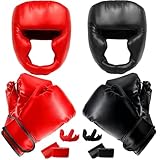
Hey there, future pugilist! Ready to step into the ring, or at least the gym? Before you start throwing punches, there’s one crucial step many overlook: hand wrapping. Think of it as your hand’s personal bodyguard. Properly wrapped hands are the foundation for safe and effective boxing. They protect your knuckles, wrists, and the intricate bones of your hand from the impact of repeated blows.
This guide will walk you through everything you need to know about hand wrapping – from selecting the right wraps to mastering the perfect technique. I’ll break down the process step-by-step, ensuring you can confidently wrap your hands like a pro. We’ll cover different wrapping styles and address common mistakes, so you can train with confidence and minimize the risk of injury.
So, grab your wraps, and let’s get started on the path to protecting those precious hands. This isn’t just about wrapping; it’s about building a solid base for your boxing journey. Ready to learn how to hand wrap boxing instructions?
Choosing the Right Hand Wraps
Before we get into the wrapping itself, let’s talk about the gear. Choosing the right hand wraps is the first step toward protecting your hands. You’ll find a variety of wraps on the market, each with its own advantages. Understanding the differences will help you make the best choice for your needs.
Material Matters
The material of your hand wraps significantly impacts their performance and comfort. There are two primary types:
- Cotton wraps: These are the traditional choice and often the most affordable. They’re breathable and absorb sweat well. However, they tend to stretch out over time and may require more frequent replacement. They offer good support but can be less durable.
- Mexican-style wraps (often a blend of cotton and elastic): These wraps provide more elasticity and support. They conform better to the hand, offering a tighter, more secure fit. The added elasticity allows for a greater range of motion and superior wrist support. They are usually more durable and a favorite among experienced boxers.
Length and Width
Hand wraps come in various lengths, typically ranging from 120 inches to 200 inches. The ideal length depends on your hand size, wrapping style, and personal preference. Generally:
- 120-inch wraps: Suitable for smaller hands or those who prefer a less bulky wrap.
- 180-inch wraps: The most common length, providing a good balance of protection and coverage for most adult hands.
- 200-inch wraps: Ideal for larger hands or those who want extra padding and support.
The width is less variable, but wider wraps can sometimes offer slightly more coverage. Experiment to find what feels most comfortable and secure for you.
Key Features to Consider
- Thumb loop: Helps secure the wrap at the start, preventing it from slipping.
- Hook-and-loop closure (Velcro): Allows for a secure and adjustable fit.
- Washability: Look for wraps that are machine washable for easy care.
Quick Comparison Table
| Feature | Cotton Wraps | Mexican-Style Wraps |
|---|---|---|
| Material | Cotton | Cotton blend with elastic |
| Stretch | Minimal | High |
| Support | Good | Excellent |
| Durability | Moderate | High |
| Price | Generally lower | Generally higher |
The Basic Hand Wrapping Technique: Step-by-Step
Now, let’s get down to the core of this guide: the hand wrapping technique. This is the foundation upon which you’ll build your hand protection. Follow these steps carefully, and you’ll be well on your way to wrapping like a pro.
Step 1: Preparing Your Wraps
- Unroll the wrap: Start by unrolling the wrap completely. Locate the thumb loop and the hook-and-loop closure.
- Position the thumb loop: Place the thumb loop over your thumb, with the wrap hanging down the back of your hand.
Step 2: Wrapping the Wrist
- Wrap around the wrist: Bring the wrap around your wrist several times. The number of wraps depends on your preference and the length of the wrap. Aim for a snug but not overly tight fit. This initial wrapping is crucial for wrist support.
- Secure the wrist: Make sure the wrap is smooth and even around your wrist. This will help prevent the wrap from bunching up as you progress.
Step 3: Wrapping the Hand
- Down and around: Bring the wrap down across the back of your hand, then up and around your knuckles.
- Repeat: Continue wrapping around your knuckles, creating a protective layer. Overlap each wrap slightly to provide even coverage.
- Focus on the knuckles: The knuckles take the brunt of the impact, so ensure they are well-padded.
Step 4: Wrapping the Thumb
- Wrap the thumb: Once you’ve wrapped your knuckles, bring the wrap across your palm and around your thumb. This provides support and protection for your thumb.
- Secure the thumb: Make sure the thumb wrap isn’t too tight, which could restrict movement.
Step 5: Wrapping the Knuckles (again)
- Reinforce the knuckles: After wrapping the thumb, bring the wrap back over your knuckles to provide additional padding.
- Overlapping: Ensure each wrap overlaps the previous one slightly, creating a solid protective layer.
Step 6: Finishing the Wrap
- Secure the wrap: Once you’ve covered your knuckles and thumb, bring the wrap back to your wrist.
- Fasten the closure: Use the hook-and-loop closure to secure the wrap around your wrist. Make sure it’s snug but comfortable.
- Check for fit: Flex your hand and make a fist to ensure the wrap doesn’t restrict movement or feel too tight. Adjust as needed.
Visual Aids
Consider using a video tutorial to see the wrapping process in action. There are many excellent videos available online that demonstrate each step clearly. This can be especially helpful for beginners.
Advanced Wrapping Techniques and Variations
Once you’ve mastered the basic technique, you can explore more advanced wrapping styles. These variations offer different levels of support and protection, catering to various training needs and preferences.
The Standard Wrap with Extra Knuckle Protection
This technique is a slight modification of the basic wrap, emphasizing extra protection for the knuckles. After wrapping the wrist and knuckles, you’ll add extra layers of padding directly over the knuckles. This is particularly beneficial for heavy bag work or sparring.
- After the first knuckle pass: Bring the wrap back over the knuckles, creating an additional layer.
- Repeat: Repeat this process for added protection.
- Continue with the thumb and wrist wraps as usual.
The ‘boxer’s Knot’ Technique
This technique involves creating a knot at the knuckles for maximum protection. It’s often used by professional boxers.
- Initial wraps: Wrap the wrist and hand as usual.
- Create the knot: After the initial knuckle wraps, create a knot at the knuckles before continuing the wrapping. This adds a significant layer of padding.
- Continue wrapping: Finish the wrap as usual, securing the wrist.
Important Note: This technique can be bulkier and may require longer wraps. It can also restrict movement if not done correctly. Practice this technique carefully. (See Also: Are Muay Thai Gloves The Same As Boxing Gloves )
The ‘cross-Over’ Technique
This technique focuses on providing additional support and stability to the wrist. It involves wrapping the wrist in a criss-cross pattern.
- Initial wraps: Start with the standard wrist wrap.
- Cross-over: Bring the wrap across the back of your hand and then across the wrist in a criss-cross pattern.
- Repeat: Continue this pattern until the wrist is well-supported.
- Finish the wrap: Wrap the knuckles and thumb as usual.
Common Mistakes to Avoid
Even experienced boxers make mistakes. Being aware of these common pitfalls can help you improve your wrapping technique and ensure optimal protection.
Wrapping Too Tight
Problem: Wrapping your hands too tightly can restrict blood flow, leading to numbness, tingling, and even potential nerve damage. It also limits your range of motion and can make it difficult to make a proper fist.
Solution: Ensure the wrap is snug but not constricting. You should be able to make a fist comfortably without feeling like your circulation is cut off. If you feel any numbness or tingling, loosen the wrap immediately.
Wrapping Too Loose
Problem: Loose wraps don’t provide adequate support or protection. They can shift during training, leaving your hands vulnerable to injury. This can also lead to the wraps bunching up inside your gloves, making them uncomfortable.
Solution: Make sure the wrap is secure and snug. There should be no gaps or areas where the wrap can move around. Check your wraps periodically during training to ensure they haven’t loosened.
Neglecting the Knuckles
Problem: The knuckles are the most vulnerable part of your hand. Insufficient padding in this area increases the risk of fractures, sprains, and bruises.
Solution: Pay close attention to the knuckle area. Ensure that the knuckles are well-padded with multiple layers of the wrap. You can also use techniques, like the Boxer’s Knot, to provide additional protection.
Incorrect Thumb Wrapping
Problem: The thumb is often overlooked, but it’s crucial for stability and power. Improper thumb wrapping can lead to sprains and other injuries. If the thumb is wrapped too tight, it will limit movement.
Solution: Wrap the thumb securely, but not too tightly. Make sure the wrap provides support without restricting movement. Ensure the thumb wrap is positioned correctly to protect the joint.
Skipping the Wrist Support
Problem: Neglecting the wrist can lead to sprains and instability. Wrist injuries can sideline you for extended periods.
Solution: Wrap your wrist thoroughly. The initial wraps around the wrist are crucial for providing support. Use techniques like the Cross-Over technique if you need additional wrist support. (See Also: Can You Wrestle In Boxing Shoes )
Using Worn-Out Wraps
Problem: Over time, wraps stretch out, lose their elasticity, and become less effective at providing protection. They also become breeding grounds for bacteria and can develop unpleasant odors.
Solution: Replace your hand wraps regularly, especially if you train frequently. Wash your wraps after each use and inspect them for wear and tear. If your wraps are damaged or stretched out, replace them immediately.
Tips for Optimal Hand Wrapping
Here are some additional tips to help you master the art of hand wrapping and maximize your hand protection.
Practice Makes Perfect
Consistent practice: Don’t expect to wrap your hands perfectly on the first try. Practice regularly. The more you wrap, the faster and more proficient you’ll become. Start slowly and focus on technique. As you become more comfortable, you can increase your speed.
Clean Wraps Are Essential
Wash after every use: Always wash your hand wraps after each training session to prevent the build-up of bacteria and odors. Use a mild detergent and wash them in cold water. You can either air-dry your wraps or put them in the dryer on a low setting.
Consider Glove Fit
Consider glove size: When purchasing hand wraps, consider the size of your boxing gloves. The wraps will add bulk to your hands, so make sure your gloves still fit comfortably. If you’re unsure, try on your gloves with the wraps to ensure a proper fit.
Experiment with Different Techniques
Experiment and find what works: Don’t be afraid to experiment with different wrapping techniques to find what provides the best fit and protection for your hands. Not every technique works for everyone. Try different styles and modify them to suit your needs and preferences. Observe other boxers and learn from their techniques.
Listen to Your Body
Pay attention: Always listen to your body. If you experience any pain or discomfort during training, stop and assess the situation. Make sure your wraps are not too tight or causing any issues. If the pain persists, consult with a coach or medical professional.
Don’t Overlook Other Protective Gear
Combine with other gear: Hand wraps are a crucial part of hand protection, but they’re not the only piece of the puzzle. Always wear boxing gloves during training and sparring. Consider using mouthguards and headgear for added protection.
The Importance of Proper Glove Fit
Glove fit matters: Ensure your gloves fit properly over your wrapped hands. Gloves that are too small will restrict movement and potentially cause injury, while gloves that are too large will offer less protection. The wraps will add bulk, so make sure your gloves still fit comfortably. Try on your gloves with the wraps before training to confirm a proper fit.
Troubleshooting Common Issues
Even with the best technique, you might encounter some issues. Here’s how to address them.
Wrap Slipping During Training
Problem: The wrap slides down the hand during training, compromising protection. (See Also: Is Everlast Good Boxing Gloves )
Solution:
- Make sure you’re wrapping tightly enough, especially around the wrist.
- Check the thumb loop; ensure it’s secure.
- Consider using a Mexican-style wrap with more elasticity.
- If the issue persists, try a different wrapping style or consult with a coach.
Wrap Bunching Up Inside the Glove
Problem: The wrap bunches up in the palm of your hand, making the glove uncomfortable and possibly impacting your punch.
Solution:
- Ensure the wrap is smooth and even as you apply it.
- Avoid wrapping the hand too thickly.
- Try a different wrapping style that distributes the padding more evenly.
- If the problem continues, consider a different glove size or style.
Discomfort or Pain
Problem: Pain or discomfort during or after training.
Solution:
- Loosen the wrap if it’s too tight.
- Make sure the thumb isn’t restricted.
- Assess your wrapping style; it might not be the right fit for your hands.
- If the pain persists, consult with a coach or doctor.
Difficulty Making a Fist
Problem: Can’t make a complete fist.
Solution:
- The wrap might be too tight.
- Reduce the amount of padding.
- Ensure the thumb isn’t restricted.
- Experiment with different wrapping styles.
The Importance of Professional Guidance
While this guide provides comprehensive instructions, seeking advice from a qualified boxing coach is invaluable. A coach can:
- Assess your technique: They can observe your wrapping technique and provide personalized feedback.
- Correct errors: They can identify and correct any mistakes you’re making.
- Recommend specific techniques: They can suggest the best wrapping style for your hand size, training style, and injury history.
- Offer advanced tips: They can provide more advanced techniques and strategies to optimize your hand protection.
- Provide a safe training environment: They can help you develop safe training habits.
A coach can also help you develop a comprehensive training plan that includes proper warm-up, cool-down, and injury prevention strategies.
Beyond the Basics: Maintaining Hand Health
Hand wrapping is a cornerstone of hand protection, but it’s only one piece of the puzzle. To keep your hands healthy and resilient, consider these additional tips:
- Warm-up Properly: Before you start training, always warm up your hands and wrists. Perform exercises like wrist rotations, knuckle push-ups, and finger stretches.
- Cool-down Effectively: After training, cool down your hands and wrists with stretching and light exercises.
- Strength Train: Incorporate hand and forearm strengthening exercises into your training routine. This will help build the muscles and tendons needed for powerful punches.
- Listen to Your Body: If you feel any pain or discomfort, stop training immediately. Don’t push through pain.
- Rest and Recovery: Make sure you get enough rest and allow your hands time to recover between training sessions.
- Nutrition and Hydration: Eat a healthy diet and stay hydrated. Proper nutrition and hydration support overall health and recovery.
- Consider Supplements: Some supplements, like collagen and glucosamine, may support joint health. Consult with a healthcare professional before taking any supplements.
- Regular Check-ups: If you experience persistent pain or injury, see a doctor or physical therapist.
Verdict
So there you have it – a comprehensive guide to mastering hand wrapping for boxing. By following these instructions, you’re not just learning a technique; you’re investing in your safety and longevity in the sport. Remember, proper hand wrapping is the foundation of safe and effective training. Take your time, practice diligently, and don’t hesitate to seek guidance from experienced boxers or coaches. Your hands will thank you!
Keep in mind that hand wrapping is a skill that improves with practice. The more you wrap, the more comfortable and efficient you’ll become. Don’t get discouraged if it takes a few tries to get it right. With patience and persistence, you’ll soon be wrapping your hands like a pro, ready to step into the ring or hit the heavy bag with confidence. Now go out there and train hard, knowing you’re protecting your most valuable weapons.