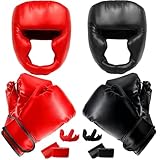
So, you’ve got yourself a brand new pair of boxing gloves, huh? Awesome! That feeling of fresh leather and pristine padding is exciting, but there’s a crucial step before you can truly put them to work: breaking them in. New boxing gloves can feel stiff, uncomfortable, and even hinder your performance. Think of it like a new pair of shoes – you wouldn’t run a marathon in them right away, would you? The same principle applies here.
Breaking in your gloves properly is essential for a few key reasons. It enhances your comfort, improves your punching power, and extends the lifespan of your gloves. This guide will walk you through everything you need to know about the process, from the initial steps to the final touches. We’ll cover different methods, materials, and crucial tips to ensure your gloves are ready to help you perform at your best.
Get ready to transform those rigid new gloves into a comfortable, powerful extension of your fists. Let’s get started!
Understanding Why Breaking in Boxing Gloves Matters
Before we jump into the ‘how,’ let’s clarify the ‘why.’ Why is breaking in your boxing gloves so important? Several factors contribute to this necessity. Understanding these reasons will motivate you to dedicate the time and effort required for the process.
Comfort and Fit
New boxing gloves often feel stiff and unforgiving. The materials, especially the leather and padding, haven’t yet molded to the shape of your hand. This stiffness can lead to discomfort, blisters, and even injuries if not addressed. Proper break-in allows the gloves to conform to your hand’s contours, resulting in a more comfortable and natural fit. This enhanced comfort translates to longer, more productive training sessions and fights.
Performance Enhancement
A well-broken-in glove allows for a more natural hand position during punching. The flexibility in the wrist and knuckles reduces resistance and allows for a more powerful and efficient punch. The padding, once softened, absorbs impact more effectively, protecting your hands and allowing you to generate more force. Essentially, a broken-in glove becomes an extension of your arm, optimizing your punching mechanics.
Durability and Longevity
Breaking in your gloves correctly can significantly extend their lifespan. The process helps to distribute stress evenly across the materials, preventing premature wear and tear. By preventing excessive creasing and compression of the padding, you ensure that your gloves maintain their protective qualities for a longer period. This translates to saving money in the long run, as you won’t need to replace your gloves as frequently.
Injury Prevention
One of the most critical reasons to break in your gloves is to minimize the risk of injury. Stiff, unyielding gloves can transmit more impact force directly to your hands and wrists, increasing the likelihood of sprains, fractures, and other ailments. A well-broken-in glove provides better shock absorption, reducing the strain on your joints and muscles. This is especially vital for sparring and heavy bag work.
Materials and Their Influence on Break-In
The type of material your boxing gloves are made from significantly impacts how you break them in. Different materials have varying levels of stiffness, flexibility, and durability. Understanding these differences will guide you in choosing the most appropriate break-in methods for your specific gloves.
Leather Gloves
Leather gloves are the gold standard. They offer excellent durability, comfort, and protection. However, they also tend to be the stiffest when new. The break-in process for leather gloves requires patience and a combination of methods to soften the leather and mold it to your hand. Expect a longer break-in period compared to other materials. (See Also: Are Muay Thai Gloves The Same As Boxing Gloves )
- Types of Leather:
- Full-grain leather: The highest quality leather, known for its durability and natural characteristics. Requires a longer break-in period.
- Top-grain leather: A slightly more processed version of full-grain, offering a good balance of durability and flexibility.
- Split-grain leather: Less durable and often used for the inner lining of gloves.
Break-in Tips for Leather Gloves:
- Use leather conditioner to soften the leather.
- Focus on bending the glove at the knuckles and wrist.
- Avoid excessive moisture.
Synthetic Leather Gloves
Synthetic leather gloves, often made from materials like polyurethane (PU) or microfiber, are a popular and affordable alternative to genuine leather. They generally require a shorter break-in period than leather gloves and are easier to maintain. However, they may not be as durable or offer the same level of breathability as leather. They are a great entry-level option, but the break-in process is still important.
Break-in Tips for Synthetic Leather Gloves:
- Use the same methods as leather, but with less intensity.
- Pay attention to any cracking or peeling of the synthetic material.
- Avoid excessive heat.
Hybrid Gloves
Some gloves combine leather and synthetic materials. These gloves aim to offer the benefits of both, such as the durability of leather and the flexibility of synthetic materials. The break-in process will depend on the dominant material in the glove’s construction.
Break-in Tips for Hybrid Gloves:
- Follow the break-in guidelines for the predominant material.
- Pay extra attention to the areas where different materials meet.
Step-by-Step Guide to Breaking in Your Boxing Gloves
Now, let’s get into the practical steps. Here’s a comprehensive guide to breaking in your boxing gloves, covering various methods and techniques.
1. Initial Inspection and Preparation
Before you start, inspect your new gloves. Check for any manufacturing defects or imperfections. Ensure the stitching is secure and the padding is evenly distributed. This is also a good time to familiarize yourself with the glove’s features and design. You can also lightly wipe down the gloves with a damp cloth to remove any surface debris.
2. The Hand Wrapping Stage
Hand wraps are essential. Before any training, always wrap your hands. They provide crucial support and protection for your wrists, knuckles, and fingers. Wrapping your hands properly before breaking in your gloves protects your hands from excessive impact and helps mold the gloves to the shape of your hands. Experiment with different wrapping techniques to find what feels most comfortable and secure for you.
3. Dry Boxing/shaping the Gloves
This is the initial phase of breaking in your gloves. No hitting is involved at this stage. Instead, the goal is to gently manipulate the gloves to encourage flexibility. This can be done in several ways: (See Also: Can You Wrestle In Boxing Shoes )
- Squeezing and Bending: Repeatedly squeeze and bend the gloves at the knuckles, wrist, and thumb area. Focus on areas where you feel the most resistance.
- Fisting Exercises: Make fists inside the gloves and practice opening and closing your hands. This helps to loosen the padding and shape the glove to your hand.
- Wearing the Gloves: Wear the gloves for short periods around the house. This helps the gloves conform to the shape of your hands and get used to the feel.
4. Light Bag Work
Once you’ve done some dry boxing, it’s time to introduce the gloves to the heavy bag. Start with light bag work to gradually accustom the gloves to impact. This stage is about controlled movements and getting a feel for the gloves. Here’s how to approach it:
- Start Slow: Begin with light punches, focusing on your form and technique.
- Focus on Technique: Prioritize accurate punches over power.
- Gradually Increase Intensity: As the gloves begin to soften, you can slowly increase the power of your punches.
- Variety of Punches: Practice different punches, such as jabs, crosses, hooks, and uppercuts.
- Short Sessions: Keep your bag work sessions relatively short, 15-20 minutes, to avoid overworking the gloves and your hands.
5. Shadow Boxing
Shadow boxing is an excellent way to break in your gloves while improving your technique, footwork, and overall boxing skills. It also helps to mold the gloves to your hand shape. Shadow boxing allows you to practice your punches without the impact of a bag or opponent.
- Focus on Form: Pay close attention to your form and technique.
- Vary Your Routine: Mix up your punches, footwork, and head movement.
- Use a Mirror: Watching yourself in a mirror can help you identify and correct any flaws in your technique.
- Regular Practice: Incorporate shadow boxing into your routine regularly to continue breaking in your gloves.
6. Sparring (if Applicable)
If you’re planning to use your gloves for sparring, introduce them to sparring gradually. This step should be taken only after you have done some bag work and shadow boxing. However, be cautious and prioritize your sparring partner’s safety and your own.
- Communication is Key: Communicate with your sparring partner to ensure a safe and controlled sparring session.
- Start Light: Begin with light sparring and gradually increase the intensity as the gloves break in.
- Focus on Control: Prioritize control and technique over power.
- Protect Yourself: Always protect your hands and your sparring partner.
7. Using a Glove Stretcher (optional)
A glove stretcher can be a helpful tool for speeding up the break-in process. This device is inserted into the glove to stretch and expand the leather or synthetic material. However, use this method with caution, as excessive stretching can damage the gloves. This is a more advanced technique and should be used with care.
- Follow Instructions: Always follow the manufacturer’s instructions for using a glove stretcher.
- Gradual Stretching: Avoid over-stretching the gloves.
- Monitor the Glove: Keep an eye on the glove for any signs of damage or stress.
8. Cleaning and Maintenance
Proper cleaning and maintenance are essential for extending the life of your gloves. After each training session, wipe down the gloves with a damp cloth to remove sweat and debris. Allow the gloves to air dry completely before storing them. Consider using glove deodorizers or anti-bacterial sprays to eliminate odors and prevent the growth of bacteria.
- Wipe Down After Each Use: Remove sweat and dirt.
- Air Dry: Allow the gloves to dry naturally.
- Use Deodorizers: Reduce odors and bacteria.
- Store Properly: Store gloves in a well-ventilated area.
9. Leather Conditioning (for Leather Gloves)
Leather gloves benefit from regular conditioning to keep the leather soft and supple. Apply a leather conditioner according to the manufacturer’s instructions. This helps to prevent cracking and maintains the leather’s elasticity. This is especially important for leather gloves, as it helps to keep the leather from drying out and cracking.
- Use a Quality Conditioner: Choose a leather conditioner specifically designed for boxing gloves.
- Apply Sparingly: Use a small amount of conditioner and apply it evenly.
- Allow to Absorb: Allow the conditioner to absorb into the leather before using the gloves.
Different Methods for Breaking in Gloves
There are several methods you can use to break in your boxing gloves. Some are more effective than others, and the best approach often involves a combination of techniques. Here are some of the most common and effective methods:
The Punching Bag Method
This is the most common and arguably the most effective method. It involves using the gloves on a heavy bag. You will need a heavy bag for this, and it is a great way to break in your gloves.
- Start Slowly: Begin with light punches and gradually increase the intensity.
- Focus on Form: Maintain proper punching technique throughout the process.
- Variety of Punches: Practice different punches to break in all areas of the glove.
- Regular Sessions: Train regularly with the bag to keep breaking the gloves in.
The Shadow Boxing Method
Shadow boxing is a fantastic way to break in your gloves while improving your technique and conditioning. It also helps to mold the gloves to your hand shape. (See Also: Is Everlast Good Boxing Gloves )
- Focus on Form: Pay close attention to your form and technique.
- Vary Your Routine: Mix up your punches, footwork, and head movement.
- Use a Mirror: Watching yourself in a mirror can help you identify and correct any flaws in your technique.
- Regular Practice: Incorporate shadow boxing into your routine regularly to continue breaking in your gloves.
The Glove Wrapping Method
This method focuses on wearing the gloves for extended periods while shaping them with your hands wrapped. This is particularly useful for leather gloves.
- Wrap Your Hands: Wrap your hands as if you were going to train.
- Wear the Gloves: Wear the gloves around the house for short periods.
- Squeeze and Bend: Regularly squeeze and bend the gloves at the knuckles and wrist.
- Repeat: Repeat this process until the gloves begin to soften.
The Heat Method (use with Caution!)
This method involves using heat to soften the gloves. However, it requires extreme caution, as excessive heat can damage the materials. This is not generally recommended.
- Use a Hair Dryer (Low Heat): Use a hair dryer on a low setting to warm the gloves.
- Bend and Shape: While the gloves are warm, bend and shape them at the knuckles and wrist.
- Be Careful: Avoid overheating the gloves.
- Avoid Microwaves and Ovens: Never put your gloves in a microwave or oven.
The Water Method (use with Caution!)
Some people recommend using water to soften the gloves. This method is often discouraged because it can damage the leather and padding if done incorrectly.
- Dampen (Do NOT Soak): Lightly dampen the gloves with water.
- Bend and Shape: Bend and shape the gloves while they’re damp.
- Air Dry: Allow the gloves to air dry completely.
- Avoid Over-Saturation: Do not soak the gloves.
Common Mistakes to Avoid
To ensure you break in your gloves correctly and safely, avoid these common mistakes:
- Rushing the Process: Breaking in gloves takes time. Avoid trying to speed up the process by using aggressive methods.
- Overuse of Force: Don’t use excessive force when punching the bag or shaping the gloves.
- Ignoring Hand Wraps: Always wear hand wraps to protect your hands.
- Neglecting Maintenance: Proper cleaning and maintenance are essential for extending the life of your gloves.
- Using the Wrong Methods: Avoid using methods that can damage your gloves, such as excessive heat or water.
- Not Listening to Your Body: If you feel pain or discomfort, stop and reassess.
Signs Your Gloves Are Broken In
How do you know when your gloves are fully broken in? Here are some signs to look for:
- Improved Flexibility: The gloves should feel more flexible and less stiff.
- Comfortable Fit: The gloves should conform to the shape of your hands and feel comfortable.
- Reduced Resistance: You should feel less resistance when punching.
- Enhanced Punching Power: You should be able to generate more power with your punches.
- No Discomfort: You should not experience any discomfort or pain while using the gloves.
Best Practices for Glove Longevity
Once your gloves are broken in, it’s essential to follow best practices to ensure they last. Here are some key tips:
- Use Hand Wraps: Always wear hand wraps to protect your hands and absorb sweat.
- Clean Regularly: Wipe down your gloves after each use and allow them to air dry.
- Use Deodorizers: Use glove deodorizers to eliminate odors and prevent bacteria growth.
- Store Properly: Store your gloves in a well-ventilated area, away from direct sunlight and extreme temperatures.
- Rotate Gloves: If you train frequently, consider owning multiple pairs of gloves and rotating them to allow them to dry completely.
- Repair Minor Damage: Address any minor damage, such as loose stitching, promptly to prevent further wear.
- Leather Conditioning: If you have leather gloves, condition them regularly to keep the leather soft and supple.
Troubleshooting Common Issues
Even with the best care, you might encounter some issues. Here’s how to address them:
- Stiffness Persists: If your gloves remain stiff after several training sessions, try additional bag work or glove wrapping. Consider using a leather conditioner.
- Unpleasant Odor: Use glove deodorizers and ensure your gloves dry completely after each use.
- Padding Compression: Avoid using excessive force and ensure you are using the correct glove size. Rotate your gloves to prevent excessive compression in one area.
- Tears or Cracks: Address any tears or cracks immediately. If the damage is significant, consider getting the gloves repaired or replaced.
- Discomfort: If you experience any discomfort, stop training and assess your hand wraps and glove fit. You may need to adjust your technique.
Final Verdict
Breaking in your boxing gloves is a crucial process that impacts your comfort, performance, and the lifespan of your gear. By understanding the importance of the break-in, choosing the right methods for your glove material, and following a consistent routine, you’ll ensure your gloves are ready to help you perform at your best. Remember to prioritize proper hand wrapping, start with light work, and gradually increase the intensity. Patience, consistency, and proper care are your allies in this journey. With a little effort, you’ll transform your new gloves into a comfortable and powerful extension of your fists, ready to help you achieve your boxing goals!
Breaking in your boxing gloves is a vital step for any boxer. It is essential for comfort, performance, and longevity. Remember that the process takes time and requires consistent effort. Start with the basics: wear hand wraps, and gradually introduce your gloves to light bag work and shadow boxing. Be patient, and listen to your body.
By following the methods and tips outlined in this guide, you can ensure your gloves are perfectly broken in, ready to support you on your boxing journey. With dedication and the right approach, you can transform your new gloves into a comfortable, powerful, and reliable piece of equipment. Your gloves will be your partner in the ring or gym, so treat them right, and they will serve you well. Now get out there and start punching!