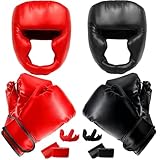
Ah, the unmistakable aroma of a well-used pair of boxing gloves. It’s a scent many fighters know intimately, often a blend of sweat, leather, and… well, let’s just say not always roses. That smell, while sometimes a badge of honor, can quickly become overwhelming, and it’s a clear sign that bacteria and moisture are having a party inside your gloves.
We’ve all been there: that moment you take off your gloves, and the smell hits you like a haymaker. But fear not, because maintaining fresh-smelling boxing gloves isn’t just about pleasantries; it’s about extending the life of your gear, protecting your hands, and ensuring a more enjoyable training experience. This guide will walk you through everything you need to know about tackling the dreaded boxing glove odor, from the moment you purchase them to the practices you should adopt after every workout.
I’m going to share some tried-and-true methods that I’ve learned over years in the gym, techniques that have kept my gloves in top shape and smelling (relatively) fresh. Let’s get started and punch that stench right out of the ring!
The Science Behind the Stench
Before diving into solutions, let’s understand why boxing gloves stink in the first place. The main culprits are sweat, bacteria, and the environment inside the glove. Your hands sweat a lot during training, and that moisture gets trapped. This creates a perfect breeding ground for bacteria, which thrive in warm, dark, and moist environments. These bacteria break down the sweat and organic materials, producing volatile organic compounds (VOCs) – the very substances that cause the unpleasant smell.
The Moisture Factor
The first thing to understand is that your hands, and the gloves, get *incredibly* sweaty during training. The amount of sweat absorbed by the glove is significant. This moisture is the foundation of the problem. Without it, the bacteria wouldn’t thrive.
The Bacterial Brigade
Next up, there’s the bacterial component. The type of bacteria that thrives in this environment often leads to the characteristic smells we associate with old boxing gloves. These bacteria feed on the sweat, dead skin cells, and other organic matter, creating byproducts that stink.
The Material Matters
The materials that make up the glove also play a part. Leather, in particular, is porous and absorbs moisture. Synthetics can trap moisture as well. The internal padding further contributes to the retention of sweat and moisture, making it a perfect breeding ground for bacteria.
Preventative Measures: Stopping the Smell Before It Starts
The best defense is a good offense, and that holds true for boxing glove odor. Implementing preventative measures can significantly reduce the likelihood of your gloves developing a nasty smell. Here are some key strategies:
1. Glove Selection: Choosing the Right Materials
The type of boxing gloves you choose can impact how quickly they start to smell. While leather is a classic material, it can absorb more moisture. Synthetic gloves, especially those with breathable liners, can sometimes be a better choice in terms of odor control. Consider the following when selecting gloves: (See Also: Are Muay Thai Gloves The Same As Boxing Gloves )
- Leather vs. Synthetic: Leather gloves often require more care, but can be more durable and provide a better feel. Synthetic gloves may be easier to clean and dry.
- Liner Materials: Look for gloves with moisture-wicking liners. These materials help to draw sweat away from your hands and the interior of the glove.
- Ventilation: Some gloves have strategically placed ventilation holes. These holes help to improve airflow, reducing moisture buildup.
2. Hand Hygiene: Your First Line of Defense
Keeping your hands clean and dry before and after using your gloves is crucial. This reduces the amount of sweat and bacteria that gets transferred into the gloves. Consider these hand hygiene practices:
- Wash Your Hands: Always wash your hands thoroughly with soap and water before putting on your hand wraps and gloves.
- Dry Your Hands: Ensure your hands are completely dry before wrapping them.
- After Training: Wash your hands immediately after taking off your gloves and hand wraps.
3. Hand Wraps: The Absorbent Layer
Hand wraps are your best friend when it comes to protecting your gloves. They absorb a significant amount of sweat, acting as a barrier between your hands and the glove’s interior. Using hand wraps properly is essential:
- Choose Quality Wraps: Invest in high-quality hand wraps made from breathable materials like cotton or a cotton-polyester blend.
- Wash Your Wraps Regularly: Hand wraps should be washed after every training session. This is the most crucial step in preventing odor.
- Proper Wrapping Technique: Wrap your hands snugly, but not too tightly, to ensure they provide adequate protection and absorption.
4. Proper Storage: Airflow Is Key
How you store your gloves is critical. Proper storage promotes airflow, which helps to dry out the gloves and prevent bacterial growth. Here’s how to store your gloves effectively:
- Air Them Out: After each training session, remove your gloves from your gym bag immediately. Let them air dry in a well-ventilated area.
- Avoid Closed Bags: Don’t store your gloves in a closed gym bag or locker for extended periods, as this traps moisture and encourages bacterial growth.
- Use a Glove Deodorizer: Consider using a glove deodorizer or a moisture-absorbing insert to help keep the interior of your gloves dry.
Cleaning and Drying Techniques: Rescuing Your Gloves
Even with the best preventative measures, your gloves will eventually need cleaning. Here’s a breakdown of effective cleaning and drying techniques:
1. Immediate Post-Workout Care: The Quick Rinse
Right after training, take these immediate steps to mitigate odor and moisture buildup:
- Wipe Down the Exterior: Use a clean, damp cloth to wipe down the exterior of your gloves. This removes surface sweat and dirt.
- Remove Hand Wraps: Immediately remove your hand wraps and wash them.
- Air Dry: Leave your gloves in a well-ventilated area to air dry completely.
2. Deep Cleaning: The Periodic Wash
Depending on how often you train and how much you sweat, you’ll need to wash your gloves periodically. This is crucial for removing built-up sweat, bacteria, and odor. There are different methods, each with its pros and cons:
A) the Gentle Wipe Down
For a quick refresh, you can wipe down the inside of your gloves:
- Materials: You’ll need a clean cloth, warm water, and a mild soap (like baby shampoo or a diluted solution of dish soap).
- Procedure: Dampen the cloth with the soapy water and gently wipe down the inside of the gloves. Avoid soaking the gloves.
- Drying: Allow the gloves to air dry completely in a well-ventilated area.
B) the Submerge and Wash (use with Caution!)
This method is more aggressive and should be used sparingly, as it can potentially damage your gloves. However, it can be effective for removing stubborn odors. Be very careful with this method, especially with leather gloves. (See Also: Can You Wrestle In Boxing Shoes )
- Materials: A large bowl or tub, warm water, a mild soap or detergent, and a soft brush.
- Procedure: Fill the bowl with warm water and add a small amount of soap. Gently submerge the gloves, working the soap into the material. Use the soft brush to scrub the interior and exterior of the gloves. Rinse thoroughly with clean water.
- Drying: This is the most critical step. Completely dry the gloves, following the drying methods described below.
3. Drying Methods: Crucial for Preventing Mold and Mildew
Proper drying is essential to prevent mold and mildew growth, which can worsen the smell and damage your gloves. Here are several drying methods:
A) Air Drying: The Natural Approach
Air drying is the safest and most recommended method. It’s gentle on the gloves and effective at removing moisture. However, it takes time.
- Procedure: Place your gloves in a well-ventilated area, away from direct sunlight and heat. Stuff them with newspaper or paper towels to absorb moisture and help maintain their shape.
- Time: Allow the gloves to air dry completely. This can take anywhere from 24 to 72 hours, depending on the humidity and ventilation.
B) the Fan Method: Speeding Up the Process
Using a fan can significantly speed up the drying process. This is particularly useful if you need to use your gloves again soon.
- Procedure: Place your gloves in front of a fan, ensuring good airflow throughout. Stuff them with newspaper or paper towels.
- Time: Drying time can be reduced to a few hours. Check the gloves periodically to ensure they are drying evenly.
C) the Dryer (use with Extreme Caution!)
Using a dryer is generally not recommended for boxing gloves, as the heat can damage the materials and affect the shape of the gloves. However, if you are in a pinch and need to dry your gloves quickly, you can use the dryer on a very low heat setting.
- Procedure: Place the gloves in the dryer on a low heat setting. Add a few towels to help absorb moisture. Check the gloves frequently to prevent overheating.
- Time: Drying time should be kept to a minimum. Remove the gloves as soon as they are dry to the touch.
4. Other Methods
Here are a few other methods you can use to combat odors:
A) Glove Deodorizers
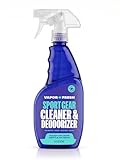
There are many glove deodorizers on the market, including sprays and inserts. These products can help to absorb moisture and neutralize odors. Here’s how to use them:
- Sprays: Spray the inside of your gloves with the deodorizer after each training session.
- Inserts: Place deodorizing inserts inside your gloves after each training session.
B) Baking Soda
Baking soda is a natural odor absorber. You can use it to help remove odors from your gloves. Here’s how:
- Procedure: Place a tablespoon or two of baking soda inside each glove after training. Let it sit overnight. Remove the baking soda before your next training session.
C) Vinegar
Vinegar can help to kill bacteria and neutralize odors. However, it can also potentially damage the materials of your gloves, so use it sparingly and with caution. (See Also: Is Everlast Good Boxing Gloves )
- Procedure: Mix equal parts of white vinegar and water. Dampen a clean cloth with the solution and gently wipe down the inside of your gloves. Allow the gloves to air dry completely.
Troubleshooting Common Odor Problems
Even with the best care, you might encounter some persistent odor problems. Here’s how to address them:
1. Mold or Mildew
If you notice mold or mildew, it means moisture has been trapped in your gloves for too long. Address this issue immediately:
- Action: Clean the gloves thoroughly using the deep cleaning method. Ensure they are completely dry. If the mold or mildew is severe, consider consulting a professional.
- Prevention: Improve your drying methods and ensure proper ventilation.
2. Persistent Stench
If the smell lingers despite your efforts, it could be due to deeply ingrained bacteria or damage to the glove materials:
- Action: Try a more aggressive cleaning method, or consider using a glove deodorizer.
- Prevention: Replace your gloves if the smell persists and cleaning methods are not effective.
3. Leather Damage
Leather gloves can be particularly susceptible to damage from moisture and improper cleaning. Here’s how to deal with leather issues:
- Action: Use leather-specific cleaners and conditioners to maintain the leather’s quality. Avoid harsh chemicals.
- Prevention: Always follow the manufacturer’s recommendations for cleaning and care.
Comparing Cleaning Methods: A Quick Guide
Here’s a table summarizing the different cleaning methods, their pros, cons, and when to use them:
| Cleaning Method | Pros | Cons | Best For |
|---|---|---|---|
| Gentle Wipe Down | Quick, easy, safe for all materials | Less effective for deep-seated odors | Daily maintenance, light odors |
| Submerge and Wash | Effective for removing tough odors | Potential for material damage, requires thorough drying | Infrequent deep cleaning, strong odors |
| Glove Deodorizers | Convenient, helps maintain freshness | May not eliminate all odors | Regular use, preventative maintenance |
| Baking Soda | Natural odor absorber | Can be messy | Absorbing odors |
| Vinegar | Kills bacteria, neutralizes odors | Can damage materials if not used carefully | Stubborn odors, use with caution |
Verdict
Tackling the smell in your boxing gloves is a continuous process, not a one-time fix. It requires a combination of preventative measures, regular cleaning, and proper drying techniques. By adopting these practices, you can significantly reduce odor, extend the life of your gloves, and, most importantly, create a more pleasant and hygienic training environment. Remember, consistency is key! Make these steps a part of your routine, and you’ll be well on your way to keeping your gloves smelling fresh, and your focus on the fight.
Ultimately, taking care of your boxing gloves is an investment in your training. A little bit of effort goes a long way in ensuring your gear lasts longer, performs better, and keeps you comfortable and focused in the ring. So, keep those gloves clean, dry, and ready to go!