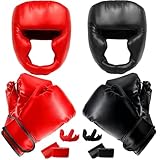
So, you’re getting into boxing or maybe just starting your fitness journey with some bag work? Awesome! One of the first things you’ll need is a good pair of boxing gloves. But with all the different sizes and weights out there, it can feel a little overwhelming, right? Don’t worry, I’ve got you. Choosing the right boxing glove size is crucial for both your performance and, more importantly, your safety. A glove that’s too small might not offer enough protection, while one that’s too big could hinder your technique and lead to injury.
This guide will walk you through everything you need to know about how to measure boxing glove size, from understanding the different measurement factors to choosing the perfect fit for your needs. We’ll cover everything from hand size to the intended use of the gloves. Let’s get started and make sure you get the right pair for your training!
Understanding Boxing Glove Sizing: The Basics
Boxing glove sizing isn’t quite like shoe sizing. Instead of measuring in inches or centimeters, boxing gloves are primarily sized by weight, measured in ounces (oz). This weight represents the amount of padding in the glove, which directly impacts the level of protection it offers and the amount of resistance you’ll experience during training.
The weight of a boxing glove is a crucial factor. The heavier the glove, the more padding it has, and the more protection it provides for your hands and your sparring partner’s face. Lighter gloves are often used for speed and agility work, while heavier gloves are preferred for sparring and bag work, especially for beginners. The weight also influences the impact you’re able to deliver.
Why Glove Weight Matters
Why is the weight of the glove so important? It’s all about protection and impact. A heavier glove absorbs more of the impact, protecting both the wearer’s hand and the person they’re hitting. Lighter gloves, on the other hand, allow for quicker hand speed but offer less protection. Think of it like this: a heavier glove is like wearing a helmet, while a lighter glove is more like a thin cap.
- Protection: Heavier gloves provide greater cushioning, reducing the risk of hand injuries like broken bones or sprains.
- Impact: The weight of the glove affects the force of your punches. Heavier gloves can make your punches feel more powerful and can be useful in strength training.
- Training Style: The type of training you do will influence the size of glove you need. Sparring requires heavier gloves than shadow boxing.
Common Boxing Glove Sizes
Here’s a general overview of the most common boxing glove sizes and their typical uses:
- 8 oz: Typically used for professional fights, speed bag work, and some mitt work. Not recommended for beginners or sparring due to minimal padding.
- 10 oz: Also often used in professional fights, but can be used for mitt work and bag work. Still less padding than is recommended for beginners.
- 12 oz: A popular choice for bag work, mitt work, and light sparring, especially for lighter weight individuals. Offers a good balance of protection and speed.
- 14 oz: The most common size for sparring and heavy bag work. Provides ample protection for both the wearer and the sparring partner. Recommended for most adults.
- 16 oz: Often required for sparring in many gyms and is ideal for heavier individuals or those prioritizing maximum protection.
How to Measure Your Hand for Boxing Gloves
While glove weight is the primary sizing factor, your hand size also plays a role in finding the right fit. You want a glove that fits snugly but not too tight, allowing for proper hand wrapping and comfortable movement. Here’s how to measure your hand:
What You’ll Need
- A Flexible Measuring Tape: This is essential for getting accurate measurements.
- Your Hand: Obviously!
- A Pen and Paper: To record your measurements.
Steps to Measure Your Hand
- Measure Your Palm: Extend your dominant hand flat, with your fingers together. Using the measuring tape, measure around the fullest part of your palm (excluding the thumb). This is usually just below your knuckles. Make sure the tape is snug but not too tight.
- Measure Your Hand Length: Place your hand flat on a surface. Measure from the tip of your longest finger to the base of your palm, where your wrist begins.
- Record Your Measurements: Write down both measurements in inches or centimeters. These measurements will help you determine the appropriate glove size.
Interpreting Your Measurements
Once you’ve taken your measurements, you can use them as a guide, but remember that glove weight is the primary factor. Your hand measurements will primarily guide how the glove feels when you put it on. If you are on the border, try the heavier size, especially for sparring.
- Small Hands: Typically, if your palm circumference is less than 7 inches, you may be able to use a smaller weight glove.
- Average Hands: If your palm circumference is between 7 and 8 inches, you will generally be able to use standard weight gloves.
- Large Hands: If your palm circumference is greater than 8 inches, you might need a larger glove.
Choosing the Right Boxing Glove Weight for Your Training
The weight of the boxing glove you choose should be determined by the type of training you’ll be doing. Different activities require different levels of protection and impact.
For Beginners
If you’re new to boxing, it’s best to start with heavier gloves. This will provide more protection for your hands as you learn the proper punching technique. The extra padding will also help to absorb the impact, reducing the risk of injury. (See Also: Are Muay Thai Gloves The Same As Boxing Gloves )
Recommended Glove Weight: 14 oz or 16 oz gloves are recommended for beginners, especially for sparring and heavy bag work. These gloves provide the most protection.
For Bag Work and Mitt Work
Bag work and mitt work are essential for developing power, speed, and technique. The right glove weight for these activities will depend on your experience and goals.
Recommended Glove Weight: 12 oz to 16 oz gloves are suitable for bag work and mitt work. 12 oz gloves are good if you want to focus on speed, while 14 oz and 16 oz gloves are better if you want to focus on power and protection.
For Sparring
Sparring requires the most protection, as you’re hitting another person. It’s crucial to use gloves that offer enough padding to protect both you and your sparring partner.
Recommended Glove Weight: 14 oz and 16 oz gloves are the standard for sparring. Many gyms require at least 16 oz gloves for sparring.
For Professional Fights
Professional fighters often use lighter gloves to maximize speed and punching power. However, the level of protection is greatly reduced.
Recommended Glove Weight: 8 oz or 10 oz gloves are typically used in professional fights.
Factors to Consider When Choosing Boxing Gloves
Beyond weight and hand size, there are other factors to consider when choosing boxing gloves:
Your Weight
Your body weight is a significant factor in determining the right glove size. Heavier individuals typically need heavier gloves to provide adequate protection. This is because heavier individuals generate more force when they punch. (See Also: Can You Wrestle In Boxing Shoes )
| Weight | Recommended Glove Weight |
|---|---|
| Under 150 lbs | 12 oz – 14 oz |
| 150 lbs – 180 lbs | 14 oz – 16 oz |
| Over 180 lbs | 16 oz |
Your Experience Level
Beginners should prioritize protection and opt for heavier gloves. As you gain experience and develop proper technique, you can consider lighter gloves for speed and agility work.
The Type of Boxing
The type of boxing you do, whether it’s for fitness, competition, or self-defense, will influence your glove choice.
- Fitness Boxing: Prioritize comfort and versatility. 12 oz to 14 oz gloves are usually a good choice.
- Amateur Competition: Follow the rules and regulations of your boxing organization.
- Professional Boxing: Requires specific glove weights, usually 8 oz or 10 oz.
Glove Material
Boxing gloves are made from various materials, each with its pros and cons:
- Leather: High-quality, durable, and comfortable. Leather gloves last longer and offer good performance, but they are more expensive.
- Synthetic Leather (PU or PVC): More affordable and often suitable for beginners. They’re less durable than leather but can be a good option for occasional use.
Glove Construction
The construction of the glove affects its performance and durability. Look for gloves with:
- Proper Padding: High-density foam padding provides better shock absorption.
- Secure Wrist Support: Good wrist support helps prevent injuries.
- Quality Stitching: Durable stitching ensures the glove will last.
Tips for Trying on Boxing Gloves
Once you’ve narrowed down your options, it’s time to try the gloves on. Here are some tips to ensure a good fit:
Always Wrap Your Hands
Always wrap your hands before trying on gloves. Hand wraps add bulk and are essential for protecting your hands and wrists. The gloves should fit comfortably with wraps on.
Check the Fit
The gloves should feel snug but not too tight. You should be able to make a fist comfortably without feeling restricted. There should be some space at the fingertips, about half an inch to an inch.
Test the Wrist Support
The wrist support should feel secure. The gloves should provide adequate support to prevent your wrist from bending backward during a punch. Make sure the gloves are easy to put on and take off.
Move Around
Try shadow boxing or hitting a heavy bag to see how the gloves feel during movement. This will help you identify any potential issues with the fit or comfort. Pay attention to how the gloves feel when you punch. (See Also: Is Everlast Good Boxing Gloves )
Maintaining Your Boxing Gloves
Proper care and maintenance will extend the life of your boxing gloves and keep them performing at their best. Here are some key tips:
Air Them Out
After each use, remove your gloves from your bag and allow them to air dry. This prevents the growth of bacteria and reduces odors. You can use a glove deodorizer to further absorb moisture and odors.
Clean Them Regularly
Wipe down the exterior of your gloves with a damp cloth after each use. For more thorough cleaning, use a mild soap and water solution. Be sure to dry them completely before storing them.
Use Glove Deodorizers
Insert glove deodorizers into your gloves after each use to absorb moisture and eliminate odors. These are available in various forms, such as pouches or balls.
Store Them Properly
Store your gloves in a cool, dry place away from direct sunlight. Avoid storing them in a damp or humid environment, which can damage the materials.
Consider Glove Wraps
Using hand wraps not only protects your hands but also helps absorb sweat, which can prolong the life of your gloves. Replace your hand wraps regularly.
Conclusion
Choosing the right boxing glove size is a crucial step in ensuring a safe and effective training experience. Remember to consider the glove weight, your hand size, your experience level, and the type of training you’ll be doing. By following the guidelines in this article, you can confidently select the perfect pair of gloves to support your boxing journey. With the right gloves, you’ll be well-prepared to hit the heavy bag, spar with confidence, and enjoy all the benefits that boxing has to offer.
Always prioritize safety and comfort when selecting your gloves. If you’re unsure, it’s always best to err on the side of caution and choose a slightly heavier glove, especially when starting out. Enjoy your training!