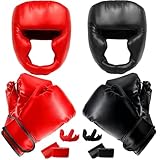
Ever wondered if those tiny MMA gloves pack a bigger punch than the classic boxing gloves? It’s a question that pops up a lot, especially when you’re getting into combat sports. Both types of gloves are designed to protect your hands and the person you’re hitting, but they go about it in different ways. The differences in design, weight, and the overall goals of each sport lead to some pretty interesting contrasts. We’re going to break down everything you need to know about the impact of each glove type, from the science behind the force to how they change the way fighters approach a match.
Think about it: boxing is all about the hands, while MMA throws in kicks, knees, and grappling. This difference in style influences every aspect of the gear, including the gloves. We’ll examine how the design of each glove affects the power of a strike, the risks involved, and the strategies fighters use. By the end, you’ll have a clear understanding of which gloves are designed to deliver the most impact, and why.
The Anatomy of a Punch: Force, Impact, and Protection
Before we get into the gloves themselves, let’s talk about the basics of a punch. When you throw a punch, you’re not just moving your hand; you’re transferring energy from your body to your opponent. The more effectively you transfer that energy, the harder your punch will be. Several factors influence the force of a punch, including your technique, the muscles involved, and the weight and speed of your fist. The gloves play a crucial role in how that force is distributed and absorbed.
Key Factors in Punch Power
- Mass and Momentum: Heavier gloves, like boxing gloves, have more mass, which can generate more momentum. However, they also slow down the punch.
- Speed: A faster punch increases the impact force. Technique is essential here.
- Surface Area: The area of impact affects how the force is distributed. Smaller gloves can concentrate force, while larger gloves spread it out.
- Padding and Construction: The padding in the gloves absorbs some of the impact, protecting both the fighter and the opponent.
The Role of Gloves in Impact
Gloves are not just about delivering a punch; they’re also about protection. They cushion the impact to reduce the risk of injury to the hands and face. The design of the gloves dictates how well they do this, affecting the power and safety of strikes. Let’s delve into the details of both boxing and MMA gloves.
Boxing Gloves: Designed for Power and Protection
Boxing gloves are the traditional choice for the sweet science. They are generally larger and more heavily padded than MMA gloves, designed specifically for punching with the hands. These gloves have a long history, evolving over time to balance impact, protection, and the specific needs of boxers.
Design and Construction
- Weight: Boxing gloves come in various weights, typically ranging from 8 to 16 ounces. Heavier gloves are often used for sparring to provide more protection and reduce the impact of each punch. Lighter gloves are used in competition to allow for more speed and power.
- Padding: Boxing gloves have thick padding, usually made of multiple layers of foam or other materials. This padding is designed to absorb the force of the impact, protecting both the boxer’s hands and the opponent’s face.
- Shape: The gloves are designed to encase the hand, with a rounded shape that helps distribute the force of a punch. The shape also promotes a closed fist, which is essential for proper punching technique.
- Materials: High-quality boxing gloves are usually made of leather, which is durable and can withstand the rigors of training and competition. The inner lining is designed to wick away moisture and provide comfort.
Impact on Punching Power
Boxing gloves are designed to increase the mass and surface area of the punch, which affects the power in a few ways: (See Also: Are Muay Thai Gloves The Same As Boxing Gloves )
- Increased Mass: The added weight can increase the momentum of the punch, potentially generating more force.
- Wider Surface Area: The larger surface area spreads out the impact, reducing the risk of cuts and abrasions. However, this also means that the force is distributed over a wider area, which can reduce the perceived sharpness of the punch.
- Enhanced Protection: The thick padding absorbs a significant amount of the impact, protecting the hands and face. This can allow boxers to throw more punches without the risk of injury.
Advantages and Disadvantages
Boxing gloves are excellent for protecting the hands and reducing the risk of cuts and bruises. However, the added weight and bulk can slow down punches and make it more difficult to land quick combinations. The larger surface area might also reduce the perceived knockout power compared to smaller gloves.
Mma Gloves: Designed for Versatility and Grappling
MMA gloves are designed for a different purpose than boxing gloves. They prioritize versatility and allow for a wider range of techniques, including striking, grappling, and clinching. These gloves are smaller, lighter, and more open-fingered to facilitate grappling.
Design and Construction
- Weight: MMA gloves are typically lighter than boxing gloves, ranging from 4 to 8 ounces. This lighter weight allows for greater speed and maneuverability.
- Padding: The padding in MMA gloves is generally thinner than in boxing gloves. The focus is on providing protection without sacrificing the ability to grapple.
- Shape: MMA gloves have a more contoured shape, with open fingers and a reinforced striking surface. This design allows the fingers to grip and grab, which is essential for grappling.
- Materials: MMA gloves are usually made of leather or synthetic materials, chosen for their durability and ability to withstand the stresses of grappling and striking.
Impact on Punching Power
MMA gloves have a different impact on punching power compared to boxing gloves:
- Reduced Mass: The lighter weight means less momentum, which can reduce the raw force of a punch.
- Smaller Surface Area: The smaller striking surface can concentrate the force of the punch, potentially leading to more localized impact.
- Greater Versatility: The open-finger design allows for a wider range of techniques, including grappling and clinching.
Advantages and Disadvantages
MMA gloves offer versatility and allow for a wider range of techniques. The open-finger design is ideal for grappling and clinching. However, the thinner padding provides less protection, increasing the risk of hand injuries. The lighter weight can also reduce the overall power of the punches compared to heavier boxing gloves.
Mma vs. Boxing Gloves: A Direct Comparison
Let’s put the two types of gloves side by side to see how they stack up: (See Also: Can You Wrestle In Boxing Shoes )
| Feature | Boxing Gloves | MMA Gloves |
|---|---|---|
| Weight | 8-16 oz | 4-8 oz |
| Padding | Thick | Thinner |
| Surface Area | Larger | Smaller |
| Design Focus | Punching, Protection | Versatility, Grappling |
| Hand Protection | High | Moderate |
| Grappling | Limited | Enabled |
The Impact of Glove Design on Fight Strategy
The type of gloves used in a fight has a significant impact on the strategies employed by fighters. Boxing gloves encourage a more defensive and calculated approach, focusing on landing powerful punches while minimizing risks. MMA gloves, on the other hand, promote a more dynamic style, with fighters often mixing striking with grappling and clinch work.
Boxing Strategies
- Power Punching: Boxers often try to land powerful, knockout blows, using the gloves to protect their hands and absorb impact.
- Defense: Defense is a high priority, with fighters using their gloves to block and parry punches.
- Footwork: Boxers rely on footwork to control the distance and create angles for their punches.
Mma Strategies
- Versatility: MMA fighters must be proficient in striking, grappling, and clinching.
- Ground Game: A significant part of MMA involves taking the fight to the ground, where fighters can use submissions and ground-and-pound techniques.
- Transitions: Fighters must seamlessly transition between striking and grappling to gain an advantage.
Do Mma Gloves Hit Harder? The Verdict
So, do MMA gloves hit harder than boxing gloves? The answer isn’t a simple yes or no. It depends on what you mean by “harder.” If you’re talking about raw force, the heavier, more padded boxing gloves might generate more momentum and absorb the impact better, potentially leading to more devastating blows. However, if you’re talking about the perceived impact or the likelihood of causing damage, the smaller surface area of MMA gloves could concentrate the force, leading to more localized and potentially damaging strikes.
Factors like the fighter’s technique, the target, and the specific rules of the fight also play a role. Ultimately, both types of gloves are designed to balance power and protection, but they do so in different ways to suit the needs of their respective sports. The choice of glove depends on the fighter’s style, the rules of the competition, and the overall strategy.
The Importance of Technique
Regardless of the gloves used, proper technique is essential for generating power and minimizing the risk of injury. Learning how to properly throw a punch, whether with boxing or MMA gloves, is critical for maximizing impact and protecting your hands. Fighters spend countless hours honing their technique, focusing on elements like footwork, body mechanics, and timing.
Risk and Safety
Both boxing and MMA involve inherent risks. The gloves help mitigate these risks, but they don’t eliminate them. The padding in boxing gloves protects the hands and face, but it can also reduce the sensation of impact, which can lead to fighters taking more damage. MMA gloves offer less padding, increasing the risk of cuts and abrasions. Understanding the risks and taking appropriate safety measures, such as using hand wraps and proper training, is crucial. (See Also: Is Everlast Good Boxing Gloves )
The Evolution of Gloves
The design of boxing and MMA gloves continues to evolve. Glove manufacturers are constantly looking for ways to improve protection, increase power, and enhance performance. New materials and construction techniques are being developed to create gloves that are lighter, more durable, and more effective at protecting fighters. The evolution of glove design reflects the ongoing efforts to make combat sports safer and more competitive.
Beyond the Gloves: Other Protective Gear
Gloves are just one part of the protective gear used in combat sports. Other important items include:
- Headgear: Headgear is often used in sparring and amateur boxing to protect the head from cuts and concussions.
- Mouthguards: Mouthguards are essential for protecting the teeth and preventing injuries to the jaw and face.
- Groin Protectors: Groin protectors are used to protect the groin from strikes and kicks.
- Shin Guards: Shin guards are used in MMA and other striking sports to protect the shins from kicks.
Training and Conditioning
No matter which type of gloves you use, training and conditioning are essential for success in combat sports. This includes:
- Strength Training: Building strength in the arms, shoulders, and core is essential for generating power.
- Cardio: Cardiovascular fitness is essential for endurance and stamina.
- Technical Training: Hours of practice are needed to perfect punching, kicking, and grappling techniques.
- Sparring: Sparring is crucial for developing fight skills and gaining experience.
The Future of Gloves
The future of gloves in combat sports is likely to see further innovation and refinement. Manufacturers will continue to explore new materials and designs to balance protection, performance, and safety. There is also a growing interest in incorporating technology into gloves, such as sensors that can measure the force and impact of strikes. These advancements will help to improve the training and safety of fighters.
Conclusion
So, which glove hits harder? The answer isn’t clear-cut. Boxing gloves, with their bulk and padding, can potentially deliver blows with more force due to their mass. However, MMA gloves, with their smaller surface area, might concentrate the impact, leading to more focused strikes. Ultimately, the ‘hardest’ hit depends on the individual fighter, their technique, and the specific circumstances of the fight. Both types of gloves serve their purpose, tailored to the unique demands of boxing and MMA.
Ultimately, the choice between boxing and MMA gloves comes down to the sport and the fighter’s preferences. Boxing gloves are the standard in the ring, offering maximum hand protection and promoting a focused striking style. MMA gloves, on the other hand, provide versatility, allowing for a mix of striking and grappling. Both types of gloves are essential in their respective sports, playing a crucial role in the safety and strategy of the fight.