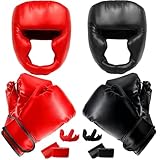
Ever wondered about the inner workings of boxing gloves? They’re more than just padded hand coverings; they’re essential pieces of equipment designed to protect both the wearer and their opponent. But a common question arises: do boxing gloves open up, and if so, how does that affect their performance and safety?
The answer isn’t always straightforward, and understanding the nuances of boxing glove construction and design is key. We’ll explore the various aspects of boxing gloves, from their materials and construction to the ways they function during a fight. This guide will clarify the mechanics behind these essential pieces of equipment, ensuring you have a solid understanding of how they work.
Whether you’re a seasoned boxer, a beginner, or simply curious about the sport, this article will provide valuable insights into the design and functionality of boxing gloves. Let’s get into the details and find out exactly what happens when you throw a punch!
The Anatomy of a Boxing Glove
To understand whether boxing gloves “open up,” it’s essential to dissect their components and how they’re put together. Boxing gloves are complex pieces of equipment, designed with several key elements working in concert. These elements influence how the glove behaves during a punch and its overall durability.
The Outer Layer
The outer layer is typically made of leather, synthetic leather, or a combination of materials. Leather is the preferred choice for professional-grade gloves due to its durability, flexibility, and resistance to wear and tear. Synthetic leather offers a more affordable alternative, often used in training gloves. This outer layer is crucial as it protects the internal padding and provides a striking surface.
- Leather: Known for its durability and longevity, often used in high-end gloves.
- Synthetic Leather: A more cost-effective option, suitable for training purposes.
- Material Quality: The quality of the outer material directly impacts the glove’s lifespan and performance. Higher-quality materials withstand more punishment.
The Padding
This is the heart of the glove’s protective function. The padding, usually composed of multiple layers of foam or a combination of foam and other materials, absorbs the impact of punches. The density and composition of the padding are critical, as they determine the glove’s ability to protect the boxer’s hand and minimize the force transferred to the opponent.
- Foam Types: Different types of foam, such as layered foam, or injected foam, offer varying levels of protection and impact absorption.
- Density: The density of the padding influences how well the glove absorbs impacts. Denser padding offers more protection.
- Layering: Multiple layers of padding often provide superior protection compared to a single layer.
The Lining
The lining, typically made of a moisture-wicking material, is inside the glove. It helps absorb sweat and keeps the hand dry, which is essential for comfort and hygiene. It also contributes to the glove’s overall fit and feel.
- Moisture-wicking properties: Helps to keep the hand dry and prevent slippage during training and fights.
- Comfort: The lining material affects the overall comfort of the glove.
- Durability: The lining’s quality impacts the glove’s lifespan.
The Wrist Closure
The wrist closure system, often featuring a hook-and-loop strap or laces, secures the glove to the hand and provides wrist support. Proper wrist support is crucial to prevent injuries during training and fights.
- Hook-and-loop Straps: Offer ease of use and quick adjustment.
- Laces: Provide a secure and customized fit, favored in professional boxing.
- Wrist Support: Proper closure is crucial for preventing wrist injuries.
Do Boxing Gloves Open Up During a Fight?
The short answer is: yes, to some extent. The degree to which a boxing glove “opens up” depends on several factors, including the glove’s construction, the materials used, and the intensity of the punches. The term “opening up” refers to the gradual softening and reshaping of the padding over time and use. (See Also: Are Muay Thai Gloves The Same As Boxing Gloves )
Factors Influencing “opening Up”
- Material Quality: Higher-quality materials tend to hold their shape better and “open up” less quickly.
- Punching Intensity: The harder and more frequent the punches, the faster the glove will soften.
- Glove Type: Different types of gloves (training, sparring, competition) are designed with varying levels of padding and construction, influencing how they open up.
- Training Surface: Hitting heavy bags, focus mitts, or other surfaces affects the glove’s wear and tear.
The padding within the glove compresses and deforms with repeated impact. This compression leads to a decrease in the glove’s ability to absorb shock, potentially making the glove less protective over time. However, this process is usually gradual and doesn’t render the glove immediately useless. The outer materials also begin to show signs of wear, such as cracking or abrasions, which can impact the glove’s overall structure.
The Impact on Performance and Safety
The “opening up” process affects the performance and safety of the glove. Initially, a new glove provides maximum protection due to the density and structure of its padding. As the glove is used, the padding compresses, reducing its ability to absorb impact. This means the boxer’s hand receives more of the force from punches, increasing the risk of injury. Simultaneously, the force transferred to the opponent can also increase, potentially making the punches more damaging.
- Decreased Shock Absorption: Softer padding absorbs less impact.
- Increased Risk of Injury: For both the boxer and the opponent.
- Performance Impact: The boxer may experience less power transfer due to the altered shape of the glove.
Types of Boxing Gloves and How They Age
The design and intended use of a boxing glove significantly impact how it “opens up.” Different types of gloves are constructed with varying materials and padding configurations, leading to different wear patterns and lifespans.
Training Gloves
Training gloves are designed for regular use on heavy bags, focus mitts, and during sparring sessions. These gloves typically have thicker padding to provide more protection. They are built to withstand considerable wear and tear, and their construction often includes reinforced stitching and durable materials.
- Padding: Generally have thicker padding for increased hand protection.
- Durability: Designed to endure frequent use and abuse.
- Lifespan: Can last for several months with regular use, but the padding will eventually compress.
Sparring Gloves
Sparring gloves are specifically designed to minimize the risk of injury during sparring sessions. They typically feature more padding than training gloves and a softer, more rounded design. This design helps to disperse the force of impact and protect both the wearer and their sparring partner.
- Padding: Extra padding is crucial for minimizing impact during sparring.
- Design: Often have a more rounded shape to reduce the risk of cuts and abrasions.
- Usage: Used exclusively for sparring sessions.
Competition Gloves
Competition gloves are designed for use in professional boxing matches. They are usually made with high-quality materials and are often lighter than training or sparring gloves. The padding in competition gloves is designed to provide a balance between protection and the ability to deliver powerful punches. These gloves are subject to strict regulations by boxing organizations, including weight and padding specifications.
- Weight and padding regulations: Must adhere to strict weight and padding regulations.
- Materials: High-quality leather and padding are commonly used.
- Performance: Designed to optimize power transfer while maintaining some level of protection.
Heavy Bag Gloves
Heavy bag gloves are specifically designed for use on heavy bags. They usually have denser padding in the knuckle area to withstand the constant impact of heavy bag workouts. The design focuses on durability and shock absorption, prioritizing the protection of the hand.
- Padding: Denser padding in the knuckle area.
- Durability: Built to withstand the constant impact.
- Purpose: Used exclusively for heavy bag training.
How to Extend the Life of Your Boxing Gloves
Proper care and maintenance can significantly extend the lifespan of your boxing gloves and ensure they provide optimal performance and protection. Here are some key steps to follow: (See Also: Can You Wrestle In Boxing Shoes )
Proper Storage
Store your gloves in a cool, dry place. Avoid direct sunlight and extreme temperatures, as these conditions can damage the materials. Consider using a glove deodorizer or dryer to prevent moisture buildup and the growth of bacteria.
- Location: A cool, dry environment is ideal.
- Avoidance: Protect gloves from direct sunlight and extreme temperatures.
- Accessories: Using a glove deodorizer can help prevent the growth of bacteria.
Cleaning and Maintenance
Clean your gloves regularly after each use. Wipe down the exterior with a damp cloth to remove sweat and dirt. For the inside, use a disinfectant spray or a glove deodorizer to eliminate odors and bacteria. Avoid soaking the gloves in water, as this can damage the padding and materials. Allow the gloves to air dry completely before storing them.
- Cleaning: Wipe the exterior with a damp cloth after each use.
- Disinfecting: Use a disinfectant spray or glove deodorizer to eliminate odors and bacteria.
- Drying: Allow gloves to air dry completely before storing.
Use Glove Wraps
Always wear hand wraps when using boxing gloves. Hand wraps provide an extra layer of protection for your hands and wrists, absorbing some of the impact and reducing the stress on the gloves. They also help to wick away moisture, keeping your hands dry and reducing the buildup of sweat inside the gloves.
- Protection: Hand wraps provide an extra layer of protection.
- Impact Absorption: Reduces stress on the gloves.
- Hygiene: Wicks away moisture and reduces the buildup of sweat.
Rotate Gloves
If you train frequently, consider owning multiple pairs of gloves. Rotating between pairs allows each pair to dry completely and reduces the wear and tear on any single pair. This can extend the overall lifespan of your gloves and ensure they maintain their protective qualities.
- Usage: Rotating gloves reduces wear and tear.
- Drying: Allows each pair to dry completely.
- Lifespan: Extends the overall lifespan of your gloves.
Regular Inspection
Regularly inspect your gloves for any signs of wear and tear, such as tears, cracks, or compression of the padding. If you notice any damage, consider replacing the gloves. This is particularly important for competition gloves, where the padding must meet specific standards.
- Inspection: Regularly check for tears, cracks, or padding compression.
- Replacement: Replace gloves if any damage is noticed.
- Compliance: Crucial for competition gloves to meet specific standards.
When to Replace Your Boxing Gloves
Knowing when to replace your boxing gloves is crucial for maintaining safety and performance. Several factors indicate that it’s time to retire your gloves.
Signs of Wear and Tear
Look for visible signs of wear and tear, such as cracks in the leather or synthetic material, tears in the stitching, or compression of the padding. These indicate that the glove’s protective capabilities are compromised.
- Leather Cracks: Leather cracks indicate degradation.
- Stitching Tears: Tears in stitching compromise structural integrity.
- Padding Compression: Compression means less impact absorption.
Loss of Padding
If the padding feels thin or noticeably compressed, the glove is no longer providing adequate protection. This can increase the risk of hand and wrist injuries. (See Also: Is Everlast Good Boxing Gloves )
- Thin Padding: Indicates reduced protection.
- Compression: The glove’s ability to absorb impact is diminished.
- Hand/Wrist Injuries: The risk increases with degraded padding.
Odor and Hygiene
Persistent odors, even after cleaning, can indicate the presence of bacteria and mold. If the gloves are excessively smelly, it may be time for a replacement.
- Persistent Odor: Indicates bacterial growth.
- Hygiene: Compromises the glove’s hygiene.
- Replacement: Necessary for health and hygiene reasons.
Usage Frequency
The more frequently you use your gloves, the faster they will wear out. If you train several times a week, you may need to replace your gloves every few months. For occasional users, gloves may last longer, but regular inspection is still necessary.
- Frequent Training: Leads to faster wear and tear.
- Replacement: May be needed every few months.
- Occasional Use: Gloves may last longer.
Comparing Glove Types and Lifespans
The lifespan of boxing gloves varies depending on their type, construction, and usage. Here’s a comparison table:
| Glove Type | Typical Lifespan (with regular use) | Factors Affecting Lifespan |
|---|---|---|
| Training Gloves | 6-12 months | Material quality, training frequency, punching intensity, proper care. |
| Sparring Gloves | 8-18 months | Padding density, sparring frequency, opponent’s punching power, storage conditions. |
| Competition Gloves | Varies (often replaced after a few fights) | Adherence to regulations, intensity of fights, care and maintenance. |
| Heavy Bag Gloves | 3-6 months | Material quality, frequency of use, punching technique, bag surface. |
Verdict
Boxing gloves do, in fact, “open up” over time, due to the compression and wear of their internal padding and external materials. This process is a natural consequence of use and is influenced by factors such as material quality, usage intensity, and the type of training or competition the gloves are used for. Understanding how gloves age and the impact this has on protection and performance is crucial for any boxer. Regular inspection, proper care, and timely replacement are vital to ensuring your safety and maximizing your performance in the ring or during training. By following these guidelines, you can extend the life of your gloves and keep your hands protected. Remember, prioritizing the condition of your gloves is an investment in your safety and success in the sport.
The gradual “opening up” of boxing gloves is an inevitable part of their lifecycle, stemming from the compression of padding and wear on the outer materials. This affects the glove’s protective capabilities and performance over time.
Understanding this process is key to maintaining a safe and effective training regime. Regular inspection and proper care are essential. Replacing gloves when they show signs of wear ensures continued protection and optimal performance.
Ultimately, taking care of your boxing gloves and knowing when to replace them is a fundamental aspect of boxing, contributing to both your safety and the longevity of your boxing journey.