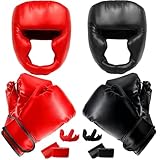
So, you’re stepping into the world of boxing? Fantastic! It’s a demanding sport, a great workout, and a test of your mental and physical fortitude. But before you even think about throwing a punch, you need to think about protection. Specifically, how do boxing gloves hel? That’s the million-dollar question – or rather, the question that could save you a million dollars in medical bills down the line. I’ll break down everything you need to know.
Boxing isn’t a gentle activity. It involves repeatedly hitting a hard object (or another person) with considerable force. Without proper hand protection, you’re setting yourself up for a world of hurt. That’s where boxing gloves come in, acting as the crucial barrier between your fragile hands and the impact of a punch. Let’s delve into why these gloves are essential for your boxing journey.
The Anatomy of a Boxing Glove: What’s Inside?
Before we get into how boxing gloves hel, let’s understand what they’re made of. A typical boxing glove is a marvel of engineering, designed to absorb impact and protect your hands. The components include:
- The Padding: This is the heart of the glove, usually made of multiple layers of foam, latex, or a combination of both. The padding’s density and thickness determine how much impact it can absorb. Higher-end gloves often use advanced foam technologies for superior protection.
- The Outer Shell: This is the visible part of the glove, typically made of leather or synthetic materials like polyurethane. Leather is generally more durable and breathable, while synthetics can be more affordable. The shell’s quality affects the glove’s lifespan and its ability to withstand wear and tear.
- The Wrist Support: A well-designed wrist support system is crucial for stability and injury prevention. It usually involves a long cuff and a secure closure mechanism (like Velcro or laces) to keep the wrist aligned during punches.
- The Lining: The inner lining is usually made of a moisture-wicking material to keep your hands dry and comfortable. It also helps to prevent the glove from deteriorating due to sweat.
- The Thumb: The thumb is often attached to the main body of the glove to prevent hyperextension and protect against injuries.
How Boxing Gloves Protect Your Hands
Now, let’s get down to the nitty-gritty of how boxing gloves hel. Their primary functions are:
- Impact Absorption: This is the most critical function. The padding absorbs the force of your punches, distributing the impact over a larger area. This reduces the stress on your knuckles, wrist, and other hand bones, minimizing the risk of fractures, sprains, and bruises. Without gloves, the full force of each punch would be concentrated on a small area, leading to significant damage.
- Reducing Cuts and Abrasions: The outer shell of the glove protects your hands from cuts and abrasions that can occur when punching. This is especially important when sparring or competing, where accidental contact with your opponent’s skin or teeth is possible.
- Wrist Support: The wrist support system stabilizes your wrist, preventing it from bending or twisting excessively during a punch. This reduces the risk of sprains, strains, and other wrist injuries. A secure wrist closure is vital for proper alignment and support.
- Protecting Your Opponent (to a degree): While boxing gloves are primarily for the wearer’s protection, they also offer some protection to your opponent. The padding helps to distribute the impact of your punches, reducing the risk of cuts and serious injuries. However, it’s important to note that gloves don’t eliminate the risk of injury entirely.
Types of Boxing Gloves: Choosing the Right Pair
The market is flooded with different types of boxing gloves. Choosing the right pair depends on your experience level, training style, and intended use. Here’s a breakdown:
Training Gloves
Training gloves are designed for general use, including bag work, pad work, and sparring. They typically have more padding than competition gloves and are available in various weights (measured in ounces, or oz). Heavier gloves (14 oz, 16 oz, or even 18 oz) are often preferred for sparring because they offer more protection for both you and your sparring partner. Lighter gloves (10 oz or 12 oz) are suitable for bag work and pad work.
Sparring Gloves
Sparring gloves are specifically designed for sparring sessions. They usually have extra padding in the knuckles and wrist areas to provide maximum protection for both fighters. Always prioritize safety when sparring. Choose gloves with adequate padding and ensure they fit well. (See Also: How To Measure Your Hand For Boxing Gloves )
Competition Gloves
Competition gloves are used in official boxing matches. They typically have less padding than training gloves, allowing for more powerful punches. Competition gloves are often made of high-quality materials and are designed to meet specific regulations set by boxing organizations. These are usually 8 or 10 oz gloves.
Bag Gloves
Bag gloves are designed for use on heavy bags and speed bags. They typically have less padding than training or sparring gloves, allowing for a more direct feel. Bag gloves are often made of durable materials that can withstand the constant impact of bag work. These gloves are usually smaller and more compact than other types.
Specialty Gloves
Some gloves are designed for specific purposes, such as Muay Thai or MMA. These gloves often have unique features, such as open palms and reinforced thumb areas. Make sure the gloves you select are suitable for the type of training you plan to do.
Understanding Glove Weights and Sizes
Boxing gloves are measured in ounces (oz), which refers to the weight of the glove. The weight affects the level of protection and the feel of the punch. Here’s a guide:
- 8 oz: Typically used for competition, offering less protection.
- 10 oz: Also commonly used for competition, suitable for lighter training.
- 12 oz: Good for general training and pad work.
- 14 oz: Ideal for sparring and heavier training, providing more protection.
- 16 oz: The heaviest, offering maximum protection, often preferred for sparring by experienced boxers.
Choosing the right size depends on your hand size, training style, and weight. It’s crucial to try on gloves before buying them to ensure a proper fit. Gloves should fit snugly but not too tightly. You should be able to make a fist comfortably without feeling restricted.
Materials Matter: Leather vs. Synthetic
The material of your boxing gloves significantly affects their durability, comfort, and performance. Here’s a comparison: (See Also: Do Boxing Gloves Come In Small Medium Or Large )
| Feature | Leather Gloves | Synthetic Gloves |
|---|---|---|
| Durability | Generally more durable and long-lasting | Can vary, but often less durable than leather |
| Comfort | More breathable, can mold to your hand over time | Can be less breathable, may feel stiff initially |
| Price | Typically more expensive | Generally more affordable |
| Performance | Offers a better feel and impact absorption | Performance varies depending on the quality of the material |
| Maintenance | Requires regular cleaning and conditioning | Easier to clean, but may wear out faster |
Leather gloves are often the preferred choice for serious boxers due to their superior durability, breathability, and feel. However, they require more maintenance, such as regular cleaning and conditioning, to keep them in good shape. Synthetic gloves are a more affordable option and are suitable for beginners or those on a budget. The quality of synthetic gloves varies, so choose a well-made pair for better performance and longevity.
Proper Glove Care and Maintenance
Taking care of your boxing gloves is crucial for extending their lifespan and ensuring they continue to provide adequate protection. Here are some tips:
- Air Them Out: After each use, allow your gloves to air dry thoroughly. This helps prevent the build-up of bacteria and odors. Avoid storing them in a gym bag without letting them dry first.
- Use Glove Deodorizers: Consider using glove deodorizers or inserts to absorb moisture and eliminate odors.
- Clean Regularly: Wipe down the outer surface of your gloves with a damp cloth after each use. For leather gloves, use a leather cleaner and conditioner to keep the material supple and prevent cracking.
- Use Hand Wraps: Always wear hand wraps under your gloves. They provide extra protection for your hands and wrists and absorb sweat, extending the life of your gloves.
- Store Properly: Store your gloves in a cool, dry place away from direct sunlight.
- Check for Damage: Inspect your gloves regularly for signs of wear and tear, such as cracks, tears, or loose stitching. Replace your gloves if they are damaged or if the padding has become compressed.
Hand Wraps: The Unsung Heroes
Hand wraps are an essential part of boxing equipment, working in tandem with your gloves to protect your hands and wrists. They provide an extra layer of support and padding, absorbing sweat and preventing injuries. There are several types of hand wraps, including:
- Mexican-Style Hand Wraps: These are generally considered the best, offering excellent support and flexibility.
- Standard Hand Wraps: These are a more affordable option, providing good protection.
- Gel Wraps: These offer extra padding and are easy to put on.
Learning how to properly wrap your hands is crucial. There are many online tutorials that can guide you through the process. Proper wrapping techniques provide crucial support to the wrist, knuckles, and fingers.
The Importance of Proper Technique
While boxing gloves provide essential protection, they are only one part of the equation. Proper boxing technique is equally important for preventing injuries. Here are some key points:
- Punching Form: Maintain proper form when throwing punches. Keep your wrist straight and your knuckles aligned with your forearm.
- Targeting: Aim for the center of the target, such as the heavy bag or your sparring partner’s gloves.
- Relaxation: Avoid tensing up your muscles, as this can increase the risk of injury.
- Breathing: Breathe properly while punching, exhaling as you strike.
- Listen to Your Body: If you feel pain, stop training immediately and consult with a medical professional.
Common Boxing Injuries and How Gloves Help Prevent Them
Boxing, despite the protective gear, still comes with inherent risks. Here are some common injuries and how boxing gloves help mitigate them: (See Also: Does 24 Hour Fitness Have Boxing Equipment )
- Knuckle Fractures: Gloves, especially with adequate padding, help distribute the force of impact, reducing the chance of fractures.
- Wrist Sprains/Strains: The wrist support in gloves, along with proper hand wrapping, provides crucial stability.
- Boxer’s Fracture: This fracture of the metacarpal bones is less likely with glove use.
- Cuts and Abrasions: The glove’s outer shell protects the skin from cuts during sparring or competition.
- Concussions: While gloves primarily protect the hands, they can also slightly reduce the impact of head shots.
Buying Guide: Key Features to Consider
When choosing boxing gloves, consider these factors:
- Padding: Look for gloves with high-density foam padding for maximum protection.
- Material: Leather gloves are generally more durable and breathable.
- Wrist Support: Ensure the gloves have a secure wrist closure for optimal support.
- Weight: Choose the appropriate weight based on your training needs (sparring vs. bag work).
- Fit: Try on gloves to ensure a snug but comfortable fit.
- Brand Reputation: Research reputable brands known for quality and durability.
- Price: Set a budget and compare prices from different brands.
- Reviews: Read online reviews to get insights from other users.
Where to Buy Boxing Gloves
Boxing gloves are available at various retailers, including:
- Sporting Goods Stores: These stores offer a wide selection of gloves from different brands.
- Online Retailers: Amazon and other online retailers offer a vast selection and competitive prices.
- Boxing Equipment Stores: These stores specialize in boxing gear and offer expert advice.
- Gyms and Training Facilities: Some gyms sell boxing gloves to their members.
Before purchasing, try on the gloves if possible to ensure a proper fit. Read product reviews to get insights into the quality and performance of the gloves.
The Long-Term Benefits of Boxing Gloves
Using boxing gloves isn’t just about immediate protection; it’s an investment in your long-term health and boxing career. By minimizing the risk of hand injuries, you can train consistently, improve your skills, and enjoy the sport for years to come. Proper hand protection is the foundation for a successful and injury-free boxing journey.
Conclusion
So, do boxing gloves hel? Absolutely, yes! They are an indispensable piece of equipment for anyone involved in boxing. They protect your hands from a range of injuries, including fractures, sprains, and cuts. By understanding the different types of gloves, their features, and how to properly care for them, you can ensure your hands stay safe and you can keep enjoying the sport you love. Remember to always use hand wraps and focus on proper technique to maximize your protection. Investing in quality boxing gloves is an investment in your health and your future in the ring.
Choosing the right gloves and using them correctly is crucial for a safe and rewarding boxing experience. Prioritize your hand health, train smart, and enjoy the journey! With the right gear and knowledge, you can stay in the ring for the long haul, developing your skills and enjoying the thrill of the sport.