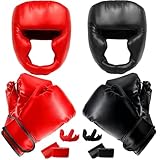
Ever wondered if you can customize your boxing gear with a splash of color? You’ve landed in the right place! As a boxing enthusiast, I’ve often pondered the same question: can you dye boxing gloves? The allure of personalized gear, matching your gym bag, or simply adding a unique flair is undeniable. This guide will explore everything you need to know about dyeing your boxing gloves, from the feasibility to the potential pitfalls.
We’ll delve into the materials, the process, and the potential impact on your gloves’ performance and longevity. Whether you’re a seasoned boxer or just starting, understanding the ins and outs of dyeing your gloves is crucial. We’ll examine the different types of gloves, the best dyes to use (and which to avoid), and the steps involved in achieving a vibrant, long-lasting color. Let’s get started!
Understanding Boxing Glove Materials
Before considering dyeing, it’s essential to understand the materials your boxing gloves are made of. This knowledge dictates the success of the dyeing process and the type of dye you can use. The most common materials are leather and synthetic materials like polyurethane (PU) and polyvinyl chloride (PVC).
Leather Boxing Gloves
Leather gloves are the gold standard for many boxers due to their durability, comfort, and performance. Leather is a porous material, meaning it absorbs liquids, including dyes. This makes leather gloves generally more receptive to dyeing than synthetic alternatives. However, the type of leather matters. Full-grain leather, the highest quality, is more resistant to dye penetration than split-grain leather. It is crucial to determine the leather type before dyeing.
Types of Leather Used:
- Full-Grain Leather: The strongest and most durable part of the hide. It has a tight grain structure and is the most resistant to wear and tear.
- Top-Grain Leather: The second-highest quality, with a slightly altered surface. It is often buffed and corrected to remove imperfections.
- Split-Grain Leather: Taken from the underside of the hide. It is less durable and more prone to absorbing liquids, making it potentially easier to dye but also more susceptible to damage.
- Corrected-Grain Leather: Leather that has had its surface altered to remove imperfections.
Pros of Dyeing Leather Gloves:
- Good Dye Absorption: Leather readily absorbs dye, leading to vibrant and long-lasting color.
- Customization: Allows for personalized designs and colors.
- Aesthetic Appeal: Enhances the appearance of the gloves.
Cons of Dyeing Leather Gloves:
- Potential for Damage: Improper dyeing can damage the leather, leading to cracking or stiffness.
- Color Bleed: Dye can bleed onto other surfaces during use, especially if not properly sealed.
- Maintenance: Requires careful cleaning and maintenance to preserve the color and leather quality.
Synthetic Boxing Gloves
Synthetic gloves are often more affordable and require less maintenance than leather gloves. They’re typically made from PU or PVC, which are plastics. These materials are generally less porous and less receptive to dyes. Dyeing synthetic gloves can be challenging, and the results may not be as vibrant or long-lasting as with leather.
Types of Synthetics Used:
- Polyurethane (PU): A durable and flexible plastic that mimics the feel of leather.
- Polyvinyl Chloride (PVC): A more rigid plastic, often used in budget-friendly gloves.
Pros of Dyeing Synthetic Gloves:
- Possibility of Customization: Can still add color to synthetic gloves, though results vary.
- Potentially Lower Risk: If the gloves are less expensive, the risk of experimenting might be lower.
Cons of Dyeing Synthetic Gloves:
- Poor Dye Absorption: Synthetics don’t absorb dye well, leading to fading or uneven coloring.
- Color Imperfection: Dye may not adhere correctly, leading to peeling or cracking.
- Limited Color Options: Fewer dye options are suitable for synthetics.
Choosing the Right Dye
The type of dye you choose is crucial for the success of your project. The best choice depends on the material of your gloves. Using the wrong dye can lead to disappointing results or even damage your gloves. When selecting a dye, consider its composition, intended use, and application method.
Dyes for Leather Gloves
Leather-specific dyes are the ideal choice for leather boxing gloves. These dyes are designed to penetrate and bond with the leather fibers, resulting in a durable and vibrant color. Several types of leather dyes exist, each with its characteristics.
Types of Leather Dyes:
- Oil-Based Dyes: These dyes penetrate deeply into the leather and are known for their durability and rich color. They require proper preparation of the leather and often need a sealant.
- Water-Based Dyes: Water-based dyes are easier to use and clean up than oil-based dyes, and they are less likely to contain harsh chemicals. They are suitable for most leather types.
- Alcohol-Based Dyes: These dyes dry quickly and are suitable for detailed work. They are effective but may require multiple coats.
- Aniline Dyes: Aniline dyes are transparent and allow the natural grain of the leather to show through. They are excellent for achieving a natural look.
Recommended Leather Dyes: (See Also: Are Heavier Boxing Gloves Better )
- Fiebing’s Leather Dye: A popular choice for leather crafters, available in various colors and easy to apply.
- Angelus Leather Dye: Known for its vibrant colors and excellent coverage.
- Eco-Flo Leather Dye: A more environmentally friendly option, water-based and easy to use.
Dyes for Synthetic Gloves
Dyeing synthetic gloves is more challenging, but it is possible. You will need to use dyes specifically designed for plastics or vinyl. The results may not be as long-lasting as with leather gloves. Always test the dye on a small, inconspicuous area of the glove first to ensure compatibility and the desired effect.
Types of Dyes for Synthetics:
- Vinyl Dyes: These dyes are formulated to adhere to vinyl and other plastics. They often come in spray form for easier application.
- Fabric Dyes: Some fabric dyes can work on synthetic materials, but the results may vary.
- Specialty Dyes: Certain specialty dyes are designed for plastics and can work well, but it’s essential to check the specific material compatibility.
Recommended Dyes for Synthetics:
- Dupli-Color Vinyl and Fabric Coating: Available in spray form and designed for vinyl and plastic surfaces.
- Rust-Oleum Vinyl Dye: Another spray option that can work on synthetic materials.
Dyes to Avoid:
Avoid using fabric dyes not specifically designed for synthetics or leather dyes on the wrong material. Some dyes contain harsh chemicals that can damage the glove materials. Always read the product label carefully and follow the manufacturer’s instructions.
The Dyeing Process: Step-by-Step Guide
Dyeing your boxing gloves requires careful preparation and execution. Following these steps will help you achieve the best possible results. Remember, patience is key. Rushing the process can lead to mistakes and a less-than-desirable outcome. This guide provides a detailed walkthrough, including important steps for both leather and synthetic gloves.
Preparation Is Key
Before you begin, gather all the necessary materials and prepare your workspace. This step is critical for a smooth and successful dyeing process. Proper preparation minimizes errors and ensures the best possible outcome for your boxing gloves.
Materials You’ll Need:
- Your boxing gloves (leather or synthetic).
- The appropriate dye (leather-specific or synthetic-specific).
- Leather cleaner or deglazer (for leather gloves).
- Soft cloths or sponges.
- Gloves to protect your hands.
- Mask or respirator.
- Protective eyewear.
- Drop cloths or newspaper to protect your work surface.
- Optional: Sealant or finisher (for leather gloves).
- Optional: Sandpaper (fine grit, for leather gloves).
- Optional: Painters tape (to protect areas you don’t want to dye).
Step-by-Step Preparation:
- Clean the Gloves: Thoroughly clean your gloves. Remove any dirt, grime, or old wax. For leather gloves, use a leather cleaner or deglazer. For synthetic gloves, clean with a mild soap and water solution. Allow the gloves to dry completely.
- Prepare the Surface (Leather Gloves): If you’re dyeing leather gloves, you may need to prepare the surface to ensure the dye adheres properly. Lightly sand the leather with fine-grit sandpaper to remove any surface coatings. This helps the dye penetrate the leather.
- Protect Your Workspace: Cover your work surface with drop cloths or newspaper to prevent dye spills. Ensure good ventilation in your workspace.
- Protect Yourself: Wear gloves, a mask or respirator, and protective eyewear to protect yourself from the dye fumes and potential splashes.
- Test the Dye (Recommended): Before applying the dye to the entire glove, test it on a small, inconspicuous area (like the inside of the wrist strap). This will help you to verify the color and ensure the dye adheres properly.
Applying the Dye
Once your gloves are prepared, it’s time to apply the dye. The application method depends on the dye type, but the general steps remain the same. Take your time, and apply the dye evenly to achieve a professional finish.
Step-by-Step Application:
- Apply the First Coat: Using a soft cloth or sponge, apply a thin, even coat of dye to the gloves. Work in small sections, and avoid applying too much dye at once. For spray dyes, hold the can a few inches away from the glove and apply the dye in even strokes.
- Allow to Dry: Allow the first coat to dry completely according to the manufacturer’s instructions. Drying time can vary depending on the dye type and environmental conditions.
- Apply Additional Coats (if needed): If the first coat does not achieve the desired color, apply additional coats. Allow each coat to dry completely before applying the next.
- Check for Even Coverage: Ensure the dye is evenly distributed across the entire surface of the gloves. Pay attention to seams, creases, and other areas that may be difficult to reach.
- Address Imperfections: If you notice any imperfections, such as uneven color or streaks, you can try to correct them by applying another thin coat of dye or by lightly sanding the area and reapplying the dye.
Sealing and Finishing (leather Gloves)
After dyeing leather gloves, it is essential to seal and protect the color. This step helps to prevent color bleeding, protect the leather, and enhance the longevity of the dye job. This step isn’t always needed for synthetic gloves, but it can help protect them.
Step-by-Step Sealing and Finishing:
- Apply a Sealant: Once the dye is completely dry, apply a sealant specifically designed for leather. Sealants help to protect the dye, prevent color transfer, and add a layer of protection to the leather.
- Choose a Sealant: Several options are available, including acrylic finishers, resolene, or leather conditioners with sealing properties.
- Apply Evenly: Apply the sealant evenly using a soft cloth or sponge. Follow the manufacturer’s instructions for drying time.
- Consider Multiple Coats: Apply multiple thin coats of sealant for better protection. Allow each coat to dry completely before applying the next.
- Finishing Touches: After the sealant is dry, you can apply a leather conditioner to keep the leather soft and supple.
Maintaining Your Dyed Gloves
Proper maintenance is crucial to preserving the color and extending the life of your dyed boxing gloves. Regular care will prevent fading, cracking, and other damage. Here’s a guide to maintaining your newly dyed gloves. (See Also: Do Boxing Gloves Reduce Impact )
Cleaning Your Gloves
Cleaning your gloves regularly is essential to remove sweat, dirt, and other debris that can damage the dye and the glove material. Use a gentle approach to avoid fading or removing the dye.
Cleaning Steps:
- Wipe Down After Use: After each use, wipe down your gloves with a clean, damp cloth to remove sweat and dirt.
- Gentle Cleaning: If the gloves are particularly dirty, use a mild soap and water solution. Avoid harsh chemicals or abrasive cleaners.
- Drying: Allow the gloves to air dry completely after cleaning. Avoid direct sunlight or heat, as this can damage the dye and leather.
- Inside Cleaning: Turn the gloves inside out (if possible) to clean the inner lining.
- Odor Control: Use a glove deodorizer spray to combat odors and keep your gloves fresh.
Storage and Protection
Proper storage is essential to prevent damage to your dyed gloves. Protect them from extreme temperatures, sunlight, and moisture.
Storage Tips:
- Store in a Cool, Dry Place: Avoid storing your gloves in a damp or humid environment.
- Avoid Direct Sunlight: Direct sunlight can cause the dye to fade.
- Use Glove Bags: Store your gloves in a glove bag or a breathable storage container.
- Stuff the Gloves: Stuff the gloves with newspaper or a glove shaper to help maintain their shape and absorb moisture.
- Avoid Heavy Objects: Don’t stack heavy objects on top of your gloves.
Regular Inspections
Inspect your gloves regularly for any signs of wear and tear, such as cracking, peeling, or fading. Address any issues promptly to prevent further damage. The sooner you catch issues, the easier they are to fix.
Inspection Tips:
- Check for Cracks: Look for cracks in the leather or synthetic material.
- Check for Peeling: Check for any peeling of the dye or sealant.
- Check for Fading: Examine the color for any signs of fading.
- Address Issues Promptly: If you notice any damage, address it immediately. You may need to reapply dye, sealant, or repair the gloves.
Potential Problems and How to Solve Them
Dyeing boxing gloves can present several challenges. Understanding these potential problems and how to solve them can help you avoid disappointment and achieve better results. Be prepared for common issues, and have solutions ready.
Uneven Color
Uneven color is a common issue, especially when dyeing leather gloves. The dye may not penetrate the material evenly, resulting in streaks or blotches. This can be caused by various factors, including the type of leather, the application method, and the dye itself.
Solutions:
- Proper Preparation: Ensure the gloves are clean, and the surface is properly prepared. Lightly sand leather gloves to create a uniform surface.
- Even Application: Apply the dye in thin, even coats, using a soft cloth or sponge. Avoid applying too much dye at once.
- Multiple Coats: Apply multiple coats of dye, allowing each coat to dry completely before applying the next. This helps to build up the color evenly.
- Corrective Measures: If you notice unevenness, try to correct it by applying additional thin coats of dye or lightly sanding the area and reapplying the dye.
Color Bleeding
Color bleeding is when the dye transfers from the gloves to other surfaces. This can happen during use, especially if the gloves are not properly sealed. Color bleeding can be unsightly and can damage other equipment.
Solutions:
- Proper Sealing: After dyeing leather gloves, apply a sealant to protect the dye and prevent color transfer.
- Allow Drying: Ensure the dye and sealant are completely dry before using the gloves.
- Avoid Contact: Avoid contact with light-colored surfaces until the dye is completely set.
- Cleaning: If color bleeding occurs, clean the affected surfaces immediately.
Cracking or Peeling
Cracking or peeling can occur if the dye or sealant is not applied correctly or if the gloves are not properly maintained. This can damage the gloves and affect their appearance.
Solutions:
- Proper Application: Follow the manufacturer’s instructions for applying the dye and sealant. Avoid applying too much dye or sealant at once.
- Proper Maintenance: Clean and condition your gloves regularly. Store them properly to prevent damage.
- Repair: If cracking or peeling occurs, you may need to reapply the dye and sealant or repair the gloves.
Dye Not Adhering to Synthetic Materials
Dyeing synthetic gloves can be tricky, as synthetic materials often do not absorb dye well. The dye may not adhere correctly, resulting in fading or uneven coloring. (See Also: Are Boxing Gloves Safer )
Solutions:
- Use the Right Dye: Use dyes specifically designed for synthetic materials, such as vinyl dyes.
- Surface Preparation: Clean the gloves thoroughly before dyeing.
- Multiple Coats: Apply multiple thin coats of dye.
- Test: Test the dye on an inconspicuous area of the glove before applying it to the entire surface.
Alternatives to Dyeing
If you’re hesitant to dye your gloves or want to explore other customization options, several alternatives offer unique ways to personalize your gear. These options provide different levels of permanence and customization, allowing you to create unique designs without directly altering the glove’s color.
Glove Wraps and Covers
Glove wraps and covers are an excellent way to add color and design to your gloves without permanently altering them. These wraps are typically made from durable materials that fit over your gloves, providing a protective layer while adding a visual element. They come in various colors, patterns, and designs, allowing you to change your gloves’ appearance easily.
Pros:
- Easy to Apply and Remove: Glove wraps are designed to be quickly put on and taken off, allowing you to change your look easily.
- Protective: They provide an extra layer of protection for your gloves.
- Variety: Available in various colors, patterns, and designs.
Cons:
- May Not Fit All Glove Sizes: Ensure the wraps fit your glove size.
- Can Shift During Use: Some wraps may shift during intense training or sparring.
Stickers and Decals
Stickers and decals offer a simple and affordable way to add designs to your gloves. You can find stickers with various designs, from simple logos to intricate artwork. Ensure the stickers are designed for sports equipment and are durable enough to withstand wear and tear. Decals can be a great way to personalize your gloves.
Pros:
- Customizable: Allows for personalized designs and logos.
- Easy to Apply: Stickers are easy to apply.
- Affordable: Stickers and decals are relatively inexpensive.
Cons:
- Durability: Stickers may peel or wear off over time.
- Surface Compatibility: May not adhere well to all glove materials.
Custom Embroidery or Printing
Custom embroidery or printing offers a more permanent and professional way to customize your gloves. You can have your name, initials, or a custom design embroidered or printed onto your gloves. This option is often available through specialized sports equipment retailers or custom apparel services.
Pros:
- Professional Look: Provides a professional and high-quality finish.
- Durable: Embroidery and printing are durable and long-lasting.
- Customizable: Allows for intricate designs and personalized text.
Cons:
- Cost: Custom embroidery or printing can be more expensive than other options.
- Permanent: This is a more permanent customization option.
Using Colored Tape
Colored tape can be used to add temporary color and designs to your gloves. This option is perfect for those who want to change their look frequently or for special events. You can use athletic tape, electrical tape, or other types of colored tape to create stripes, patterns, or simple designs. This is a very temporary solution, but can be fun.
Pros:
- Temporary: Allows for easy and temporary color changes.
- Affordable: Tape is a low-cost customization option.
- Versatile: Can create a variety of designs.
Cons:
- Temporary: The designs are not permanent and may come off during use.
- Aesthetics: The look may not be as professional as other methods.
Verdict
Dyeing boxing gloves can be a rewarding project, allowing you to personalize your gear and express your style. However, it’s essential to approach the process with care, patience, and the right knowledge. From understanding the materials to selecting the correct dye and following the proper application and maintenance steps, each stage plays a crucial role in achieving a successful outcome. Always consider the material of your gloves, and choose the correct dye type. Prepare your gloves thoroughly, test the dye, and apply it evenly. Seal and protect your work, and take care of your gloves afterward. If you’re unsure, consider the alternatives. By following this guide, you can confidently decide if dyeing your gloves is right for you, and if so, how to do it effectively.
So, can you dye boxing gloves? The answer is yes, but with caveats. Leather gloves are generally more receptive to dyes, while synthetic gloves require specific dyes and may yield less durable results. The success of dyeing depends on the material, the dye type, and the care taken throughout the process. Consider the alternatives if you prefer a less permanent method. Remember to prioritize proper preparation, application, and maintenance to achieve the best possible results and extend the life of your gloves. Proper research, the right tools, and a bit of patience can transform your gloves into a unique expression of your boxing style.