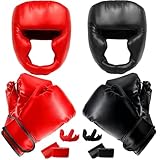
Hey there, fellow fight enthusiast! Keeping your boxing gear clean isn’t just about appearances; it’s crucial for your health, the longevity of your equipment, and the overall enjoyment of your training. Imagine stepping into the ring, confident and ready to go, knowing your gloves and wraps are fresh and ready.
Whether you’re a seasoned pro or just starting out, proper care of your boxing gloves and wraps is a must. Neglecting this can lead to some unpleasant consequences, from the build-up of bacteria and odors to the accelerated wear and tear of your gear. In this comprehensive guide, we’ll walk you through the best methods for cleaning and maintaining your boxing essentials, ensuring you stay safe, healthy, and ready to compete or train at your best. Let’s get started!
Why Cleaning Boxing Gloves and Wraps Matters
Before we jump into the ‘how,’ let’s talk about the ‘why.’ Understanding the reasons behind cleaning your boxing gear will motivate you to make it a regular part of your routine.
Hygiene and Health
Boxing gloves and wraps are breeding grounds for bacteria, fungi, and other microorganisms. Think about it: your hands sweat, you’re constantly hitting things, and the environment in a gym can be less than sterile. This creates the perfect conditions for germs to thrive. If you don’t clean your gear, you risk developing skin infections, such as ringworm or staph infections. These can be painful, contagious, and sideline you from training. Regular cleaning minimizes these risks, keeping you healthy and in the game.
Odor Control
Let’s be honest, boxing gloves can get stinky! The combination of sweat, dead skin cells, and bacteria creates some truly unpleasant odors. This isn’t just about smelling bad; it’s also a sign that your gear is harboring unwanted organisms. Cleaning helps to eliminate these odors, making your training sessions more enjoyable and preventing the funk from spreading to your gym bag and other equipment.
Extending Lifespan
Boxing gloves and wraps aren’t cheap. Investing in their care will help you get the most out of your purchase. Sweat and dirt can degrade the materials over time, leading to cracks, tears, and a loss of padding. Regular cleaning removes these harmful elements, preserving the integrity of your gear and extending its lifespan. This saves you money in the long run.
Performance and Comfort
Clean gloves and wraps feel better. They’re less likely to cause irritation or chafing. They also maintain their shape and padding, providing better support and protection during training and sparring. When your gear is in good condition, you can focus on your technique and performance, rather than being distracted by discomfort.
Cleaning Your Boxing Gloves: Step-by-Step Guide
Now, let’s get down to the practical part: how to clean your boxing gloves. Here’s a detailed, step-by-step guide to keep them in top condition.
What You’ll Need
- Mild soap (dish soap or a gentle hand soap)
- Warm water
- A clean cloth or sponge
- A spray bottle (optional)
- Deodorizer spray (optional, but recommended, e.g., a sports equipment deodorizer or a diluted mixture of white vinegar and water)
- Newspaper or paper towels
- A well-ventilated area
Step 1: Preparation
Before you begin, make sure you have everything you need. Find a clean workspace and gather all your supplies. If your gloves are excessively dirty, consider wearing gloves yourself to protect your hands during the cleaning process.
Step 2: Exterior Cleaning
1. Wipe Down: Dip your cloth or sponge in the warm, soapy water, wringing out the excess. Gently wipe down the exterior surfaces of your gloves. Pay close attention to areas that get the most contact, like the punching surface and the wrist area. Avoid soaking the gloves; you just want them damp, not saturated.
2. Remove Stubborn Dirt: For stubborn dirt or grime, you can use a bit more pressure or a soft brush. Be careful not to scrub too vigorously, as this could damage the leather or synthetic material.
3. Rinse: Rinse your cloth or sponge with clean water and wipe down the gloves again to remove any soap residue.
Step 3: Interior Cleaning
1. Wipe Down: Dampen your cloth or sponge with the soapy water and carefully wipe the interior of the gloves. This is where the sweat and bacteria tend to accumulate. Focus on the areas around the knuckles and fingers. (See Also: Are Muay Thai Gloves The Same As Boxing Gloves )
2. Rinse: Use a clean, damp cloth to wipe out any soap residue.
Step 4: Deodorizing (optional but Recommended)
After cleaning, use a deodorizing spray to eliminate odors and kill bacteria. Follow the product instructions. If you’re using a homemade solution (white vinegar and water), lightly spray the interior and exterior of the gloves. Avoid over-spraying.
Step 5: Drying
This is the most critical step. Proper drying prevents mold and mildew from forming inside your gloves.
- Stuff the Gloves: Crumple up newspaper or paper towels and stuff them inside your gloves. This will help absorb moisture and maintain the shape of the gloves. Replace the paper as it becomes damp.
- Air Dry: Place your gloves in a well-ventilated area, away from direct sunlight and heat. Avoid placing them in a gym bag or enclosed space while they’re still wet. Allow them to air dry completely, which may take several days, depending on the humidity.
- Avoid Heat: Never put your gloves in a dryer or use a hairdryer, as this can damage the materials.
Step 6: Regular Maintenance
Cleaning your gloves after every training session is ideal, but at a minimum, you should clean them after every sparring session or whenever they get particularly sweaty. This consistent care will pay off in the long run.
Cleaning Your Boxing Wraps: A Comprehensive Guide
Boxing wraps are just as important as your gloves, and they also require regular cleaning. Here’s how to keep them fresh and ready for action.
What You’ll Need
- Laundry detergent (regular or sports detergent)
- A washing machine or a sink/bucket
- Mesh laundry bag (highly recommended)
- Optional: Stain remover
- A clothesline or drying rack
Step 1: Preparation
Before washing, inspect your wraps for any tears or excessive wear. If you find any, repair them before washing to prevent further damage. If your wraps have excessive blood stains, consider pre-treating them with a stain remover.
Step 2: Washing Methods
You have two main options for washing your wraps:
Washing Machine
- Place Wraps in a Mesh Bag: This is crucial to prevent the wraps from tangling and to protect them from damage during the wash cycle.
- Use Cold Water: Wash your wraps in cold water to prevent shrinking and fading.
- Use Mild Detergent: Use a regular or sports detergent. Avoid using bleach, as it can damage the fabric.
- Choose a Gentle Cycle: Select a gentle or delicate cycle to minimize wear and tear on the wraps.
- Wash Alone or with Similar Items: Wash your wraps with similar items like workout clothes. Avoid washing them with items that have zippers or other potentially damaging features.
Hand Washing
- Fill a Sink or Bucket with Cold Water: Add a small amount of laundry detergent.
- Soak the Wraps: Submerge your wraps in the soapy water and let them soak for about 30 minutes.
- Agitate Gently: Gently agitate the wraps to loosen dirt and sweat.
- Rinse Thoroughly: Rinse the wraps under cold, running water until all the detergent is removed.
Step 3: Drying
Proper drying is essential to prevent mildew and maintain the integrity of your wraps.
- Avoid the Dryer: Never put your wraps in a dryer, as the heat can cause them to shrink and damage the elastic fibers.
- Air Dry: Hang your wraps on a clothesline or drying rack in a well-ventilated area, away from direct sunlight.
- Ensure Complete Dryness: Make sure your wraps are completely dry before you store them. This may take a day or two, depending on the humidity.
Step 4: Frequency of Washing
How often you wash your wraps depends on how frequently you train and how much you sweat. As a general guideline:
- Daily Training: Wash your wraps after every training session.
- Sparring Sessions: Wash your wraps immediately after sparring.
- Occasional Training: Wash your wraps at least once a week.
Important Considerations for Glove and Wrap Care
Here are some additional tips to help you keep your boxing gear in top shape.
Material Matters
Different materials require different care. Leather gloves, for example, may benefit from a leather conditioner after cleaning to keep them supple. Synthetic gloves may require less conditioning. Always check the manufacturer’s instructions for specific recommendations.
Ventilation Is Key
Always store your gloves and wraps in a well-ventilated area. Avoid keeping them in a gym bag or enclosed space, especially when they’re still damp. This helps to prevent the growth of mold and mildew. (See Also: Can You Wrestle In Boxing Shoes )
Rotate Your Gear
If you train frequently, consider having multiple pairs of gloves and wraps. This allows you to rotate your gear, giving each pair ample time to dry completely between uses. This also extends the lifespan of your gear.
Handle with Care
Avoid throwing your gloves or wraps on the ground. This can expose them to dirt and damage. Treat your gear with respect, and it will last longer. Also, be mindful of where you train. Avoid training in excessively dirty environments or on rough surfaces that could damage your gloves.
Address Problems Promptly
If you notice any rips, tears, or other damage to your gloves or wraps, address them immediately. Small problems can quickly escalate if left unattended. Repairing or replacing damaged gear is crucial for your safety and the longevity of your equipment.
Troubleshooting Common Problems
Here are some common problems you might encounter with your boxing gear and how to address them.
Musty Odor
If your gloves or wraps have a musty odor, it’s likely due to mold or mildew.
- Solution: Clean the gear thoroughly, paying extra attention to the interior. Use a deodorizing spray. Ensure the gear is completely dry before storing it. If the odor persists, you might need to replace the gear.
Tears and Cracks
Tears and cracks can compromise the protection offered by your gloves.
- Solution: For minor tears, you can try repairing them with a strong adhesive or by sewing them. For significant damage, you’ll need to replace the gloves or wraps.
Fading and Discoloration
Fading and discoloration can occur over time, especially with exposure to sunlight and sweat.
- Solution: Minimize exposure to direct sunlight. Wash your gear promptly after training to remove sweat and dirt. Unfortunately, some fading is inevitable.
Shrinkage
Shrinkage is most common with wraps.
- Solution: Always wash your wraps in cold water and avoid the dryer.
The Benefits of a Cleaning Routine
Establishing a regular cleaning routine for your boxing gloves and wraps offers a multitude of benefits, all contributing to a more positive and effective training experience.
Enhanced Hygiene and Health
The most immediate and critical benefit is the significant reduction in the risk of skin infections and other health issues. By regularly removing bacteria, fungi, and other microorganisms, you’re safeguarding your skin and overall well-being. This proactive approach minimizes the chances of contracting unpleasant and potentially debilitating conditions like ringworm, staph infections, and athlete’s foot, which can easily spread in the shared environment of a boxing gym.
Improved Longevity of Equipment
Investing a small amount of time in cleaning your gear translates to a longer lifespan for your gloves and wraps. The consistent removal of sweat, dirt, and other abrasive elements helps to preserve the integrity of the materials. This prevents premature wear and tear, such as cracking, tearing, and loss of padding. As a result, you’ll save money on replacements and extend the use of your equipment, getting the most out of your investment.
Optimized Performance and Comfort
Clean gloves and wraps provide a more comfortable and secure fit, which directly impacts your performance. By eliminating the build-up of sweat and dirt, you maintain the original shape and cushioning of your gloves, ensuring proper support and protection for your hands and wrists. This allows you to focus solely on your technique and strategy during training and sparring sessions, without the distraction of discomfort or irritation. The fresh, clean feel of your gear can also boost your confidence and motivation. (See Also: Is Everlast Good Boxing Gloves )
Reduced Odor and Increased Enjoyment
The unpleasant odor often associated with boxing gear is a thing of the past with a regular cleaning routine. By eliminating the bacteria and other culprits that cause these smells, you create a more pleasant training environment. This not only makes your own training more enjoyable but also shows consideration for your training partners and the gym environment. Eliminating the lingering funk associated with dirty gear ensures a more positive and hygienic experience for everyone involved.
Enhanced Confidence and Professionalism
Taking pride in your gear reflects a commitment to your training and the sport. Clean, well-maintained equipment projects a sense of professionalism and dedication. It also shows respect for your training partners and the gym. This attention to detail can contribute to a more positive and focused training environment, fostering a sense of camaraderie and mutual respect among everyone present.
Maintaining Your Gear: Beyond Cleaning
While cleaning is the cornerstone of glove and wrap care, there are other practices that can further extend their lifespan and enhance your training experience.
Proper Storage
How you store your gear is just as important as how you clean it. Never leave your gloves and wraps in a gym bag or other enclosed space, especially when they’re still damp. This creates the perfect breeding ground for mold and mildew. Instead, store your gear in a well-ventilated area, away from direct sunlight and heat. Consider using a dedicated gear bag with mesh panels or openings to allow for air circulation.
Regular Inspections
Make a habit of inspecting your gloves and wraps before and after each training session. Check for any signs of wear and tear, such as tears, cracks, or loose stitching. Addressing minor issues promptly can prevent them from escalating into more significant problems. This proactive approach will help you identify and address any potential safety hazards before they impact your training.
Material-Specific Care
Different materials require different care. Leather gloves, for example, may benefit from occasional conditioning to keep them supple and prevent cracking. Synthetic gloves may require less maintenance but still benefit from regular cleaning. Always refer to the manufacturer’s instructions for specific recommendations on how to care for your gear. This ensures you’re using the right products and techniques to maintain their quality and performance.
Use Glove Deodorizers
Even with regular cleaning, gloves can sometimes retain odors. Using a glove deodorizer can help to eliminate these smells and keep your gloves smelling fresh. There are many different types of deodorizers available, including sprays, inserts, and pouches. Choose a product that is safe for your gloves and that you find effective.
Protect Your Hands
Using proper hand wraps is crucial not only for protecting your hands during training but also for extending the lifespan of your gloves. Hand wraps absorb a significant amount of sweat and impact, which helps to keep your gloves cleaner and less prone to wear and tear. Make sure to wrap your hands correctly before each training session and replace your wraps regularly.
Consider Training Surface
The surface you train on can impact the condition of your gloves. Avoid training on rough or abrasive surfaces, as this can accelerate wear and tear. If possible, train on padded surfaces or mats to protect your gloves from damage. Be mindful of the environment in which you’re training and take steps to minimize exposure to dirt, debris, and other elements that could damage your gear.
Follow Manufacturer’s Instructions
Every piece of equipment is different. Always follow the manufacturer’s instructions for cleaning and care. These instructions are specifically designed to preserve the quality and performance of the product. Ignoring these guidelines could damage your gear or void any warranties. If you’re unsure about how to clean your gloves or wraps, consult the manufacturer’s website or contact their customer service department.
Final Verdict
Cleaning your boxing gloves and wraps isn’t just a chore; it’s an investment in your health, performance, and the longevity of your gear. By following the steps outlined in this guide and making cleaning a regular part of your routine, you’ll be well on your way to enjoying a safer, more comfortable, and more satisfying training experience. Remember to prioritize hygiene, use the appropriate cleaning methods for your gear, and always allow your equipment to dry completely. Consistent care will ensure your gloves and wraps are always ready when you are.
So, take the time to clean your gear. Your hands, your nose, and your bank account will thank you. Keep those gloves and wraps fresh, and keep punching!