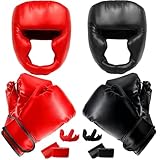
So, you’re ready to hit the heavy bag, huh? That’s awesome! Boxing, kickboxing, and even general fitness training with a heavy bag can be a fantastic workout. But before you start throwing punches, you need the right gear. One of the most critical decisions you’ll make is choosing the correct weight, or “oz,” of your boxing gloves. It’s not just about comfort; it’s about protecting your hands, wrists, and knuckles while maximizing your training benefits. Get it wrong, and you risk injury. Get it right, and you’ll be well on your way to a powerful and effective workout.
This guide will walk you through everything you need to know about selecting the ideal ounce weight for your boxing gloves specifically for bag work. We’ll cover the factors influencing your choice, the various glove weights available, and how to make the best decision based on your needs and goals. I’ll share my experiences and insights from years of training and working with different glove weights, helping you avoid common mistakes and train smarter, not harder.
Understanding Boxing Glove Weights
Boxing gloves are measured in ounces (oz), which refers to the weight of each glove. This weight significantly impacts the glove’s padding and overall feel. Lighter gloves generally offer less padding but allow for faster hand speed, while heavier gloves provide more protection but can slow you down. The choice of glove weight is crucial for both protection and training effectiveness.
Why Does Glove Weight Matter?
The weight of your boxing gloves is a crucial factor for several reasons:
- Protection: Heavier gloves provide more padding, which absorbs the impact of your punches. This reduces the stress on your hands, wrists, and knuckles, minimizing the risk of injury.
- Training Goals: Different glove weights are suited for different training purposes. Lighter gloves are often preferred for speed work and technical drills, while heavier gloves are better for building power and endurance.
- Sparring Regulations: In sparring, heavier gloves are typically required for safety reasons, as they distribute the force of impact over a larger area.
- Competition Requirements: Competitive boxing has strict weight regulations for gloves, ensuring fair competition and minimizing injury risks.
Common Glove Weights and Their Uses
Boxing gloves come in a variety of weights, ranging from 6 oz to 20 oz or more. However, for bag work, the most common and practical weights fall within a specific range. Here’s a breakdown of the typical glove weights and their general applications: (See Also: Are Muay Thai Gloves The Same As Boxing Gloves )
- 6 oz – 8 oz: These gloves are typically used by children or for very light training. They are not recommended for heavy bag work due to insufficient padding.
- 10 oz: These are often used in professional fights, but aren’t ideal for heavy bag work due to the limited padding.
- 12 oz: Frequently used for sparring, and can be used for bag work, but may not provide sufficient protection for heavier hitters or extended sessions.
- 14 oz: A popular choice for bag work, offering a good balance of protection and speed. These are often considered a versatile option for various training styles.
- 16 oz: The most common weight for bag work and sparring, providing excellent protection for the hands and wrists. Ideal for longer training sessions and heavier hitters.
- 18 oz and 20 oz: Primarily used for sparring to maximize protection and minimize the risk of injury. Generally, not necessary for bag work unless you are a very heavy hitter and prioritize maximum protection.
Factors Influencing Your Choice of Glove Weight for Bag Work
Several factors should influence your decision on how many oz boxing gloves for bag work. Consider these key elements:
- Your Body Weight: Heavier individuals typically benefit from heavier gloves, as they generate more force with their punches. Lighter individuals might find lighter gloves sufficient.
- Your Experience Level: Beginners often benefit from heavier gloves (14 or 16 oz) to build proper punching technique and protect their hands. Experienced boxers can sometimes use lighter gloves for speed work, but still prioritize protection.
- Training Frequency and Duration: If you train frequently or for extended periods, you’ll want gloves that provide adequate padding to prevent injuries. Heavier gloves are generally preferred for longer sessions.
- The Type of Bag You’re Using: Harder heavy bags require more padding to cushion the impact. Softer bags might allow you to use slightly lighter gloves.
- Your Personal Preference: Ultimately, comfort and feel play a role. Try different weights to see what feels best for you. Make sure the gloves fit your hands snugly and comfortably.
Detailed Breakdown of Glove Weight Recommendations
Let’s delve deeper into the specific recommendations for each weight category, considering the factors mentioned above.
Oz Boxing Gloves for Bag Work
12 oz gloves can be used for bag work. They are often a good choice for people with smaller hands or for those who are used to working with lighter gloves. However, they are not the best for all. They offer less padding than the heavier options, and therefore, may not offer enough protection for heavier hitters or for those training for extended periods. They might be suitable for speed drills and technical work, where the emphasis is on technique and speed rather than raw power. If you choose 12 oz gloves, make sure you are confident in your technique to minimize the risk of injury. Consider using hand wraps for added protection.
Oz Boxing Gloves for Bag Work
14 oz gloves are a very popular choice for bag work. They strike a good balance between protection and speed, making them a versatile option for various training styles. They provide more padding than 12 oz gloves, making them suitable for most individuals, offering good protection for the hands and wrists while still allowing for a reasonable amount of hand speed. These gloves are an excellent choice for a variety of training regimens, including heavy bag work, pad work, and some light sparring. They’re a solid choice for intermediate-level boxers and those who want a good balance of protection and performance. If you are a beginner, you may find that they offer sufficient protection. (See Also: Can You Wrestle In Boxing Shoes )
Oz Boxing Gloves for Bag Work
16 oz gloves are the most popular and recommended weight for bag work and sparring. They offer the best protection for your hands and wrists, minimizing the risk of injury during intense training sessions. These gloves are ideal for longer training sessions and for heavier hitters. The added padding absorbs more of the impact, protecting your hands and wrists from the repeated stress of punching a heavy bag. If you are a beginner, or if you are training often, 16 oz gloves are an excellent and safe choice. They may slightly reduce your hand speed compared to lighter gloves, but this is a worthwhile trade-off for the added protection. They are a good choice for all levels of experience.
Oz and 20 Oz Boxing Gloves for Bag Work
18 oz and 20 oz gloves are primarily used for sparring, where maximum protection is paramount. They are generally not necessary for bag work unless you are a very heavy hitter and prioritize maximum protection above all else. These gloves can be cumbersome and may slow down your hand speed significantly. They are typically used by professionals or advanced boxers who are sparring frequently and want the highest level of protection. While they can be used for bag work, they may not be the most practical choice for general training due to their weight and bulk.
The Importance of Hand Wraps
Regardless of the glove weight you choose, hand wraps are an essential piece of equipment. They provide an extra layer of protection for your hands and wrists, absorbing impact and preventing injuries. Hand wraps:
- Protect Your Knuckles: They create a padded barrier to cushion your knuckles.
- Support Your Wrists: They stabilize your wrists, reducing the risk of sprains and strains.
- Absorb Sweat: They wick away sweat, keeping your gloves cleaner and extending their lifespan.
Always wear hand wraps when using boxing gloves, whether you’re working on the heavy bag, sparring, or doing pad work. Proper wrapping techniques are crucial for maximizing their protective benefits. Numerous online tutorials can guide you through the process. (See Also: Is Everlast Good Boxing Gloves )
Choosing the Right Gloves: A Step-by-Step Guide
Here’s a step-by-step guide to help you choose the right boxing gloves for bag work:
- Assess Your Body Weight: If you weigh under 150 lbs, a 14 oz glove might suffice. If you’re over 150 lbs, a 16 oz glove is generally recommended.
- Consider Your Experience Level: Beginners should prioritize protection and opt for 16 oz gloves. More experienced boxers might experiment with 14 oz gloves for certain types of training.
- Evaluate Your Training Frequency: If you train several times a week, heavier gloves (16 oz) are recommended for added protection.
- Think About the Bag: If you are using a very hard bag, more padding is required.
- Try on Different Weights: Visit a sporting goods store and try on different glove weights. Pay attention to how they feel on your hands and wrists. Ensure they fit snugly but comfortably.
- Don’t Forget Hand Wraps: Always wear hand wraps under your gloves for added protection.
Glove Materials and Construction
The materials and construction of boxing gloves also play a role in their performance and durability. Common materials include:
- Leather: High-quality leather gloves are durable, comfortable, and offer excellent performance. They tend to last longer than synthetic gloves.
- Synthetic Leather: Synthetic leather gloves are a more affordable option. They are less durable than leather but can still provide adequate protection for bag work.
- Padding: The padding is typically made of foam or a combination of foam and other materials. The quality of the padding affects the glove’s ability to absorb impact.
- Construction: The stitching and overall construction of the glove impact its durability and performance. Look for gloves with reinforced stitching and a secure wrist closure.
Maintaining Your Boxing Gloves
Proper care and maintenance can extend the life of your boxing gloves and ensure they continue to provide adequate protection. Here are some tips:
- Air Them Out: After each training session, allow your gloves to air dry. This prevents the buildup of moisture and bacteria.
- Use Glove Deodorizers: Use glove deodorizers to absorb moisture and eliminate odors.
- Clean Them Regularly: Wipe down the exterior of your gloves with a damp cloth to remove dirt and sweat.
- Store Them Properly: Store your gloves in a cool, dry place. Avoid leaving them in direct sunlight or extreme temperatures.
- Consider Glove Savers: Glove savers can help to absorb moisture and maintain the shape of your gloves.
Comparing Boxing Glove Weights (table)
The following table summarizes the key features and recommendations for different boxing glove weights:
| Glove Weight | Typical Users | Primary Use | Pros | Cons |
|---|---|---|---|---|
| 12 oz | Smaller Hands, Experienced Boxers | Speed Drills, Technical Work | Faster Hand Speed, Less Cumbersome | Less Protection, Not Ideal for Heavy Hitters |
| 14 oz | Most Boxers, Intermediate Level | Bag Work, Pad Work, Light Sparring | Good Balance of Protection and Speed, Versatile | May Not Be Sufficient for Heavy Hitters |
| 16 oz | Beginners, Heavy Hitters, Frequent Trainers | Bag Work, Sparring | Excellent Protection, Ideal for Longer Sessions | Slightly Slower Hand Speed |
| 18 oz & 20 oz | Professionals, Frequent Sparrers | Sparring | Maximum Protection | Cumbersome, Slows Hand Speed |
Verdict
Choosing the correct ounce weight for your boxing gloves is a crucial step in ensuring a safe and effective training experience. For bag work, 14 oz and 16 oz gloves are the most popular and recommended options. They offer a good balance of protection and performance, suitable for various training styles and experience levels. Remember to consider your body weight, experience, training frequency, and the type of bag you’re using when making your decision. Always prioritize the protection of your hands and wrists, and don’t hesitate to consult with a boxing coach or experienced trainer for personalized advice. With the right gloves and proper technique, you’ll be well-equipped to enjoy the benefits of boxing and achieve your fitness goals.
Don’t forget the importance of hand wraps and proper glove maintenance to maximize the lifespan of your gloves and minimize the risk of injury. By following the guidelines in this article, you can select the perfect pair of gloves to support your training journey and help you perform at your best. Now go out there and start swinging!