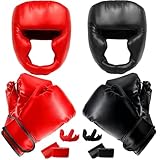
Ever wondered about the weight of those gloves you see in the ring? It’s not just about the size; the weight of boxing gloves plays a HUGE role in the sport. From protecting the fighters to influencing the pace and power of a match, it’s a critical factor. Understanding these weights is essential, whether you’re a seasoned boxer, a casual fan, or simply curious about the sweet science.
We’re going to break down everything you need to know about how heavy official boxing gloves are. I’ll cover the standard weights, the reasons behind them, and how they impact the sport. We’ll look at the differences between amateur and professional boxing, and explore why choosing the right glove weight is so important for your training and safety. Get ready to have your questions answered!
The Standard Weights: A Breakdown
Boxing gloves are primarily categorized by their weight, measured in ounces (oz). This weight isn’t about the overall size but rather the padding and materials used in the glove’s construction. The weight directly impacts the glove’s ability to absorb impact and, consequently, the force of punches. There are specific weights for various levels of competition and training purposes. Let’s delve into the most common weights you’ll encounter:
8-Ounce Gloves
8-ounce gloves are typically used in professional boxing matches, especially in lighter weight classes. They’re also sometimes used in amateur bouts. These gloves are designed to provide a balance between protection and the ability to deliver powerful punches. Because they have less padding than heavier gloves, they allow for faster hand speed and more impactful strikes. However, the reduced padding means they offer less protection to the wearer. This is why professional boxers often condition their hands and wrists through rigorous training to withstand the impact.
10-Ounce Gloves
10-ounce gloves are another common weight used in professional boxing, particularly in the middleweight and heavier divisions. They are often a standard choice for televised professional fights, offering a compromise between power and protection. They provide slightly more padding than 8-ounce gloves, offering a bit more protection for both the boxer’s hands and their opponent’s faces. The additional padding can slightly reduce hand speed compared to 8-ounce gloves, but it helps to protect the hands from the constant pounding of a fight.
12-Ounce Gloves
12-ounce gloves are frequently used for sparring and training. They offer significantly more padding than 10-ounce gloves, making them ideal for safely practicing techniques and building stamina. The added padding helps to absorb more of the impact, protecting both the wearer and the training partner from injury. Using 12-ounce gloves during sparring can also help to improve your defensive skills as the slightly increased weight can make your hands feel lighter and faster when you switch to lighter gloves for a fight.
14-Ounce Gloves
14-ounce gloves are often used for heavier training sessions and sparring, especially for larger fighters or those who want even more protection. These gloves provide a substantial amount of padding, which is particularly beneficial when working with heavy bags or sparring with more experienced opponents. The extra weight can also help to build strength and endurance in the arms and shoulders. While the increased weight can slow down hand speed, it enhances the protective qualities of the gloves, reducing the risk of injuries during intense training.
16-Ounce Gloves
16-ounce gloves are almost exclusively used for sparring and heavy bag work. They offer the maximum amount of padding and are a staple in gyms for protecting fighters during training sessions. These gloves provide the greatest level of protection to both the boxer and their sparring partner. The additional weight also contributes to building strength and stamina. The use of 16-ounce gloves is highly recommended for all levels of boxers during sparring to ensure safety and to allow for more prolonged training sessions without risking injury.
Why Glove Weight Matters: The Impact on Boxing
The weight of boxing gloves has a profound impact on several aspects of the sport. It affects everything from the power of punches to the protection of fighters, the strategy employed in the ring, and the overall pace of the fight. Understanding these impacts is crucial for anyone involved in boxing, whether as a participant, a coach, or a spectator.
Power and Punching Speed
Heavier gloves generally reduce punching speed but can increase the perceived power of a punch. This is because the added weight requires more force to move the hand, potentially leading to greater momentum when the punch lands. Conversely, lighter gloves allow for faster hand speed, enabling fighters to throw more combinations and react more quickly. Professional boxers often use lighter gloves (8 or 10 ounces) to maximize their punching power and speed during a fight, though this comes at the cost of reduced protection.
Protection and Safety
The primary function of heavier gloves is to provide more protection for both the fighter and their opponent. The increased padding absorbs more of the impact from punches, reducing the risk of injuries such as cuts, broken bones, and concussions. In training, heavier gloves are essential for preventing injuries during sparring and heavy bag work. The added protection allows boxers to train more frequently and for longer durations without risking serious harm. This emphasis on safety is a crucial element of the sport, especially at the amateur levels.
Stamina and Endurance
Training with heavier gloves can help to build stamina and endurance. The increased weight requires more effort to throw punches and maintain hand speed, which strengthens the muscles in the arms, shoulders, and core. This can translate to improved performance in the ring, as fighters can maintain a higher work rate for longer periods. When fighters switch to lighter gloves during a fight, their hands may feel faster and lighter, allowing them to throw more punches and maintain their stamina more effectively.
Strategy and Fight Dynamics
The weight of the gloves can influence the strategies employed by fighters. With lighter gloves, fighters may focus on landing more punches and increasing their hand speed. With heavier gloves, they might prioritize defense and power, aiming for a knockout. The weight of the gloves also affects the overall pace of the fight. Lighter gloves often lead to a faster, more action-packed bout, while heavier gloves can result in a more measured and strategic contest. This strategic element adds another layer of complexity to the sport, as fighters must adapt their approach based on the glove weight. (See Also: Are Muay Thai Gloves The Same As Boxing Gloves )
Amateur vs. Professional Boxing: Glove Weight Differences
The rules governing glove weight differ significantly between amateur and professional boxing. These differences are designed to balance safety, competitive fairness, and the specific goals of each level of the sport.
Amateur Boxing Glove Regulations
In amateur boxing, the focus is heavily on safety and skill development. The use of heavier gloves is standard practice, often 10-ounce gloves for all weight classes. This helps to reduce the risk of injury and protect the fighters, especially given that amateur bouts often involve younger and less experienced boxers. The emphasis is placed on technique and strategy rather than raw power. Protective headgear is also mandatory in amateur boxing, further adding to the safety measures.
The amateur rules are designed to prevent serious injuries. The use of heavier gloves, combined with headgear, provides a higher level of protection, allowing for a longer and safer career. These measures are especially important for younger athletes who are still developing their skills and bodies. The focus is on fostering the growth of the sport and encouraging participation. Referees are also trained to quickly stop a bout if a fighter is injured or unable to continue safely.
Professional Boxing Glove Regulations
Professional boxing places a greater emphasis on power and entertainment. While safety is still a concern, the rules are adjusted to allow for more aggressive and exciting fights. Gloves used in professional boxing are typically lighter than those used in amateur bouts, with 8-ounce gloves being common in lighter weight classes and 10-ounce gloves for heavier ones. This allows for increased punching power and speed, which can lead to more knockouts and a more dramatic spectacle for the audience.
Professional boxing regulations are determined by the specific sanctioning bodies. These organizations, like the WBC, WBA, IBF, and WBO, set the rules for the fights they oversee. These rules can vary slightly depending on the organization. Professional boxing is a high-stakes sport, and the differences in glove weight reflect the different goals of each level of competition. The risk of injury is higher, but the potential rewards—both financial and in terms of prestige—are also significantly greater. Fighters and their teams take this into account when developing their training and fight strategies.
Choosing the Right Glove Weight for Training and Sparring
Selecting the appropriate glove weight for your training and sparring sessions is crucial for maximizing your performance, preventing injuries, and ensuring a safe and effective workout. The right choice depends on your training goals, your experience level, and the type of training you’re doing.
For Heavy Bag Work
When working on a heavy bag, it is recommended to use gloves that are 12 ounces or heavier. The primary goal is to protect your hands and wrists from the repeated impact of hitting the heavy bag. Heavier gloves provide more padding, which absorbs the shock and reduces the risk of injuries such as sprains, fractures, and contusions. Using 14- or 16-ounce gloves is especially beneficial for longer training sessions or for those who are new to boxing and may not yet have developed the proper technique.
The added weight of the gloves can also help to build strength and endurance in your arms and shoulders. This is particularly useful for building power and stamina, which can translate to better performance in the ring. The heavier the gloves, the more effort it takes to throw punches, which in turn strengthens the muscles involved. This is why many boxers incorporate heavy bag work with 16-ounce gloves as part of their regular training routine.
For Sparring
For sparring, it is essential to use gloves that provide the most protection possible, often 14 or 16 ounces. The primary goal is to protect both yourself and your sparring partner from injury. Sparring involves a higher level of impact than heavy bag work because you’re working with a moving opponent who can throw punches at various angles and speeds. The extra padding in heavier gloves helps to absorb the impact and reduces the risk of cuts, bruises, and more serious injuries.
Using heavier gloves during sparring also encourages you to focus on your technique and defense. Because the punches are less damaging, you can concentrate on your form and footwork without fear of serious injury. This is a crucial aspect of developing your skills and improving your overall boxing ability. Many gyms require the use of 16-ounce gloves during sparring to ensure the safety of all participants.
For Fitness Boxing and Cardio Workouts
If you’re using boxing for fitness and cardio, you can use a lighter glove weight, such as 10 or 12 ounces. The goal is to build fitness and have fun, not to engage in serious sparring or heavy impact training. Lighter gloves allow for faster hand speed and more continuous movement, which can enhance your cardio workout. They are also more comfortable for extended use during workouts.
It is still important to choose gloves that offer some level of protection. Even in fitness boxing, there is a risk of injury, especially if you’re hitting pads or a heavy bag. Lighter gloves provide enough padding to protect your hands while allowing you to move freely and enjoy your workout. Consider the intensity of your workouts and choose gloves that provide the right balance of protection and comfort. If you are training with a coach or partner, follow their advice on the appropriate glove weight. (See Also: Can You Wrestle In Boxing Shoes )
Materials and Construction: What to Look For
The materials and construction of boxing gloves significantly impact their performance, durability, and protective qualities. Understanding these factors will help you choose gloves that are suitable for your training needs and ensure that they last longer. Here’s a look at the key elements to consider:
Leather vs. Synthetic Materials
Leather gloves are generally considered superior in terms of durability and performance. They are made from genuine leather, typically cowhide or goatskin, which is known for its strength and ability to withstand wear and tear. Leather gloves can last for years with proper care, making them a good long-term investment. They also tend to mold to the shape of your hand over time, providing a more comfortable and personalized fit.
Synthetic gloves are a more affordable option. They are typically made from materials such as polyurethane (PU) or polyvinyl chloride (PVC). While synthetic gloves may not be as durable as leather gloves, they are still suitable for beginners or those who only box occasionally. Synthetic gloves are also easier to clean and maintain, which makes them a practical choice for many boxers. However, synthetic gloves may not offer the same level of breathability or comfort as leather gloves.
Padding and Padding Materials
The padding in boxing gloves is critical for absorbing impact and protecting your hands. The best gloves use multiple layers of padding, typically a combination of foam and other materials. High-quality gloves often incorporate a mix of layered foams, such as closed-cell foam and open-cell foam, to provide optimal protection and shock absorption. The density and thickness of the padding determine how well the glove will protect your hands.
The padding materials used in boxing gloves include horsehair, latex, and various types of foam. Each material offers different properties in terms of shock absorption, durability, and comfort. Horsehair, for example, is known for its durability, while latex provides excellent shock absorption. Foam padding is commonly used because it is lightweight and provides a good balance of protection and comfort. The type of padding used can impact the overall feel and performance of the glove.
Wrist Support and Closure Systems
Adequate wrist support is essential for preventing injuries. Boxing gloves should have a secure closure system, such as a hook-and-loop strap or laces, to keep the wrist stable during punches. The wrist closure should provide a snug fit that prevents the wrist from bending excessively. The design of the wrist support is also important. Some gloves have extended wrist cuffs or extra padding to provide more support and protection.
The closure system should be easy to use and secure. Hook-and-loop straps are convenient for quick on-and-off use, while laces offer a more secure fit. The choice of closure system often depends on personal preference and the type of training you are doing. For sparring and competition, a secure and reliable closure is essential to ensure that the gloves stay in place and provide maximum protection.
Caring for Your Boxing Gloves: Extending Their Lifespan
Proper care and maintenance can significantly extend the lifespan of your boxing gloves and ensure that they continue to provide optimal performance and protection. Here are some tips to help you keep your gloves in top condition:
Cleaning and Drying
Always clean your gloves after each training session. This will help to remove sweat and bacteria, which can cause odors and degrade the materials. Wipe down the exterior of the gloves with a damp cloth and mild soap. Be sure to dry the gloves thoroughly after cleaning. Allow the gloves to air dry naturally, away from direct sunlight or heat, which can damage the materials.
For cleaning the interior, use a glove deodorizer or a spray made specifically for sports equipment. This will help to eliminate odors and prevent the growth of bacteria. Apply the spray to the inside of the gloves and let them air dry. Avoid using harsh chemicals or abrasive cleaners, as they can damage the gloves. Regular cleaning and drying will help to keep your gloves fresh and extend their lifespan.
Storage
Store your gloves in a cool, dry place away from direct sunlight. Direct sunlight can damage the materials and cause them to fade or crack. Using a glove bag or carrying case can help protect the gloves from dust and dirt. When storing your gloves, make sure they are fully dry to prevent the growth of mold or mildew. Proper storage will help to maintain the shape and condition of your gloves.
Consider using a glove deodorizer or a moisture-absorbing packet to keep your gloves fresh. This will help to absorb any excess moisture and prevent odors. If you are not going to use your gloves for an extended period, consider storing them with a desiccant pack to absorb any moisture. By following these simple storage tips, you can ensure that your gloves are ready to go when you are. (See Also: Is Everlast Good Boxing Gloves )
Regular Inspection
Regularly inspect your gloves for signs of wear and tear. Look for any cracks, tears, or loose stitching. If you notice any damage, have the gloves repaired or replaced. Minor damage can often be repaired, but it is important to address any issues promptly to prevent them from worsening.
Pay attention to the padding and make sure it is still providing adequate protection. If the padding has become compressed or damaged, the gloves may not offer the same level of shock absorption. It’s also important to inspect the wrist support and closure systems to ensure they are still functioning correctly. Regular inspection helps to ensure that your gloves remain safe and effective.
Beyond the Basics: Advanced Considerations
While the standard glove weights and materials are essential, there are other factors to consider as you become more experienced in boxing. These include the fit of the gloves, the type of boxing you’re doing, and your personal preferences.
Glove Fit and Sizing
The fit of your gloves is crucial for both comfort and performance. Gloves that are too small can restrict your hand movement and lead to injuries, while gloves that are too large may not provide adequate support. Try on gloves with hand wraps to ensure that you have enough room. Your fingers should not be cramped, and you should be able to make a fist comfortably.
When choosing gloves, consider the shape and design. Some gloves have a more ergonomic fit, while others are designed for specific hand shapes. The best way to find the right fit is to try on different gloves and see which ones feel the most comfortable and secure. Check the manufacturer’s sizing charts to help you determine the correct size.
Specialized Boxing Styles
The type of boxing you do can influence the glove weight you choose. For example, if you are a power puncher, you may prefer heavier gloves to increase the impact of your punches. If you are a fast-paced boxer, you may prefer lighter gloves to enhance your hand speed. Consider your style and training goals when selecting the right gloves.
If you are training for a specific competition, consider the rules. Some competitions may have specific requirements for glove weight and type. Make sure you select gloves that meet these requirements. In some cases, you may want to have multiple pairs of gloves to suit different training needs and fight scenarios.
Personal Preferences
Your personal preferences also play a role in selecting the right gloves. Some boxers prefer certain brands or styles. Consider the feel of the gloves, the level of protection they provide, and how comfortable they are. Some boxers prefer a glove with a specific type of padding or wrist support.
Don’t be afraid to experiment with different gloves to find what works best for you. The right gloves will feel comfortable, provide adequate protection, and help you perform at your best. When selecting gloves, consider the opinions of your coach and other experienced boxers.
Final Verdict
The weight of boxing gloves is a crucial element that impacts everything from fighter safety to punching power and training effectiveness. Understanding the different glove weights—from the lighter 8-ounce gloves used in professional bouts to the heavier 16-ounce gloves favored for sparring—is essential for anyone involved in the sport. Choosing the right glove weight is not just about adhering to rules; it’s about optimizing your training, enhancing your performance, and, most importantly, protecting your health.
By considering factors such as your skill level, the type of training you’re doing, and the regulations of your competition, you can make informed decisions when selecting your gloves. Proper care and maintenance, including regular cleaning and storage, will extend the lifespan of your gloves, ensuring they remain a reliable and effective part of your boxing gear. The right gloves can significantly impact your experience in the ring and contribute to your overall success.